Disclosure: This post may contain affiliate links, meaning if you decide to make a purchase through my links I may earn a commission at no additional cost to you. See my disclosure for more info.
Portugal has this really interesting sausage called alheira. It’s not like your typical pork sausage, and it has a pretty cool story behind it. We’re going to take a look at where alheiras come from, what makes them special, and how people eat them. You might be surprised by how versatile this sausage actually is. Let’s explore the world of alheiras!
Key Takeaways
- Alheiras have roots in Jewish history, created as a way to hide religious practices during the Inquisition.
- While originally pork-free, modern alheiras often include pork alongside poultry and game meats.
- The Alheira de Mirandela is a famous variety, recognized with IGP status for its protected origin.
- Alheiras can be prepared in many ways, from grilling and frying to being used as a filling in other dishes.
- This unique sausage is a versatile ingredient found across Portugal, with regional variations and celebrations.
The Rich History of Alheiras
Jewish Origins and the Inquisition
Alheiras have a pretty fascinating backstory, one that’s deeply tied to Portugal’s history, especially during the Inquisition. Back in the 15th century, when the Jewish faith was being suppressed, Jewish communities, particularly in the Trás-os-Montes region, found themselves in a tough spot. They were easily identified because they didn’t have the usual pork sausages hanging in their smokehouses, which was a common sight for "New Christians" (those who had converted to Catholicism). To blend in and avoid suspicion, they came up with a clever solution: they created a sausage using poultry and game meats, mixed with bread and seasonings. This way, it looked like they were part of the dominant culture, even though they were secretly practicing their own traditions. This ingenious sausage became a symbol of resilience and cultural survival.
Evolution of Alheira Recipes
What started as a way to hide Jewish identity eventually caught on with the wider Portuguese population. As the pressure eased and traditions evolved, people began to adapt the alheira recipe. The original poultry and game-based sausage started to incorporate pork and pork fat, becoming more of a mainstream delicacy. Over centuries, this evolution led to the diverse range of alheiras we see today. While the original spirit of using non-pork ingredients for specific reasons is still honored in some varieties, the common alheira now often includes pork.
Explore more NutritionGeeks guides related to wellness, recovery, nutrition and active lifestyle support.
Alheiras in Trás-os-Montes
The Trás-os-Montes region, in the northeastern part of Portugal, is really the heartland of alheira. It’s where the sausage has been made for centuries and where some of the most prized versions originate. This area is known for its traditional methods and high-quality ingredients. You’ll find that many of the alheiras from this region have a Protected Geographical Indication (IGP) status, meaning they have to be made according to specific rules to ensure their authenticity and quality. It’s a testament to how important this sausage is to the local culture and economy.
Understanding Alheira Varieties
When it comes to Alheira, you might be surprised at just how many types there are. This isn’t your average sausage—it’s incredibly versatile, with combinations that go way beyond the basics. Exploring these different varieties is a bit like opening a mystery box; you never know what amazing flavors you’ll uncover next.
More NutritionGeeks Wellness Guides
Explore more NutritionGeeks guides connected to wellness, recovery, hydration, energy, sleep and active lifestyle nutrition.
Poultry and Game Meat Alheiras
Traditionally, the very first alheiras were made without pork, which was a clever response to religious restrictions way back in the day. Now, these poultry and game versions are called alheiras de caça. Here’s what you can expect:
- Common meats: Chicken, turkey, duck, rabbit, and sometimes wild game like venison or partridge
- Often includes dense bread filling, garlic, and regional smoky touches
- Lighter and less fatty than pork-based sausages
For anyone looking for a different flavor or staying away from pork, this is the go-to choice. I tried a duck alheira once, and honestly, it was a nice break from heavy sausages—just enough smokiness, plus a good bite from all the bread mixed in.
Pork and Traditional Blends
These days, most alheiras you’ll see in shops or on menus across Portugal include pork. There’s often a mix of meats, sometimes with local breeds of pig or even cured ham added for extra depth. The texture can get richer and more indulgent. Here’s a simple table breaking down the typical meat blends:
| Alheira Type | Main Meat(s) | Texture |
|---|---|---|
| Traditional | Pork, chicken, cured ham | Rich, crumbly |
| Mirandela (IGP) | Pork, Portuguese bread, garlic | Silky, flavorful |
| Mixed Game | Rabbit, pheasant, pork | Firm, smoky |
Note: The Mirandela variety is especially famous and even has protected status.
Vegetarian and Creative Alheiras
More recently, creative cooks across Portugal have started making alheiras with zero meat at all. You’ll find versions filled with mushrooms, beans, greens, or even salted cod (yes, a fish sausage). Here’s what stands out about these modern alheiras:
- No meat: base can be bread, veggies, or legumes
- Seasoned with garlic, olive oil, and a mix of sweet and spicy spices
- Great as a filling for pastries or a vegetarian main
Alheiras, no matter what’s inside, are all about strong flavors and interesting textures. Once you’ve had a good one, it’s hard to forget it.
It’s funny, but I feel like every year there’s a new twist—last time I was out with friends, we split a vegetarian alheira rolled in puff pastry, and everyone (even the carnivores) loved it. If you love experimenting in the kitchen, this sausage is a real sandbox for creativity.
Culinary Traditions and Preparation
When it comes to preparing alheiras, there’s a real art to it, passed down through generations. It’s not just about cooking a sausage; it’s about respecting the ingredients and the history behind them.
Traditional Cooking Methods
Most alheiras are cooked by grilling or frying. Grilling gives them a lovely smoky char, especially if you’re using a charcoal grill. Frying, usually in a bit of olive oil, makes the casing nice and crispy. Some people also like to bake them, which is a bit gentler and keeps them really moist inside. The key is to cook them slowly enough so the inside heats through without the outside burning. It’s a balance, for sure.
Here’s a quick rundown of common methods:
- Grilling: Perfect for that outdoor barbecue feel. Get the coals nice and hot, then grill the alheiras, turning them often.
- Pan-Frying: Use a good non-stick pan with a little olive oil. Medium heat is best to avoid bursting the casing.
- Baking: Place them on a baking sheet in a preheated oven (around 180°C or 350°F) for about 20-25 minutes.
The Popular Alheira de Mirandela
When you talk about alheiras, the Alheira de Mirandela often comes up. This one is special because it has Protected Geographical Indication (PGI) status. That means it has to be made in a specific region, following strict rules. It’s typically made with pork meat and bread, seasoned with garlic and other spices. It’s a real taste of the Trás-os-Montes region, known for its hearty food. You can find out more about this specific type of sausage on pages dedicated to Portuguese food products.
Alheiras as a Versatile Ingredient
Alheiras aren’t just for grilling and eating on their own, though that’s delicious. They’re surprisingly versatile. You can crumble them into stews, add them to pasta dishes, or even use them as a filling for pastries. A really popular way to use them is to make croquetes de alheira, which are basically fried croquettes made from the sausage meat. They make a fantastic appetizer or a snack. They also work well in more complex dishes, like a hearty bean stew or even mixed with rice.
Alheiras represent a fascinating intersection of history and flavor. Their adaptability means they can be enjoyed in many different ways, from simple, rustic preparations to more refined culinary creations. It’s this flexibility that has helped them remain a beloved part of Portuguese cuisine for so long.
Experiencing Alheiras in Portugal

Regional Specialties and IGP Status
When you travel through Portugal, you’ll quickly notice that alheiras aren’t just a one-size-fits-all kind of sausage. Different regions have their own takes, and some have earned special recognition. The most famous of these has to be the Alheira de Mirandela. This particular alheira is protected by IGP status, which stands for "Protected Geographical Indication." This means it has to be made in a specific area, around the town of Mirandela in the Trás-os-Montes region, and follow strict traditional methods. You’ll find other IGP-certified alheiras from places like Montalegre and Vinhais, also in the Trás-os-Montes area. These designations are a big deal because they guarantee you’re getting an authentic taste of that region’s heritage.
Where to Find Authentic Alheiras
Finding a good alheira is pretty easy once you know where to look. Traditional Portuguese restaurants, especially those in the northern parts of the country, are your best bet. Look for places that proudly display their regional specialties. You’ll often see alheira on the menu as a main dish, typically served with potatoes (fried or boiled) and some greens. It’s also a popular item in petiscos, which are Portuguese small plates or tapas. Many local markets and butcher shops also sell fresh alheiras, allowing you to cook them at home. Don’t be afraid to ask locals for recommendations; they usually know the best spots!
Festivals Celebrating Smoked Sausages
Portugal loves a good festival, and sausages, including alheiras, get their fair share of the spotlight. While there might not be a single, massive nationwide alheira festival, you’ll find numerous local events and fairs throughout the year that celebrate regional gastronomy. These often include food tasting, cooking demonstrations, and a chance to buy directly from producers. Keep an eye out for events in towns known for their alheiras, like Mirandela, especially around harvest times or local patron saint days. These gatherings are a fantastic way to experience the culture and taste the best of what Portugal’s sausage-making traditions have to offer.
Alheiras are more than just a sausage; they’re a taste of history and regional pride.
Here’s a quick guide to what you might expect when ordering:
- Alheira de Mirandela: Often pan-fried until crispy, served with fries and a fried egg.
- Alheira de Caça: Made with game meats like rabbit or partridge, usually a bit richer.
- Traditional Alheira: Typically a blend of pork and bread, seasoned simply.
- Creative Alheiras: You might find versions with cod (bacalhau) or even vegetarian options in more modern eateries.
Beyond the Sausage: Portuguese Gastronomy
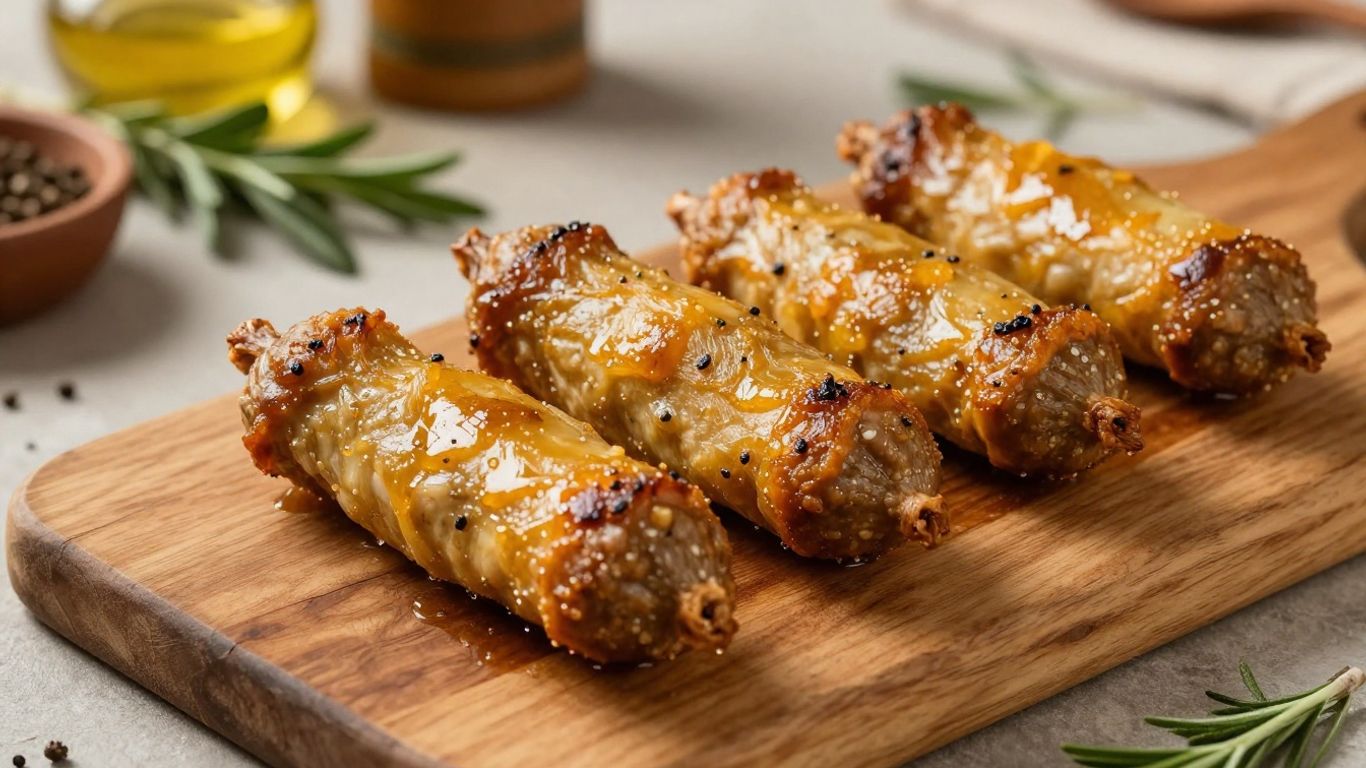
The Role of Enchidos in Portuguese Cuisine
Enchidos are more than just sausages in Portugal—they’re cooking essentials that show up in kitchens across the country. From soups to stews to simple toasts, you’ll spot different types of enchidos gracing many humble and festive tables. If you poke around any Portuguese fridge or pantry, chances are, there’s at least one enchido on hand, ready to transform a plain meal into something special.
Here’s where you’ll see enchidos most often:
- In beloved stews like cozido à Portuguesa, where sausages mingle with beans and vegetables.
- Stuffed inside breads, like the deeply satisfying pão com chouriço.
- Tossed into rice or grain dishes for a smoky, rich finish.
When you cook with enchidos, you get layers of flavor—salty, smoky, a little fat. Meals taste heartier and somehow more comforting, even on a Tuesday night.
Exploring Other Portuguese Sausages
Besides alheira, Portugal has plenty of sausages that offer up their own special tastes and textures. Some of the country’s most popular include:
- Chouriço: The go-to garlic-and-paprika sausage, often grilled or worked into breads and stews.
- Morcela: Portugal’s answer to blood sausage, sometimes made with rice or onions, often served with pineapple from the Azores—yes, really!
- Farinheira: Softer, made with flour and fat, and sometimes mistaken for being sweet thanks to its mellow flavor.
- Salpicão and Presunto: Both are cured meats, with salpicão a boldly flavored smoked sausage and presunto Portugal’s version of ham.
Quick Table: Common Sausages and Tastes
| Sausage | Key Ingredients | Notable Uses |
|---|---|---|
| Chouriço | Pork, paprika, garlic | Grilled, in stews, with bread |
| Morcela | Pork, blood, spices | With pineapple, in cozido |
| Farinheira | Flour, fat, seasonings | Boiled, stews, baked in bread |
| Salpicão | Pork, garlic, wine | Charcuterie, sandwiches |
| Presunto | Cured ham | Charcuterie, pizzas, snacking |
Creative Culinary Innovations
Over the years, Portuguese cooks have found clever ways to use sausage beyond just slicing it onto a plate. Let’s look at a few:
- Stuffed breads: Not just an afterthought, savory breads become main dishes when chouriço or presunto is stuffed inside.
- Sweet surprises: Puddings like Pudim Abade de Priscos sneak in a bit of bacon to balance out all the sugar and eggs.
- Vegan and vegetarian options: Now you’ll even find plant-based versions of classic sausages, so more people can try classic flavors.
Portuguese gastronomy isn’t just about following tradition. There’s a playful side, where old ingredients find new forms and unexpected pairings. One thing stays the same, though: food here always has a story, and often, it starts with a sausage.
So, What’s Next for Alheira?
– alheira. It’s more than just a sausage; it’s a piece of history you can eat, a story told through smoke and spice. From its surprising beginnings to the many ways it shows up on plates today, alheira really is something special. Whether you try it grilled, fried, or even stuffed into something new, you’re tasting a tradition that’s still going strong. If you get the chance, definitely try some authentic alheira in Portugal. It’s a taste you won’t forget, and it’s a great way to connect with the country’s food culture. Who knows, maybe you’ll even get inspired to create your own alheira dishes at home.
Frequently Asked Questions
What exactly is an Alheira?
An Alheira is a special kind of Portuguese sausage. It’s known for its smoky flavor and is often made with a mix of meats, bread, and spices like garlic. It’s different from many other sausages because it wasn’t always made with pork.
Where did Alheiras come from?
Alheiras have a really interesting history! They were first made by Jewish people in Portugal a long time ago, during a period called the Inquisition. To hide their traditions, they created a sausage that didn’t use pork, which is not allowed in Judaism. This way, they looked like everyone else.
What kinds of meat are in an Alheira?
While original Alheiras used poultry and game meats like duck or rabbit, today you can find many types. Some are still made with poultry or game, while others are made with pork, or even beef and ham. There are even vegetarian versions now!
How do people usually cook Alheiras?
Traditionally, Alheiras are often boiled or grilled and served with vegetables. A very popular way, especially for the famous Alheira de Mirandela, is to deep-fry it and serve it with a fried egg, fries, and rice. It’s also used in many other creative dishes.
What is the Alheira de Mirandela?
The Alheira de Mirandela is a famous type of Alheira from the city of Mirandela. It’s so special that it has a protected status, meaning it has to be made following specific rules. It’s often deep-fried and is a favorite dish in Portuguese restaurants.
Can I use Alheira in other recipes?
Absolutely! Alheira is very versatile. Its soft filling can be used to stuff other foods like pastries or even squid. It can also be added to dishes like pasta, pizza, scrambled eggs, or stir-fry noodles, adding a unique smoky and savory taste.
You may also find this Nutrition Geeks guide helpful: Mastering Patates Lemonates: The Ultimate Greek Lemon Potato Recipe.
You may also find this Nutrition Geeks guide helpful: Explore Authentic Jordanian Recipes: A Culinary Journey Home.
You may also find this Nutrition Geeks guide helpful: Master the Perfect Mojito Cocktail: A Step-by-Step Guide.
You may also find this Nutrition Geeks guide helpful: Elote Loco: The Ultimate Mexican Street Corn Dip Recipe.
You may also find this Nutrition Geeks guide helpful: Exploring the Sweet World of Middle Eastern Dessert: Traditional Favorites and Modern Twists.
You may also find this Nutrition Geeks guide helpful: Discover Delicious Herbalife Tea Mixes: Recipes and Tips for Home.
You may also find this Nutrition Geeks guide helpful: Discover Herbalife Clubs Near Me: Your Guide to Local Nutrition Hubs.
You may also find this Nutrition Geeks guide helpful: Lutfisk: Unpacking the Nordic Delicacy and Its Controversial Reputation.