Disclosure: This post may contain affiliate links, meaning if you decide to make a purchase through my links I may earn a commission at no additional cost to you. See my disclosure for more info.
Are you looking for some additional anti-aging treatments to help you look and feel younger?
If so, then welcome to Nutrition Geeks. My hope is that this post and the resources located here will be what you were looking for.
Also, if interested in running or fitness be sure to check out our main site, RunDreamAchieve. There are numerous fitness resources there to set you up for success with your fitness goals.
Explore more NutritionGeeks guides related to wellness, recovery, nutrition and active lifestyle support.
Be sure to also subscribe to the RunDreamAchieve YouTube channel. My aim there is to create new weekly content to help runner like you get to the next level in your training and racing.
As we age, our skin naturally changes. We start to notice fine lines, wrinkles, and other signs of aging. Thankfully, there are various anti-aging treatments that can help keep our skin looking youthful and healthy. This article covers 14 effective anti-aging treatments that you can easily incorporate into your skincare routine to combat those pesky signs of aging.
More NutritionGeeks Wellness Guides
Explore more NutritionGeeks guides connected to wellness, recovery, hydration, energy, sleep and active lifestyle nutrition.
Anti-Aging Treatments Post Takeaways
- Vitamin C is a powerful antioxidant that helps brighten skin and reduce dark spots.
- Retinoids promote collagen production, which can help minimize the appearance of fine lines and wrinkles.
- Hyaluronic acid is great for hydration, keeping skin plump and smooth.
- Sunscreen is essential for protecting skin from UV damage and preventing premature aging.
- Incorporating antioxidants into your routine can help fight free radical damage and improve overall skin health.
1. Vitamin C
Okay, so Vitamin C. Everyone knows it’s good for you, right? Like, when you feel a cold coming on, you chug orange juice. But it’s not just for colds. It’s actually a powerhouse when it comes to anti-aging, especially for your skin.
Vitamin C is a potent antioxidant that can seriously improve your skin’s texture and appearance. Think of it as a shield against all the junk that’s constantly attacking your face – pollution, sun, stress, you name it.
Benefits
- It helps your skin make more collagen. Collagen is like the scaffolding that keeps your skin firm and bouncy. As you get older, you make less of it, which is why you get wrinkles. Vitamin C can help boost collagen production, which is awesome.
- It fights off free radicals. Free radicals are these unstable molecules that damage your cells and speed up aging. Antioxidants like Vitamin C neutralize them, protecting your skin from damage.
- It can brighten your skin. Vitamin C can help fade dark spots and even out your skin tone. Who doesn’t want brighter skin?
I started using a Vitamin C serum a few months ago, and I’ve definitely noticed a difference. My skin looks brighter, and some of my fine lines seem less noticeable. It’s not a miracle cure, but it’s a solid addition to my skincare routine.
So, how do you get more Vitamin C? You can take supplements, but honestly, I prefer to get it from my diet and topical vitamin C treatments. Load up on citrus fruits, berries, and leafy greens. And look for skincare products that contain Vitamin C, like serums and moisturizers. Just make sure they’re formulated with a stable form of Vitamin C, because it can be a bit finicky. You can also find a dark spots treatment that contains Vitamin C.
Just a heads up, though – you can overdo it. Too much Vitamin C can cause stomach problems, so don’t go overboard with the supplements. And if you’re using a Vitamin C serum, start with a low concentration and gradually increase it to avoid irritation. Also, be sure to use treating acne products with care.
2. Retinoids
Okay, so retinoids. These are like, the gold standard when it comes to anti-aging. Seriously, if you’re only going to use one thing, retinoids are a solid choice. They’re basically vitamin A derivatives, and they do a bunch of good stuff for your skin. I started using them a few years ago, and I’ve definitely noticed a difference.
Retinoids are known for boosting collagen production and speeding up skin cell turnover.
Here’s the deal with using them, though:
- Start slow. Like, really slow. Use a low concentration a couple of times a week at night.
- Moisturize! Retinoids can be drying, so slather on a good moisturizer afterwards.
- Sunscreen is non-negotiable. Retinoids make your skin more sensitive to the sun, so protect it!
I remember the first time I used a retinoid, I went way too hard and my skin was peeling for days. Not fun. Learn from my mistakes and take it easy!
Retinoids can also help with reducing fine lines and improving overall skin texture. They’re often prescribed by doctors for various aging concerns, and they can even help lighten dark spots. It’s like a multi-tasker for your face. Just remember to be patient and consistent, and you should start seeing results after a few weeks. You can also explore laser treatments for additional benefits. Herbal Life Skin Care products is also another option, if interested.
3. Hyaluronic Acid
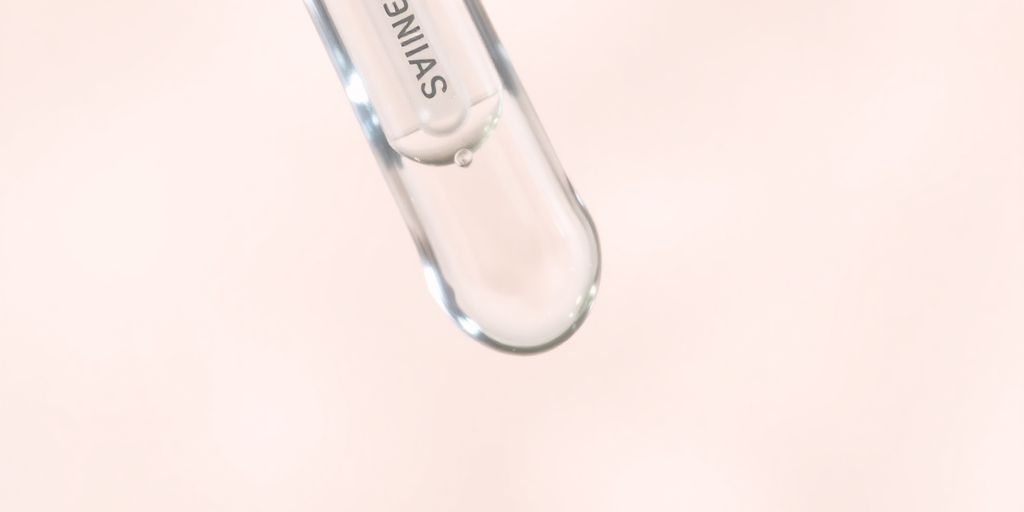
Hyaluronic acid is something already in your skin, and it’s really good at holding onto moisture. Think of it like a super sponge for your face! It helps keep your skin hydrated and looking plump.
Hyaluronic acid draws in and holds water to hydrate the skin, which makes fine lines and wrinkles less noticeable. It also helps improves skin’s elasticity making it look tighter and softer.
Using hyaluronic acid is pretty straightforward. After washing your face, put on a hyaluronic acid serum before you apply your moisturizer, both in the morning and evening. It’s light, so it soaks right in and hydrates quickly.
Here’s a few things to keep in mind:
- It’s good for all skin types.
- It makes your skin barrier better.
- It enhances skin health.
It’s safe to say that hyaluronic acid works best at any age. However, the ability of skin cells to lock moisture and produce collagen decreases with age, and then hyaluronic acid becomes even more beneficial to human skin.
Learn more about Collagen Select skin treatment today by clicking here.
4. Peptides
Peptides are tiny chains of amino acids that form the building blocks of proteins like collagen and elastin and are great anti-aging-treatments. When you apply them topically, they nudge your skin into making more collagen, which helps firm up sagging spots and smooth out fine lines.
Peptides can kickstart your skin’s own repair process. They also help the barrier hold on to moisture, so your face feels plumper and softer.
| Peptide Type | Main Benefit | Typical Concentration |
|---|---|---|
| Palmitoyl Pentapeptide-4 | Boosts firmness | 2% |
| Acetyl Hexapeptide-8 | Softens wrinkles | 3–5% |
| Copper Peptides | Aids repair | 0.5–1% |
Here’s a quick list to get the most out of your peptide serum or cream:
- Apply on clean, dry skin, both morning and night.
- Let it absorb fully before layering your moisturizer.
- Pair with a gentle sunscreen during the day.
- Start slow—patch-test any new formula first.
Remember, consistency matters. A little bit every day adds up over weeks.
For more on using skincare peptides in your routine, look for serums or moisturizers that include them. Over time, you’ll notice fewer creases and a more even texture.
5. Antioxidants
We hear about them all the time, right? But what do they actually do? Basically, they’re like tiny bodyguards for your cells. They fight off these nasty things called free radicals, which can damage your cells and speed up aging. Think of it like this: if your cells are apples, free radicals are what make them turn brown and wrinkly. Antioxidants keep them fresh.
Antioxidants neutralize free radicals, protecting your skin and overall health.
Incorporating antioxidants into your routine, whether through diet or skincare, is a solid move for long-term health. It’s not a magic bullet, but it’s a good step in the right direction.
Here’s a few ways to get more antioxidants:
- Eat colorful fruits and veggies: Berries, spinach, kale – the brighter, the better. Foods high in antioxidants are your friends.
- Consider supplements: If you’re not getting enough through diet alone, supplements like Vitamin C or selenium can help.
- Use antioxidant-rich skincare: Serums and creams with ingredients like Vitamin C, E, and ferulic acid can protect your skin from environmental damage.
It’s also worth noting that while antioxidants are great, you can overdo it. Too much of a good thing can sometimes backfire, so it’s always best to aim for balance. And remember, antioxidants work best as part of a healthy lifestyle, not as a replacement for it. Think of them as a helpful addition to your overall wellness plan.
6. Sunscreen
Okay, so sunscreen. We all know we should be using it, but how many of us actually do, every single day? Probably not enough! And it’s not just for beach days. Daily use is super important, even when it’s cloudy. Think of it as your everyday armor against aging.
Seriously, if you could only pick one anti-aging product, sunscreen should be it. It’s way more effective (and cheaper!) than a lot of fancy creams out there.
Sunscreen is the most effective way to prevent premature aging. It’s not just about wrinkles, either. We’re talking about preventing sunspots, sagging, and even skin cancer. So, let’s get into why it’s so important and how to choose the right one. Remember, daily sunscreen use is key!
Here’s a quick rundown:
- Apply it every day, rain or shine.
- Use a broad-spectrum sunscreen with an SPF of 30 or higher.
- Reapply every two hours, especially if you’re sweating or swimming.
7. Collagen Supplements
Okay, so collagen supplements are a big thing right now, and for good reason. Our bodies naturally produce collagen, which is like the glue that holds everything together – skin, joints, bones, you name it. But as we age, that production slows down, leading to wrinkles, achy joints, and all those other fun signs of getting older. That’s where supplements come in.
I’ve been trying them out for a few months, and honestly, I think I see a difference. My skin feels a bit more hydrated, and my knees don’t creak as much when I stand up. It’s not a miracle cure, but it’s definitely something I’m sticking with. There are tons of different types out there – powders, pills, gummies – so you can find one that fits your lifestyle. Just make sure to do your research and choose a reputable brand. I’ve been using a powder that I mix into my morning smoothie. It’s pretty tasteless, which is a huge plus.
I started taking collagen supplements because I was noticing more fine lines around my eyes. I figured it couldn’t hurt to try, and I’m glad I did. It’s an easy addition to my routine, and I feel like it’s making a difference in my skin’s overall appearance.
Here’s a quick rundown of what I’ve learned about collagen:
- Types: There are different types of collagen, but Type I and Type III are often recommended for skin health.
- Forms: You can find collagen in powders, pills, gummies, and even topical creams.
- Dosage: The recommended dosage varies, so it’s best to follow the instructions on the product label. I’ve found that collagen supplements can help with skin elasticity and hydration.
It’s also worth noting that some foods are naturally high in collagen, like bone broth and chicken skin. So, incorporating those into your diet can also be beneficial. But for me, the supplements are an easy and convenient way to boost my collagen intake. I’m not expecting to look 20 again, but I’m happy with the subtle improvements I’ve seen so far.
8. Ferulic Acid
Ferulic acid is a powerful antioxidant found in plants like rice bran and oats and is one of many great anti-aging-treatments. It’s become a popular ingredient in skincare because of its ability to fight free radicals, which contribute to skin aging. Basically, it helps protect your skin from environmental damage.
Ferulic acid works by neutralizing free radicals and reducing oxidative stress on skin cells. This can help diminish the appearance of wrinkles, fine lines, and age spots caused by things like UV rays and pollution. It’s like a shield for your skin!
I’ve been using ferulic acid for a few months now, and I’ve noticed a slight improvement in my skin’s overall brightness. It’s not a miracle worker, but it definitely seems to help protect against sun damage. I usually apply it in the morning before my sunscreen.
One of the coolest things about ferulic acid is that it can boost the effectiveness of other antioxidants, especially vitamins C and E. When used together, this combination provides extra protection for your skin, helping it look younger and healthier. You can find it in serums or creams that contain it.
Here’s a simple way to incorporate ferulic acid into your routine:
- Choose a serum or cream that contains ferulic acid.
- Apply it in the morning after cleansing your face.
- Follow with your regular moisturizer and sunscreen.
Ferulic acid is a great addition to any anti-aging skincare routine. It’s relatively gentle and can provide significant protection against environmental damage. Just remember to be consistent with your application to see the best results.
Learn more about Collagen Select skin treatment today by clicking here.
9. Green Tea Extract
I know, I know, it sounds like something your grandma would be into, but hear me out. It’s actually got some pretty cool stuff going on, especially when it comes to fighting off the effects of aging. I started drinking green tea a while back, and honestly, I think it’s made a difference. Plus, it’s a nice little ritual in the morning instead of just chugging coffee.
- First off, it’s packed with antioxidants. These little guys help protect your cells from damage caused by free radicals. Think of it like a shield for your body.
- Some studies suggest it can help with skin elasticity. Nobody wants saggy skin, right?
- It might even give your brain a boost. I’ve noticed I feel a bit more focused after my morning cup. Maybe it’s just the placebo effect, but I’ll take it!
I’ve been reading up on this stuff, and apparently, the key ingredient is something called EGCG. It’s a type of catechin, which is a fancy word for a plant-based antioxidant. EGCG is supposed to be super potent, and it’s what gives green tea extract its anti-aging superpowers. I’m not a scientist or anything, but it sounds pretty legit to me.
I’ve also heard that green tea supports cognition, which is a nice bonus. I mean, who doesn’t want to stay sharp as they get older? I’m not saying it’s a miracle cure or anything, but it’s definitely worth looking into. Plus, it’s a lot cheaper than some of those fancy creams and serums!
10. Coenzyme Q10
Coenzyme Q10, or CoQ10 as it’s often called, is something your body already makes and is one of many superior anti-aging-treatments you can use. It helps turn food into energy, which is pretty important. But as we get older, our bodies produce less of it. That’s where supplements and skincare products come in.
CoQ10 is an antioxidant, meaning it fights those pesky free radicals that can damage your skin and cause wrinkles. I’ve been reading up on it, and some studies suggest it can actually reduce wrinkles and improve skin texture. Who wouldn’t want that, right?
I’ve been trying to incorporate more antioxidants into my routine lately. It’s not just about looking younger; it’s about keeping your skin healthy. Plus, it’s supposed to help with overall energy levels, which I could definitely use.
I started taking a CoQ10 supplement a few weeks ago, and honestly, I think I’m noticing a difference. My skin feels a bit smoother, and I don’t feel quite as tired in the afternoons. It could be a placebo effect, but I’ll take it!
Here’s a quick rundown of why people are into CoQ10:
- It’s an antioxidant.
- May reduce wrinkles.
- Could improve skin texture.
- Helps with energy production.
I’m not a doctor, so definitely do your own research and talk to a professional before starting any new supplements. But from what I’ve seen, CoQ10 supplements seem like a promising addition to an anti-aging routine.
11. Niacinamide
Niacinamide, also known as vitamin B3, is a powerhouse ingredient in the fight against aging is one of many anti-aging-treatments that work. It’s known for its ability to improve skin health and appearance in a number of ways. I’ve been using it for a few months now, and I’ve definitely noticed a difference in my skin’s overall tone and texture. It’s not a miracle worker, but it’s a solid addition to any skincare routine.
Niacinamide is effective when used in concentrations of 2-5% in topical skin products for reducing fine lines and wrinkles, improving skin texture, and addressing hyperpigmentation.
Here’s a quick rundown of what niacinamide can do:
- Reduces the appearance of fine lines and wrinkles.
- Improves skin elasticity.
- Strengthens the skin barrier.
- Helps to even out skin tone and reduce dark spots.
One of the coolest things about niacinamide is that it helps boost collagen formation. This is super important as we age because our natural collagen production starts to slow down. By increasing collagen, niacinamide helps keep skin looking firm and youthful. I’ve also found that it helps control oil production, which is a major plus if you have oily or acne-prone skin. For treating skin hyperpigmentation and pigmentation disorders, niacinamide is a great option.
I typically use a niacinamide serum twice a day – once in the morning and once at night – after cleansing my face. It absorbs really quickly and doesn’t leave my skin feeling greasy. If you’re looking for a simple way to give your skin a boost, niacinamide is definitely worth checking out.
12. Alpha Hydroxy Acids
Alpha Hydroxy Acids, or AHAs, are basically exfoliating powerhouses and great anti-aging-treatments. They’re like the tiny scrub brushes for your face, but instead of scrubbing, they use acids to dissolve the bonds holding dead skin cells together. Think of it as a gentle peel, revealing fresher, brighter skin underneath.
AHAs aren’t just about sloughing off dead skin, though. They can also help with things like fine lines, wrinkles, and even skin tone. It’s like hitting the reset button for your face.
I remember when I first tried an AHA serum. I was a bit nervous because I have pretty sensitive skin, but I started with a low concentration and only used it a couple of times a week. The next morning, my skin felt noticeably smoother, and it looked like I had a healthy glow. Now, I’m hooked! Just remember to wear sunscreen, because AHAs can make your skin more sensitive to the sun.
Here’s a quick rundown of some common AHAs:
- Glycolic Acid: Probably the most well-known AHA, derived from sugarcane.
- Lactic Acid: A milder option, derived from milk, great for sensitive skin.
- Mandelic Acid: Even gentler than lactic acid, derived from almonds.
13. Omega-3 Fatty Acids
So, omega-3s. We’ve all heard about them, right? But what’s the big deal when it comes to aging? Well, let me tell you, they’re more than just a health food fad. They’re actually pretty important for keeping things running smoothly as we get older.
- First off, omega-3s are fantastic for your heart. They help keep your blood pressure in check and can lower those bad cholesterol levels. Think of them as tiny bodyguards for your cardiovascular system.
- Secondly, they’re great for your brain. As we age, keeping our minds sharp is a top priority. Omega-3s, especially DHA, are key components of brain cell membranes.
- Third, they have anti-inflammatory properties. Chronic inflammation is a major player in aging and age-related diseases. Omega-3s can help combat this, keeping you feeling younger and more vibrant.
I started taking omega-3 supplements a few years ago, and honestly, I’ve noticed a difference. My joints feel less stiff, and I just feel more mentally alert. It’s not a miracle cure, but it’s definitely a worthwhile addition to my routine.
And it’s not just supplements. You can get omega-3s from foods like salmon, flaxseeds, and walnuts. So, whether you prefer popping a pill or adding some fish to your diet, incorporating omega-3s is a smart move for healthy aging.
14. Chemical Peels
So, chemical peels. I’ve always been a little scared of them, to be honest. The name just sounds so intense! But, I’ve been doing some reading, and they actually are anti-aging-treatments. if you’re trying to tackle some serious skin issues. Basically, they involve applying a chemical solution to your skin, which exfoliates the top layers. This improves skin tone and texture, and can even reduce the appearance of wrinkles and scars.
The thing to remember is that not all peels are created equal. You’ve got superficial peels, medium peels, and deep peels. The deeper you go, the more dramatic the results, but also the more downtime you’re looking at. So, it’s definitely something to discuss with a dermatologist to figure out what’s right for you.
Here’s a few things to keep in mind if you’re considering a chemical peel:
- Type of Peel: Decide what kind of peel is best for your skin type and concerns. Superficial peels are good for mild issues, while deeper peels address more significant problems.
- Recovery Time: Be prepared for some downtime. Your skin might be red, peeling, and sensitive for a few days (or even weeks, depending on the depth of the peel).
- Sun Protection: Sunscreen is non-negotiable after a chemical peel. Your skin will be extra vulnerable to sun damage, so slather on that SPF!
Wrapping It Up
Aging is a part of life, and while we can’t stop it, we can definitely slow it down. The treatments and ingredients we’ve talked about can help keep your skin looking fresh and vibrant. Whether you go for vitamin C, retinoids, or even some natural oils, the key is to find what works for you. Don’t forget the basics like hydration and sunscreen, they’re game changers. Stick to a routine that fits your skin’s needs, and remember, consistency is everything. So, take care of your skin, and it will take care of you! You may also want to look into the best acne treatment for teenagers if you have one or are one.
Frequently Asked Questions
What is the role of Vitamin C in anti-aging?
Vitamin C helps fight aging by protecting the skin from damage, boosting collagen, and brightening your skin tone.
How do retinoids benefit my skin?
Retinoids speed up skin cell renewal, increase collagen, and smooth out your skin, which helps reduce wrinkles.
What does hyaluronic acid do for my skin?
Hyaluronic acid keeps your skin hydrated by attracting moisture, making it look plump and youthful.
Can antioxidants help with aging?
Yes, antioxidants protect your skin from harmful substances and help keep it healthy, which can slow down aging.
Why is sunscreen important for anti-aging?
Sunscreen protects your skin from harmful UV rays, which can cause premature aging and skin damage.
How do I incorporate these ingredients into my skincare routine?
Start by cleansing your face, then apply serums with active ingredients, follow with a moisturizer, and always finish with sunscreen.
Learn more about Collagen Select skin treatment today by clicking here.
You may also find this Nutrition Geeks guide helpful: What Is a Stride in Running? A Beginner’s Guide to Technique and Benefits.
You may also find this Nutrition Geeks guide helpful: How Often Should I Drink Herbalife Aloe for Optimal Hydration and Digestion?.
You may also find this Nutrition Geeks guide helpful: Unlock Your Wellness Potential with Herbalife Omega 3: A Deep Dive.