Disclosure: This post may contain affiliate links, meaning if you decide to make a purchase through my links I may earn a commission at no additional cost to you. See my disclosure for more info.
So, are Herbalife shakes healthy? It’s a question many people ask when they see the products or hear about the company. Herbalife has been around for a while, promising weight loss and better nutrition. But when you look closer, things get a bit murky. We’re going to unpack what’s really in these shakes and what the company is all about.
Key Takeaways
- Herbalife’s Formula 1 shake is marketed as a meal replacement, but its nutritional profile is similar to other less-than-ideal options and may not keep you full.
- The company operates on a multi-level marketing (MLM) model, which has led to accusations of being a pyramid scheme and has resulted in significant fines.
- There are documented concerns and reported cases linking Herbalife products to serious health issues, including liver damage.
- Relying on meal replacements like Herbalife shakes for weight loss might not be sustainable long-term and could disrupt natural hunger signals.
- Lack of transparency regarding ingredients and potential interactions, coupled with mixed user reviews and pressure from distributors, makes it hard to trust Herbalife products for health.
Understanding Herbalife’s Nutritional Claims
The Formula 1 Meal Replacement Shake
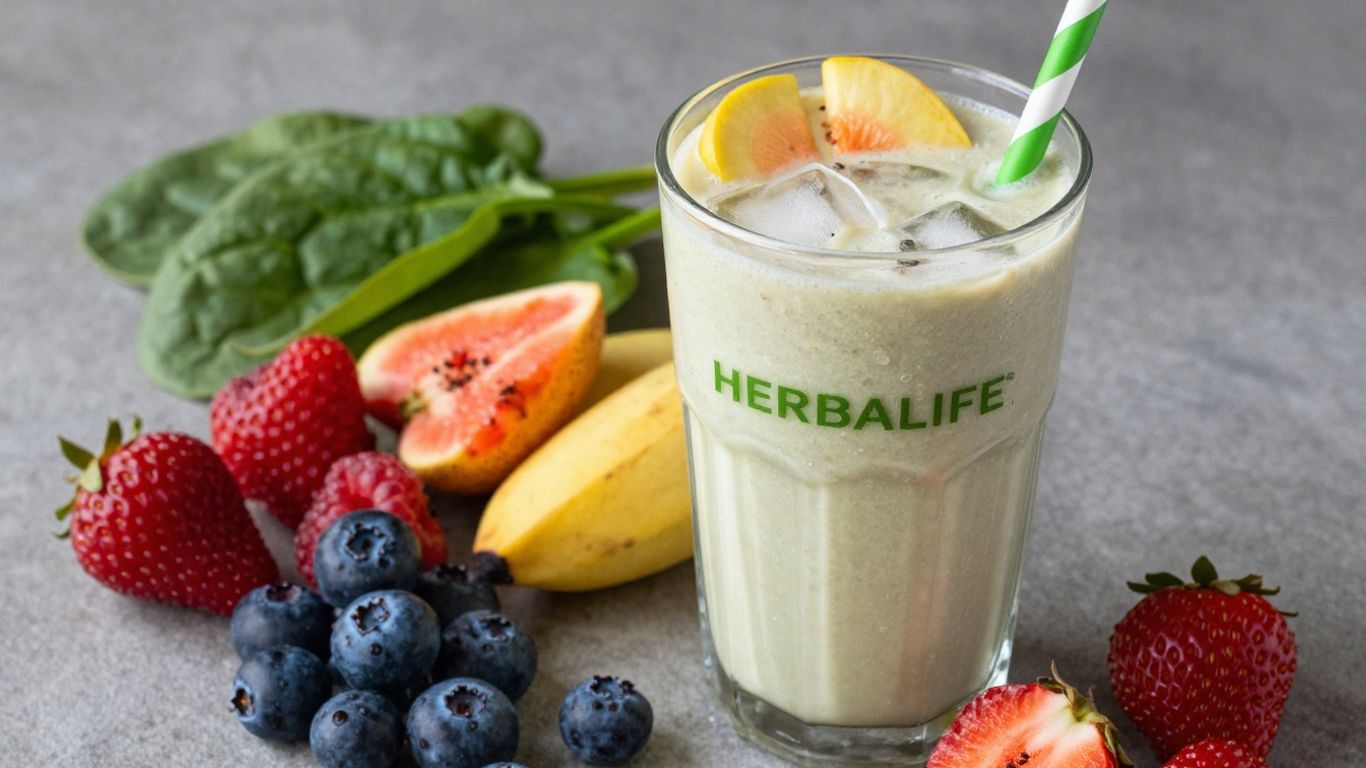
Herbalife’s flagship product is the Formula 1 shake, marketed as a healthy meal replacement. It’s designed to be a convenient way to get a mix of nutrients when you’re short on time or trying to manage your calorie intake. The idea is simple: swap out a regular meal for this shake, and you’re on your way to a healthier you, or so they say. It’s positioned as a quick fix for busy lifestyles and weight management goals.
Explore more NutritionGeeks guides related to wellness, recovery, nutrition and active lifestyle support.
Nutritional Breakdown of Formula 1
So, what’s actually in this shake? A typical serving of Formula 1, when mixed with milk or a milk alternative, aims to provide a balance of protein, carbohydrates, and fats, along with vitamins and minerals. It often includes soy protein isolate for protein, various sugars for carbs, and a blend of vitamins and minerals like Vitamin C, Vitamin D, calcium, and iron. It’s also usually fortified with fiber.
Here’s a general look at what you might find in a standard serving (values can vary by flavor and preparation):
More NutritionGeeks Wellness Guides
Explore more NutritionGeeks guides connected to wellness, recovery, hydration, energy, sleep and active lifestyle nutrition.
| Nutrient | Approximate Amount |
|---|---|
| Calories | 200-300 kcal |
| Protein | 15-25 g |
| Carbohydrates | 20-30 g |
| Sugars | 10-20 g |
| Fat | 5-10 g |
| Fiber | 3-5 g |
It’s important to note that many flavors contain added sugars and artificial sweeteners or flavors, which some people prefer to avoid. The vitamin and mineral content is often quite high, sometimes exceeding 100% of the daily recommended intake for certain nutrients.
Comparison to Other Meal Replacement Shakes
When you look at other meal replacement shakes on the market, Herbalife’s Formula 1 isn’t wildly different in its basic premise. Many shakes aim to offer a controlled calorie count, a decent amount of protein, and a spectrum of vitamins and minerals. However, the devil is often in the details. Some shakes might offer more fiber, fewer added sugars, or use different protein sources like whey or pea protein instead of soy. The ingredient list is where you’ll see the biggest differences, with some brands being more transparent about their sources and avoiding artificial additives. Herbalife’s shakes are often praised for their taste and mixability, but they also tend to be on the pricier side compared to some generic or store-brand options. Ultimately, the
Examining the Business Model and Its Implications
When we talk about Herbalife, it’s impossible to ignore how the company actually sells its products. They use a multi-level marketing, or MLM, structure. This means that people who sell Herbalife products, called independent distributors, don’t just earn money from selling shakes and supplements themselves. They also earn commissions based on the sales made by people they recruit into the business. This creates a complex network where success is tied not only to personal sales but also to building a downline of other sellers.
Herbalife’s Multi-Level Marketing Structure
Herbalife operates on a multi-level marketing model, rewarding both top sales performers and those who recruit and retain new distributors. This structure is central to understanding the company’s financial dynamics and its reported net worth. Essentially, distributors are encouraged to be both consumers and sellers, and to recruit others to do the same. The idea is that everyone can build their own business, but the reality can be quite different for many.
Independent Distributors and Commissions
As an independent distributor, your income comes from a couple of places. First, there’s the profit you make from selling products directly to customers. Second, and this is where the ‘multi-level’ part comes in, you earn bonuses and commissions based on the sales volume of the people you’ve brought into the company. This can create a strong incentive to focus more on recruiting than on actual product sales to end consumers. It’s a system that has been around for a while, and it’s how Herbalife has grown globally.
Accusations of Pyramid Scheme Practices
Because of this structure, Herbalife has faced serious accusations over the years, with critics suggesting their business model resembles a pyramid scheme. The main argument is that in a true pyramid scheme, the primary way people make money is by recruiting new members, not by selling actual products. While Herbalife maintains it’s a legitimate MLM business where earnings are tied to product sales, the lines can get blurry. Many distributors might find themselves buying more products than they can sell or use, just to maintain their status or earn commissions from their downline.
The focus on recruitment and the potential for distributors to earn more from their downline’s sales than their own can lead to a situation where the business opportunity itself becomes the main product, rather than the nutritional supplements. This is a key point of contention for many who scrutinize the company’s operations.
Here’s a simplified look at how the earnings can be structured:
- Direct Sales: Profit from selling products directly to customers.
- Downline Commissions: Percentage of sales made by distributors you’ve recruited.
- Bonuses: Additional incentives for hitting certain sales targets or recruitment goals.
It’s a system that requires a lot of effort, and not everyone who joins ends up making significant money. In fact, many distributors end up earning very little, or even losing money, after accounting for their product purchases and other expenses.
Potential Health Risks Associated with Herbalife
Reported Cases of Liver Damage
It’s pretty concerning, but there have been reports linking Herbalife products to serious liver issues. Some studies have pointed to specific bacteria, like Bacillus subtilis, found in these supplements as a potential culprit. This isn’t just a minor upset; we’re talking about cases of liver injury, including cirrhosis. It makes you wonder what exactly is in these shakes if they can cause that kind of damage. It’s definitely not something you’d expect from a product marketed as healthy.
Contaminants and Ingredient Concerns
Beyond the specific bacteria, there’s a broader worry about what else might be lurking in Herbalife products. Some research has suggested the presence of heavy metals and other toxic compounds. Plus, there have been accusations of bacterial contamination. This lack of clarity about ingredients is a big red flag. You’re essentially putting something into your body without a clear understanding of its full composition, which can be risky.
Links to Severe Health Issues and Death
This is the most serious part, and it’s something that can’t be ignored. In some unfortunate instances, the use of Herbalife products has been associated with severe health problems, and even death. While these are extreme cases, they highlight the potential dangers that can arise from consuming these supplements. It’s a stark reminder that what seems like a simple meal replacement could have unforeseen and devastating consequences for some individuals.
The Effectiveness of Meal Replacement for Weight Loss
So, let’s talk about meal replacement shakes and weight loss. It’s a big part of what Herbalife pushes, right? The idea is simple: swap out a regular meal for a shake, cut calories, and boom, you’re on your way to shedding pounds. And yeah, for a short time, it can work. Replacing a calorie-dense meal with a low-calorie shake can create that calorie deficit needed to see the number on the scale drop.
Short-Term Calorie Reduction vs. Long-Term Sustainability
Look, cutting calories is the basic math of weight loss. If you eat fewer calories than you burn, you lose weight. A shake like Herbalife’s Formula 1, when mixed with skim milk, comes in at around 170 calories. That’s definitely less than many typical breakfast or lunch meals. But here’s the catch: is that sustainable? Most people find that relying solely on shakes leaves them feeling hungry way before their next scheduled meal. This often leads to snacking on less healthy options or overeating later in the day, undoing any calorie savings. It’s like trying to build a house with only half the materials – it might stand for a bit, but it’s not going to last.
Impact on Hunger and Compensatory Eating
This is where things get tricky. Shakes, especially those that are low in protein and fiber, don’t keep you feeling full for very long. Protein and fiber are your friends when it comes to satiety. Without them, your stomach might be empty, but your brain is still sending out hunger signals. This can trigger what’s called ‘compensatory eating’ – basically, you eat more later to make up for feeling deprived. It’s a common trap with meal replacements. You might feel good for an hour after the shake, but by mid-morning, you’re ravenous, and that healthy salad you planned suddenly looks less appealing than a bag of chips.
Disruption of Natural Hunger Cues
Our bodies are pretty smart. They have natural signals for hunger and fullness. Eating whole foods, with their varied textures and chewing requirements, helps train these signals. When you consistently replace meals with a liquid that’s quickly consumed, you can mess with this system. It’s like teaching your body to expect instant gratification. Over time, this can make it harder to recognize when you’re truly hungry or when you’ve had enough to eat. This disruption can contribute to a less healthy relationship with food and potentially lead to cycles of yo-yo dieting, which nobody wants.
Relying heavily on meal replacement shakes for weight loss might offer a quick calorie reduction, but it often fails to address the underlying habits and biological signals that contribute to long-term weight management. The focus on liquid calories can disrupt natural hunger cues and lead to compensatory eating, making sustained success difficult for many individuals.
Here’s a quick look at what a typical Formula 1 shake might contain:
| Nutrient | Amount (per serving with skim milk) |
|---|---|
| Calories | ~170 |
| Protein | ~17g |
| Carbohydrates | ~23g |
| – Added Sugars | ~5g |
| Fat | ~1g |
Transparency and Ingredient Scrutiny
When you’re looking at any food or supplement, especially one you’re planning to consume regularly, you want to know what’s actually in it, right? It’s a pretty basic expectation. With Herbalife, though, getting a clear picture of the ingredients can sometimes feel like a bit of a puzzle. The company has faced questions about how open they are about what goes into their products.
Lack of Transparency in Product Ingredients
It’s not always straightforward to find a complete, easy-to-understand list of every single ingredient in Herbalife products. Sometimes, the labels can be a bit vague, or they might list ingredients using technical names that aren’t familiar to the average person. This can make it tough to know exactly what you’re putting into your body. For example, you might see "natural flavors" without a clear indication of what those flavors actually are. This lack of detail can be a concern for people who are trying to be mindful about their diet or who have specific dietary needs.
Potential Interactions with Medications
This is a big one. If you’re not entirely sure about all the components in a supplement, it’s hard to know if it might interfere with any medications you’re taking. Some herbs or compounds can have real effects on how drugs work in your body, sometimes making them less effective or even causing unwanted side effects. It’s a bit of a gamble if the ingredient list isn’t crystal clear. Always, always talk to your doctor if you’re on medication and considering adding a new supplement to your routine.
Identifying Allergens and Sensitivities
For folks with allergies or sensitivities, ingredient lists are super important. If a product contains something you’re allergic to, like soy, dairy, or certain nuts, you need to be able to spot it easily. When ingredient information is less than clear, it raises the risk of an accidental reaction. This is especially true for products that are processed in facilities that handle multiple allergens, where cross-contamination can be a concern, even if the main ingredients are listed clearly.
The push for more control over their supply chain, including building their own extraction facilities for botanicals, suggests Herbalife is aware of the need for better oversight. However, the end consumer still needs to be able to easily access and understand the final product’s composition to make informed choices about their health.
User Experiences and Mixed Reviews
So, what are people actually saying about these Herbalife shakes? It’s a mixed bag, honestly. You’ll find folks who swear by them, and others who’ve had less than stellar experiences. It really seems to depend on the person, their goals, and how they’re using the product.
Pressure from Distributors
One thing that pops up a lot is the sales approach. Because Herbalife uses independent distributors, you might feel a bit of pressure to buy more than you initially intended. Some people find this pushy, especially if they’re just trying to figure out if the shakes are right for them. It’s important to remember you’re in charge of your purchases and should only buy what you feel you need.
Digestive Issues and Sensitivities
For some users, these shakes can cause tummy troubles. Things like bloating or general discomfort are reported. This could be due to specific ingredients, like soy or the fiber content, which can be a lot for sensitive systems. If you’ve got a delicate stomach, it might be wise to start with a small amount and see how your body reacts.
Varied Individual Results
Ultimately, how well these shakes work seems to vary a lot from person to person. Some people find they help with weight management and give them an energy boost, which is great. Others don’t see the results they hoped for, or find they don’t stay full for long after drinking one. It’s not a one-size-fits-all situation, and what works for your friend might not work for you.
- Convenience: Many users appreciate how quick and easy it is to prepare a shake, especially on busy mornings.
- Taste: While subjective, a good number of people enjoy the flavors offered.
- Weight Management: Some report success in losing or maintaining weight when using the shakes as part of a broader plan.
- Cost: For some, the price point can be a significant drawback compared to other options.
It’s really about managing expectations. These shakes can be a tool, but they aren’t a magic fix. Combining them with a balanced diet and regular exercise is usually key to seeing any real, lasting changes.
So, What’s the Verdict?
After digging into Herbalife, it’s clear that the picture isn’t as rosy as the marketing suggests. While some folks might see short-term results, the long-term health implications and the company’s business practices raise some serious red flags. We’ve seen reports linking their products to health issues, and the whole multi-level marketing setup can feel pretty pushy. Ultimately, whether you choose to use Herbalife is your call, but it’s super important to go into it with your eyes wide open. Do your homework, read those labels, and really think about what you’re putting into your body. There are definitely safer, more straightforward ways to work towards your health goals without all the extra drama.
Frequently Asked Questions
What exactly is Herbalife’s Formula 1 shake?
Herbalife’s Formula 1 shake is promoted as a meal replacement. It’s a powder that you mix with milk or water. The company suggests using it to help people lose weight by replacing regular meals with this shake.
Is drinking Herbalife shakes a good way to lose weight in the long run?
While replacing a meal with a shake can cut calories initially, it’s generally not a sustainable plan for long-term weight loss. These shakes might leave you feeling hungry sooner, potentially leading to eating more later. They can also mess with your body’s natural hunger signals, which isn’t healthy.
Has Herbalife had any legal trouble?
Yes, Herbalife has faced serious accusations. In 2016, they had to pay a large sum of money to settle charges that they were operating as a pyramid scheme and misleading people about how much money they could earn.
Are there any health risks linked to Herbalife products?
There have been reports of people experiencing serious health problems after using Herbalife products, including liver damage. Some studies have pointed to potential contaminants or ingredients in the products that could be harmful.
Is it safe to take Herbalife if I’m on medication?
It’s really important to be careful. Herbalife products contain various herbal extracts. These could potentially interact with medications you might be taking. It’s always best to talk to your doctor before using these products if you’re on any prescriptions.
Why do some people have different experiences with Herbalife?
People react differently to supplements. Some users might feel pressured by sellers to buy more. Others might have digestive issues because of certain ingredients. Plus, how well it works can depend on your personal diet, exercise, and overall health.
You may also find this Nutrition Geeks guide helpful: Online Coaching Fitness and Diet Plan Combo.
You may also find this Nutrition Geeks guide helpful: Revitol Cellulite Solution: Unveiling the Natural Approach to Smoother Skin.
You may also find this Nutrition Geeks guide helpful: NuviaLab Meno: Expert Reviews and Real Customer Insights for Menopause Support in 2026.
You may also find this Nutrition Geeks guide helpful: Unlock 20 Amazing Health Benefits of Cucumber for a Fresher You.
You may also find this Nutrition Geeks guide helpful: Unpacking the Herbalife Supervisor Salary: What You Can Expect to Earn.