Disclosure: This post may contain affiliate links, meaning if you decide to make a purchase through my links I may earn a commission at no additional cost to you. See my disclosure for more info.
Are you searching for the best supplement for mental clarity? Feeling like your brain is stuck in a fog lately? You’re not alone. Many of us deal with those moments where focus feels impossible and remembering things is a struggle. While a healthy lifestyle is key, sometimes we need a little extra support.
Supplement note: This guide is for educational purposes only and is not medical advice. Always speak with your doctor before using supplements, especially if you are pregnant, nursing, taking medication, or managing a medical condition.
Explore our focus supplement resources for evidence-based supplement comparisons, product guides, and practical wellness information.
This post looks at some of the best supplement for mental clarity options out there, exploring what might help you get back to feeling sharp and focused. We’ll break down some common nutrients and compounds that people turn to when they want to give their brain a boost.
Explore more guides related to natural energy, focus, mental clarity and daily performance support.
Best Supplement for Mental Clarity Post Takeaways
- Omega-3 fatty acids, found in fish oil, may help with memory and attention, and can also improve mood, potentially reducing brain fog related to anxiety or depression.
- Magnesium is important for brain function and nerve health; not getting enough can lead to concentration issues and brain fog. Supplementation might help.
- Vitamin B12 is vital for brain health, and low levels can cause problems with memory and focus which matter in endurance sports and everyday life. A B-complex supplement could be beneficial.
- Vitamin D plays a role in brain health, and some studies suggest it can improve learning and memory. Ensuring adequate levels might be helpful.
- L-Theanine, found in green tea, may help improve alertness, memory, and reduce stress, which can indirectly help with brain fog.
Back to Our List of Supplement Guides
1. Omega-3 Fatty Acids
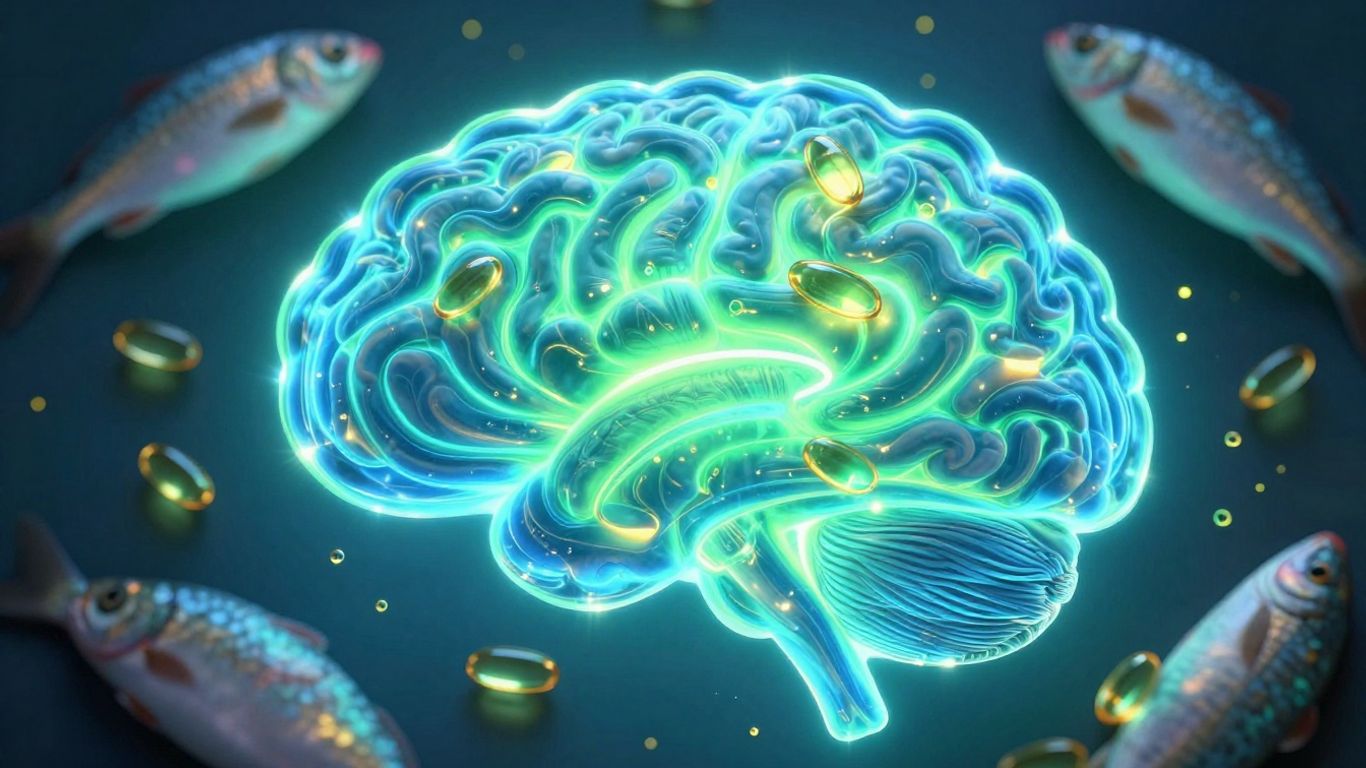
You know, when we talk about brain health, omega-3 fatty acids often come up. And for good reason! These are the good fats, the ones our bodies can’t make on their own, so we really need to get them from our diet or supplements. Think of them as building blocks for your brain cells.
More NutritionGeeks Wellness Guides
Explore more NutritionGeeks guides connected to wellness, recovery, hydration, energy, sleep and active lifestyle nutrition.
The two main players here are EPA and DHA. DHA is super important because it’s a major part of your brain’s structure, kind of like the foundation of a house. It helps keep your brain cells working right and is involved in things like memory and learning.
EPA, on the other hand, is more about keeping inflammation in check. Brain inflammation isn’t good for anyone, and EPA seems to help calm that down. This could be why some studies suggest omega-3s might help with mood, like reducing feelings of distress [b818].
It’s a bit of a balancing act, though. Many Western diets have way more omega-6s than omega-3s, and we actually want a better ratio, closer to 2:1. Getting enough omega-3s can be tricky, but fatty fish like salmon and mackerel are great sources. If fish isn’t your thing, you can also find them in things like flaxseeds and chia seeds.
Here’s a quick look at what omega-3s do:
- Support brain cell structure (especially DHA)
- Help with memory and learning
- Reduce brain inflammation (thanks, EPA!)
- May help improve mood
Some research suggests that taking around 1 gram of fish oil daily, sometimes with other nutrients, might lead to better memory and mood, and even fewer mistakes on memory tests. It’s not a magic bullet for everyone, as some studies haven’t shown a big difference, but the potential is definitely there for supporting overall cognitive function.
2. Magnesium
Magnesium is a mineral that your body needs for a lot of things, like making energy and keeping your nerves working right. It’s found in foods like leafy greens, nuts, and beans.
A lot of people don’t get enough magnesium, and that can actually mess with your brain function, leading to that foggy feeling, trouble focusing, and even memory issues. Stress is a big culprit here too, as it can zap your magnesium levels and worsen cognitive problems.
Getting enough magnesium is super important for keeping your brain sharp.
Studies have shown that people with higher magnesium levels tend to do better on tests measuring attention and memory. It seems like magnesium helps protect your brain and might even reduce the risk of cognitive decline as we get older. Some research even suggests it could help with anxiety and depression, which often go hand-in-hand with brain fog.
Here’s a quick look at how magnesium helps:
- Supports nerve signal transmission.
- Aids in energy production within brain cells.
- Plays a role in regulating neurotransmitters.
It’s worth noting that not all forms of magnesium are absorbed the same way. Magnesium L-threonate, for example, has shown promise in studies for its ability to cross the blood-brain barrier and potentially improve cognitive functions.
When considering supplements, always look for third-party testing or a certificate of analysis. Also, chat with your doctor before starting anything new, just to be safe and make sure it won’t interfere with any medications you’re already taking.
3. Vitamin B12
You know, sometimes it feels like my brain is just running on fumes, especially when I’m trying to focus on a big project. That’s where Vitamin B12 comes into the picture. It’s one of those unsung heroes for brain health. This vitamin is absolutely vital for keeping your nervous system humming along smoothly. Without enough of it, things can get a bit fuzzy, and that’s the last thing you want when you need to be sharp.
Vitamin B12 is involved in a bunch of important jobs in the body, including making red blood cells and DNA. But for our purposes here, its role in brain function is what really stands out.
It helps create and maintain the myelin sheath, which is like the protective coating around your nerve fibers. Think of it like the insulation on an electrical wire – it helps signals travel faster and more efficiently. When that insulation is compromised, signals can get scrambled, leading to slower thinking and memory issues.
As we get older, our bodies sometimes have a harder time absorbing B12 from food. This can happen for various reasons, like changes in stomach acid or taking certain medications. That’s why deficiencies can become more common in older adults, potentially impacting cognitive abilities.
Getting enough B12 is pretty straightforward if you eat a balanced diet, especially if you include animal products like meat, fish, eggs, and dairy. However, if you’re vegetarian or vegan, or if you suspect you might not be getting enough, supplementation is a really good idea. It’s generally considered safe and can make a noticeable difference in how clear-headed you feel.
Here are a few reasons why B12 is a big deal for your brain:
- Nerve Signal Transmission: It’s key for keeping those nerve signals firing on all cylinders.
- Red Blood Cell Formation: These cells carry oxygen to your brain, which is pretty important for thinking.
- Mood Regulation: Some research suggests a link between B12 levels and mood, which can definitely affect your mental clarity.
- Homocysteine Levels: B12, along with folate and B6, helps manage homocysteine, an amino acid that, when too high, has been linked to cognitive problems.
4. Vitamin D
You know, that sunshine vitamin? Turns out, it’s pretty important for more than just strong bones. Vitamin D plays a role in how our brain works, and getting enough of it might help keep our thinking sharp. It’s a bit of a bummer, but a lot of people, especially in places with less sun, don’t get enough. We’re talking about roughly 40% of folks in Europe, and it gets worse in the winter.
Getting enough vitamin D is linked to better brain function.
So, what’s the deal? Vitamin D is involved in brain cell signaling and can even help protect brain cells. When levels are low, it’s been associated with a higher chance of problems like dementia and Alzheimer’s.
Some studies have even shown that people with low vitamin D were significantly more likely to develop dementia compared to those with adequate levels. It’s not just about avoiding deficiency; it’s about keeping your brain running smoothly.
Here’s a quick look at why it matters:
- Brain Health: Vitamin D receptors are found all over the brain, suggesting it has widespread effects.
- Cognitive Function: Adequate levels are thought to support memory and thinking skills.
- Mood Regulation: Low vitamin D has been linked to mood issues, which can indirectly affect clarity.
It’s recommended that adults aim for about 1500–2000 IU daily, and sometimes even up to 4000 IU can be fine. You can get it from sunlight, certain foods like fatty fish, and of course, supplements. If you’re concerned about your levels, it’s always a good idea to chat with your doctor. They can check your vitamin D status and help you figure out the best approach for you. Remember, while supplements can help, they aren’t a magic bullet, and real-world evidence on their direct impact on cognitive function can be mixed [f9e4].
Maintaining good vitamin D levels is a simple step that can have a noticeable impact on how clear your head feels day-to-day.
5. L-Theanine
Ever feel like your brain is running on fumes? L-Theanine might be something to look into. It’s an amino acid that’s naturally found in tea leaves, especially green tea. People often take it to help them relax without feeling drowsy. It’s known for promoting a state of calm alertness.
So, how does it work? L-Theanine seems to cross the blood-brain barrier and can influence brain waves. It’s thought to increase levels of certain neurotransmitters like GABA, serotonin, and dopamine, which play roles in mood, focus, and relaxation. This can lead to that feeling of being more focused yet relaxed.
Here’s a quick rundown of what L-Theanine is often associated with:
- Promotes relaxation: Helps take the edge off without making you sleepy.
- Improves focus: Can help you concentrate better on tasks.
- Reduces stress: Many people find it helps them feel less anxious.
- Supports sleep quality: While it doesn’t make you drowsy, it can help prepare your mind for rest.
It’s pretty interesting how something found in a simple cup of tea can have these effects. Many supplements combine L-Theanine with caffeine, often from green tea extract, to get a synergistic effect – the caffeine provides the energy boost, and L-Theanine smooths out any jitters, leading to a more focused kind of energy. It’s a popular choice for students or anyone needing to buckle down and get work done.
While L-Theanine is generally considered safe, it’s always a good idea to chat with your doctor before starting any new supplement, especially if you have existing health conditions or are taking other medications. They can help you figure out if it’s the right fit for you and what dosage might be appropriate.
6. Vitamin C
You know, sometimes I forget how important the simple stuff is. Like Vitamin C. We all know it’s good for colds, right? But it turns out this little vitamin does a lot more for your brain than just keeping the sniffles away.
Vitamin C is a powerhouse antioxidant that helps protect your brain cells from damage. Think of it like a tiny bodyguard for your neurons, fighting off those pesky free radicals that can mess with your thinking. When your brain is under stress, this antioxidant action can really make a difference in how well you focus and remember things.
It’s also involved in making some pretty important brain chemicals, like dopamine and noradrenaline. These are the neurotransmitters that help you feel alert and motivated. So, if your Vitamin C levels are low, it’s not just your immune system that might feel it; your mood and focus could take a hit too.
Studies have actually linked low Vitamin C levels to problems with attention, concentration, and even memory. It’s kind of wild to think that a simple vitamin deficiency could lead to that foggy feeling. Some research even suggests that boosting your Vitamin C intake can help improve mood, especially in people who are feeling down.
Maintaining good levels of Vitamin C seems to be a good idea for keeping your brain sharp as you get older. It might even help protect against some of the cognitive issues that can come with age.
So, while it’s not a magic bullet, making sure you’re getting enough Vitamin C – whether through foods like oranges and bell peppers or a supplement – could be a simple step towards better mental clarity and a brighter mood.
7. B Complex Vitamins
You know, sometimes it feels like my brain is just running on fumes. That’s where B complex vitamins come in. They’re like the unsung heroes for your brain, helping with all sorts of important jobs. Think of them as tiny helpers that keep your nerve cells happy and talking to each other properly.
These vitamins are involved in making neurotransmitters, which are basically the chemical messengers in your brain. They also help keep the protective coating around your nerves, called myelin, in good shape. This is super important for fast and clear thinking. When you don’t get enough B vitamins, especially B6, B12, and folate (that’s B9), things can get a bit fuzzy. Your memory might not be as sharp, and focusing can feel like a chore.
Here’s a quick rundown of why they matter:
- Energy Production: They help your body turn food into energy, which your brain definitely needs to function.
- Neurotransmitter Synthesis: They’re key players in creating the chemicals that allow brain cells to communicate.
- Nerve Health: They support the maintenance of myelin, which speeds up brain signals.
- Homocysteine Levels: Certain B vitamins help keep levels of an amino acid called homocysteine in check. High levels have been linked to brain health issues.
It’s not just about feeling sharp today, either. Getting enough B vitamins, particularly as we get older, can really help slow down age-related cognitive decline. Some studies even suggest they can help reduce brain shrinkage and improve thinking skills, especially if you’re already seeing some mild changes. So, if you’re feeling a bit foggy or just want to give your brain a good support system, looking into a B complex supplement might be a good move. It’s a simple way to support your brain’s daily operations and long-term health.
8. Vitamin E
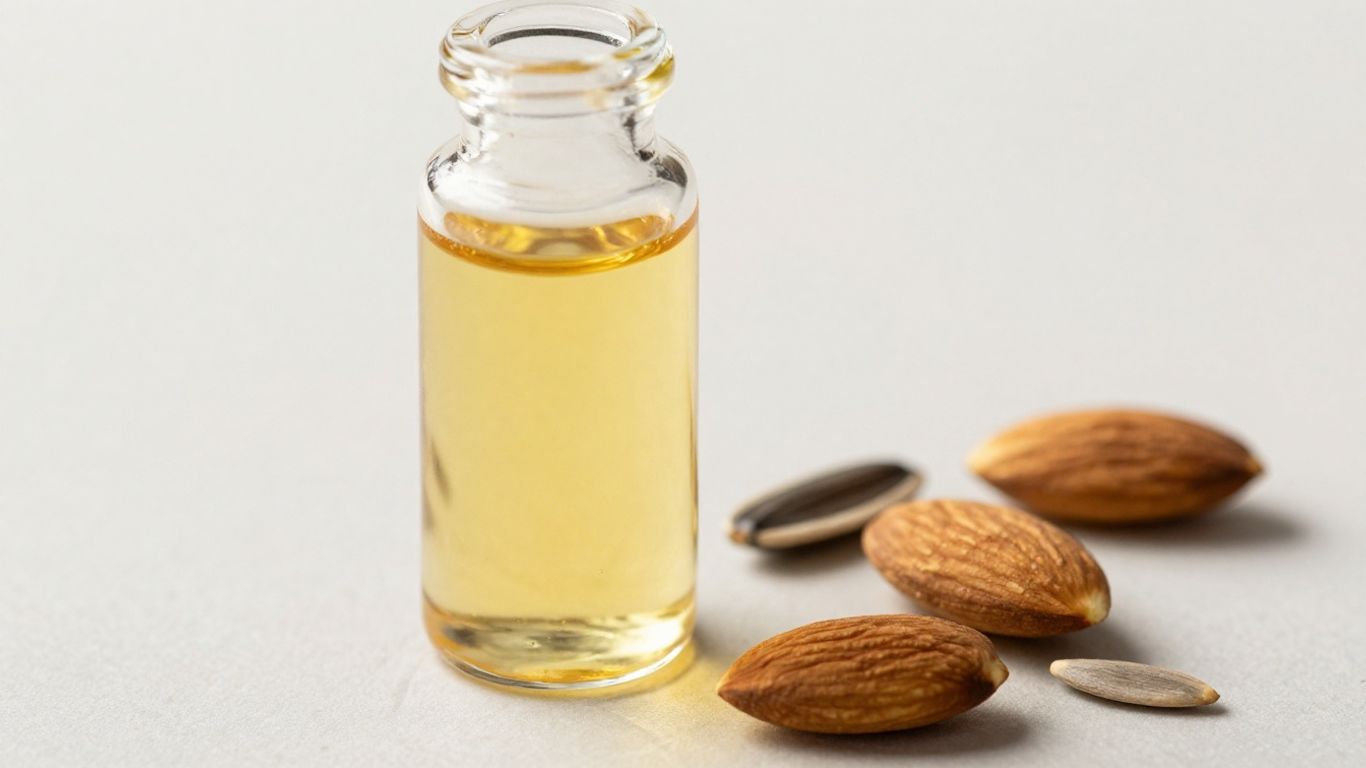
Vitamin E is a well-known antioxidant, and that’s a big deal for your brain. Think of it like a bodyguard for your brain cells, protecting them from damage caused by unstable molecules called free radicals. This kind of damage, known as oxidative stress, can really mess with how your brain works over time.
It’s particularly good at preventing something called lipid peroxidation, which is basically when fats in your cell membranes get damaged.
Since your brain is full of fatty membranes, keeping them healthy is super important for overall cognitive function. Some research suggests that people who get enough Vitamin E might have a lower risk of cognitive decline as they get older. It’s one of those nutrients that works with other antioxidants, like vitamin C and selenium, to give your brain extra protection.
While it’s found in foods like nuts, seeds, and vegetable oils, sometimes getting enough through diet alone can be tricky. If you’re looking to boost your intake, you might consider a supplement. A systematic review of studies involving many people showed that diets high in Vitamin E were linked to a slower rate of cognitive decline.
Here’s a quick look at some common sources:
- Sunflower seeds
- Almonds
- Spinach
- Avocado
- Wheat germ oil
It’s always a good idea to chat with your doctor before starting any new supplement, especially if you have existing health conditions or are taking other medications. They can help you figure out the right dosage for your needs and make sure it’s a good fit for you. Getting adequate vitamin E is a simple step that can contribute to maintaining brain health [07fd].
9. Lion’s Mane Mushrooms
You might have seen Lion’s Mane mushrooms popping up in health food stores or supplement aisles lately, and for good reason. These aren’t your average button mushrooms; they’ve got a unique look and some pretty interesting potential benefits for your brain.
Lion’s Mane is thought to support brain health by encouraging the growth of new nerve cells. It contains compounds called hericenones and erinacines, which are believed to stimulate something called nerve growth factor (NGF). NGF is super important for keeping your neurons healthy and growing. Think of it like fertilizer for your brain cells – it helps them communicate better and stay strong.
Beyond just growth, Lion’s Mane also seems to have anti-inflammatory properties. Inflammation in the brain isn’t great for cognitive function, so anything that helps calm that down could be a win. Some research suggests it might help protect against memory loss and improve overall cognitive performance.
Here’s a quick rundown of what people are looking at:
- Nerve Growth Stimulation: May help produce nerve growth factor (NGF).
- Reduced Inflammation: Potential to calm down brain inflammation.
- Cognitive Support: Some studies point to improvements in memory and focus.
- Mood Regulation: Early research hints at benefits for mood and anxiety.
While more human studies are definitely needed, the initial findings are promising. It’s definitely one to keep an eye on if you’re looking for natural ways to support your mental clarity and brain function. You can find it as a powder, capsule, or even in tinctures.
10. Curcumin
You might know curcumin as the main compound in turmeric, that bright yellow spice that gives curry its color. But it’s more than just a pretty color; curcumin has some serious potential when it comes to brain health. It’s a powerful antioxidant and anti-inflammatory agent, which is a big deal because inflammation and oxidative stress can really mess with your brain cells over time.
What’s really interesting is that curcumin can actually cross the blood-brain barrier. This means it can get right into the brain tissue and do its work. Studies have suggested that it might help improve memory and mood, especially in people who are starting to experience some age-related memory loss. It’s not a magic bullet, of course, but it’s a promising natural compound.
Here’s a quick look at what makes it stand out:
- Antioxidant Power: Fights off damaging free radicals in the brain.
- Anti-inflammatory Effects: Helps calm down brain inflammation.
- Blood-Brain Barrier Penetration: Can actually reach brain cells to offer protection.
- Mood and Memory Support: Some research points to benefits in these areas.
It’s often studied in combination with other things, like fish oil, and some trials have looked at its effects on cognitive performance. While more research is always good, the current findings are pretty encouraging for anyone looking to support their brain health naturally.
The active part of turmeric, curcumin, is known for its strong ability to fight inflammation and oxidative stress. These properties are thought to be key to its potential benefits for brain health, including protecting brain cells and possibly improving cognitive functions like memory and mood.
Closing Thoughts
So, I have talked about a bunch of different things that might help with mental clarity, from omega-3s to magnesium and even some B vitamins. It’s pretty clear that what works for one person might not be the same for another. Plus, remember that supplements aren’t magic pills; they work best when you’re already eating pretty well and taking care of yourself.
The biggest takeaway here is probably to chat with your doctor before you start anything new, especially if you’re on other meds or have health issues. They can help figure out if you actually need something and what the right dose would be. And don’t forget, a balanced diet and good sleep are still the heavy hitters when it comes to keeping your brain sharp.
Frequently Asked Questions
Are supplements really better than food for brain health?
For most people, eating whole foods is the best way to get nutrients. Food has a good mix of vitamins, fiber, protein, and healthy fats. Supplements can help fill in the gaps if you’re not getting enough of certain nutrients, but they can’t replace a balanced diet.
How much fish should I eat for omega-3s?
Eating about two 4-ounce servings of fatty fish like salmon or sardines each week is usually enough to get your omega-3s without too much mercury. If you’re pregnant, it’s a good idea to talk to your doctor about it.
What if I don’t eat fish or meat?
If you’re vegetarian or vegan, you can still get brain-boosting nutrients. Look for omega-3s from algae oil, and get ALA omega-3s from seeds like flax and chia. Walnuts are also great for your brain. Make sure to get enough B12 from fortified foods or a supplement.
How do I know if I need a supplement?
It’s a good idea to get regular blood tests to check your levels of certain vitamins, like B12 and vitamin D. This can help you and your doctor figure out exactly which supplements, if any, you might need.
Can supplements interact with my medications?
Yes, some vitamins and supplements can affect how your medications work. It’s really important to talk to your doctor or a healthcare professional before you start taking any new supplement, especially if you have existing health conditions or are on medication.
Do all brain supplements actually work?
The truth is, there isn’t strong scientific proof that most over-the-counter brain supplements can actually improve brain health or prevent memory loss. The government doesn’t test these products for safety or effectiveness before they hit the shelves, so it’s important to be cautious.
Back to Our List of Supplement Guides
You may also find this Nutrition Geeks guide helpful: Best Greens and Reds Superfood Stack: What to Look For.
You may also find this Nutrition Geeks guide helpful: Best Magnesium Supplements for Recovery: Which Form Fits Your Goal.
You may also find this Nutrition Geeks guide helpful: What Does Herbalife Tea Do? Exploring Its Benefits, Ingredients, and How It Works.
You may also find this Nutrition Geeks guide helpful: Unlock Peak Performance with Herbalife 24 Hydrate: Electrolyte-Rich Hydration for Athletes.
You may also find this Nutrition Geeks guide helpful: Unpacking the Herbalife Member Pack: What’s Inside?.
You may also find this Nutrition Geeks guide helpful: GigantX Reviews: Unpacking Real User Experiences and Expert Opinions.
You may also find this Nutrition Geeks guide helpful: Unveiling the Benefits: What Does Herbal Aloe Concentrate Drink Do for Your Health?.
You may also find this Nutrition Geeks guide helpful: Find Cheap Herbalife Products in Australia: Your 2026 Guide.
Frequently Asked Questions
What ingredients are common in mental clarity supplements?
Common ingredients include omega-3s, L-theanine, caffeine, bacopa, lion’s mane, B vitamins, and magnesium.
Can supplements fix brain fog?
Supplements may help if a nutrient gap exists, but sleep, hydration, stress, and medical causes should also be considered.
Looking for the Best Wellness Products?
Compare our top supplement reviews, recovery products, daily wellness essentials, protein picks, vitamins, and metabolism support guides all in one place.
Explore Wellness Shop →