Disclosure: This post may contain affiliate links, meaning if you decide to make a purchase through my links I may earn a commission at no additional cost to you. See my disclosure for more info.
Joint pain, workout soreness, and slow recovery often show up together, so the fix needs to cover more than one problem. The best supplement stack for joint pain and recovery supports inflammation control, cartilage health, tissue repair, and the habits that help your body bounce back.
Supplement note: This guide is for educational purposes only and is not medical advice. Always speak with your doctor before using supplements, especially if you are pregnant, nursing, taking medication, or managing a medical condition.
This discussion of Best Supplement Stack For Joint Pain And Recovery is part of our broader recovery and sleep guide.
That stack looks different for everyone. The right choices depend on what’s causing the pain, your age, how hard you train, what you eat, and any medications you take.
Explore more recovery, inflammation support, joint health and active lifestyle supplement guides.
If you want a practical way to build a stack that works, start with the basics and match them to your needs. A joint and muscle recovery support stack can be a smart place to compare the moving parts before you buy.
What is really driving your joint pain and slow recovery?
Joint pain and slow recovery usually come from a mix of stress, not one single cause. Hard training, daily wear, poor sleep, low protein, extra body weight, and age all change how well your joints bounce back. That matters, because the best supplement stack for joint pain and recovery should match the real problem, not just the pain you feel that day.
More NutritionGeeks Wellness Guides
Explore more NutritionGeeks guides connected to wellness, recovery, hydration, energy, sleep and active lifestyle nutrition.
Some people need more support for inflammation. Others need help with tissue repair, lubrication, or recovery after repeated load. When you understand the cause, it gets much easier to choose supplements that make sense.
How training stress, age, and daily wear change your joints
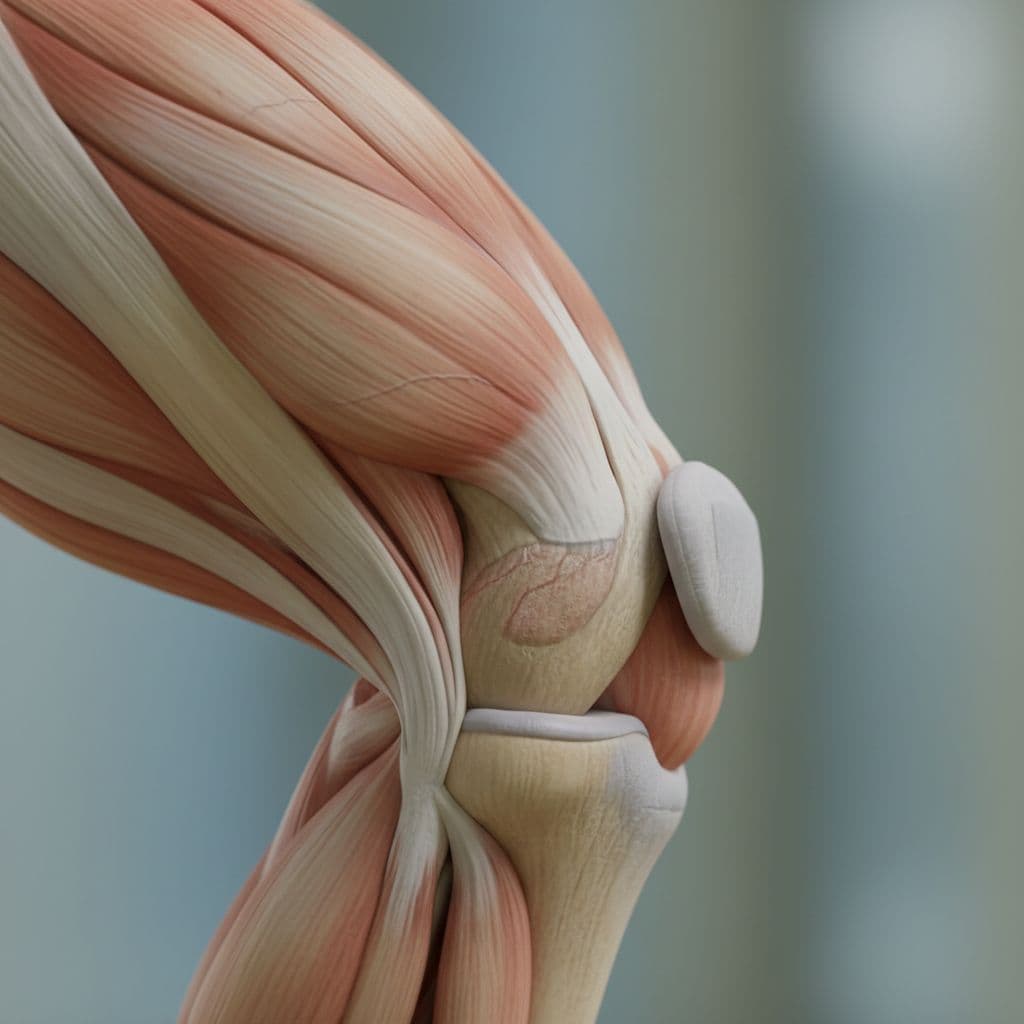
Everyday movement adds up. Running, lifting, jumping, kneeling, and even long walks repeat the same load over and over. That load is normal, but over time it can wear down the tissues that cushion and stabilize your joints.
Body weight also matters. More weight means more force through the knees, hips, ankles, and feet with each step. Aging adds another layer, because collagen turnover slows and recovery takes longer. If you train hard on top of that, your joints may feel more beat up than your muscles do.
Low sleep and poor nutrition make the problem worse. Without enough rest and protein, your body has a harder time repairing connective tissue. Joint nutrition guidance can help you think about the nutrients that support that repair process.
Joint pain versus normal post-workout soreness
Muscle soreness after training is common. It usually shows up one to three days later, feels spread across the muscle, and gets better as you warm up and move. Joint pain feels different. It is often sharper, more local, and tied to a specific movement or joint angle.
Tendon irritation sits between the two. It often shows up near the joint, especially with repeated lifting or running, and it may feel worse at the start of activity. True joint pain can feel deep, stiff, swollen, or grindy, and it may limit range of motion.
A quick way to sort it out is this:
- Muscle soreness feels broad and fades with light movement.
- Tendon pain feels tight or sharp near the attachment point.
- Joint pain feels centered in the joint itself and may worsen with load.
That difference matters because the supplement stack should match the issue. Soreness after a new workout needs a different focus than ongoing knee pain from repetitive squats. For a plain-English breakdown of those pain patterns, Weill Cornell Medicine explains muscle and joint pain.
If the pain keeps showing up in the same joint, treat it as a signal, not normal soreness.
Why inflammation matters, but is not always the whole story
Inflammation is part of healing. After training or injury, your body uses it to clear damaged tissue and start repair. The trouble starts when inflammation stays high for too long, because then pain can linger and recovery slows down.
That is why a good supplement plan does more than calm symptoms. It should help the body recover while also easing the stress that keeps the joint irritated. In practice, that means looking at sleep, food, training volume, and inflammation together.
Poor sleep, low protein intake, and repeated overload can all keep the cycle going. If those basics are off, even the right supplement may feel underwhelming. A better plan is to support repair, reduce excess irritation, and give the joint a break from the same stress that caused the problem in the first place.
If you want the next step to be practical, the stack should start with what your body is missing and what your training is asking of it. That is how recovery gets faster without guessing.
The core supplements that belong in most joint support stacks
A good joint stack starts with the ingredients that cover the biggest needs first: inflammation control, connective tissue support, and everyday comfort. That usually means picking a few core supplements that fit your pain pattern, your activity level, and your diet, instead of buying a crowded formula and hoping for the best.
The goal is simple. You want the basics that give your joints real support over time, not a drawer full of pills that sound promising but do little. Start with the ingredients below, then build around your needs.
Omega-3s for calming soreness and supporting recovery
Omega-3 fatty acids, especially EPA and DHA, are often the first place to start when joint irritation is part of the picture. They may help the body handle inflammation better, which can matter if your joints feel stiff after training or achy after a long day on your feet.
Fish oil is the most common source, but you can also get omega-3s from fatty fish like salmon, sardines, mackerel, and trout. If you rarely eat seafood, a supplement can help fill the gap. Quality matters here, because low-grade oils can oxidize or provide too little EPA and DHA to make a difference.
A better fish oil usually lists the actual EPA and DHA amounts, not just the total fish oil dose. That detail matters because two products can look similar on the label and perform very differently in real use.
Omega-3s may be a good fit if you:
- Train often and feel sore for longer than usual
- Want support for general inflammation
- Do not eat fatty fish regularly
For a simple comparison point, some joint formulas include omega-3s alongside other support ingredients. That can make sense if you want a broader approach, like the ingredients found in advanced joint support supplements.
A higher-quality omega-3 is often more useful than a larger but less concentrated one.
Collagen or gelatin for tendon, ligament, and cartilage support
Collagen is popular because it gives your body amino acids it uses to build and maintain connective tissue. That includes tendons, ligaments, and cartilage, which all matter when your joints take a beating from lifting, running, or repetitive work.
Gelatin is similar and often comes up in the same conversations. Both are usually used with vitamin C, since vitamin C helps the body make collagen. Regular training also matters, because connective tissue responds best when you pair nutrition with actual use.
This is not a quick pain fix. Collagen is more like slow repair work than a pain reliever. Over time, though, it may help support the tissues that keep joints stable and resilient.
Collagen fits best if you want to support:
- Tendon and ligament health
- Cartilage maintenance
- Recovery from repeated loading
If your goal is long-term joint support, collagen belongs near the top of the list. It often makes the most sense in a stack built around structure, not just symptom relief.
Curcumin for everyday joint discomfort
Curcumin is the main active compound in turmeric, and it gets a lot of attention for joint discomfort. People use it because it may help the body manage inflammation and ease the kind of daily aches that make movement feel harder than it should.
That said, plain turmeric powder is not the same as a well-formulated curcumin supplement. Absorption matters. Many products use enhanced forms, such as curcumin paired with piperine or other delivery systems, because the body absorbs those better than basic powder.
This is where many people get disappointed. They buy turmeric tea or spice powder, take a small amount, and expect the same effect as a standardized supplement. The dose and form are not comparable.
Curcumin may fit you if:
- Your joints feel irritated more than unstable
- You want support for daily stiffness
- You prefer a plant-based option in your stack
For readers who want to compare combination formulas, a product like ProFlexen joint supplement analysis can help show how curcumin is often paired with other joint ingredients in the same formula.
Glucosamine and chondroitin for cartilage-focused support
Glucosamine and chondroitin are classic joint ingredients because they focus on cartilage support. They are most often used by people dealing with wear-and-tear issues, especially in the knees, hips, and hands.
These supplements do not work the same way for everyone. Some people notice better comfort and function over time, while others feel little change. That is why expectations matter. If you use them, think in terms of weeks and months, not days.
They tend to fit best for people who:
- Have age-related joint wear
- Deal with repeated impact on the same joints
- Want a cartilage-focused option rather than a general recovery aid
The evidence is mixed, but the balance is fair enough that many people still include them in a broader stack. For some, they become part of a routine that also includes omega-3s, collagen, and better training recovery.
If you want a broader look at this category, joint mobility supplements often combine glucosamine, chondroitin, and other support nutrients in one place. That can be useful when you want a more complete plan instead of a single ingredient.
MSM for stiffness, soreness, and general joint comfort
MSM, or methylsulfonylmethane, is a sulfur-containing compound that many people use for joint comfort. In plain terms, it may help with stiffness and soreness, especially when joints feel cranky after repeated movement or training.
MSM often shows up in the same stack as collagen or glucosamine because it plays well with a layered approach. That makes sense. Joint pain rarely comes from one weak spot, so one ingredient rarely solves everything on its own.
It is usually not the star of the show. Instead, MSM works best as part of a stacked approach that also supports structure and inflammation control. If you want a single-supplement miracle, this is probably not it. If you want another useful piece in a smart routine, it can fit well.
MSM may be useful if:
- You feel general stiffness more than sharp pain
- You already use collagen or glucosamine
- You want a simple add-on for joint comfort
For practical recovery support, MSM often makes more sense alongside the other basics than as a solo choice. That is why many of the best supplement stacks for joint pain and recovery include it near the middle of the list, not the top.
Helpful add-ons that can improve the stack without making it too complicated
Once the core stack is in place, a few add-ons can fill common gaps. The key is to stay selective. More capsules do not automatically mean better recovery, and a bloated stack often makes it harder to tell what actually helps.
The best add-ons support the basics. They should help with low nutrient levels, tissue repair, or stubborn soreness without turning your routine into a full-time job. If you already cover omega-3s, collagen, curcumin, glucosamine, or MSM, these extras can round things out.
Vitamin D and magnesium when low levels may be slowing recovery
Vitamin D and magnesium matter most when you are low in them. Low vitamin D can affect muscle function, strength, and how well you recover after training. Magnesium helps muscles relax and contract properly, so a deficiency can leave you feeling tighter, more cramp-prone, and slower to bounce back.
These nutrients do not work like a painkiller. Instead, they support the systems your body uses for repair and movement. That is why they can matter so much when soreness hangs around longer than it should.
A PubMed study on vitamin D and magnesium found that co-supplementation improved muscle strength and function in vitamin D-deficient women. That doesn’t mean everyone needs both, but it does show why deficiency matters.
Testing can be useful before you take either one long term. If your levels are already fine, you may not feel much benefit. If they are low, correcting them can make the rest of your stack work better.
Vitamin C as a simple helper for collagen and tissue repair
Vitamin C is a small add-on that fits neatly into a joint recovery plan. It helps the body make collagen, so it pairs well if you already use collagen or gelatin for tendon, ligament, or cartilage support.
You don’t need a fancy formula here. A basic dose from food or a simple supplement is often enough. Citrus fruit, berries, peppers, and leafy greens all help, and a low-cost tablet can fill in the gaps on busy days.
For people building the best supplement stack for joint pain and recovery, vitamin C is useful because it supports repair without adding clutter. It is a helper, not the main event.
If collagen is in your stack, vitamin C should usually be close by.
Boswellia and tart cherry for stubborn soreness and inflammation
Boswellia and tart cherry fit best when soreness sticks around despite the core basics. Boswellia is often used for joint comfort and inflammation support, while tart cherry is popular with people who feel beat up after hard training or long runs.
These two are different from the core ingredients because they are more symptom-focused. Collagen supports structure. Omega-3s and curcumin help with inflammation balance. Boswellia and tart cherry are often added when you want extra relief without rebuilding the whole stack.
That said, keep expectations realistic. They can help some people feel better, but they are not magic fixes. Boswellia may be worth trying if your joints feel irritated during daily movement. Tart cherry may make more sense if your main issue is post-workout soreness and slower bounce-back.
Used sparingly, these add-ons can improve the stack without making it complicated. Used all at once, they just create noise. Pick the one that matches your biggest problem, then give it time to show whether it earns its place.
How to build a stack that actually fits your goals
A good joint stack is built around your main problem, not a shopping list. If you lift hard, run often, or deal with stubborn stiffness, the right mix should match that stress and stay simple enough to use every day.
Start with the smallest stack that covers your biggest need. Then add one ingredient at a time only if you still need more support. That keeps costs down and makes it easier to see what actually works.
A simple starter stack for most people
If you want a practical place to begin, keep it minimal. A starter stack usually works best with one ingredient for structure and one for recovery or inflammation, then nothing extra unless you need it.
A solid starting point looks like this:
- Collagen for tendon, ligament, and cartilage support
- Omega-3s or curcumin for soreness and inflammation balance
- Vitamin C if you use collagen and want to support tissue repair
That setup is broad enough for most people without becoming expensive or hard to track. It also gives you a clean baseline, so you can tell whether your joints feel better after a few weeks. If you want a more detailed template, a joint pain supplement protocol can help show how these basics are often grouped together.
This kind of stack works well when your pain is mild to moderate, or when you want prevention more than rescue. It’s also easier to stay consistent with three simple choices than with a shelf full of pills.
A more complete stack for hard training or nagging joint pain
When training volume is high, the basic stack may need backup. That usually means adding one structural ingredient and one comfort ingredient, instead of piling on everything at once.
Good add-ons include:
- Glucosamine and chondroitin if the joint feels worn down or stiff over time
- MSM if soreness and stiffness keep showing up after repeated loading
- Boswellia if you want another option for ongoing irritation
This is the point where a stack starts to look more like support than maintenance. For a runner with cranky knees, collagen plus omega-3s may be enough. For someone lifting four to six days a week, glucosamine or MSM can make the routine feel more complete.
Keep the goal in mind. If you are chasing daily comfort, choose the ingredients that help you move better. If you are trying to protect a joint under heavy load, choose the ones that support tissue and reduce repeated irritation.
How to time supplements around workouts and meals
Timing does not need to be complicated, but it does matter. Some supplements work better with food, while others fit best before training or as part of a daily habit.
Use these simple rules:
- Take fat-soluble supplements with meals. Omega-3s and curcumin usually sit better with food.
- Use collagen before training when possible. Many people take it 30 to 60 minutes before a workout.
- Stay consistent every day. Joint support works best when you take it regularly, not only when pain flares up.
- Keep vitamin C close to collagen. That pairing makes sense for connective tissue support.
- Give the stack time. Many joint ingredients need weeks of steady use before you can judge them fairly.
The biggest mistake is changing the stack every few days. Joints recover on a slow clock, so your plan should be steady and easy to repeat. If you follow a simple routine and match it to your training load, the best supplement stack for joint pain and recovery becomes much easier to build and much easier to stick with.
What to look for on labels so you do not waste money
The label tells you almost everything you need to know before you buy. If the serving size is off, the ingredient forms are weak, or the dose is too small, even a strong-looking formula can fall flat. The best supplement stack for joint pain and recovery only works when the products inside it are actually worth taking.
Focus on four things first: the exact ingredient form, the amount per serving, third-party testing, and warning flags in the fine print. That keeps you from paying extra for marketing, fancy packaging, or underdosed blends that look better than they perform.
The ingredient forms that matter most
The name of the ingredient is only the start. The form matters just as much, because different forms absorb differently and deliver different amounts of the active compound.
For fish oil, check the actual EPA and DHA amounts, not just the total fish oil listed on the front. A bottle can say “1,000 mg fish oil” and still give you a modest amount of omega-3s. That is why the Supplement Facts panel matters more than the marketing claim.
Curcumin needs attention too. Plain turmeric powder is not the same as a curcumin formula designed for absorption. Look for forms paired with piperine or other delivery systems, because standard turmeric often gives you a weak return for the money.
Collagen also deserves a close look. Check whether it says collagen peptides, hydrolyzed collagen, or a specific type such as Type I, II, or III. Then check the serving size. A tiny scoop or capsule count may not give you enough to matter, especially if the label hides the real dose in a proprietary blend.
A quick label check helps you spot the difference fast. If you want a broader refresher on label reading, how to read nutrition labels can help you compare the basics with less guesswork.
Third-party testing, purity, and safety
If you take supplements every day, testing matters. If you compete in sports, it matters even more. You want proof that what’s on the label matches what’s in the bottle, and that the product is free from unwanted contaminants.
Look for seals or statements from groups such as USP or NSF. Those marks do not make a supplement perfect, but they do add a real layer of trust. A tested product is less likely to have label errors, banned substances, or heavy metal issues.
A cheap supplement is expensive if it does nothing, or worse, if it has quality problems.
For daily use, this is where people often save money in the wrong place. A low-cost bottle that lacks testing may seem like a deal, but it can become a waste if you never trust it enough to keep using it. The same is true in competitive sports, where one bad product can create avoidable risk.
For a clear label standard, the USP guide on supplement labels explains what should appear on a proper supplement panel and why it matters.
When to be careful with medications or health conditions
Some joint supplements can interact with common medications or health issues, so this part deserves attention before you buy. Blood thinners, for example, can be a concern with omega-3s, curcumin, and similar ingredients that may affect bleeding risk.
Be careful if you have digestive issues, since fish oil, magnesium, and some herbal formulas can upset the stomach. Allergies matter too, especially with fish, shellfish, soy, or fillers in the “other ingredients” list. If you are pregnant or breastfeeding, ask a clinician before starting anything new.
A few label clues should make you pause:
- A long list of fillers, dyes, or unnecessary additives
- A proprietary blend with no clear amounts
- A dose that looks far below common use
- A product that hides allergen details in small print
If anything on the label feels unclear, ask your clinician or pharmacist before you start. That small check can save money and prevent a bigger problem later.
How to tell if your stack is working
The best way to judge a joint stack is to watch for steady changes, not dramatic overnight relief. Most joint supplements work slowly, so the real question is whether your pain, stiffness, and movement improve over time.
A simple log makes this much easier. Track the same few signs each week, then compare them against how you felt before you started. That turns guesswork into something you can actually use.
If you change five things at once, you won’t know what helped.
What changes you should notice first
Early wins usually show up in small, practical ways. You may wake up with less morning stiffness, feel looser after sitting, or notice that stairs, squats, and long walks feel less annoying. Those are the first signs that your stack may be helping.
What counts as meaningful improvement? Look for changes you can repeat, not a one-time good day. Maybe your knees feel better after the first mile instead of the third, or your shoulder warms up faster during training. That kind of shift matters more than a single pain-free morning.
A few signs are worth tracking each week:
- Morning stiffness fades faster
- Range of motion feels smoother
- Workouts feel easier to start and finish
- Flare-ups happen less often
- Pain stays lower after normal activity
If you want a simple benchmark, rate pain and stiffness on a 1 to 10 scale. Even a drop of one or two points can be a real gain if it stays consistent. For more context on how joint support products are often evaluated, this joint support supplement guide lays out the same kind of day-to-day signs people actually notice.
How long to give a supplement stack before you decide
Different ingredients work on different clocks, so your trial period should match the slowest piece in the stack. Some add-ons feel useful within days, but structural support usually takes much longer.
A fair testing window looks like this:
- Omega-3s and curcumin: give them at least 4 to 8 weeks.
- Collagen and gelatin: give them 8 to 12 weeks, sometimes longer.
- Glucosamine, chondroitin, and MSM: give them 6 to 12 weeks before judging.
- Vitamin D or magnesium: give them enough time to correct a deficiency, often 2 to 3 months.
This is where patience pays off. If your joints feel a little better at week three, keep going and keep tracking. On the other hand, if nothing changes after a full trial period and your routine is consistent, it may be time to adjust the dose, swap one ingredient, or drop a product that isn’t pulling its weight.
A good rule is to give the stack one clean test before making changes. That means stable training, steady sleep, and the same doses each day. If you need a quick reference for general supplement evaluation, how to tell if supplements are working gives a useful framework for timing and symptom tracking.
The bottom line is simple, your stack is working if you move better, recover faster, and flare up less often. If those signs keep improving across a few weeks, you have a keeper.
The bottom line on the best supplement stack for joint pain and recovery
The best supplement stack for joint pain and recovery is the one that matches your main problem and stays easy to use. If your joints feel irritated, start with the basics that fit that pattern, then build slowly. A simple stack usually works better than a crowded shelf of products you never finish.
The goal is not to take everything. It is to cover the real needs behind the pain, whether that means inflammation control, connective tissue support, or better day-to-day recovery. When you keep the stack focused, it becomes easier to tell what helps and what does nothing.
Start with the core ingredients that match the problem
For most people, the best place to begin is with collagen, omega-3s, and either curcumin, glucosamine, or MSM, depending on the type of pain. Collagen makes the most sense when you want support for tendons, ligaments, and cartilage. Omega-3s and curcumin fit better when stiffness and irritation are the bigger issue.
If you know your nutrition is weak, add the simple helpers too. Vitamin C pairs well with collagen, while vitamin D and magnesium matter most when levels are low. That is why a smart stack starts with need, not hype.
A good supplement stack for joint pain should also work with the rest of your routine. Better sleep, enough protein, smart training load, and healthy body weight all take pressure off your joints. Supplements can help, but they work best when the basics are already in place.
Keep the stack simple, then adjust based on results
A good joint stack should be boring in the best way. It should be easy to remember, easy to tolerate, and easy to test. If you add too many products at once, you won’t know what earned its spot.
Use a short trial window, track pain and stiffness, and keep the doses steady. If you feel better after a few weeks, stay with it. If nothing changes, adjust one part at a time instead of rebuilding everything.
The best supplement stack for joint pain and recovery is the one you can use consistently without upsetting your stomach, your schedule, or your budget. Start with the core ingredients that fit the problem, keep the stack simple, and support it with sleep, protein, smart training, and body weight management when needed.
You may also find this Nutrition Geeks guide helpful: Best Sleep Supplement Bundle for Deep Recovery.
You may also find this Nutrition Geeks guide helpful: Unlock Your Entrepreneurial Journey: A Step-by-Step Guide on How to Join Herbalife Business.
You may also find this Nutrition Geeks guide helpful: Herbalife: A Comprehensive Look at the Global Nutrition Leader.
You may also find this Nutrition Geeks guide helpful: Herbalife: A Comprehensive Look at the Global Nutrition Leader.