Disclosure: This post may contain affiliate links, meaning if you decide to make a purchase through my links I may earn a commission at no additional cost to you. See my disclosure for more info.
So, you’re looking for the best vitamin C supplement. It’s a pretty common quest, and for good reason. Vitamin C is that essential nutrient we all need, playing a role in everything from keeping our immune system humming to helping our skin stay healthy.
Supplement note: This guide is for educational purposes only and is not medical advice. Always speak with your doctor before using supplements, especially if you are pregnant, nursing, taking medication, or managing a medical condition.
Explore our vitamin resources for evidence-based supplement comparisons, product guides, and practical wellness information.
While you can get it from foods like oranges and broccoli, sometimes life gets busy, or maybe your diet is a bit limited, and a supplement just makes sense. But with so many options out there, how do you pick the right one? Let’s break it down.
Explore more NutritionGeeks guides related to wellness, recovery, nutrition and active lifestyle support.
Best Vitamin C Supplement Post Key Takeaways
- Not all vitamin C supplements are created equal; different forms like ascorbic acid, buffered C, liposomal C, and Ester-C® offer varying benefits for absorption and digestion.
- Look for supplements with clear ingredient lists, free from unnecessary additives, and ideally, those that have undergone third-party testing for purity and quality.
- Vitamin C comes in various formats like capsules, gummies, liquids, and sprays, so choose the one that best fits your daily routine and preferences.
- Consider your specific needs, whether you’re vegan, looking for a multivitamin that includes C, or searching for a budget-friendly option.
- Always check the dosage and serving size, and consider the brand’s reputation and manufacturing practices to ensure you’re getting a quality product.
Understanding Vitamin C Supplements
So, what’s the deal with vitamin C supplements? It’s a pretty common one people reach for, especially when they feel a sniffle coming on. But there’s a bit more to it than just that. Let’s break it down.
What is Vitamin C?
Vitamin C, also known as ascorbic acid, is a nutrient your body needs to work right. It’s water-soluble, meaning your body doesn’t store it up for later; you need a steady supply. Think of it as a tiny bodyguard for your cells, fighting off damage from things called free radicals.
More NutritionGeeks Wellness Guides
Explore more NutritionGeeks guides connected to wellness, recovery, hydration, energy, sleep and active lifestyle nutrition.
It’s also super important for keeping your skin healthy and helping your body absorb iron from the foods you eat. It plays a role in a bunch of bodily functions, from keeping your immune system humming to helping your body make collagen, which is like the scaffolding for your skin, bones, and blood vessels.
Why Consider a Vitamin C Supplement?
Most of us can get enough vitamin C from eating fruits and veggies like oranges, bell peppers, and broccoli. But sometimes, life gets in the way. Maybe you’re not eating as many fresh foods as you should, or perhaps you have specific dietary restrictions. In these cases, a supplement can be a helpful way to top up your levels. It’s a convenient way to make sure you’re getting what you need, especially if you’re looking for specific health advantages.
Daily Vitamin C Needs
How much vitamin C do you actually need? For adults, the general recommendation, often called the Nutrient Reference Value (NRV), is around 80mg per day. Some health organizations suggest a slightly lower amount, like 40mg.
It’s worth noting that many supplements pack a much bigger punch, sometimes offering over 1000% of the daily value. While vitamin C is generally safe, taking mega-doses might lead to some stomach upset for a few people. It’s usually best to stick to recommended amounts unless a doctor advises otherwise.
Here’s a quick look at typical daily needs:
- Adult Men: Around 90 mg
- Adult Women: Around 75 mg
- Pregnant Individuals: Around 85 mg
- Breastfeeding Individuals: Around 120 mg
Remember, these are general guidelines. Your individual needs might vary based on factors like age, health status, and lifestyle. It’s always a good idea to chat with a healthcare provider if you’re unsure about your specific requirements.
Choosing the Best Vitamin C Supplement Form
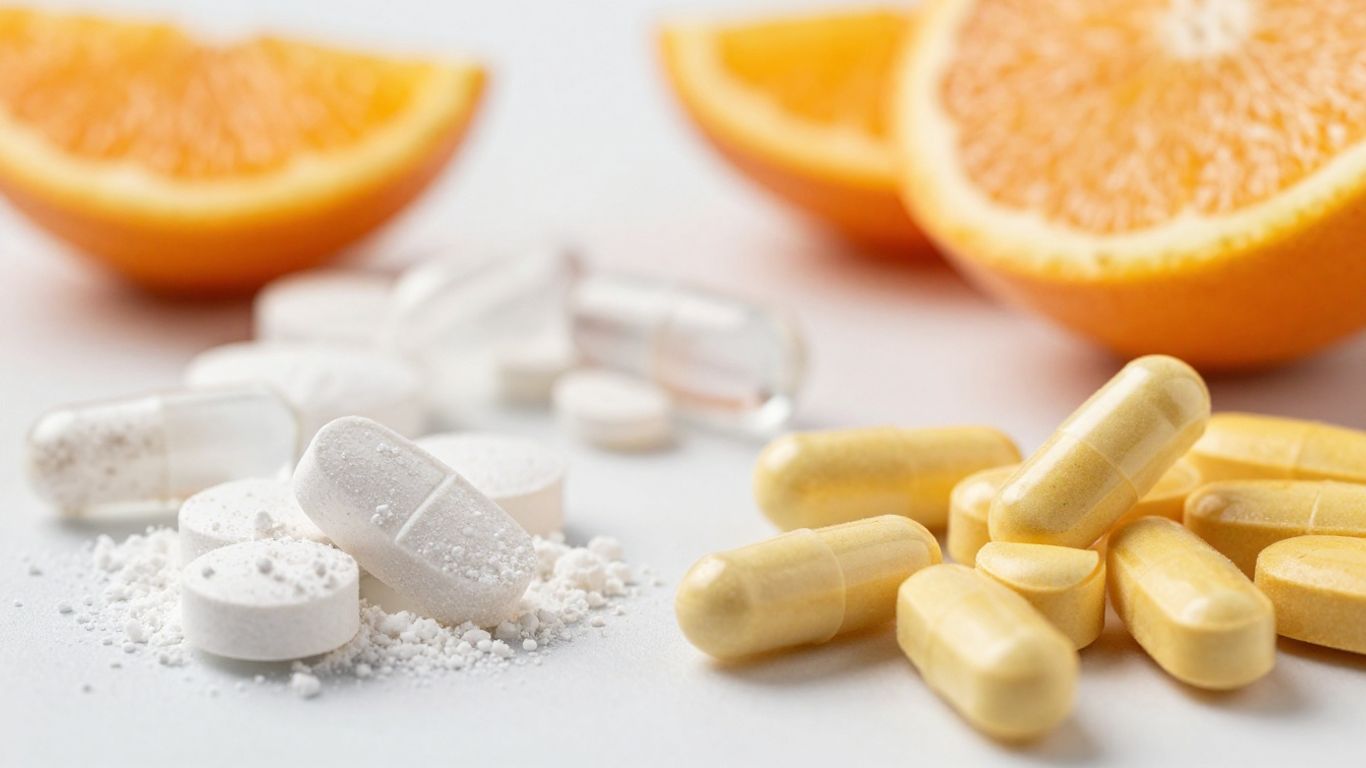
So, you’ve decided to up your vitamin C game, which is awesome. But then you look at the shelves, and wow, there are a lot of options, right? It can feel a bit overwhelming trying to figure out which type is actually going to work best for you.
It’s not just about picking a bottle; it’s about understanding what’s inside and how your body will use it. The form of vitamin C you choose can really make a difference in how well you absorb it and how gentle it is on your stomach. Let’s break down some of the most common types you’ll see.
Ascorbic Acid: The Classic Choice
This is probably the most common form of vitamin C you’ll find, and for good reason. It’s pure, it’s effective, and it’s usually the most budget-friendly option. Think of it as the standard. However, for some folks, especially those with sensitive tummies, pure ascorbic acid can sometimes cause a bit of digestive upset. If you’ve never had issues before, it’s a solid go-to.
Buffered Vitamin C for Gentle Digestion
If you’ve tried ascorbic acid and found it a bit harsh, buffered vitamin C might be your new best friend. Forms like calcium ascorbate are made to be less acidic. This means they’re generally much easier on your stomach. People who tend to get heartburn or stomach discomfort from supplements often find buffered options work really well for them. It’s a great way to get your vitamin C without the potential downsides.
Liposomal Vitamin C for Enhanced Absorption
This one sounds fancy, and in a way, it is. Liposomal vitamin C is designed to be absorbed by your body more efficiently. It’s basically vitamin C wrapped in tiny fat bubbles (liposomes). These bubbles help protect the vitamin as it travels through your digestive system, allowing more of it to get into your bloodstream. If you’re looking for the maximum bang for your buck in terms of absorption, liposomal is often a top contender.
Ester-C®: Extended Immune Support
Ester-C is a bit of a unique player. It’s a patented form that combines buffered vitamin C with a specific metabolite called L-threonate. The idea behind it is that it stays in your system longer, particularly in your immune cells, compared to regular ascorbic acid. This could mean more sustained support for your immune system. It’s a good option if you’re looking for that extra staying power.
Key Factors in Selecting a Vitamin C Supplement
So, you’re looking to pick up some vitamin C, huh? It seems pretty straightforward, but honestly, there are a few things to think about before you just grab the first bottle you see. It’s not just about the vitamin C itself, but how it’s made and what else is in there. Getting this right means you’re actually getting what you pay for and what your body needs.
Ingredient Transparency and Purity
First off, check out the label. You want to know exactly what’s in the bottle and where it came from. A good brand will be upfront about their ingredients. This means they list everything, not just the vitamin C. Think about it like buying groceries – you want to know if there are any weird fillers or things you can’t pronounce.
For vitamin C, this means looking for clear sourcing information. If a company is proud of their product, they’ll tell you about their raw materials and how they’re processed. It’s all about trusting that what you’re putting into your body is clean and high quality.
Absence of Unnecessary Additives
This ties right into the last point. Many supplements have extra stuff in them that you really don’t need. We’re talking about things like artificial colors, flavors, sweeteners, or even coatings on pills that can sometimes cause stomach upset.
The simpler the ingredient list, the better. Ideally, you want a supplement that focuses on the vitamin C and maybe a few natural binders or fillers, but nothing that seems out of place. It’s like choosing a meal – you’d rather have fresh ingredients than a bunch of preservatives, right? Less is definitely more when it comes to additives.
Third-Party Testing and Certifications
This is a big one for peace of mind. Since the supplement industry isn’t super tightly regulated, you can’t always take a company’s word for it. That’s where third-party testing comes in.
Labs that aren’t affiliated with the supplement company itself test the product to make sure it contains what the label says it does and that it’s free from harmful contaminants like heavy metals or pesticides. Look for seals or mentions of certifications from reputable organizations. It’s like getting a stamp of approval from an independent reviewer. It shows the company is willing to go the extra mile to prove their product is safe and effective.
When you’re choosing a vitamin C supplement, think about what you’re really trying to achieve. Are you looking for a gentle option for your stomach, or do you need something that absorbs really well? Different forms and brands cater to different needs, so a little research goes a long way in finding the best fit for you.
Here’s a quick rundown of what to look for:
- Purity: Is the vitamin C source clearly stated? Is it free from contaminants?
- Additives: Does it contain artificial colors, flavors, or excessive fillers?
- Testing: Has it been verified by an independent third party for quality and safety?
- Form: Does the form of vitamin C (e.g., ascorbic acid, liposomal) suit your needs?
Top Vitamin C Supplement Formats
So, you’ve decided to up your vitamin C game, which is great! But now you’re staring at a wall of options, and it’s a bit overwhelming, right? Don’t worry, we’ve all been there. The form a vitamin C supplement comes in can actually make a difference in how easy it is to take and how well your body uses it. Let’s break down the most common formats you’ll find.
Convenient Capsules and Tablets
These are probably the most familiar. Capsules are usually filled with powder and are easy to swallow, often with no taste at all. Tablets are similar, though sometimes they can be a bit larger and might have a coating. They’re super convenient for tossing into your bag or taking with your morning routine.
Just be aware that some tablets might have binders or fillers, so it’s always good to check the ingredient list if you’re aiming for something super clean.
- Pros: Easy to take, portable, widely available.
- Cons: Can be hard to swallow for some, tablets may contain additives.
Easy-to-Take Gummies and Chewables
If swallowing pills isn’t your favorite thing, gummies and chewables are a fantastic alternative. They often come in fruity flavors, making them feel more like a treat than a supplement.
This can be a real game-changer, especially for kids or anyone who struggles with traditional pills. Just a heads-up: these often contain sweeteners and flavorings, so if you’re trying to avoid those, you’ll want to read the label carefully.
- Pros: Great taste, easy to consume, good for those who dislike pills.
- Cons: Often contain added sugars and artificial ingredients.
Liquid and Spray Options for Rapid Absorption
For those looking for a quicker way to get vitamin C into their system, liquids and oral sprays are worth considering. Sprays, in particular, are designed to be absorbed directly through the lining of your mouth, bypassing the digestive system.
Liquids can be mixed into drinks or taken straight. They offer a flexible way to dose, and some people find them to be very effective. Keep an eye on the ingredient list here too, as some liquids might have added sweeteners or preservatives.
- Pros: Fast absorption (especially sprays), flexible dosing, good for sensitive stomachs.
- Cons: Can have a strong taste, potential for added sweeteners/preservatives.
When picking a format, think about your daily routine and what you’ll actually stick with. The best vitamin C supplement is the one you’ll consistently take!
Specific Needs and Vitamin C Supplements
Best Vitamin C Supplements for Vegans
Finding a vitamin C supplement that fits a vegan lifestyle is pretty straightforward these days. Most vitamin C supplements are naturally vegan, but it’s always a good idea to double-check the label. Look for options that are clearly marked as vegan or vegetarian.
Some brands might use animal-derived ingredients in their capsules or gummies, so a quick scan of the ingredients list is worthwhile. For instance, some gummies might use gelatin, which isn’t vegan. Many excellent vegan-friendly options are available, often derived from plant sources like corn or tapioca. You’ll find them in various forms, from simple ascorbic acid powders to more complex formulations.
Multivitamin Options with Vitamin C
If you’re looking to cover your bases with a single supplement, a multivitamin can be a convenient choice. Many multivitamins include a decent dose of vitamin C alongside other essential vitamins and minerals.
This can be a good way to get your daily vitamin C without needing a separate supplement, especially if you’re already taking a multivitamin for general health. However, it’s worth noting that the amount of vitamin C in a multivitamin can vary quite a bit.
Some might offer a modest amount, while others pack a much higher dose. Always check the label to see how much vitamin C you’re actually getting and if it meets your needs. It’s also important to consider the other nutrients in the multivitamin to avoid overdoing it on certain vitamins or minerals.
Affordable Vitamin C Choices
Getting enough vitamin C doesn’t have to break the bank. There are plenty of budget-friendly options out there that still offer good quality. You can often find basic ascorbic acid powders or tablets at very reasonable prices. These simple forms are just as effective for many people as their more expensive counterparts.
Sometimes, buying in larger quantities can also lead to savings. When looking for an affordable option, focus on brands that are transparent about their ingredients and have good reviews. You don’t need to spend a fortune to get a reliable vitamin C supplement.
When choosing any supplement, especially if you have specific dietary needs or health conditions, it’s always best to have a chat with your doctor or a registered dietitian.
They can help you figure out the right type and dosage for you, making sure it fits well with your overall health plan and doesn’t interfere with any medications you might be taking. It’s all about finding what works best for your individual body and lifestyle.
Evaluating Vitamin C Supplement Quality
So, you’ve decided to grab some vitamin C. That’s great! But walking down the supplement aisle can feel like a maze, right? With so many options, how do you actually pick a good one? It’s not just about grabbing the first bottle you see. We need to look a little closer at what makes a vitamin C supplement truly high quality.
Dosage and Serving Size Considerations
First off, let’s talk about how much you’re actually getting. The label will tell you the amount of vitamin C per serving, and it’s important to know what a ‘serving’ is. Some bottles might have a tiny serving size with a low dose, while others might pack a punch in just one capsule.
Think about your own needs – are you looking for a little boost or something more substantial? It’s usually a good idea to start with a moderate dose, maybe around 250 mg, and see how you feel. If you’re thinking about going higher, it’s always smart to chat with your doctor first. They can help figure out the right amount for you based on your health and lifestyle.
Bioavailability and Ingredient Synergy
This is where things get a bit more technical, but it’s super important. Bioavailability basically means how well your body can actually use the vitamin C you take. Not all forms of vitamin C are created equal in this regard. Some, like liposomal vitamin C, are designed to be absorbed more easily.
Others, like Ester-C®, are formulated to stay in your system longer. It’s also worth considering if the supplement includes other ingredients that might work well with vitamin C. Sometimes, things like bioflavonoids, which are often found naturally alongside vitamin C in fruits, can help with absorption and effectiveness. You want a supplement where the ingredients are working together, not just sitting there.
Reputable Brands and Manufacturer Practices
This is a big one. Since supplements aren’t regulated by the FDA before they hit the shelves, you’re relying on the company to do things right. Look for brands that are upfront about where they get their ingredients and how they make their products. Companies that follow Good Manufacturing Practices (cGMPs) are generally a safer bet.
This means they have strict quality control measures in place. Also, see if they get their products tested by independent third parties. This extra step provides a layer of assurance that what’s on the label is actually in the bottle, and that it’s free from contaminants. It might take a little digging, but choosing a brand you can trust makes all the difference.
Closing Thoughts
So, picking the right vitamin C supplement can feel like a lot, right? There are tons of options out there, from gummies to powders, and different forms that claim to work better. Honestly, most people probably get enough vitamin C from just eating their fruits and veggies.
But if you’re looking for that extra boost, or maybe have some dietary limits, it’s good to know what’s what. Think about what works best for you – maybe something easy on your stomach, or a form that gets absorbed well. And hey, always a good idea to chat with your doctor before you start anything new, just to be safe.
For more tips to optimize your health and nutrition, check out our comprehensive list of nutritional supplements.
Frequently Asked Questions
What’s the main difference between vitamin C supplements?
Think of vitamin C supplements like different ways to get your daily dose. Some are made from pure vitamin C, called ascorbic acid, which is cheap but can sometimes upset your stomach.
Others are ‘buffered,’ meaning they’re gentler on your tummy. Then there’s ‘liposomal’ vitamin C, which is wrapped in a special coating to help your body absorb it better. Lastly, some are made from natural sources like fruits, which are great if you prefer things from nature, though they might have a bit less vitamin C.
How much vitamin C do I really need each day?
Most adults need around 80mg of vitamin C daily, but some health groups suggest 40mg is enough. It’s important to remember that your body doesn’t store vitamin C, so you need it every day. While many supplements offer much more than the daily amount, taking too much, over 1000mg, might cause stomach issues like nausea or diarrhea. It’s always a good idea to check the label and talk to a doctor if you’re unsure.
Are there any downsides to taking vitamin C supplements?
For most people, vitamin C supplements are safe. However, taking very large amounts, especially over 1000mg, can sometimes lead to an upset stomach, including cramps or diarrhea. There’s also a small chance that long-term, super high doses could contribute to kidney stones in some individuals. It’s always best to stick to recommended amounts and consult a healthcare provider if you have concerns.
What should I look for when buying a vitamin C supplement?
When you’re picking out a vitamin C supplement, check that the ingredients list is clear and simple. Look for products that don’t have a lot of extra stuff like artificial colors or preservatives. It’s also a good sign if the company has had their product checked by an independent lab to make sure it’s pure and contains what it says it does. This testing is often shown by a certification.
Can I get enough vitamin C from food instead of a supplement?
Absolutely! Many foods are packed with vitamin C. Think of citrus fruits like oranges and grapefruits, berries, bell peppers, broccoli, and even potatoes. Eating a variety of these fruits and vegetables is the best way to get your vitamin C and other important nutrients. Supplements are usually for people who might not be getting enough from their diet due to restrictions or other reasons.
Are gummies or chewable vitamin C supplements as good as pills?
For the most part, yes! Whether you choose gummies, chewables, tablets, or liquids, vitamin C is generally absorbed well by your body. The best format really comes down to what you find easiest and most enjoyable to take. Some people prefer sprays for quick absorption, while others like the taste of gummies. As long as you pick a quality product from a trusted brand, the form usually doesn’t make a big difference in how well your body uses the vitamin C.
Back to Our List of Vitamin Guides
You may also find this Nutrition Geeks guide helpful: Best Recovery Supplements for Runners and Athletes.
You may also find this Nutrition Geeks guide helpful: Exploring Herbalife Products for Skin Whitening: A Comprehensive Guide.
You may also find this Nutrition Geeks guide helpful: Comprehensive Herbalife Products List: Your Guide to Nutrition and Wellness.
You may also find this Nutrition Geeks guide helpful: Refreshing Dragon Fruit Juice: A Simple & Healthy Recipe.
Frequently Asked Questions
What form of vitamin C is best?
Common forms include ascorbic acid, buffered vitamin C, and liposomal vitamin C. The best choice depends on tolerance and budget.
Can vitamin C be taken every day?
Many people take vitamin C daily, but high doses may cause digestive discomfort for some.
Looking for the Best Wellness Products?
Compare our top supplement reviews, recovery products, daily wellness essentials, protein picks, vitamins, and metabolism support guides all in one place.
Explore Wellness Shop →