Disclosure: This post may contain affiliate links, meaning if you decide to make a purchase through my links I may earn a commission at no additional cost to you. See my disclosure for more info.
Diet Plan for Insulin Resistance
Back to NutritionGeeks Fitness
Picture this: You’re dragging through your day with constant fatigue, stubborn weight gain around your middle, and wild blood sugar swings that leave you cranky and hungry. Maybe you’ve noticed afternoon crashes or unexplained cravings for sweets. These aren’t just bad days; they could signal insulin resistance, where your cells stop listening to insulin, your blood sugar stays high, and risks like type 2 diabetes creep closer.
Insulin resistance sneaks up on millions. Your body pumps out more insulin to manage sugar from food, but cells ignore it over time. This leads to high blood sugar, inflammation, and energy dips that mess with daily life.
Explore more NutritionGeeks guides related to wellness, recovery, nutrition and active lifestyle support.
The good news? A smart diet plan for insulin resistance reverses this. It boosts insulin sensitivity, steadies your energy, sheds excess weight, and slashes health risks. You can start feeling better fast with simple food swaps.
Recent 2025-2030 U.S. Dietary Guidelines back this up. They push “real food” like veggies, fruits, proteins, whole grains, and healthy fats from olive oil, nuts, and seafood. Cut added sugars, refined carbs, and processed junk to stabilize blood sugar and fight inflammation.
More NutritionGeeks Wellness Guides
Explore more NutritionGeeks guides connected to wellness, recovery, hydration, energy, sleep and active lifestyle nutrition.
The American Diabetes Association nods along. They highlight nutrient-dense plates half-filled with veggies and fruits, lean proteins at every meal, and fiber-rich whole grains. Limit saturated fats under 10% of calories and keep sodium low for heart health too.
In this post, you’ll get the core principles to follow. Learn foods to eat plenty of and ones to skip. Then grab our easy 7-day sample plan with meals that fit real life. Ready to take control? Let’s dive in.
What Insulin Resistance Does to Your Body and Why Food Choices Matter
Think of insulin as the key your body uses to unlock cells and let sugar in for energy. When insulin resistance hits, that key gets dull. Sugar builds up in your blood instead of fueling your cells. You feel tired, hungry, and off-balance. Over time, your pancreas works overtime to make more insulin, but it can’t keep up.
This sparks belly fat buildup, inflammation, and steady climbs toward prediabetes or type 2 diabetes. Heart disease risks rise too, along with fatty liver and high cholesterol. One in three Americans faces prediabetes from this, but smart changes stop it cold.
Food choices fix this faster than you think. They steady blood sugar and sharpen that key again. The American Diabetes Association and 2025-2030 U.S. Dietary Guidelines point to nutrient-dense foods like veggies, lean proteins, and whole grains. These cut spikes and boost sensitivity.
A solid diet plan for insulin resistance personalizes to your weight goals and carb tolerance. Some thrive on more protein; others need extra fiber. Aim for 1.2 to 1.6 grams of protein per kilogram of body weight daily, from eggs, fish, or beans. Swap refined carbs for slow-release options that release sugar gradually.
Signs You Might Have Insulin Resistance
Your body sends clear warnings before things worsen. Spot them early, and a diet plan for insulin resistance can reverse damage fast. Common signs include:
- Constant fatigue, especially after meals, as cells starve for energy despite high blood sugar.
- Strong cravings for sugar or carbs, since your brain craves quick fixes.
- Slow weight loss, mainly stubborn belly fat that won’t budge.
- Dark skin patches called acanthosis nigricans, often velvety on the neck, armpits, or groin.
- Family history, which raises your odds big time.
You might also notice hunger right after eating, brain fog, headaches, or sleep trouble. Don’t wait. See your doctor for tests like fasting insulin levels or A1C, which tracks average blood sugar over three months. Fasting glucose or waist checks help too. Catching it now lets diet tweaks restore balance before meds enter the picture.
How Diet Beats Insulin Resistance Better Than Meds Alone
Drugs help, but food changes often outperform them for many people. Low-processed, high-fiber diets sharpen insulin sensitivity more reliably. Studies back this: they prevent type 2 diabetes better than pills solo by tackling the root.
Guidelines have shifted. The ADA and 2025-2030 U.S. Dietary Guidelines favor higher protein at 1.2-1.6 grams per kilogram body weight. Think chicken, tofu, or nuts with every meal. Ditch refined carbs like white bread or soda; they spike sugar hard. Pick slow-release foods instead, such as oats, sweet potatoes, or leafy greens. These digest slow, keep blood sugar even, and cut cravings.
Personalize it. If you lift weights, bump protein higher for muscle repair. Low carb tolerance? Lean on fats from avocados. Real food plates, half veggies, stabilize energy and drop inflammation. Start here, and you’ll see why diet leads the fight.
Core Eating Principles to Restore Insulin Sensitivity
You can rebuild insulin sensitivity with a few simple rules backed by the 2025-2030 U.S. Dietary Guidelines. Focus on whole foods that balance carbs with protein and fats. Prioritize fiber from non-starchy veggies. Hit 1.2 to 1.6 grams of protein per kilogram of body weight each day.
Cut added sugars to under 10 grams per meal and skip processed foods. Pair everything with portion control. These steps slow sugar absorption, keep you full, and trim liver fat that worsens resistance. A solid diet plan for insulin resistance makes this easy to follow every day.
Boost Protein and Fiber While Cutting Processed Carbs
Start by ramping up protein to steady your blood sugar. The guidelines call for 1.2 to 1.6 grams per kilogram of body weight. If you weigh 154 pounds, or about 70 kilograms, that means 85 to 110 grams daily. Split it across meals: eggs at breakfast, chicken at lunch, beans at dinner. This amount fuels your muscles and curbs hunger.
Add fiber from non-starchy veggies and beans next. Think broccoli, spinach, peppers, or lentils. They pack bulk without many carbs. Fiber traps sugar in your gut, so it releases slow. Your blood sugar stays even. You feel full longer too. Processed carbs like white bread or chips do the opposite. They flood your system fast. Ditch them. Pair protein with these fibers instead. One plate of grilled fish, kale, and quinoa beats a sandwich every time.
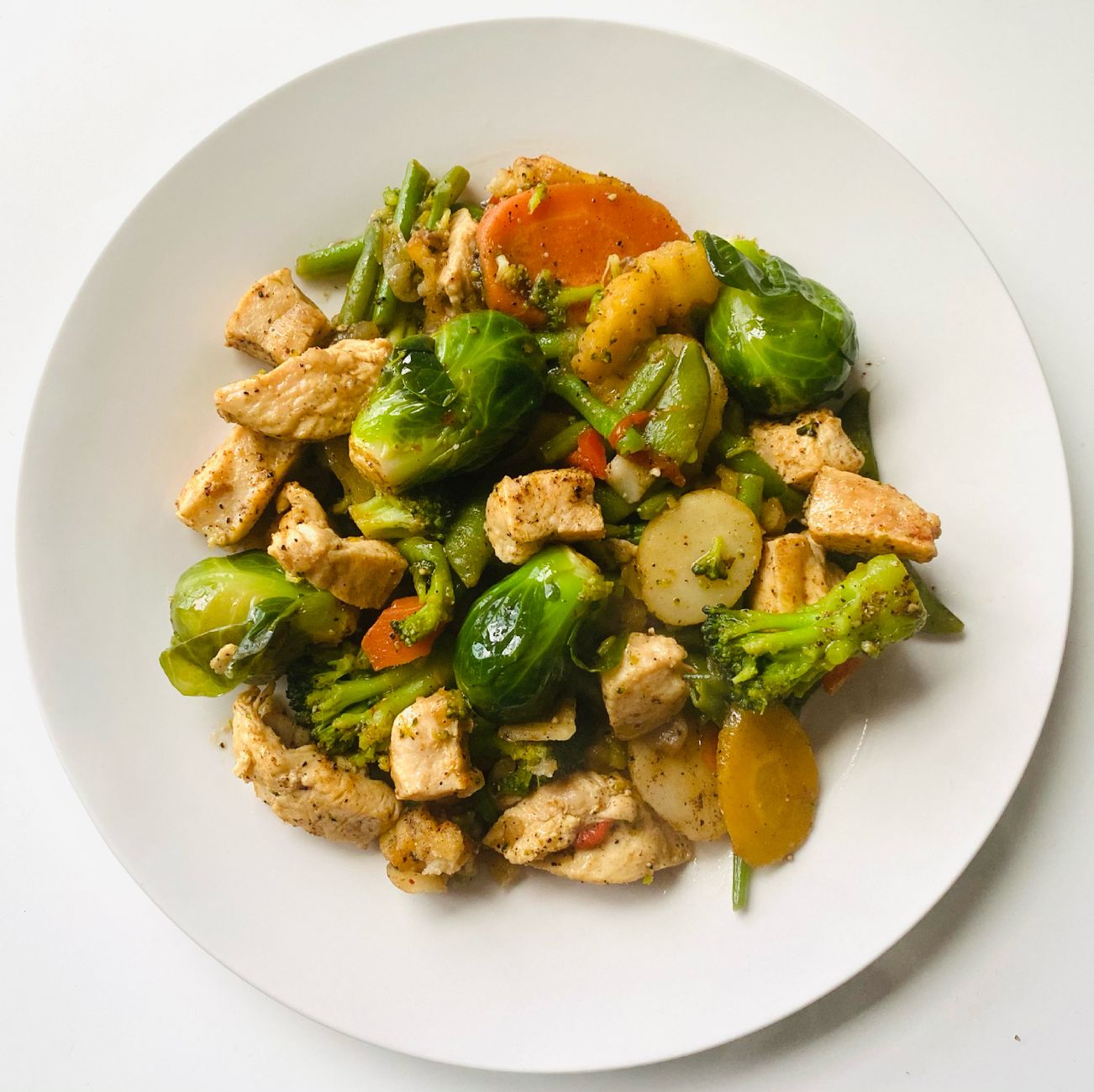
Photo by I Own My Food Art
This combo cuts spikes and helps your cells respond to insulin again. Over weeks, you notice steady energy. No more crashes.
Smart Meal Timing to Minimize Insulin Spikes
Time your meals to give your body a break. Recent studies suggest a 10 to 12 hour eating window works well for many. Eat from 8 a.m. to 6 or 7 p.m., then fast overnight. This isn’t magic, but it often leads to fewer calories overall. That’s the real win for insulin sensitivity.
Fewer meals help too. Skip constant snacking. Aim for two or three solid ones. Your insulin gets downtime between. A 2026 study found 10-hour windows lowered fasting sugar in people with type 2 diabetes after six months. Shorter trials showed less. The key? It matches natural rhythms and reduces liver fat.
Don’t force it if you’re new. Start with 12 hours. Your body adapts. Benefits stack with protein and fiber. Hunger drops, energy rises. In your diet plan for insulin resistance, this timing turns good food into great results. You sleep better and wake ready.
Best Foods to Eat Daily for Steady Blood Sugar
You need foods that release sugar slowly to keep your energy even and insulin working right. In your diet plan for insulin resistance, pick non-starchy veggies, berries, lean proteins, nuts, seeds, avocado, olive oil, and legumes. These pack fiber, omega-3s, and healthy fats.
They slow digestion, cut inflammation, and boost cell response to insulin. The American Diabetes Association backs this approach. It matches the Mediterranean style with plants, fish, and good fats. Studies show these choices lower diabetes risk and steady blood sugar better than processed picks.
Start your plate with these daily winners. They fit the 2025-2030 U.S. Dietary Guidelines for nutrient-dense meals. Pair them smart to avoid spikes. You’ll stay full and avoid crashes.
Veggies and Fruits That Won’t Spike Your Sugar
Load up on leafy greens, peppers, and broccoli first. Spinach, kale, and other greens offer high fiber that traps sugar in your gut. It releases slow so your blood stays even. Broccoli adds sulforaphane, which studies link to better fasting glucose. Peppers and asparagus bring vitamins without carbs. Fill half your plate, about two to three cups raw or one to two cups cooked.
Berries beat other fruits hands down. Blueberries, strawberries, and raspberries give fiber and antioxidants. They keep sugar steady with low impact. Stick to half to one cup fresh per serving. Skip high-sugar fruits like bananas or grapes; they hit harder.
These picks work because fiber delays carb absorption. You get steady energy without the afternoon slump. Try spinach salad with berries and olive oil at lunch. It pairs fiber with fat for max control.
Proteins and Fats Your Body Craves
Lean proteins like eggs, chicken, and salmon anchor your meals. Eggs provide complete protein that stabilizes energy with low insulin need. Grill chicken breast for lunch; it fills you without spikes. Eat fatty fish like salmon twice a week. Omega-3s in salmon fight inflammation and sharpen insulin sensitivity, per recent reviews.
Add full-fat dairy in moderation, like Greek yogurt. Nuts, seeds, avocado, and olive oil supply unsaturated fats. Almonds or walnuts offer magnesium that aids insulin function. One quarter cup nuts or half avocado per meal slows sugar uptake. Drizzle one tablespoon olive oil on veggies.
Legumes such as lentils or chickpeas blend protein and fiber. Half a cup cooked boosts control and fullness.
Palm-sized proteins, three to four ounces, give 20 to 30 grams. Pair eggs with spinach and avocado for breakfast. Salmon with broccoli and chickpeas makes dinner. Grilled chicken salad gets greens, berries, nuts, and olive oil dressing. These combos match ADA tips. They cut spikes and build sensitivity over time. You notice less hunger and more pep in days.
Foods That Harm Insulin Resistance and Better Swaps
Certain foods push your insulin resistance further by causing sharp blood sugar spikes and extra liver fat. The 2025-2030 U.S. Dietary Guidelines call out added sugars, refined grains, sugary drinks, and ultra-processed items like cereals and chips. They flood your system fast, force your pancreas to overwork, and build fat in your liver.
Excess saturated fats from too much butter or red meat add to the problem when they pair with carbs. In your diet plan for insulin resistance, spot these traps and swap them out. You’ll steady your blood sugar and feel energy return quick.
Sneaky Sugars and Grains to Ditch First
Added sugars top the list to cut. Guidelines set a max of 10 grams per meal for adults. That’s less than one soda or a handful of candy. These sugars hit your blood fast, spike insulin, and pack on liver fat over time. Sugary drinks make it worse; they deliver empty calories that drive obesity and resistance.
Refined grains follow close. White bread, white rice, cereals, and chips sit at the top of the food pyramid now. Eat them sparingly. They break down quick into sugar, worse than table sugar for some. Ultra-processed versions with additives crank up chronic disease risk. Packaged cereals or flour tortillas spike your glucose hard and leave you hungry soon after.
Ditch them in your diet plan for insulin resistance. Swap soda for water. It hydrates without the crash. Trade white rice for quinoa or oats. Whole grains release sugar slow thanks to fiber. Your cells get steady fuel. Liver fat drops, and hunger fades. One study showed people cut fasting sugar big after six months of these changes. Start today; your body thanks you.
High-Fat Traps and Healthier Alternatives
Saturated fats need limits too. Keep them under 10% of your calories. Butter and excess red meat count here. They inflame when you pair them with refined carbs, worsening spikes and liver fat. Quality sources help in small amounts, but overdo it and insulin sensitivity suffers.
Pick better fats instead. Olive oil drizzles easy on veggies; it fights inflammation with monounsaturated power. Fish like salmon brings omega-3s twice a week. They sharpen cell response to insulin. Nuts and avocados fill in; a quarter cup almonds slows sugar uptake.
Your diet plan for insulin resistance thrives on these swaps. Grill fish with olive oil and greens over a buttery steak. You cut spikes, drop inflammation, and stay full. Guidelines back low-carb patterns with these fats for many folks. Energy evens out, weight shifts, and risks fade. Simple changes pack real punch.
Your Simple 7-Day Diet Plan for Insulin Resistance
This diet plan for insulin resistance gives you a full week of real meals that hit 85 to 110 grams of protein daily. It follows ADA and USDA tips with half your plate non-starchy veggies, lean proteins, and low-glycemic carbs. Breakfasts feature veggie omelets. Lunches stick to salads.
Dinners mix fish or chicken with veggies. Snacks use nuts or berries. Eat every three to four hours. Drink water or unsweetened tea. Adjust portions for your size and activity. Track blood sugar if you can. Talk to your doctor before starting. You’ll build habits that steady energy and boost sensitivity.
Days 1-3: Build Steady Habits
Start simple to lock in routines. Vary proteins like eggs, chicken, and salmon with different veggies such as spinach, broccoli, and kale. Each day tops 95 grams of protein.
Here’s Day 1 in detail. It sets the pace at about 98 grams protein and 1,500 calories.
| Meal | Foods | Protein (g) |
|---|---|---|
| Breakfast | Veggie omelet (2 eggs, spinach, tomatoes, onions) + ½ cup berries | 25 |
| Snack | 1 oz almonds + celery sticks | 6 |
| Lunch | Grilled chicken salad (4 oz chicken, leafy greens, cucumber, olive oil dressing) + small apple | 30 |
| Snack | 5 oz low-fat Greek yogurt + berries | 15 |
| Dinner | Baked salmon (4 oz) with broccoli, carrots, ½ cup quinoa | 22 |
Day 2 swaps kale and peppers into the omelet. Add a slice of whole-grain toast. Lunch becomes tuna salad with mixed greens and nuts (102g protein total). Dinner uses grilled chicken with spinach and mashed cauliflower plus brown rice.
Day 3 keeps scrambled eggs with kale and onions in a small whole-grain tortilla. Lunch shifts to a chicken quinoa bowl with zucchini and peppers. Dinner brings baked cod, green beans, and half a sweet potato (95g protein). These meals fill you up. Veggies slow sugar release. Proteins keep hunger away.
Days 4-7: Mix It Up for Variety
Now add legumes like lentils and chickpeas for extra fiber. Try different fish such as tilapia or mackerel. Rotate veggies including snap peas, asparagus, and cauliflower. Protein stays 97 to 105 grams.
Day 4 starts with a mushroom-spinach omelet and berries. Lunch is turkey salad wrap in a whole-grain tortilla. Dinner stir-fries tofu with snap peas, peppers, and quinoa (105g protein). Day 5 scrambles eggs with tomatoes. Lunch grills tilapia salad. Dinner pairs chicken with garlic spinach and lentils (99g). Day 6 omelets broccoli and peppers. Lunch chicken salad gets avocado. Dinner bakes salmon with cauliflower and couscous (104g). Day 7 eggs with greens and pear. Lunch bakes chicken salad. Dinner mackerel hits with asparagus and barley (97g).
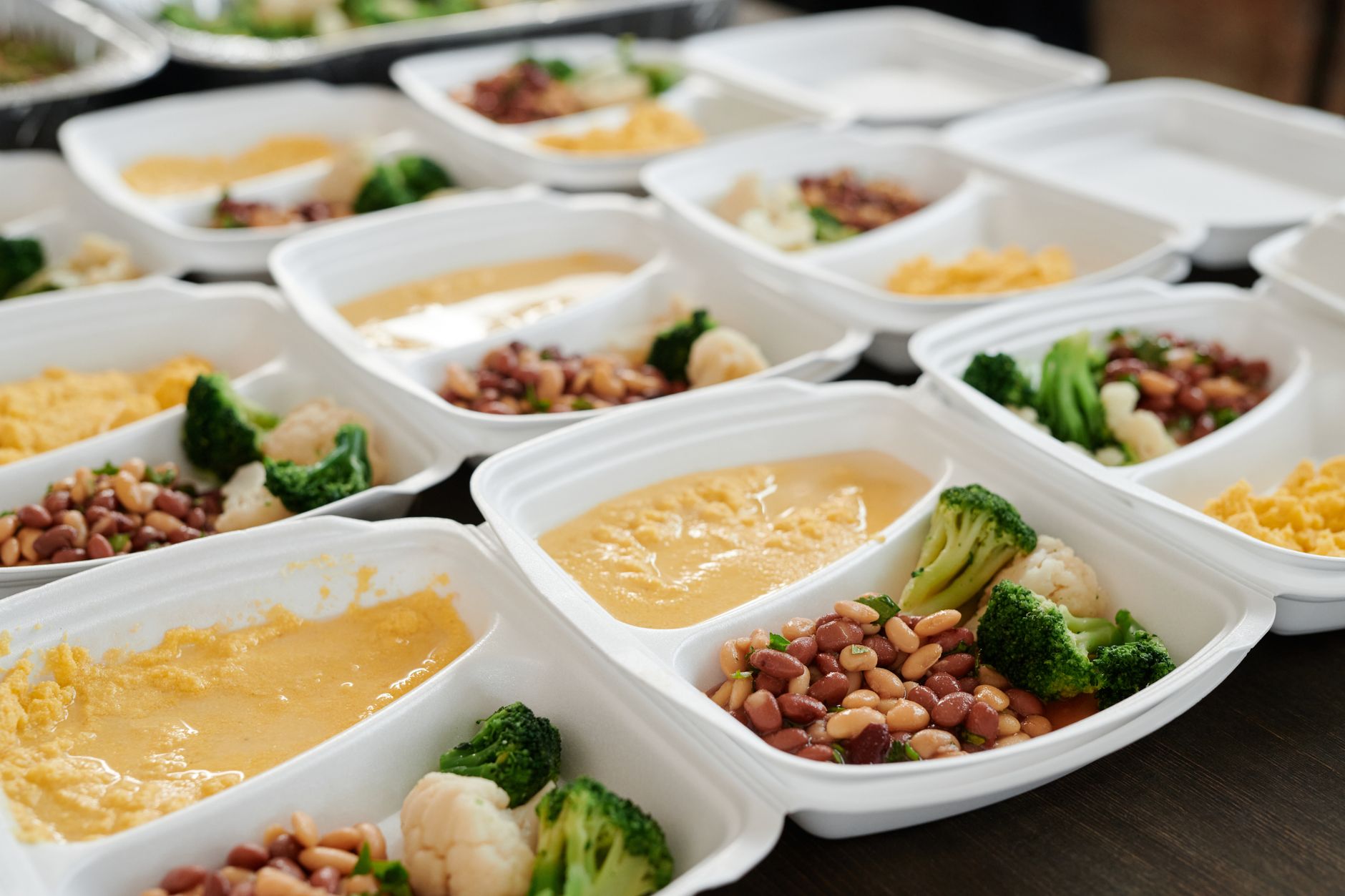
Photo by Julia M Cameron
Stock your kitchen right. Grab eggs, chicken breast (2 lbs), salmon and cod (1 lb each), canned tuna, low-fat Greek yogurt, spinach, broccoli, kale, berries, almonds, quinoa, lentils, and olive oil. Buy fresh weekly. Herbs add flavor without sugar. Prep veggies ahead. You’ll crave less junk and feel steady all day.
Conclusion
This diet plan for insulin resistance delivers steady energy, easier weight control, and lower risks for diabetes and heart issues. You swap spikes for balance with protein-packed meals, fiber-rich veggies, and smart timing. Recent 2025-2030 U.S. Dietary Guidelines back it up.
They push 1.2 to 1.6 grams of protein per kilogram of body weight daily. Studies show it works. A 2025 trial found folks eating whole fruits like mangoes gained better blood sugar control and less body fat than those on low-sugar bars. Omega-3 fish improved insulin sensitivity in others. High protein cut inflammation and triglycerides too.
Start small. Pick one day from the 7-day plan. Track your energy and hunger. Notice how crashes fade. Consult your doctor first, especially if you take meds. They can guide tweaks.
Back to Nutrition for Beginners
You may also find this Nutrition Geeks guide helpful: 12 Week Weight Loss Nutrition Program.
You may also find this Nutrition Geeks guide helpful: Unlock Your Potential: A Comprehensive Guide on How to Become a Herbalife Coach.
You may also find this Nutrition Geeks guide helpful: Explore the World of Herbalife Peru: Nutrition and Opportunities.
You may also find this Nutrition Geeks guide helpful: Discover the Benefits of Herbalife Proteinas for Your Health Goals.
You may also find this Nutrition Geeks guide helpful: Unlock Your Body’s Natural Healing: A Guide to Tension and Trauma Releasing Exercises.
You may also find this Nutrition Geeks guide helpful: Mastering the 4-Hour Marathon Pace: Your Ultimate Training Guide.