Disclosure: This post may contain affiliate links, meaning if you decide to make a purchase through my links I may earn a commission at no additional cost to you. See my disclosure for more info.
So, you’re looking to make some awesome greek chicken gyros at home? I get it. Those street cart gyros are amazing, but making them yourself? That’s a whole other level of satisfaction. It might seem a bit much at first, but honestly, it’s pretty straightforward once you break it down. We’re going to go through it step-by-step, from getting that chicken super flavorful to wrapping it all up perfectly. Let’s get cooking!
Key Takeaways
- Marinate chicken thighs for at least an hour, or preferably overnight, to really soak up the flavors.
- Cook the chicken until it’s nicely browned and reaches an internal temperature of 165°F (75°C).
- Let the cooked chicken rest briefly before slicing it thinly for the best texture.
- Warm your pita bread until it’s soft and pliable, making it easier to assemble.
- Assemble your greek chicken gyros with chicken, fresh veggies, and creamy tzatziki sauce, then fold and serve.
Crafting The Perfect Greek Chicken Gyros Marinade
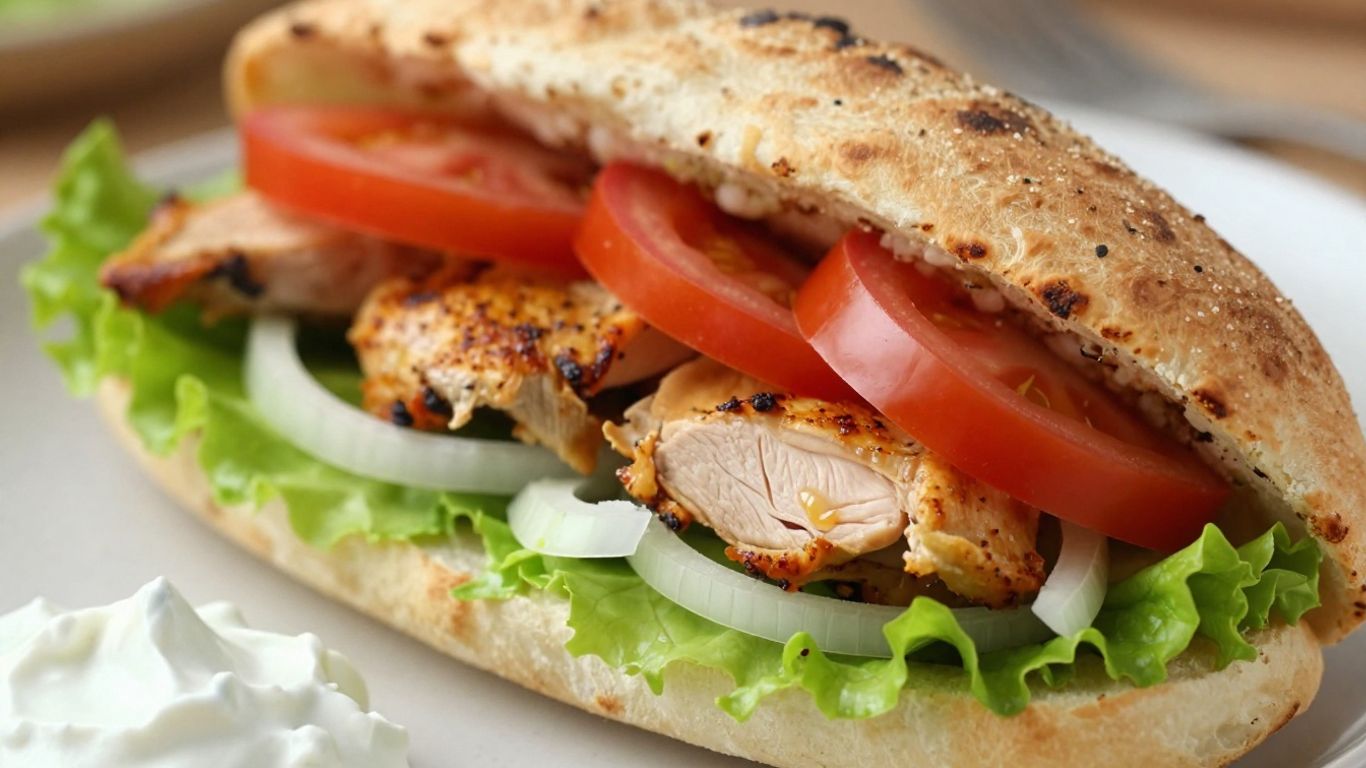
Alright, let’s get down to business with the heart of any good gyro: the marinade. This is where the chicken really gets its flavor, so we don’t want to rush this part. Think of it as giving the chicken a little spa treatment before it hits the heat.
Explore more NutritionGeeks guides related to wellness, recovery, nutrition and active lifestyle support.
Essential Marinade Ingredients
To get that authentic taste, you’ll need a few key players. We’re talking about good quality olive oil as the base, some bright red wine vinegar to cut through the richness, and plenty of garlic because, well, it’s garlic. Then comes the herb party: dried oregano is a must for that classic Greek vibe, a little cumin for warmth, and smoked paprika for a hint of smokiness that mimics that outdoor grill flavor. Don’t forget salt and pepper to make everything taste like, you know, food.
Here’s a quick rundown of what you’ll need for about a pound of chicken thighs:
More NutritionGeeks Wellness Guides
Explore more NutritionGeeks guides connected to wellness, recovery, hydration, energy, sleep and active lifestyle nutrition.
| Ingredient | Amount |
|---|---|
| Boneless, skinless chicken thighs | 1 lb (450g) |
| Olive oil | 3 tablespoons |
| Red wine vinegar | 2 tablespoons |
| Garlic, minced | 3 cloves |
| Dried oregano | 1 tablespoon |
| Ground cumin | 1 teaspoon |
| Smoked paprika | 1 teaspoon |
| Salt and pepper | To taste |
Marinating The Chicken Thighs
Once you’ve got your ingredients, it’s time to mix them up. Just toss everything into a bowl and whisk it until it’s all combined. Then, add your chicken thighs. Make sure each piece is nicely coated in that flavorful mixture. You can use a bowl, just cover it up, or if you want to make cleanup easier, just pop it all into a zip-top bag. Then, into the fridge it goes.
Achieving Deep Flavor Penetration
This is the part where patience really pays off. You need to let that marinade do its thing. A minimum of one hour is good, but honestly, if you can let it go overnight, you’ll get a much deeper flavor. The longer it sits, the more those herbs, garlic, and vinegar work their way into the chicken, making it super tender and tasty. It’s worth the wait, trust me.
Letting the chicken marinate for an extended period, ideally overnight, allows the flavors to really soak in. This step is what transforms simple chicken into the star of your gyro, making it incredibly juicy and packed with taste.
Cooking Your Greek Chicken Gyros To Perfection
Grilling Or Skillet Preparation
Alright, so you’ve got that beautifully marinated chicken ready to go. Now it’s time to get it cooked. You’ve got two main paths here: the grill or a good old-fashioned skillet. Both work great, but they give slightly different results. Grilling gives you those lovely smoky notes and those signature char marks that just scream ‘authentic gyro.’ If you’re going the grill route, make sure those grates are clean and lightly oiled so the chicken doesn’t stick. A cast-iron skillet is your best friend if you’re cooking indoors. Get it nice and hot over medium-high heat. You want a good sear on that chicken.
Achieving Signature Char Lines
Those dark, slightly crispy bits on the chicken are where a lot of the flavor lives. To get them, you really need to let the chicken cook undisturbed for a few minutes on each side. Don’t crowd the pan or the grill; give each piece some space. This allows the heat to circulate properly and caramelize the marinade. If you’re using a grill, placing the chicken directly over the hottest part of the coals or burner for a minute or two at the end can really boost those char marks. It’s all about getting that nice contrast between the tender inside and the flavorful, slightly crispy outside.
Ensuring Proper Internal Temperature
This is super important, folks. Nobody wants undercooked chicken, right? The goal temperature for chicken is 165°F (75°C). The best way to check this is with an instant-read thermometer. Just stick it into the thickest part of a chicken thigh. If it reads 165°F, you’re good to go. If not, give it a little more time. Cooking time can vary a bit depending on how thick your chicken pieces are and how hot your grill or skillet is. It usually takes about 5-7 minutes per side. Remember, the chicken will continue to cook a little bit even after you take it off the heat, so pulling it off right at 165°F is perfect.
Resting And Slicing The Chicken
Alright, so you’ve got that beautifully cooked chicken, smelling amazing and looking perfectly charred. Don’t just hack into it right away! Giving the chicken a little break after cooking is actually a pretty big deal. This resting period lets all those tasty juices that have been pushed to the center during cooking redistribute back through the meat. If you cut too soon, all that goodness just runs out onto your cutting board, leaving you with drier chicken. Patience here really pays off.
Once the chicken has had its little spa moment, it’s time to slice it up. You want to aim for thin, bite-sized strips. This makes it way easier to get a good mix of chicken and toppings in every single bite of your gyro. Plus, thin slices just feel right for a gyro, you know?
Here’s a quick rundown on how to get it just right:
- Let it rest: Aim for about 5-10 minutes after taking it off the heat. You can cover it loosely with foil if you’re worried about it cooling down too much.
- Slice against the grain: Look at the direction the muscle fibers are running in the chicken thigh. Slice across those fibers. This makes the meat more tender.
- Go thin: Try to get your slices as uniform and thin as possible. This helps with texture and makes assembly a breeze.
This simple step of resting the chicken before slicing is a game-changer for juicy, flavorful gyros. It might seem like an extra step, but it makes a noticeable difference in the final taste and texture of your chicken.
Think of it like this: you’ve put in all this effort to marinate and cook the chicken perfectly. A few extra minutes of waiting will make sure that effort translates into the best possible gyro experience.
Warming Pita And Preparing Toppings
Warming Pita Breads
Getting the pita just right is key. You don’t want it stiff or dried out, but warm and soft so it folds nicely. A quick way to do this is on a dry skillet over medium heat. Just a minute or so per side should do it. You’re looking for a little bit of puff and warmth, not a crispy cracker. If you’re doing a bunch, wrapping them in foil and popping them in a warm oven (around 300°F or 150°C) for about 5-10 minutes works well too.
Fresh Vegetable Preparations
This is where you add that fresh crunch and color. We’re talking about simple, good stuff.
- Tomatoes: Pick ripe ones and dice them up. Not too big, not too small.
- Cucumbers: A medium cucumber, diced, adds a cool, refreshing bite.
- Red Onion: Slice it super thin. If you find raw onion a bit strong, you can soak the slices in cold water for about 10 minutes to mellow them out a bit.
Crafting Creamy Tzatziki Sauce
While you can buy tzatziki, making it yourself is pretty straightforward and tastes way better. The base is thick Greek yogurt. You’ll want to mix in some grated cucumber (squeeze out the extra water!), a clove or two of minced garlic, a splash of lemon juice, and a bit of dried dill or fresh parsley. Season with salt and pepper. It’s the cool, creamy counterpoint to the warm, savory chicken. Let it sit in the fridge for at least 15 minutes so the flavors can meld together. It’s really not complicated at all.
The magic of a great gyro isn’t just one thing; it’s how all the parts come together. The warm, yielding pita, the cool, tangy sauce, and the crisp veggies all play their role. Don’t rush this part; it makes a difference.
Assembling Your Authentic Greek Chicken Gyros
Alright, we’ve done the hard work – the chicken is cooked and sliced, the pitas are warm, and the toppings are prepped. Now comes the fun part: putting it all together. This is where your gyro transforms from a collection of ingredients into a delicious, handheld meal.
Layering The Fillings
Think of this as building a flavor tower. You want everything to fit nicely and be easy to bite into. Start with your warm pita as the base. Then, pile on that juicy, seasoned chicken. Don’t be shy with it! Next, add your fresh veggies – the crisp cucumber, ripe tomato, and sharp red onion. These add a nice crunch and freshness that cuts through the richness of the chicken.
The Art Of The Fold
This is where a little technique comes in handy. Lay your loaded pita flat. If you’ve got a lot of fillings, try to keep them somewhat centered. Gently fold one side of the pita over the fillings, then tuck in the other side to create a sort of pocket. It’s not about making it perfectly neat; it’s about making it hold together so you don’t lose any of those tasty bits.
The goal here is a gyro that’s easy to hold and eat without everything falling out. A little tucking and folding goes a long way.
Serving Suggestions For Easy Handling
Once your gyro is folded, you might want to wrap it. Parchment paper or foil works great for this. It keeps everything contained and makes it less messy to eat, especially if you’re on the go. You can also serve them open-faced on a plate if you prefer, with extra tzatziki on the side for dipping. For a real feast, arrange a few gyros on a platter with some lemon wedges and extra toppings for people to add more if they like.
Customizing Your Greek Chicken Gyros
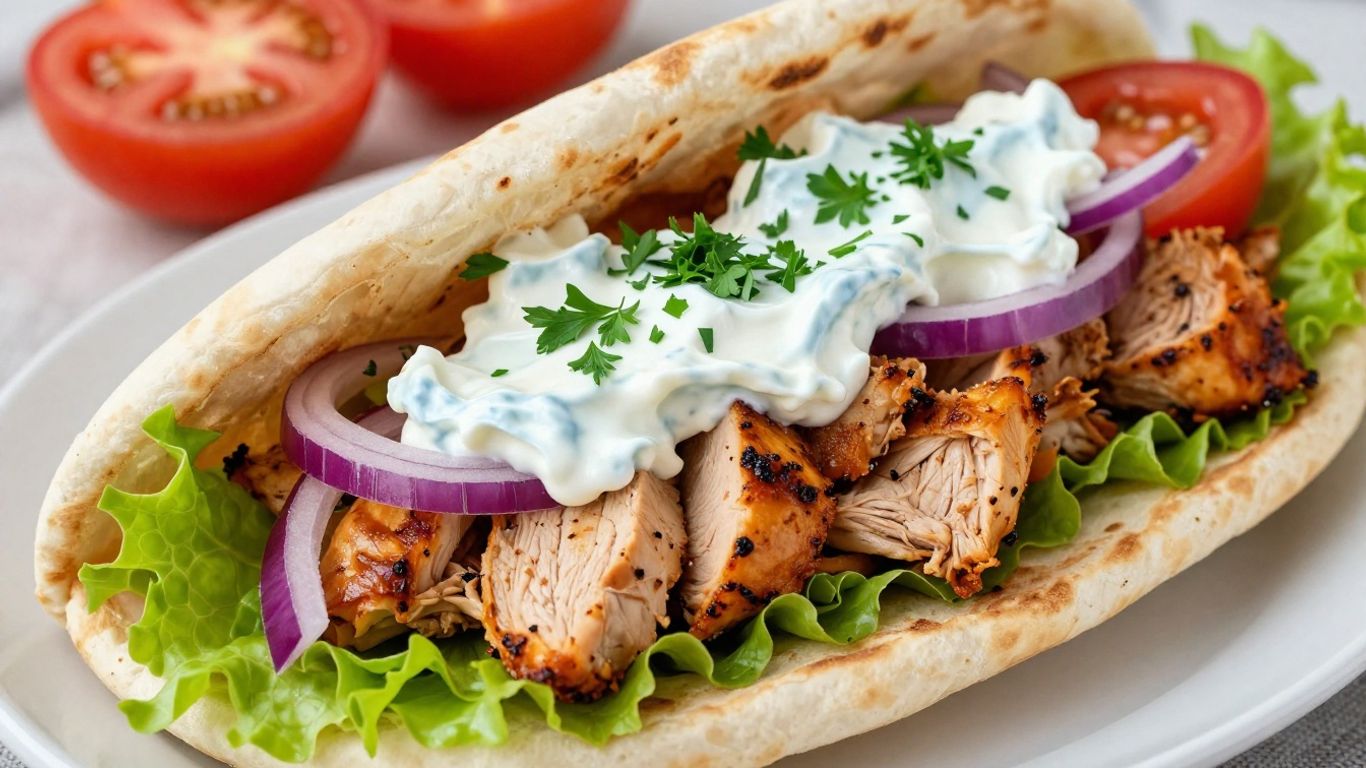
So, you’ve nailed the basic gyro, but what if you’re feeling a little adventurous? Or maybe you’ve got some picky eaters to please. That’s where the fun of customization comes in. It’s not just about following a recipe; it’s about making it your own. The beauty of a gyro is its flexibility.
Alternative Protein Options
While chicken thighs are fantastic, they aren’t the only game in town. If you’re looking for something different, consider these swaps:
- Lamb: Thinly sliced lamb shoulder, marinated similarly to the chicken, offers a richer, more traditional gyro flavor. Cook it until it’s tender and slightly crispy.
- Pork: Pork shoulder is another great choice. Cut it into thin strips and marinate it well. It takes on flavors beautifully and becomes wonderfully tender when cooked.
- Beef: While less common for traditional gyros, thinly sliced beef sirloin or flank steak can work. Marinate it for a shorter time, as beef can toughen up quickly.
Exploring Additional Toppings
Beyond the standard cucumber, tomato, and onion, there’s a whole world of toppings to explore. Think about adding some extra layers of flavor and texture:
- Feta Cheese: Crumbled feta adds a salty, tangy kick that pairs perfectly with the other ingredients.
- Kalamata Olives: These briny, flavorful olives bring a distinct Mediterranean taste.
- Pickled Peppers: Jalapeños or pepperoncini add a nice bit of heat and acidity.
- Shredded Lettuce: For a bit of fresh crunch, a small amount of shredded iceberg or romaine lettuce works well.
Spice and Herb Variations
Don’t be afraid to play with the marinade and finishing touches. A few tweaks can make a big difference:
- Smoked Paprika: If you like a smoky flavor, a little extra smoked paprika in the marinade is a good move.
- Cumin: This earthy spice adds depth. A bit more cumin can give your chicken a warmer profile.
- Fresh Herbs: While dried oregano is classic, consider adding fresh dill or parsley to the marinade or as a garnish. They bring a bright, fresh note.
Remember, the goal is to create a balanced flavor profile. If you add something spicy, maybe balance it with something creamy. If you go heavy on the herbs, make sure there’s enough acidity to cut through.
Here’s a quick look at how different additions might change the flavor profile:
| Addition | Flavor Profile Change | Notes |
|---|---|---|
| Feta Cheese | Salty, Tangy | Adds a sharp, briny contrast. |
| Kalamata Olives | Briny, Rich | Deepens the Mediterranean character. |
| Pickled Peppers | Spicy, Acidic | Cuts through richness, adds a kick. |
| Fresh Dill | Bright, Herbal | Lifts the overall flavor, very refreshing |
| Smoked Paprika | Smoky, Warm | Adds a subtle, pleasant smokiness. |
Enjoy Your Homemade Gyros!
So there you have it – your very own authentic Greek chicken gyros, made right in your kitchen. It might have seemed like a lot at first, but hopefully, you saw how each step just builds on the last. From that flavorful marinade to the perfectly cooked chicken and that cool, creamy tzatziki, you’ve created something pretty special. Now, go ahead and wrap them up, maybe with some fries or a salad on the side, and dig in. It’s a taste of Greece that’s totally worth the effort. Don’t be a stranger, let us know how yours turned out in the comments!
Frequently Asked Questions
What’s the best way to get my chicken super flavorful?
The secret is in the marinade! Letting chicken thighs soak in a mix of olive oil, vinegar, garlic, and herbs for at least an hour, or even better, overnight, really makes a difference. It helps the flavors sink deep into the meat.
How do I make sure my chicken has those cool grill marks?
Get your grill or skillet nice and hot before adding the chicken. If you’re grilling, make sure the grates are clean and lightly oiled. Don’t move the chicken around too much while it’s cooking on one side; let it get a good sear before flipping.
Can I use chicken breast instead of thighs?
You sure can! Chicken breast is a leaner choice. Just be careful not to overcook it, as it can dry out faster than thighs. Thighs usually stay juicier and have more flavor.
What if I don’t have time to make tzatziki sauce from scratch?
No worries! You can buy pre-made tzatziki sauce at most grocery stores. Or, if you have Greek yogurt, you can quickly mix it with some grated cucumber (squeeze out the water!), a little garlic, and lemon juice for a super simple version.
How should I store leftovers?
It’s best to keep everything separate. Store the cooked chicken, veggies, and pita bread in different airtight containers in the fridge. Reheat the chicken and warm the pita just before you’re ready to assemble and eat them again.
Can I make gyros with other meats besides chicken?
Absolutely! Traditional gyros are often made with lamb or pork. You can also try beef. Just prepare them similarly with a good marinade and cook them until they’re done.