Disclosure: This post may contain affiliate links, meaning if you decide to make a purchase through my links I may earn a commission at no additional cost to you. See my disclosure for more info.
So, you’re curious about the Herbalife Chocolate Peanut Protein Bar nutrition information? It’s one of those snacks people grab, but what’s actually in it? We’re going to break down what you’re eating, from the protein to the sugar. Think of this as your no-nonsense guide to understanding this popular bar.
Supplement note: This guide is for educational purposes only and is not medical advice. Always speak with your doctor before using supplements, especially if you are pregnant, nursing, taking medication, or managing a medical condition.
Key Takeaways
- The Herbalife Chocolate Peanut Protein Bar offers a decent amount of protein, which is good for feeling full.
- When looking at the herbalife chocolate peanut protein bar nutrition information, pay attention to the sugar content, especially added sugars.
- The bar provides some carbohydrates for energy, but it’s important to see how much of that is from sugars.
- Fiber is present, which can help with digestion, but check the total amount to see if it meets your needs.
- Be aware of potential allergens like soy and dairy, and consider if the bar fits your personal diet goals.
Herbalife Chocolate Peanut Protein Bar: A Nutritional Overview
So, you’ve got your hands on one of these Herbalife Chocolate Peanut Protein Bars and you’re wondering what’s actually inside, right? It’s not just about the taste, though that’s a big part of it. We’re going to break down what makes this bar tick, nutritionally speaking.
When we talk about macros, we’re looking at the big three: protein, carbs, and fats. These are the building blocks that give us energy and help our bodies function. For this particular bar, the balance of these is pretty interesting.
Explore more NutritionGeeks guides related to wellness, recovery, nutrition and active lifestyle support.
- Protein: This is usually the star of the show in a protein bar, and Herbalife’s offering is no different. It’s designed to help you feel full and support muscle repair.
- Carbohydrates: These provide your body with energy. We’ll look closer at the types of carbs and sugars later on.
- Fats: Fats are also a source of energy and play a role in nutrient absorption. We’ll get into the specifics of the fats in this bar.
Key Vitamins and Minerals Present
Beyond the main macros, protein bars can also pack in some important micronutrients. While this bar isn’t a multivitamin, it does contribute a few key players to your daily intake. It’s always good to know what else you’re getting besides just protein and calories.
Here’s a quick look at some of the vitamins and minerals you might find:
More NutritionGeeks Wellness Guides
Explore more NutritionGeeks guides connected to wellness, recovery, hydration, energy, sleep and active lifestyle nutrition.
- Calcium
- Iron
- Potassium
It’s worth noting that the amounts can vary, so always check the packaging for the most precise details. Getting a little extra boost from your snack is always a nice bonus, isn’t it?
This bar aims to provide a convenient way to get a decent amount of protein and energy, making it a popular choice for people on the go. It’s designed to fit into a balanced lifestyle, offering a mix of nutrients that can support your daily activities.
For a single serving, which is typically around 35g, you’re looking at approximately 139 calories. This gives you a good idea of its energy contribution right off the bat. It’s a pretty standard calorie count for a snack bar of this type, fitting nicely into daily energy intake goals without being too heavy.
Decoding The Herbalife Chocolate Peanut Protein Bar Ingredients
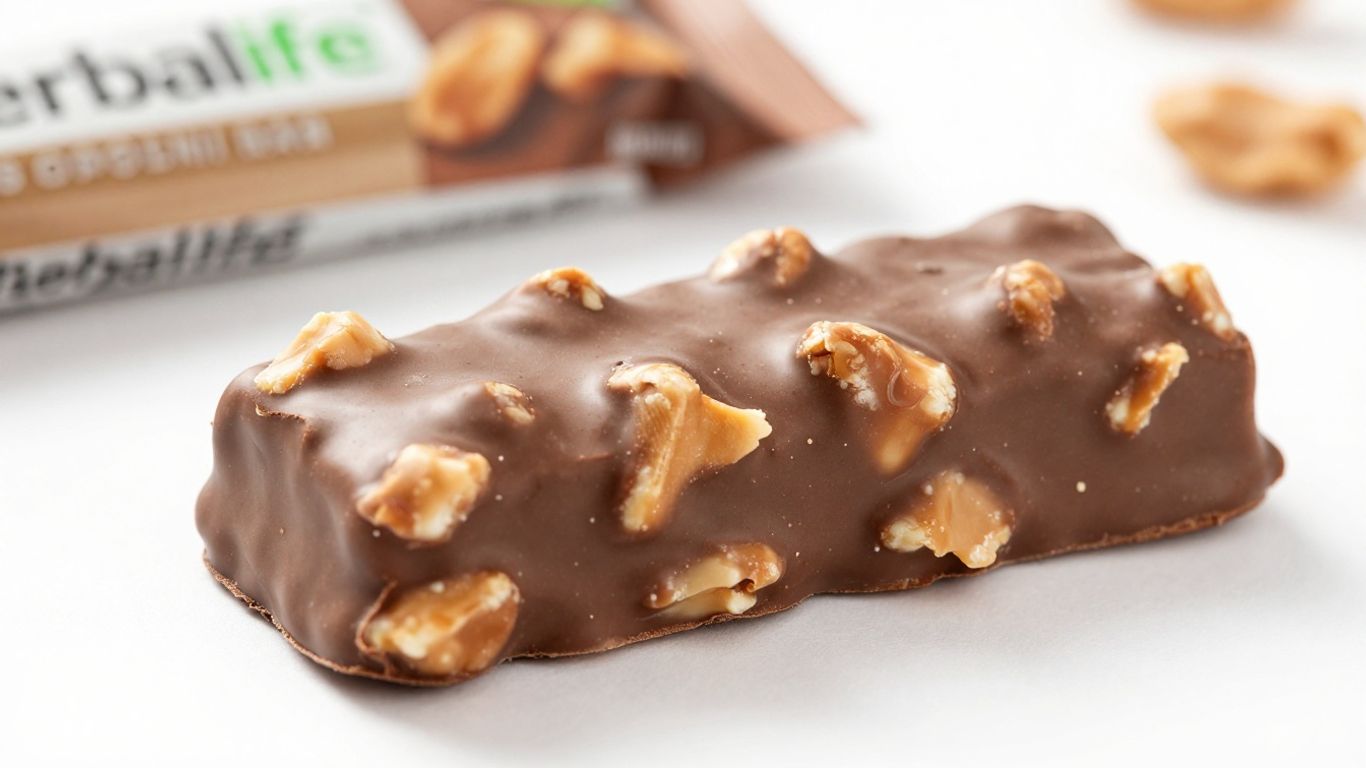
Protein Sources And Their Benefits
Alright, let’s get down to what makes this bar tick. The main star here, as you’d expect from a protein bar, is the protein itself. Herbalife uses a blend, typically including whey protein isolate and sometimes soy protein isolate. Whey is known for being a complete protein, meaning it has all the amino acids your body needs, and it’s absorbed pretty quickly. This makes it great for post-workout recovery. Soy protein is also a good option, especially for those looking to avoid dairy, and it offers its own set of benefits.
Carbohydrate Content And Sugar Breakdown
When we look at the carbs, it’s not just about the total amount, but where they come from. You’ll find carbohydrates from sources like maltodextrin and various sugars. Maltodextrin is a type of processed carbohydrate that can be digested quickly, providing energy. It’s important to see how this adds up with the other sugars present in the bar.
Fat Composition: Healthy Versus Unhealthy Fats
Fat is another big piece of the puzzle. This bar usually contains fats from sources like peanuts and possibly some added oils. Peanuts themselves offer a mix of fats, including monounsaturated and polyunsaturated fats, which are generally considered the healthier types of fats. However, it’s always good to check the overall fat content and the types of oils used to get a full picture.
Calorie Count And Energy Contribution
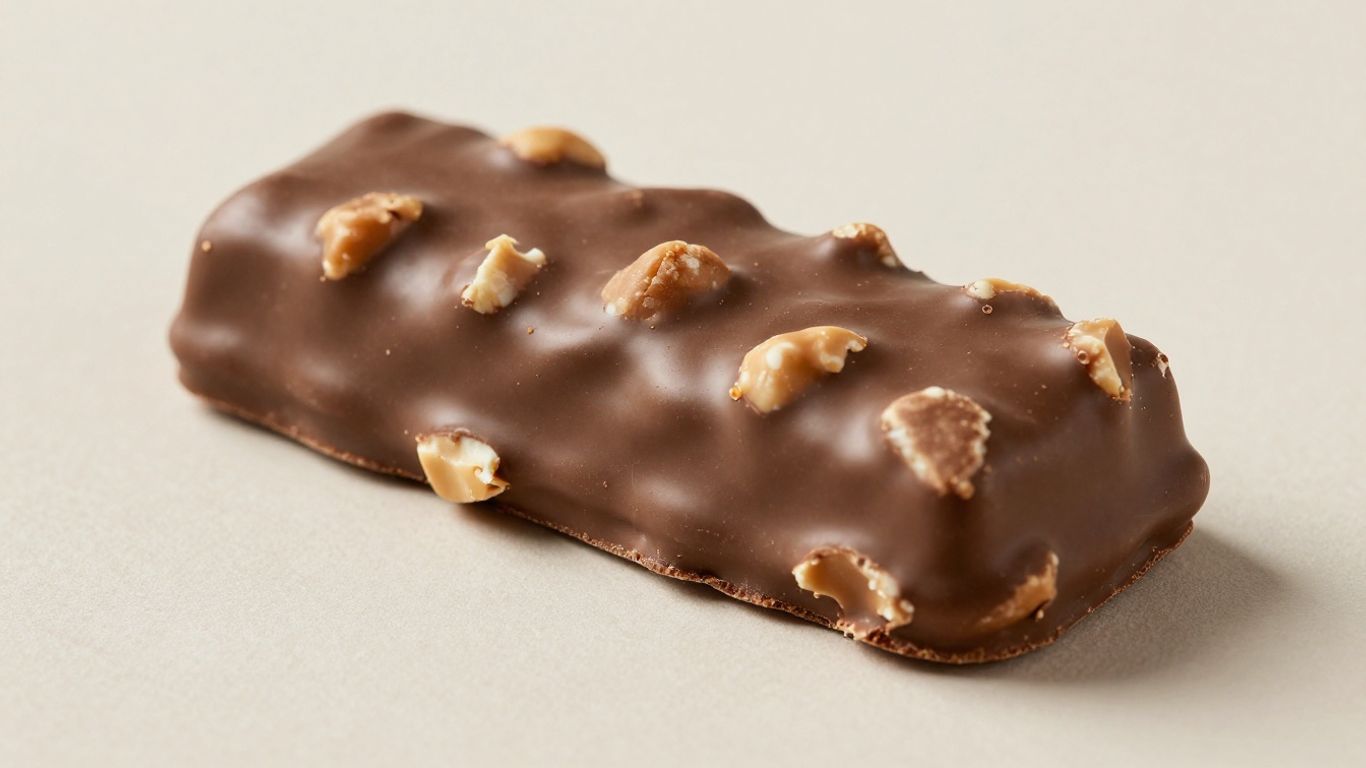
Total Calories Per Serving
So, how many calories are we talking about with the Herbalife Chocolate Peanut Protein Bar? Each bar packs a decent punch, coming in at around 200 calories. This isn’t a light snack, but it’s also not a full meal replacement. It’s designed to give you a solid energy boost, especially when you need something substantial between meals or after a workout. It’s important to know this number to fit it into your daily intake goals.
Impact On Daily Energy Intake
Thinking about those 200 calories in the context of your whole day is key. If you’re aiming for, say, 2000 calories a day, one bar is about 10% of that. This means it can be a good option if you’re feeling a bit low on energy and need a pick-me-up that also provides some protein and other nutrients. It’s not just empty calories; the protein and other components help make that energy last longer. You can check out more details on how this bar supports your energy needs on the Herbalife product page.
When considering the calorie count, remember to look at the whole picture. It’s not just about the number itself, but what you’re getting for those calories. Protein, carbs, and fats all play a role in how that energy is used by your body.
Here’s a quick look at the general breakdown:
- Protein: Contributes to satiety and muscle support.
- Carbohydrates: Provide immediate energy.
- Fats: Offer sustained energy release.
Examining Sugar Content And Sweeteners
Let’s talk about the sweet stuff in the Herbalife Chocolate Peanut Protein Bar. It’s easy to grab a bar and not think twice about what’s making it taste good, but it’s worth a closer look, especially if you’re watching your sugar intake.
Natural Sugars Versus Added Sugars
When you see sugar listed on a nutrition label, it can be a mix of naturally occurring sugars and those that have been added during processing. Natural sugars are found in ingredients like fruit or milk. Added sugars, on the other hand, are put in to boost flavor or texture. It’s the added sugars that we often need to be more mindful of.
Artificial Sweeteners And Their Role
Sometimes, manufacturers use artificial sweeteners to make products sweet without adding a lot of calories or sugar. These are chemicals that taste sweet but don’t provide energy. They can be helpful for people trying to cut down on sugar, but their use is a topic of discussion for some.
The bar aims for a balance, providing a satisfying taste while keeping the sugar profile in check. Understanding where the sweetness comes from helps you make informed choices about your snacks.
Here’s a quick breakdown of what you might find:
- Naturally Occurring Sugars: These come from the ingredients themselves.
- Added Sugars: These are sugars put in during manufacturing.
- Sweeteners: This category can include both sugar alcohols and artificial sweeteners.
It’s always a good idea to check the nutrition facts panel for the exact amounts and types of sweeteners used. This gives you the clearest picture of what you’re consuming.
Fiber Content And Digestive Health
Soluble Versus Insoluble Fiber
When you look at the nutrition label for the Herbalife Chocolate Peanut Protein Bar, you’ll see a section for fiber. This isn’t just filler; fiber plays a big role in how your body works, especially your digestive system. There are two main types: soluble and insoluble. Soluble fiber dissolves in water and forms a gel-like substance. Think of it like a sponge, soaking things up. Insoluble fiber, on the other hand, doesn’t dissolve. It adds bulk to your stool, helping things move along more smoothly. Both types are important for keeping your gut happy.
Contribution To Daily Fiber Needs
So, how much fiber does this bar actually give you? It’s good to know where you stand with your daily intake. Most adults need a good amount of fiber each day to stay healthy. The exact amount can vary, but aiming for around 25-30 grams is a common recommendation. Let’s break down what the Herbalife Chocolate Peanut Protein Bar offers:
- Total Fiber per Bar: [Insert specific gram amount here, e.g., 5 grams]
- Percentage of Daily Value: [Insert percentage here, e.g., 20%]
This means one bar can contribute a decent chunk towards your daily goal. It’s not a magic bullet for fiber intake, but it can certainly help you get closer.
Keeping your fiber intake up is more than just avoiding constipation. It’s linked to feeling fuller for longer, which can be helpful if you’re watching your weight. Plus, a healthy gut microbiome, supported by fiber, is connected to all sorts of good health outcomes. It’s one of those simple things that makes a big difference over time.
Allergen Information And Dietary Considerations
Common Allergens In The Bar
When you’re looking at any packaged food, especially something like a protein bar, checking for allergens is a big deal. For the Herbalife Chocolate Peanut Protein Bar, the main things to watch out for are peanuts and milk. These are pretty standard ingredients in many protein bars, but it’s always good to be aware. The bar is made in a facility that also handles other common allergens, so there’s a chance of cross-contamination. This means if you have a severe allergy to things like soy, tree nuts, or even wheat, you’ll want to be extra careful.
Here’s a quick rundown of what’s typically in there:
- Peanuts: Obviously, given the name.
- Milk Derivatives: Often found in whey protein or other dairy-based components.
- Soy: Can be present in soy lecithin or other soy-derived ingredients.
- Tree Nuts: While not always a primary ingredient, they can be present due to shared equipment.
- Wheat: Sometimes used in coatings or as a binder.
Always check the most current packaging for the definitive allergen statement, as formulations can change.
Suitability For Specific Diets
So, who can enjoy this bar, and who might need to steer clear? If you’re following a vegetarian diet, this bar is generally a good fit, as it doesn’t contain meat products. However, if you’re vegan, you’ll want to skip it because of the milk derivatives. People watching their sodium intake might find it a bit high, so keep that in mind. It’s also not ideal for those strictly avoiding gluten, given the potential for wheat cross-contamination. For anyone managing blood sugar, the carbohydrate and sugar content, even with added fiber, means it should be consumed mindfully as part of a balanced meal plan.
It’s really about knowing your own body and your dietary needs. What works for one person might not be the best choice for another, especially when dealing with allergies or specific eating plans. Reading labels isn’t just a suggestion; it’s a necessity for many people.
So, What’s the Verdict on the Herbalife Chocolate Peanut Protein Bar?
Alright, so we’ve taken a good look at what’s inside that Herbalife Chocolate Peanut Protein Bar. It seems like it could be a decent option if you’re looking for a quick protein boost, especially after a workout or when you need a snack on the go. Just remember, it’s not exactly a health food miracle. Keep an eye on the sugar and fat content, and think about how it fits into your overall eating plan. Like most things, it’s probably best enjoyed in moderation as part of a balanced diet. Don’t just grab it without thinking; know what you’re putting into your body. That’s the main takeaway here.
Frequently Asked Questions
What are the main things in the Herbalife Chocolate Peanut Protein Bar?
This bar is packed with protein, carbs, and fats. It also has some vitamins and minerals that are good for your body.
How much protein is in one bar?
The protein content is a key feature, helping you feel full and supporting muscle. You’ll find a good amount of it in each bar.
Does this bar have a lot of sugar?
It’s important to check the sugar. Some sugars come naturally from ingredients, but there might also be added sugars. We’ll break down exactly how much sugar is in there.
Are there any hidden ingredients I should know about?
We’ll look at the full list of ingredients to see what makes the bar taste good and what kind of protein and fats are used.
Is this bar good for my digestion?
Fiber is important for your tummy. We’ll see how much fiber the bar has and if it helps with digestion.
Who shouldn’t eat this bar?
If you have allergies, like to nuts or dairy, you’ll need to check the ingredients carefully. We’ll list out common allergens.
You may also find this Nutrition Geeks guide helpful: Best Diet for Improving Running Speed.
You may also find this Nutrition Geeks guide helpful: Fitness and Nutrition Program for Beginners.
You may also find this Nutrition Geeks guide helpful: Unlock Your Potential: A Comprehensive Guide on How to Become a Herbalife Coach.
You may also find this Nutrition Geeks guide helpful: Herbalife Weight Gain Price in India: What You Need to Know Before Buying.
You may also find this Nutrition Geeks guide helpful: GigantX Reviews: Unpacking Real User Experiences and Expert Opinions.
You may also find this Nutrition Geeks guide helpful: Your Guide: How to Become a Herbalife Distributor in South Africa.
You may also find this Nutrition Geeks guide helpful: Unlocking Wellness: The Surprising Benefits of Guava Leaves for Women.
You may also find this Nutrition Geeks guide helpful: Achieving Your Sub-2 Hour Half Marathon Pace: A Practical Guide.