Disclosure: This post may contain affiliate links, meaning if you decide to make a purchase through my links I may earn a commission at no additional cost to you. See my disclosure for more info.
When you’re looking to shake up your diet, whether for weight loss or just a nutritional boost, you’ve probably seen Herbalife and Shakeology pop up. Both are popular meal replacement shakes, but they’re not quite the same. I will be breaking down the Herbalife vs Shakeology debate, looking at what’s inside, how they taste, and what you get for your money. It can be a bit confusing with all the options out there, so let’s make it simple.
Herbalife vs Shakeology Post Takeaways
- Shakeology generally has more protein per serving than Herbalife, which can help you feel fuller longer.
- Shakeology is often described as having a smoother texture, while some users find Herbalife can taste chalky.
- Herbalife is typically more affordable per serving compared to Shakeology.
- Shakeology boasts a more extensive ingredient list, including prebiotics and digestive enzymes, which some users feel offer broader health benefits beyond basic nutrition.
- Both shakes offer convenience and portion control, but individual preferences for taste, texture, and price will likely determine the best choice for you.
Understanding Meal Replacement Shakes
What Are Meal Replacement Shakes?
So, what exactly are these meal replacement shakes everyone’s talking about? Basically, they’re designed to take the place of one of your regular meals. Think of them as a convenient, pre-portioned package of nutrients. Most of them come as a powder you mix with a liquid, like water or milk, though some are ready to drink right out of the bottle.
The main idea is to give your body a balanced mix of protein, carbs, and fats, plus a good dose of vitamins and minerals, all in one go. They’re often low in calories, which is a big part of why people turn to them.
Explore more NutritionGeeks guides related to wellness, recovery, nutrition and active lifestyle support.
How Meal Replacement Shakes Function
These shakes work by providing a controlled amount of calories and a specific nutrient profile. They’re formulated to keep you feeling full and satisfied, which helps manage hunger and cravings. This controlled approach can be really helpful if you’re trying to watch your calorie intake for weight management.
By replacing a higher-calorie meal with a shake, you can reduce your overall calorie consumption without feeling like you’re missing out on important nutrients. It’s a way to simplify mealtime while still getting what your body needs. Meal replacement shakes offer several benefits.
More NutritionGeeks Wellness Guides
Explore more NutritionGeeks guides connected to wellness, recovery, hydration, energy, sleep and active lifestyle nutrition.
Convenience and Portion Control Benefits
Let’s be real, life gets busy. Planning and preparing meals every single day can feel like a chore. That’s where meal replacement shakes really shine. They offer a super quick and easy option when you’re short on time or just don’t feel like cooking. Plus, they take the guesswork out of portion sizes.
You get a set amount of food in each shake, which makes it much simpler to manage how much you’re eating. This can be a game-changer if you struggle with overeating or just want a more straightforward way to eat.
- Quick preparation time
- Pre-portioned servings
- Easy to take on the go
- Simplifies calorie tracking
Meal replacement shakes are not a magic bullet, but they can be a useful tool when used as part of a larger healthy lifestyle. They help simplify nutrition and portion control, making it easier to stick to your goals.
Nutritional Showdown: Herbalife vs Shakeology
Alright, let’s get down to the nitty-gritty of what’s actually in these shakes. When you’re looking at meal replacements, the nutritional breakdown is pretty important, right? It’s not just about convenience; it’s about what you’re putting into your body.
Calorie Content Comparison
Both brands offer options, and the calorie counts can shift depending on the specific product and flavor you pick. Generally speaking, Herbalife shakes tend to hover around 150-250 calories per serving. Shakeology, on the other hand, usually sits a bit higher, typically in the 160-200 calorie range. It’s not a massive difference, but it’s something to note if you’re tracking calories closely.
Protein Quantity and Quality
Protein is a big deal for feeling full and for muscle support. Herbalife shakes usually pack about 9-15 grams of protein per serving. Shakeology steps it up a bit, offering more like 15-20 grams. Both use a mix of protein sources, but if you’re looking for more protein per shake, Shakeology seems to have the edge. The quality of protein matters, and both brands aim for good ingredients.
Vitamins and Minerals Overview
This is where things get interesting. Both Herbalife and Shakeology boast a wide array of vitamins and minerals, aiming to fill nutritional gaps. Shakeology, however, is often highlighted for its extensive blend of over 70 ingredients, including superfoods and unique items like camu-camu and adaptogens. Herbalife also provides a good range, including antioxidants like vitamins C and E, plus digestive aids. It’s a good idea to look at the specific labels for each product, as the exact nutrient profiles can vary.
While these shakes can be a convenient way to get nutrients, they’re not meant to replace a diet full of whole foods. Think of them as a supplement to a balanced eating plan.
Here’s a quick look at some general figures:
| Nutrient | Herbalife (Approx.) | Shakeology (Approx.) |
|---|---|---|
| Calories | 150-250 | 160-200 |
| Protein (grams) | 9-15 | 15-20 |
It’s worth checking out the full ingredient list for each to see what really stands out for your personal needs.
Key Ingredients and Formulation Differences
Shakeology’s Nutrient-Dense Blend
Shakeology really pushes the idea of being more than just a protein shake. They pack theirs with a whole bunch of stuff, aiming for a broad nutritional profile. You’ll find a mix of proteins, like whey and pea, plus a good amount of fiber from sources like chia and flax seeds. What sets it apart, though, are the proprietary blends.
They include things like super-fruits, antioxidants, greens, and adaptogens. They also add prebiotics and probiotics, which they say are good for your gut health. It’s a pretty complex mix, and they market it as a way to support overall wellness, not just weight loss.
Herbalife’s Essential Nutrients
Herbalife’s approach seems a bit more straightforward. Their shakes are designed to be a solid meal replacement, focusing on providing core nutrients. They typically offer a blend of protein, carbs, and fats, along with a good dose of vitamins and minerals. The protein sources can vary, sometimes including soy or whey.
While they aim to cover the basics for a balanced meal, they don’t usually highlight the same kind of specialized blends for things like gut health or adaptogens that Shakeology does. It’s more about hitting the key nutritional targets for a meal replacement.
Unique Ingredients in Each Shake
When you look closely, the differences become clearer. Shakeology often includes ingredients like maca powder, ashwagandha, or various berry extracts, which fall under their ‘adaptogen’ and ‘super-fruit’ categories.
They also emphasize their digestive enzyme and probiotic blend. Herbalife, on the other hand, might focus more on specific vitamin and mineral fortification, ensuring you get a certain percentage of your daily needs for things like Vitamin C or Calcium directly from the shake.
Here’s a quick look at some common ingredient types:
- Protein Sources: Both use blends, but Shakeology often highlights plant-based options more prominently.
- Fiber Sources: Chia, flax, and oat fiber are common in both, contributing to fullness.
- Specialty Blends: Shakeology is known for its ‘super-greens’, ‘super-fruits’, and ‘adaptogen’ mixes.
- Digestive Support: Shakeology explicitly includes prebiotics and probiotics.
It’s interesting how each brand chooses to build its shake. One goes for a wide spectrum of ‘wellness’ ingredients, while the other focuses on delivering a robust set of core nutrients for a meal replacement. The choice really depends on what you’re looking for in a shake beyond just replacing a meal.
Taste and Texture Experiences
When you’re looking at meal replacement shakes, how it tastes and feels in your mouth is a pretty big deal, right? It’s not just about the nutrition numbers; if you can’t stand drinking it, you’re probably not going to stick with it. Let’s break down what people say about Shakeology and Herbalife in this department.
Comparing Shakeology’s Smoothness
Shakeology often gets points for having a smoother, richer texture. Many users describe it as feeling more like a decadent treat than a diet drink. It tends to mix up quite well, creating a creamy consistency that’s generally pleasing. Some find it has a bit of a thicker feel, which can contribute to that feeling of satisfaction.
Herbalife’s Flavor Profiles
Herbalife comes in a wider array of flavors, which is a definite plus for variety. You can find options like vanilla, chocolate, berry, and even coffee. However, the texture is where opinions tend to diverge. Some people find it perfectly fine, while others report a chalky or gritty sensation. It seems to depend a lot on how well it’s mixed and personal preference.
User Preferences on Texture
Ultimately, taste and texture are super subjective. What one person finds delightful, another might find off-putting. Some folks really appreciate Shakeology’s smooth mouthfeel and don’t mind its limited flavor range. Others might prefer Herbalife’s flavor options, even if they have to work a bit harder to get a texture they like, or perhaps they don’t mind the chalkiness as much. It’s a bit of a trade-off between a consistently smooth experience and a broader flavor selection.
It’s worth noting that mixing techniques can make a big difference. Using a good blender, the right amount of liquid, and maybe adding some ice can alter the final texture for both shakes. Some people even add fruits or other ingredients to customize the taste and consistency further.
Satiety and Hunger Management
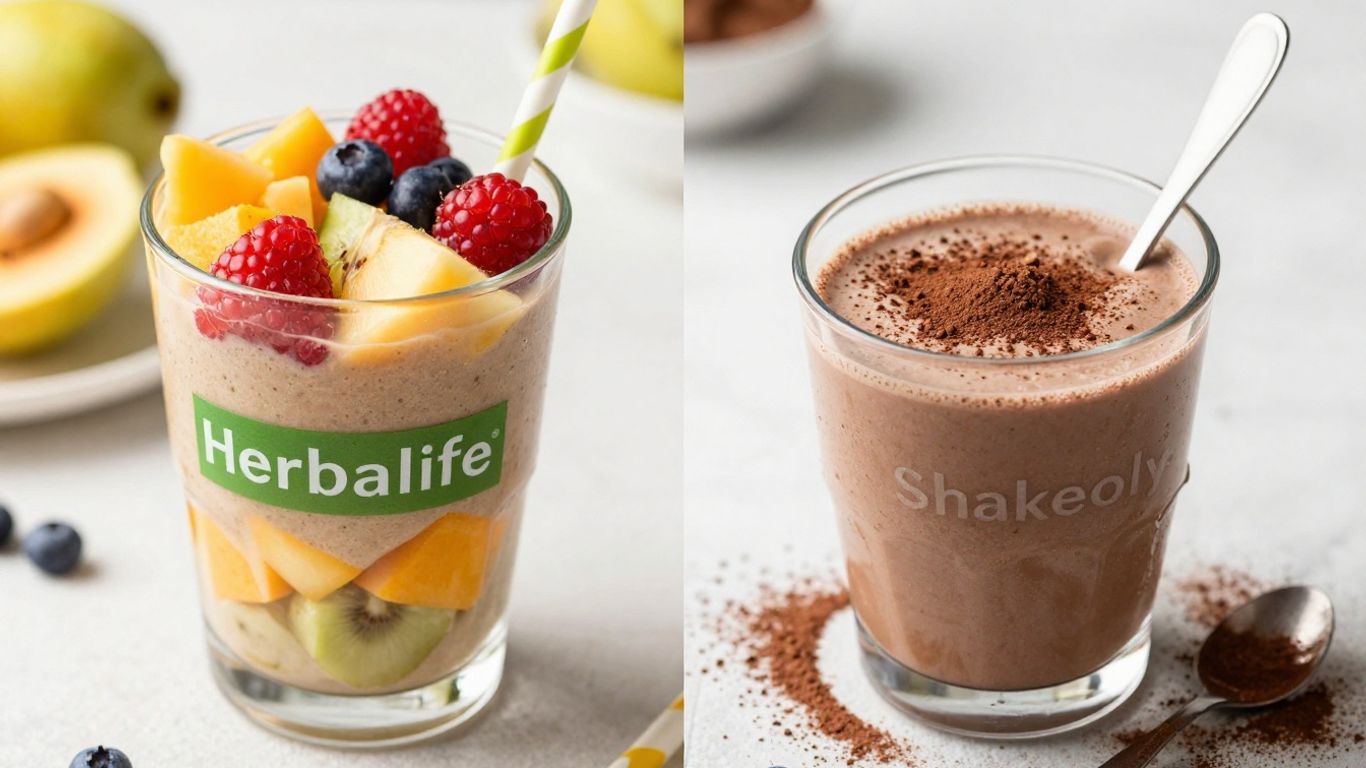
When you’re trying to manage your weight or just eat better, feeling full is a big deal. Nobody wants to be thinking about their next meal five minutes after finishing their current one. Meal replacement shakes like Herbalife and Shakeology aim to help with this, but how well do they actually work?
How Long Do Shakes Keep You Full?
This really depends on what’s in the shake. Generally, shakes with more protein and fiber tend to keep you feeling satisfied for longer. Protein takes more effort for your body to digest, and fiber helps slow down digestion, both contributing to a prolonged feeling of fullness. It’s not just about the quantity, but the quality and type of ingredients.
Impact on Cravings and Appetite
Some people find that these shakes help curb their cravings, especially for sugary snacks. The idea is that by providing a balanced mix of nutrients, including protein and sometimes healthy fats, they stabilize blood sugar levels, which can reduce those sudden urges for unhealthy foods. A consistent intake of nutrient-dense shakes might help retrain your appetite over time.
Comparing Satiety Levels
It’s tough to give a definitive answer on which shake keeps you fuller because it’s so personal. Factors like your individual metabolism, what else you ate that day, and even your hydration levels play a role. However, we can look at the general nutritional profiles:
- Protein Content: Both shakes offer a good amount of protein, but the sources and total grams can differ. More protein generally means more satiety.
- Fiber Content: Fiber is another key player. Shakes with higher fiber content are often better at keeping hunger at bay.
- Ingredient Quality: Beyond the macros, the actual ingredients matter. Whole food-based ingredients might be more satisfying than highly processed ones for some people.
Ultimately, the effectiveness of any meal replacement shake for satiety comes down to its formulation and how your body responds to it. What works wonders for one person might be less effective for another. It’s often a process of trial and error to find what best fits your needs.
Here’s a quick look at typical satiety-related components:
| Feature | Shakeology (Approx.) | Herbalife (Approx.) |
|---|---|---|
| Protein (g) | 17-20g | 9-24g (varies) |
| Fiber (g) | 6-8g | 3-5g (varies) |
| Sugar (g) | 5-7g | 9-15g (varies) |
Cost and Accessibility Considerations
When you’re looking at meal replacement shakes like Herbalife and Shakeology, the price tag and how easy they are to get your hands on are definitely big factors. Nobody wants to spend a fortune on something they’re going to drink regularly, right?
Pricing Structures of Both Brands
Shakeology tends to be on the pricier side, often coming in around $3 to $4 per serving if you’re not getting any discounts. It’s marketed as a premium product with a lot of superfoods and nutrients packed in. Herbalife, on the other hand, is generally seen as more budget-friendly.
While prices can vary depending on the specific product line and any promotions, it often works out to be less expensive per serving than Shakeology. It’s worth looking at the cost per serving for each to really compare apples to apples.
Ease of Purchase and Availability
How you buy these shakes is pretty different too. Herbalife products are typically sold through independent distributors. This means you usually have to connect with someone who sells Herbalife to make a purchase. It can be a bit more personal, but it might also mean you have to seek out a distributor.
Shakeology is primarily sold online through the Beachbody website, often with options for monthly auto-shipments. This direct-to-consumer model can be really convenient if you know you want to keep it stocked up, and it often comes with free shipping if you sign up for their home direct plan.
More Recommended Reading
Value Proposition: Cost Per Serving
So, is the higher price of Shakeology justified? Some argue that its extensive ingredient list, including proprietary blends of phytonutrients, pre-biotics, and digestive enzymes, offers a nutritional density that’s hard to match, even if it costs more. Herbalife, while less expensive, might focus on a different set of core nutrients.
Ultimately, the value comes down to what you prioritize in a shake. Are you looking for the most nutrient-dense option available, or a more affordable way to supplement your diet? It’s a trade-off that everyone has to figure out for themselves.
Both brands have their own way of getting to you and their own price points. It’s not just about the dollar amount, but also about the convenience and the specific ingredients you’re paying for. Think about how often you’ll use it and what you expect to get out of it before you commit.
Here’s a quick look at how they generally stack up:
- Shakeology: Higher cost per serving, typically bought online direct from the company.
- Herbalife: Generally lower cost per serving, usually purchased through independent distributors.
When you’re deciding, consider which purchasing method works best for your lifestyle and if the price difference aligns with the nutritional benefits you’re seeking.
Potential Health Benefits Beyond Weight Loss
Shakeology’s Reported Health Advantages
Shakeology is often presented as more than just a weight management tool. The company suggests it can help with overall wellness by providing a wide array of nutrients. Many users report feeling more energetic and experiencing better digestion after incorporating Shakeology into their daily routine.
It’s said to contain over 20 antioxidants and phytonutrients, which are thought to help combat cell damage in the body. Some studies, as cited by the company, indicate potential benefits like lower cholesterol and reduced cardiovascular risks, though it’s always good to look at the details of such studies.
Herbalife’s Nutritional Support
Herbalife also positions itself as a provider of general nutritional support. Beyond just protein and basic vitamins, their products often include ingredients aimed at supporting bodily functions. For instance, some formulations contain digestive aids like Aminogen, bromelain, and papain, which are intended to help the body break down protein more effectively. The idea is that by supporting digestion, your body can better utilize the nutrients it receives, contributing to a feeling of overall well-being and potentially boosting energy levels.
Digestive Health and Energy Levels
Both shakes aim to contribute positively to digestive health and energy. Shakeology includes prebiotics and digestive enzymes, which are components that can support a healthy gut environment. A well-functioning digestive system is often linked to better nutrient absorption and can play a role in how energetic you feel throughout the day.
Similarly, Herbalife’s focus on providing a balanced mix of nutrients, including protein and fiber, can also support digestive regularity. When your digestion is working smoothly, it’s common for people to report feeling less sluggish and more vibrant.
It’s important to remember that while these shakes offer a concentrated source of nutrients, they aren’t a magic bullet for health. A balanced diet, regular exercise, and adequate sleep are still the cornerstones of good health. These shakes can be a convenient way to supplement your diet, but they shouldn’t replace whole foods entirely.
So, Which Shake Wins?
Alright, so we’ve looked at both Herbalife and Shakeology. They both aim to be convenient meal replacements, packing in nutrients when you’re short on time. Herbalife often comes in with a bit less protein and calories per serving, while Shakeology tends to offer more protein and a wider range of ingredients, sometimes at a higher price point.
Taste is a big deal for people, and that’s where opinions really split – some find Herbalife chalky, others love its flavors. Shakeology gets points for texture from some, but others find it pricey and a hassle to get. Ultimately, the best choice really depends on what you’re looking for: budget, specific nutritional needs, or just what tastes good to you. Neither is a magic bullet, and a balanced diet is still key, but these shakes can be a helpful tool for some.
Frequently Asked Questions
What exactly are meal replacement shakes like Herbalife and Shakeology?
Meal replacement shakes are special drinks made to be a quick and easy substitute for one of your regular meals. They’re packed with important stuff like protein, vitamins, and minerals, but don’t have too many calories. Think of them as a convenient way to get balanced nutrition when you’re in a hurry or want help controlling how much you eat.
How do these shakes help with weight loss?
These shakes can help with weight loss because they are made to keep you feeling full and satisfied, which can stop you from snacking on unhealthy foods. By replacing a high-calorie meal with a controlled-calorie shake, you can reduce your overall calorie intake, which is key for losing weight.
What’s the main difference in nutrition between Herbalife and Shakeology?
Shakeology generally has a bit more protein per serving than Herbalife. Both offer a good mix of vitamins and minerals, but Shakeology often includes a wider variety of superfoods and ingredients aimed at overall wellness, like digestive aids and antioxidants. Herbalife focuses on providing essential nutrients.
How do Herbalife and Shakeology taste and feel?
People often say Shakeology has a smoother, richer texture. Herbalife comes in many flavors, but some find it can taste a bit chalky or lose its thickness quickly. The choice often comes down to personal preference for taste and how the shake feels in your mouth.
Which shake keeps you feeling full longer?
Many users report that Shakeology helps them feel full for a longer period, sometimes up to 5 hours, compared to Herbalife, which might leave some feeling hungry after about 2 hours. This difference in how long you feel full can impact your snacking habits.
Are these shakes expensive, and where can I get them?
Shakeology is typically more expensive per serving than Herbalife. Herbalife can be more readily available through independent distributors, while Shakeology is usually purchased through Beachbody coaches or their website. The cost difference is a significant factor for many people when deciding between the two.
You may also find this Nutrition Geeks guide helpful: Is the AssaultRunner Pro Still the King of Curved Treadmills in 2026?.
You may also find this Nutrition Geeks guide helpful: Herbalife Products Price List in India: Your Guide to Weight Loss Solutions.