Disclosure: This post may contain affiliate links, meaning if you decide to make a purchase through my links I may earn a commission at no additional cost to you. See my disclosure for more info.
So, you’re curious about how much phosphorus in eggs? It’s a good question, especially since phosphorus plays a big role in our bodies. We all know eggs are packed with protein and other good stuff, but what about this specific mineral? Let’s break down how much phosphorus you can expect to find in an egg, whether it’s in the white or the yolk, and how it fits into your daily diet. We’ll also touch on how cooking might change things and how eggs stack up against other foods. It’s not as complicated as it sounds, really.
Back to NutritionGeeks Fitness
How Much Phosphorus in Eggs Post Key Takeaways
- A medium egg contains about 91 mg of phosphorus, which is roughly 13% of the daily recommended intake.
- Most of the phosphorus in an egg is found in the yolk, along with other important nutrients like fats and vitamins.
- Phosphorus from eggs is easily absorbed by the body, making them a good dietary source.
- Cooking methods like boiling or frying don’t significantly change the phosphorus content of eggs.
- Eggs are a good source of phosphorus compared to many plant-based foods, though some dairy and meat products might have more.
Understanding Phosphorus Content in Eggs
So, you’re curious about the phosphorus in eggs, huh? It’s a pretty common question, especially when you’re trying to keep track of your nutrient intake. Eggs are often touted as a nutritional powerhouse, and phosphorus is definitely one of the minerals they bring to the table.
Explore more NutritionGeeks guides related to wellness, recovery, nutrition and active lifestyle support.
Phosphorus in a Whole Egg
Let’s get down to the nitty-gritty. A single, large egg (we’re talking about the standard size you usually find at the grocery store, around 50-58 grams) packs a decent amount of phosphorus. On average, a large egg contains about 90-99 milligrams of phosphorus. This mineral is super important for your body; it’s a key component of bones and teeth, and it plays a big role in how your body uses carbohydrates and fats. It’s also involved in making proteins for growth, maintenance, and repair of cells and tissues. So, when you eat an egg, you’re not just getting protein and vitamins, but this vital mineral too.
Comparison by Egg Size
Now, you might be wondering if a smaller egg has less phosphorus than a bigger one. And yep, you’d be right! The phosphorus content scales up with the size of the egg. While a large egg is our benchmark, a medium egg will have a bit less, and a jumbo egg will have a bit more. It’s not a huge difference, but it’s something to keep in mind if you’re tracking your intake very precisely. For most people, though, the variation between standard egg sizes isn’t a major concern.
More NutritionGeeks Wellness Guides
Explore more NutritionGeeks guides connected to wellness, recovery, hydration, energy, sleep and active lifestyle nutrition.
How Egg Phosphorus is Measured
Ever seen those nutrition labels and wondered how they get those numbers? Measuring minerals like phosphorus in food involves laboratory analysis. Typically, a sample of the food is analyzed using methods like inductively coupled plasma atomic emission spectrometry (ICP-AES) or other similar techniques. These methods break down the food and quantify the amount of specific elements present.
For eggs, this means determining the phosphorus content in both the yolk and the white, and then calculating the total for a whole egg. It’s a pretty scientific process to get those figures you see on food packaging or in nutritional databases. It’s good to know that the numbers we’re talking about are based on pretty solid science, giving you a clear picture of what you’re consuming. For those managing specific dietary needs, like individuals with Chronic Kidney Disease, understanding these precise amounts is really important, and resources like Liv Hospital’s renal nutrition services can offer guidance.
How Much Phosphorus in Eggs: White vs. Yolk
So, you’re curious about where the phosphorus hangs out in an egg, right? It’s not evenly distributed, that’s for sure. Most of the good stuff, including phosphorus, is concentrated in the yolk.
Phosphorus in Egg Whites
Egg whites are mostly water and protein. They’re pretty lean on minerals. You’ll find a tiny bit of phosphorus here, but it’s not the main event. Think of it as the supporting cast, not the star.
Phosphorus in Egg Yolks
Now, the yolk is where it’s at for phosphorus. This is the nutrient-dense part of the egg. The yolk contains the vast majority of the phosphorus found in a whole egg. It’s also packed with other important vitamins and minerals.
Here’s a quick look at how phosphorus stacks up:
| Part of Egg | Phosphorus (mg) per large egg |
|---|---|
| Whole Egg | 99 |
| Egg White | ~56 |
| Egg Yolk | ~66 |
Note: These are approximate values and can vary slightly.
Nutritional Differences Between Egg Parts
It’s not just about phosphorus, though. The white and yolk have different nutritional profiles overall.
- Egg Whites: Primarily protein and water. Low in fat and calories. Good for protein intake without much else.
- Egg Yolks: Higher in calories and fat, but they bring a wider range of vitamins (like A, D, E, K, and B vitamins) and minerals (including phosphorus, iron, and zinc). They also contain choline and the antioxidants lutein and zeaxanthin.
So, if you’re looking for phosphorus, you’ll want to eat the whole egg, but the yolk is doing most of the heavy lifting in that department. It’s a classic case of the yolk being the powerhouse of nutrients.
Dietary Role of Phosphorus Found in Eggs
Health Benefits of Phosphorus
Phosphorus does a lot more in the body than most folks realize. It helps build strong bones and teeth, but it also takes part in making energy and supporting the way cells work. Sometimes, people focus a lot on calcium, but phosphorus is just as important for keeping your bones solid and your muscles moving the way they should. Without each part of that bone-building team, things can get knocked out of balance pretty fast.
- Helps keep bones and teeth healthy
- Supports how the body makes and uses energy
- Needed for muscle function and nerve signaling
You might not hear much about phosphorus, but it’s one of those nutrients that’s working in the background, quietly helping out all over the place.
Recommended Dietary Allowance
The amount of phosphorus a person needs depends mostly on their age. Adults generally need around 700 mg per day. Kids and teenagers need even more, given how their bodies are growing.
| Age Group | Recommended Daily Intake (mg) |
|---|---|
| Children (4–8 yrs) | 500 |
| Teens (9–18 yrs) | 1,250 |
| Adults (19+ yrs) | 700 |
Eggs come in handy for sneaking in a decent portion of that goal without too much effort.
Eggs as a Source of Daily Phosphorus Intake
One medium egg has about 90 mg of phosphorus—meaning a couple of eggs at breakfast gives you about a quarter of what an adult needs for the whole day. Eggs aren’t the only way to get your phosphorus, but they’re definitely one of the easier and quicker ones. A few other good points to remember:
- Two eggs (about 180 mg) make up 26% of the daily need for an adult
- They work especially well when paired with other phosphorus sources like dairy or lean meats
- Eggs fit nicely into meals throughout the day—not just breakfast
If you’re someone who doesn’t eat much meat or dairy, or you’re just looking for simple ways to boost your nutrient intake, eggs really pull their weight on the phosphorus front.
How Cooking Methods Impact Phosphorus Levels in Eggs
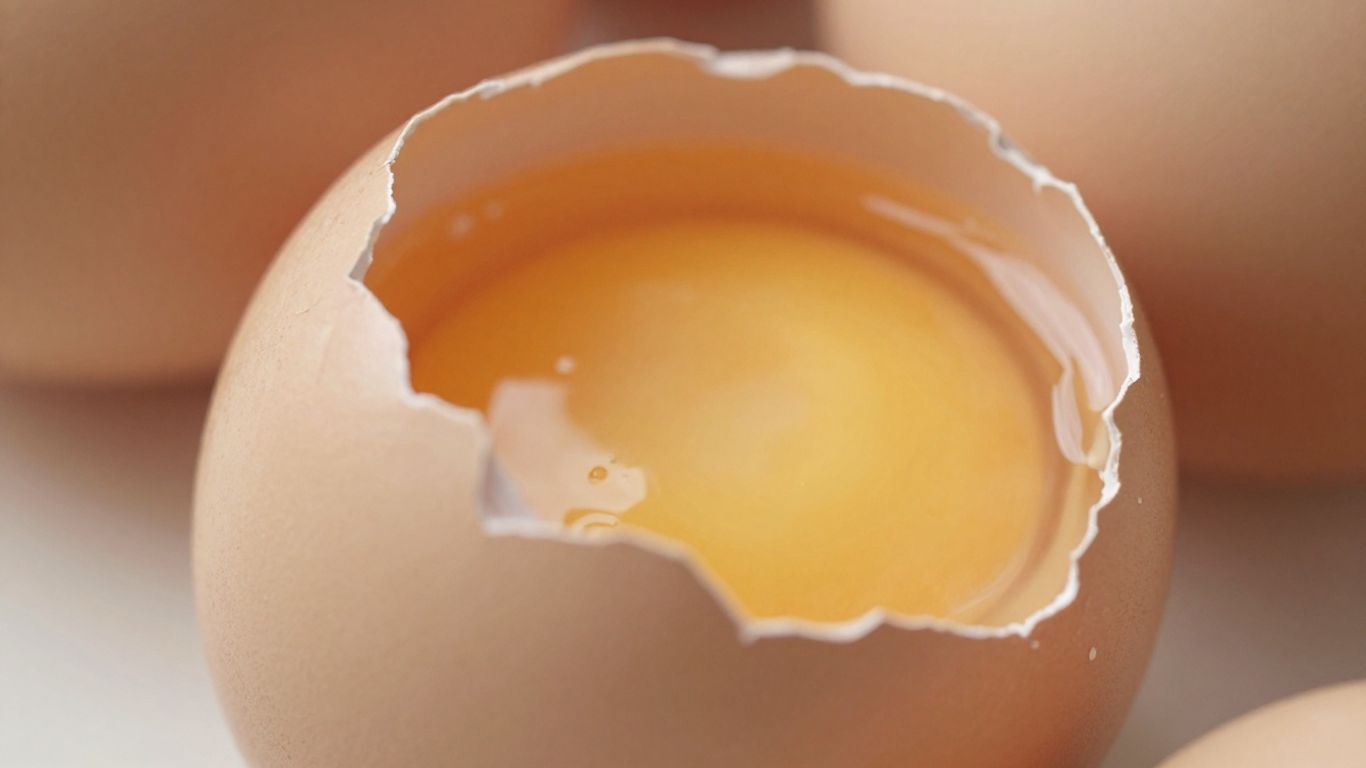
So, you’ve got your eggs, and you’re wondering if how you cook them changes the phosphorus game. It’s a good question! While eggs are a solid source of phosphorus no matter what, the way you prepare them can have a small effect, though it’s usually not a major concern for most people. The biggest factor is usually whether the egg is cooked at all, rather than the specific method.
Boiled vs. Fried Eggs
When you boil an egg, whether it’s soft-boiled or hard-boiled, the phosphorus is pretty much locked in. The heat helps to denature the proteins, making them easier to digest, but the mineral content, including phosphorus, remains largely stable. Frying an egg, on the other hand, introduces a few variables.
If you fry an egg in a lot of oil, some of that oil might get absorbed, slightly diluting the concentration of nutrients per bite. However, the actual amount of phosphorus lost during frying is minimal. The primary difference between boiled and fried eggs in terms of phosphorus is negligible for practical purposes.
Does Scrambling Affect Phosphorus?
Scrambling eggs involves whisking them up, often with a splash of milk or water, and then cooking them in a pan. Similar to frying, the heat itself doesn’t destroy phosphorus. If you add milk or water, you’re essentially increasing the volume without adding significant phosphorus, so the concentration per serving might decrease slightly. But again, we’re talking small differences here. The key is that the phosphorus is still present in the egg.
Phosphorus Retention During Cooking
Generally, phosphorus is quite stable when exposed to heat. Unlike some water-soluble vitamins that can leach out, phosphorus tends to stay put within the egg’s structure. The main way you might
Comparing Phosphorus in Eggs to Other Foods
When it comes to minerals, eggs may not always steal the spotlight, but their phosphorus content shouldn’t be overlooked. Let’s see how eggs hold up next to some other everyday foods, especially if you’re thinking about your daily intake.
Eggs vs. Dairy Sources
If you stack up eggs against dairy, you might be surprised. One large egg clocks in at about 99 mg of phosphorus. Here’s how that compares:
| Food | Phosphorus per standard serving |
|---|---|
| Large egg | 99 mg |
| 1 cup milk | 230 mg |
| 1 oz cheese | 120–150 mg |
| 6 oz yogurt | 150 mg |
Dairy comes in higher, especially milk and cheese. But eggs offer phosphorus in a compact, low-calorie package that can help keep things balanced, especially if limiting dairy or on a budget.
Phosphorus in Meat and Plant-Based Foods
Animal proteins vary, but most meats pack more phosphorus than eggs. For context:
- 3 oz cooked chicken breast: about 180–200 mg
- 3 oz beef steak: around 180 mg
- ½ cup cooked lentils: about 100 mg
- 1 cup cooked quinoa: about 280 mg
Plant foods can compete with meat for phosphorus, but it’s worth remembering that phosphorus from plants isn’t always as easy for your body to absorb compared to animal sources like eggs. That’s because plant-based phosphorus often comes as phytate, which is less bioavailable.
Building a Phosphorus-Rich Diet with Eggs
Including eggs in your meals is an easy way to add moderate phosphorus without tipping the scale too high. Eggs also come with other perks—vitamin B12, iron, and a decent protein punch.
A phosphorus-rich, balanced diet might combine:
- A couple of eggs at breakfast or lunch
- A serving of dairy or fortified plant milk
- A handful of nuts or seeds (for plant-based eaters)
- Moderate portions of lean meats or legumes
If you’re keeping an eye on costs or following a kidney-friendly plan, eggs and unprocessed meats can be good choices for meeting phosphorus goals without breaking the bank. Here’s some info on how simple whole foods can support kidney health.
Eggs are reliable—not as packed as dairy or meat, but way better than most veggies. Worth adding to your weekly menu if you’re looking for a steady source of phosphorus with lots of flexibility.
Considerations for Special Diets and Phosphorus Intake from Eggs
Eggs for Kidney Health Diets
If you’re living with kidney disease or at risk for it, phosphorus intake is something you’ll probably need to keep an eye on. Eggs contain a moderate amount of phosphorus, so they aren’t always off-limits—but portion control really matters. Typically, the yolk carries most of the phosphorus, while the white has less. Many people with kidney concerns opt for egg whites and avoid the yolks, which can help them better manage their overall phosphorus load.
| Part of Egg | Average Phosphorus (mg per large egg/serving) |
|---|---|
| Whole Egg | 95 |
| Egg White | 5 |
| Egg Yolk | 65 |
For those with kidney conditions, always check with a dietitian before making eggs a regular thing. Egg whites are usually safest, but it’s best not to guess when it comes to your kidney health.
Phosphorus and Vegetarian Diets
Eggs often pop up as a protein source for vegetarians who eat animal products. Since phosphorus is present in both animal- and plant-based foods, vegetarians typically get enough. However, lacto-ovo vegetarians (who eat eggs and dairy) may need to tweak their overall phosphorus intake, especially if dairy is also a big part of their diet. Mixing in eggs can help balance protein and phosphorus needs, but it’s smart to:
- Rotate protein sources to reduce too much phosphorus from any one food
- Consider eggs as a way to boost nutrient intake when cutting back on meat
- Pay attention to portion sizes, since phosphorus from eggs is more easily absorbed than from plants
Egg Sensitivity and Phosphorus Management
People sometimes react to eggs—think allergies or sensitivities. In these cases, managing phosphorus from eggs means looking for other sources. Those with mild egg sensitivities may tolerate baked goods with eggs, though anyone with allergies must avoid them entirely.
When eggs aren’t an option, other phosphorus sources to consider:
- Tofu and legumes (for plant-based protein)
- Dairy (if not otherwise restricted)
- Fortified plant milks
If you need to limit phosphorus, look out for processed foods where phosphate additives sneak in, as these are much more easily absorbed than the natural phosphorus found in whole eggs.
Navigating special diets can sometimes feel tricky. Treat eggs as one moving part—flexible for most, but sometimes a food to be careful with depending on your needs.
Conclusion
So, after looking at all the numbers and facts, it turns out eggs are a pretty solid source of phosphorus. A medium egg gives you about 91 mg, which is around 13% of what most adults need in a day. If you eat two eggs, you’re getting about a quarter of your daily phosphorus right there.
That’s not bad for something you can scramble up in a few minutes. Plus, eggs come with a bunch of other nutrients like protein, vitamin B12, and selenium. Whether you’re trying to build muscle, keep your bones healthy, or just want a quick breakfast, eggs have a lot going for them. Just remember, the exact amount of phosphorus can change a bit depending on the size of the egg and how you cook it, but overall, eggs are a handy way to get more of this important mineral into your diet.
Frequently Asked Questions
How much phosphorus is in a whole egg?
A whole egg, which is about 50 grams (one large egg), contains around 99 mg of phosphorus. This makes eggs a good source of this important mineral.
Is there more phosphorus in the egg white or the yolk?
Most of the phosphorus in an egg is found in the yolk. For example, a large egg yolk has about 66 mg of phosphorus, while the egg white only has about 5-10 mg.
Does cooking eggs change their phosphorus content?
Cooking eggs does not change the amount of phosphorus by much. Whether you boil, scramble, or fry eggs, the phosphorus amount stays almost the same.
Are eggs a good source of phosphorus compared to other foods?
Eggs provide a moderate amount of phosphorus. Foods like dairy, meats, and some nuts and seeds have more phosphorus, but eggs are still a healthy and easy way to add phosphorus to your diet.
Can people with kidney problems eat eggs for phosphorus?
People with kidney problems often need to watch their phosphorus intake. While eggs have less phosphorus than some meats and dairy, it’s still important for people with kidney issues to talk to their doctor or dietitian about how many eggs they can safely eat.
How much phosphorus do I need each day, and how many eggs does that cover?
Most teens and adults need about 700 mg of phosphorus a day. One large egg gives you about 14% of this amount, so eating eggs can help you reach your daily phosphorus goal, but you’ll also get phosphorus from other foods you eat.
Back to Fuel Energy for Nutrition
You may also find this Nutrition Geeks guide helpful: Find a Herbalife Nutrition Store Near You: Your Guide to Local Options.
You may also find this Nutrition Geeks guide helpful: Your Comprehensive Herbalife UK Price List: Discover Nutritional Value & Savings.
You may also find this Nutrition Geeks guide helpful: Unlocking the Full Potential: Discover the Amazing Benefits of Brinjal for Your Health.
You may also find this Nutrition Geeks guide helpful: Unlocking the Chrysanthemum Tea Benefits: A Deep Dive into Its Health-Boosting Properties.
You may also find this Nutrition Geeks guide helpful: Discover the Best Marathons in the US for 2026: A Runner’s Guide.
You may also find this Nutrition Geeks guide helpful: Whole30 Explained: Rules, Food List, Benefits, and Risks.