Disclosure: This post may contain affiliate links, meaning if you decide to make a purchase through my links I may earn a commission at no additional cost to you. See my disclosure for more info.
So, you’re wondering about how much protein does a chicken breast?. It’s a common question, right? We see it everywhere, in meal prep plans and on restaurant menus, often touted as a healthy choice. But when you get down to it, how much protein does a chicken breast actually have? It’s not just about the number, though. We’ll break down what that protein does for you, what affects the amount you get, and how it stacks up against other foods. Let’s get into it.
Supplement note: This guide is for educational purposes only and is not medical advice. Always speak with your doctor before using supplements, especially if you are pregnant, nursing, taking medication, or managing a medical condition.
How Much Protein Does a Chicken Breast Have Post Key Takeaways
- A standard 3-ounce serving of cooked, skinless chicken breast offers around 26 to 31 grams of protein.
- Chicken breast is a complete protein source, meaning it contains all nine essential amino acids your body needs.
- Protein from chicken breast supports muscle building, repair, and can aid in weight management due to its high protein and low-calorie profile.
- Factors like cooking method and whether the skin is on or off can slightly alter the final protein and nutrient content.
- Daily protein needs vary based on age, activity level, and health goals, with active individuals and older adults often requiring more than the basic recommendation.
Understanding Chicken Breast Protein Content
When you think about chicken breast, you’re probably picturing that lean, white meat that’s a go-to for so many meals. But have you ever stopped to wonder just how much protein is actually packed into that seemingly simple cut? It’s more than just a food item; it’s a nutritional powerhouse, and understanding its protein content is key to appreciating why it’s so popular.
What is the Protein in a Chicken Breast?
Chicken breast is widely recognized as a fantastic source of protein. Specifically, it’s a complete protein. This means it contains all nine essential amino acids that our bodies can’t produce on their own. Think of these amino acids as the tiny building blocks that our bodies use for all sorts of jobs, from building muscle to making enzymes. A typical 3-ounce serving of cooked, skinless chicken breast can offer around 26 grams of protein. That’s a pretty significant amount for a single serving!
Explore more NutritionGeeks guides related to wellness, recovery, nutrition and active lifestyle support.
Serving Size and Protein Yield
So, how much protein are we talking about, really? It can vary a bit depending on how you measure it. For instance, a 200-gram portion of uncooked chicken breast has about 45-46 grams of protein. Now, when you cook that same 200-gram portion, the protein content actually increases to around 62 grams. This happens because cooking removes water from the meat, concentrating the protein. It’s a good thing to keep in mind when you’re planning meals and trying to hit your protein targets.
Here’s a quick look at approximate protein amounts:
More NutritionGeeks Wellness Guides
Explore more NutritionGeeks guides connected to wellness, recovery, hydration, energy, sleep and active lifestyle nutrition.
| Serving Size (Cooked) | Approximate Protein |
|---|---|
| 3 ounces (85g) | 26 grams |
| 200 grams | 62 grams |
Chicken Breast vs. Other Cuts
Chicken breast isn’t the only protein source on the bird, of course. But compared to other parts, it really shines when it comes to lean protein. For example, a 3-ounce serving of chicken thighs or wings might give you around 20 grams of protein, which is still good, but less than the breast. Darker meat, like thighs, tends to have a bit more fat and calories too. While those fats can include beneficial unsaturated fats, the breast is generally the leaner choice if you’re focused purely on protein density and lower fat.
When you’re looking at chicken, remember that the skin adds extra fat. For the leanest protein option, always go for skinless chicken breast. It’s a simple switch that makes a big difference in the nutritional profile of your meal.
The Nutritional Power of Chicken Breast
What is the Protein in a Chicken Breast?
Chicken breast is pretty much a rockstar when it comes to nutrition, especially if you’re looking for protein. It’s a lean meat, meaning it packs a lot of protein without a ton of fat. Think of it as a super-efficient package of muscle-building goodness. A standard serving, like a 3.5-ounce (100-gram) cooked piece, can give you around 31 grams of protein. That’s a solid chunk of your daily needs right there.
Serving Size and Protein Yield
So, how much protein are we actually talking about? It really depends on how you measure it. A typical 3-ounce serving of cooked, skinless chicken breast, which is a pretty common portion size, usually lands you about 26 grams of protein. If you’re looking at a slightly larger 3.5-ounce serving, you’re getting closer to that 31-gram mark. It’s good to keep these numbers in mind when you’re planning meals, especially if you’re tracking your protein intake for fitness or health goals.
Chicken Breast vs. Other Cuts
When you compare chicken breast to other parts of the chicken, it really stands out. For instance, chicken thighs or wings, while tasty, tend to have more fat and a bit less protein per ounce compared to the breast. A 3-ounce serving of chicken thigh, for example, might only give you around 20 grams of protein, and that’s often with more fat included. So, if your main goal is to get the most protein with the least amount of fat, the breast is definitely the way to go.
A Complete Protein Source
This is a big deal. Chicken breast is what we call a complete protein. What that means is it contains all nine of the essential amino acids that your body can’t make on its own. These amino acids are like the tiny building blocks that your body uses for pretty much everything – from building muscle to making enzymes and hormones. Having a complete protein source in your diet makes sure your body has all the necessary materials to function properly.
Essential Amino Acids Explained
Let’s break down those essential amino acids. There are nine of them: histidine, isoleucine, leucine, lysine, methionine, phenylalanine, threonine, tryptophan, and valine. Your body needs these to do all sorts of jobs, like repairing tissues, making new cells, and keeping your immune system strong. Since your body can’t produce them, you have to get them from food. Chicken breast is a great way to get a full set of these vital nutrients in one go.
Vitamins and Minerals in Chicken Breast
Beyond protein, chicken breast is also a good source of several important vitamins and minerals. You’ll find B vitamins like niacin (B3) and B6, which are super important for energy production and brain function. It also provides phosphorus, which is good for bones and teeth, and selenium, an antioxidant that helps protect your cells. Plus, there’s choline, which plays a role in brain health and development.
Here’s a quick look at some key nutrients in a 3-ounce serving of cooked, skinless chicken breast:
| Nutrient | Amount (% Daily Value) |
|---|---|
| Protein | ~26g |
| Niacin (B3) | ~64% |
| Vitamin B6 | ~58% |
| Phosphorus | ~18% |
| Selenium | ~44% |
| Choline | ~20% |
It’s pretty amazing how much goodness is packed into such a simple food. Chicken breast isn’t just about protein; it’s a whole package of nutrients that support various bodily functions, from energy metabolism to cell repair and even brain health. Making it a regular part of your diet is a smart move for overall well-being.
Health Benefits of Consuming Chicken Breast
So, why is chicken breast such a popular choice when we talk about healthy eating? It turns out, this lean protein powerhouse offers a bunch of good stuff for your body. It’s not just about building big muscles, though that’s definitely a part of it. Let’s break down some of the key advantages.
Supporting Muscle Growth and Repair
Chicken breast is a fantastic source of complete protein. This means it gives your body all the necessary building blocks, called amino acids, that it needs to fix and grow muscle tissue. When you combine eating chicken with some form of exercise, especially strength training, you can see better muscle gains and increased strength. Even if you’re not trying to get ripped, protein is super important for keeping your muscles healthy as you get older. Not getting enough protein can lead to losing muscle, which isn’t ideal for anyone.
Aiding in Weight Management
If you’re watching your weight, chicken breast can be a real ally. It’s packed with protein but doesn’t come with a ton of calories, especially when you choose skinless options. Protein takes more energy for your body to digest compared to carbs or fats, meaning you burn more calories just by eating it.
Plus, by helping you keep your muscle mass, it can prevent your metabolism from slowing down too much when you’re trying to lose weight. Some studies even suggest that diets higher in protein can help people lose weight and keep it off, though more research is always good.
Promoting Brain Health
Did you know chicken can be good for your brain too? It’s a good source of nutrients like choline and vitamin B12. These play a big role in how your brain develops and works. For pregnant individuals, getting enough choline is really important for the baby’s brain and spine development. And for everyone, vitamin B12 helps keep your brain functioning well and might even help protect against memory loss as we age. It’s pretty amazing how food can impact our thinking and memory.
Chicken breast is a complete protein, meaning it provides all the essential amino acids your body needs. Incorporating it into your diet can support muscle development and aid in weight management efforts. Chicken offers numerous health benefits.
Here’s a quick look at what a 3-ounce serving of cooked, skinless chicken breast typically offers:
- Protein: Around 26 grams
- Calories: About 128
- Fat: Roughly 2.7 grams (with less than 1 gram being saturated)
- Vitamins & Minerals: Good source of B vitamins (like niacin and B6), phosphorus, and selenium.
While chicken breast is celebrated for its health perks, remember that how you prepare it matters. Grilling or baking is generally a healthier route than frying, which can add a lot of extra fat and calories. Also, always make sure chicken is cooked thoroughly to avoid any foodborne illnesses.
Factors Influencing Protein in Chicken
So, you’re curious about how much protein is really in that chicken breast? Well, it’s not just a simple number. A few things can actually change the protein game.
Cooking Methods and Protein
How you cook your chicken can make a difference. High-heat cooking, like grilling or baking, can actually make the meat a bit denser. This means you might get a slightly higher protein concentration per ounce compared to, say, poaching. It’s not a huge jump, but it’s something to consider if you’re really tracking your macros. Frying, on the other hand, adds fat and calories, which isn’t ideal if you’re focused purely on protein. Baking or grilling are generally better choices for keeping the protein content pure and simple.
Skinless vs. Skin-On Chicken
This one’s pretty straightforward. Skinless chicken breast is leaner and, therefore, has a higher protein-to-fat ratio. If you’re eating chicken with the skin on, you’re also consuming more fat, which means the protein content per ounce will be a bit lower. For example, a 3-ounce serving of skinless, cooked chicken breast packs about 26 grams of protein. That same portion of skin-on chicken thigh has closer to 20 grams of protein, along with more fat. So, if protein is your main goal, ditching the skin is the way to go.
Preparation Techniques
Beyond just cooking, how you prepare your chicken matters too. Are you marinating it? Adding sauces? These additions can alter the final nutritional breakdown. A simple marinade with herbs and spices won’t change the protein much, but a heavy, sugary sauce can add carbs and calories. Think about what you’re adding to your chicken. Simple preparations, like seasoning with salt, pepper, and maybe some garlic powder, let the natural protein shine through. If you’re looking to boost flavor without adding a lot of extra stuff, consider using lemon juice or a bit of broth.
When you’re thinking about the protein in chicken, remember that the way it’s cooked and prepared plays a role. Simple methods usually keep the protein content more concentrated and the overall calorie count lower. It’s all about making smart choices for your dietary goals.
Here are some ways to prepare chicken that keep the protein front and center:
- Bake or grill chicken breasts for a lean protein source.
- Sauté diced chicken with plenty of vegetables for a balanced meal.
- Use ground chicken in place of beef for dishes like tacos or pasta sauce.
- Serve grilled or baked chicken over a bed of mixed greens with a light vinaigrette.
Daily Protein Requirements
So, how much protein do you actually need each day? It’s not a one-size-fits-all answer, really. The amount can shift based on a few things, like how active you are and your age.
Recommended Daily Intake for Adults
For most adults just going about their daily lives, the general guideline is around 0.75 grams of protein for every kilogram of body weight. So, if you weigh, say, 150 pounds (which is about 68 kilograms), you’d be looking at roughly 51 grams of protein daily. It’s the baseline to keep your body running smoothly.
Protein Needs for Active Individuals
Now, if you’re hitting the gym regularly or engaging in sports, your protein needs go up. Athletes and highly active people often need between 1.2 to 1.7 grams of protein per kilogram of body weight daily. This extra protein helps your muscles recover from workouts and rebuild. Think of it as fuel for repair and growth after you’ve pushed yourself.
Here’s a quick look at how activity level can change things:
| Activity Level | Protein Range (g/kg body weight) | Example for a 68kg Person |
|---|---|---|
| Sedentary/Lightly Active | 0.8 – 1.0 | 54 – 68 grams |
| Moderately Active | 1.0 – 1.4 | 68 – 95 grams |
| Very Active/Athlete | 1.4 – 2.0 | 95 – 136 grams |
Protein for Older Adults
As we get older, our bodies can become a bit less efficient at using protein. To help maintain muscle mass and function, older adults might benefit from a slightly higher intake than the standard recommendation. Some research suggests aiming for around 1.0 to 1.2 grams per kilogram of body weight, even if they aren’t super active. It’s about supporting overall health and strength as the years go by. Making sure you get enough protein can really make a difference in how you feel and function.
Getting enough protein is important for everyone, but the exact amount can change. It’s not just about building big muscles; protein plays a role in so many bodily functions, from making enzymes to keeping your immune system strong. Paying attention to your individual needs is key to staying healthy and energetic.
Comparing Chicken Breast to Other Proteins
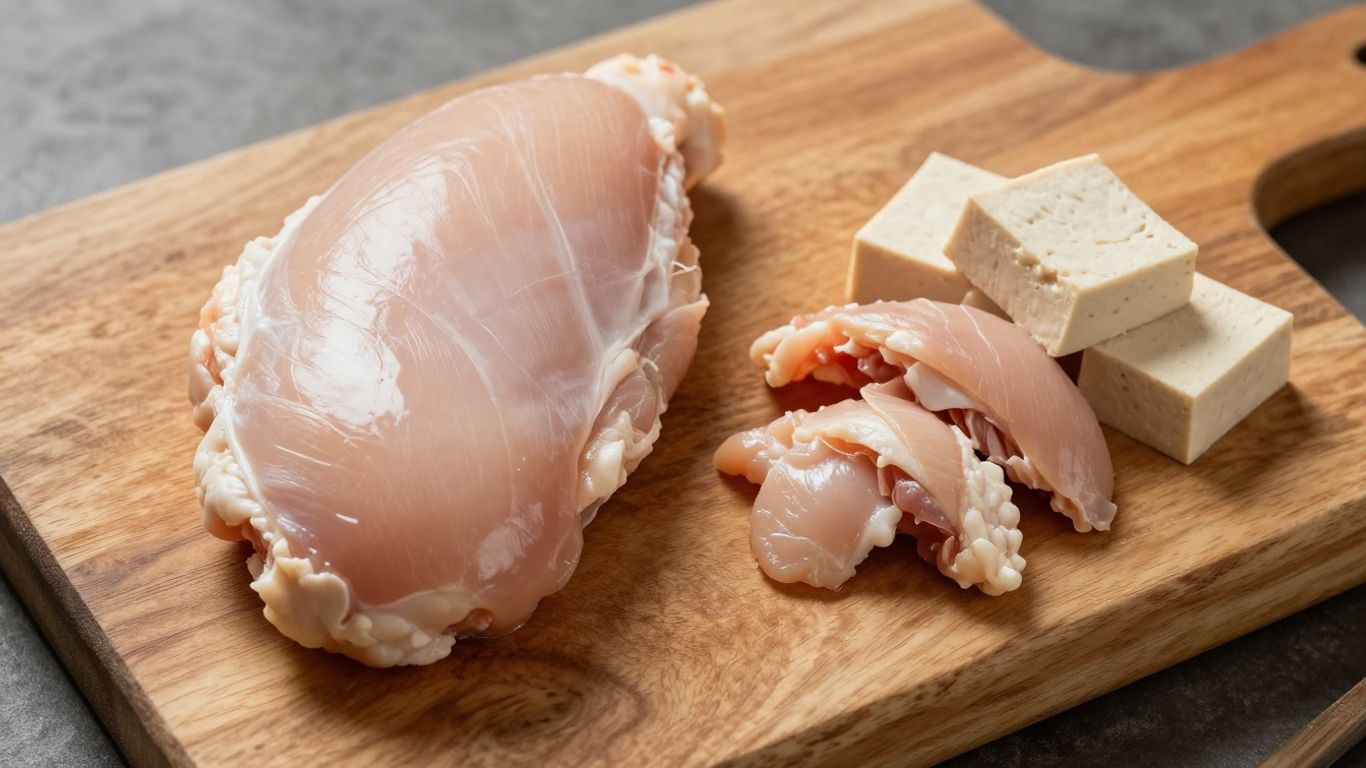
So, we’ve talked a lot about chicken breast, but how does it stack up against other protein sources out there? It’s a good question to ask, especially if you’re trying to figure out the best way to get your protein in.
Chicken Breast vs. Red Meat
When you look at protein quality, chicken breast is often seen as a healthier choice compared to red meat. Red meat, like beef and pork, can be a good source of protein and iron, but it also tends to have more saturated fat. Eating too much saturated fat isn’t great for your heart. Chicken breast, on the other hand, is a leaner option. It provides a solid amount of protein with less of that saturated fat. Think of it this way: a 3-ounce serving of chicken breast might give you around 26 grams of protein, while a similar serving of some red meats could have more fat along with the protein.
Plant-Based Protein Options
Now, let’s talk about plant-based proteins. Things like beans, lentils, tofu, and nuts are definitely important for a balanced diet. They come with fiber and other good stuff. However, when we talk about protein quality, meaning how well your body can use the protein, animal sources like chicken breast usually score higher. This is because they tend to have a better mix of all the essential amino acids your body needs but can’t make itself. Some plant proteins might be missing one or two of these, or you might need to eat a larger amount to get the same benefit as a smaller portion of chicken.
Dairy as a Protein Source
Dairy products, like milk, yogurt, and cheese, are also good protein sources. Milk, in particular, is often highlighted for its high protein quality, sometimes even scoring higher than chicken breast in terms of amino acid profile and how easily the body can absorb it. This is why you see milk and whey protein used in many protein supplements. They offer a complete package of amino acids that your body can readily use.
Here’s a quick look at how some common proteins compare:
| Protein Source | Approximate Protein per 3oz (cooked) | Notes |
|---|---|---|
| Chicken Breast | 26g | Lean, complete protein |
| Beef (Lean) | 22-25g | Good protein, iron, but can be higher in fat |
| Lentils (cooked) | 9g | Good fiber, plant-based, lower protein density |
| Tofu (firm) | 10g | Plant-based, complete protein |
| Milk (1 cup) | 8g | Complete protein, calcium |
| Eggs (2 large) | 12g | Complete protein, versatile |
It’s worth remembering that while chicken breast is a great protein source, variety is key. Mixing up your protein sources ensures you get a wide range of nutrients. Don’t forget that how you prepare your food also makes a big difference in its overall healthiness.
So, What’s the Final Word on Chicken Breast Protein?
Alright, so we’ve talked a lot about chicken breast and how much protein is actually in it. Turns out, it’s a pretty solid source, giving you a good chunk of your daily needs, especially if you’re looking to build muscle or just keep your body running right.
Remember, cooking it properly is key to staying healthy, and opting for baking or grilling over frying is a smart move for your heart. Whether you’re a gym enthusiast or just trying to eat a bit better, chicken breast is a reliable player on your plate. It’s not just about the numbers, though; it’s about how this simple food fits into a balanced diet. So go ahead, enjoy that chicken breast, knowing you’re getting some good stuff from it.
Frequently Asked Questions
How much protein is in a typical chicken breast?
A standard 3-ounce (about 85 grams) serving of cooked, skinless chicken breast usually packs around 26 grams of protein. It’s a fantastic source of lean protein, meaning you get a lot of protein without a lot of fat.
Why is chicken breast considered a complete protein?
Chicken breast is a complete protein because it contains all nine essential amino acids. These are like the tiny building blocks your body needs to function properly, and it can’t make them on its own, so you have to get them from food.
Does cooking method change the protein amount?
While the cooking method itself doesn’t magically add or remove protein, how you cook chicken can affect its overall nutritional value. For example, baking or grilling is healthier than frying because it adds less fat. The protein content remains pretty consistent whether it’s baked, grilled, or even boiled.
Is chicken breast good for weight loss?
Yes, chicken breast can be a great ally for weight loss. It’s high in protein and relatively low in calories. Protein helps you feel full longer, and your body uses more energy to digest it compared to fats or carbs, which can help boost your metabolism a bit.
How much protein do I need each day?
The amount of protein you need depends on your age, activity level, and overall health. A general guideline for adults is about 0.8 grams of protein per kilogram of body weight. However, active people and older adults might need more, sometimes between 1.2 to 2.0 grams per kilogram.
Are there healthier parts of the chicken than others?
Chicken breast is generally considered the leanest part, meaning it has the least amount of fat, especially when the skin is removed. Darker meat like thighs can have a bit more fat, but it also contains healthy fats and nutrients. The skin on any part of the chicken adds extra fat.
Back to Fuel Energy for Nutrition
You may also find this Nutrition Geeks guide helpful: Unlock Your Well-being: Exploring the Surprising Benefits of Walking Barefoot.
You may also find this Nutrition Geeks guide helpful: Herbalife: A Comprehensive Look at the Global Nutrition Leader.
You may also find this Nutrition Geeks guide helpful: Boost Your Day with Herbalife Lemon Tea Concentrate.