Disclosure: This post may contain affiliate links, meaning if you decide to make a purchase through my links I may earn a commission at no additional cost to you. See my disclosure for more info.
So, you’re curious about green juice and wondering how often you should be drinking it. It’s a popular drink these days, and for good reason. It packs a lot of nutrients into one glass. But like anything, too much or too little might not be the best. We’ll break down how to find that sweet spot, figuring out how often should you drink green juice to actually feel the benefits without going overboard. It’s really about listening to your body and seeing what works for you.
Key Takeaways
- For most people, drinking green juice 3-5 times a week is a good starting point to get benefits without overdoing it. Daily intake can be fine for healthy folks, but ease into it.
- Green juice is best as a supplement to whole foods, not a replacement. It offers concentrated nutrients but lacks the fiber found in whole vegetables.
- When making or choosing green juice, aim for an 80% vegetable to 20% fruit ratio. This helps keep sugar content lower while still tasting good.
- Consider drinking green juice in the morning on an empty stomach for better absorption, or after a workout to help your body use the nutrients.
- Pay attention to how your body feels. If you notice digestive issues or other discomforts, you might be drinking too much, or it might be time to adjust your frequency.
Understanding How Often Should You Drink Green Juice
So, you’ve got this green juice, and you’re wondering, "How much is too much?" It’s a good question, and honestly, there isn’t a single magic number that fits everyone. Think of it like adding spices to a dish – a little can make a big difference, but too much can overpower everything else. The goal is to find that sweet spot where you get the benefits without any unwanted side effects.
Nutrient Density and Bioavailability
Green juice is basically a concentrated shot of plant power. When you juice vegetables, you’re essentially extracting all the good stuff – the vitamins, minerals, and antioxidants – and leaving the fiber behind. This means your body can absorb those nutrients pretty quickly. It’s like getting a direct line to all the goodness without your digestive system having to work too hard to break down tough plant fibers. This rapid absorption is a big part of why people feel a boost of energy after drinking it.
Explore more NutritionGeeks guides related to wellness, recovery, nutrition and active lifestyle support.
Comparing Juice and Whole Vegetables
It’s important to remember that green juice isn’t the same as eating a big salad. Whole vegetables come packed with fiber, which is super important for keeping your digestive system happy and helping you feel full. Juice, on the other hand, is mostly water and nutrients. While that’s great for quick absorption, you miss out on the benefits of fiber. So, while green juice can be a fantastic addition to your diet, it shouldn’t replace eating whole fruits and vegetables entirely. They play different, but equally important, roles.
Common Frequency Recommendations
For most folks just starting out or looking for general wellness, aiming for green juice about 3 to 5 times a week is a solid starting point. This frequency allows you to get a good dose of nutrients regularly without overwhelming your system. If you’re feeling good and your body seems to be handling it well, some people choose to drink it daily. However, it’s always wise to start slow, maybe just a few times a week, and see how you feel before increasing it. Listening to your body is key here. If you notice any digestive upset or feel a bit off, it might be a sign to cut back a little.
More NutritionGeeks Wellness Guides
Explore more NutritionGeeks guides connected to wellness, recovery, hydration, energy, sleep and active lifestyle nutrition.
Green juice is a powerful tool for delivering concentrated nutrients, but it’s best viewed as a supplement to a balanced diet, not a replacement for whole foods. The lack of fiber means it complements, rather than substitutes, the benefits of eating vegetables in their natural form.
Balancing Green Juice in Your Diet for Optimal Results
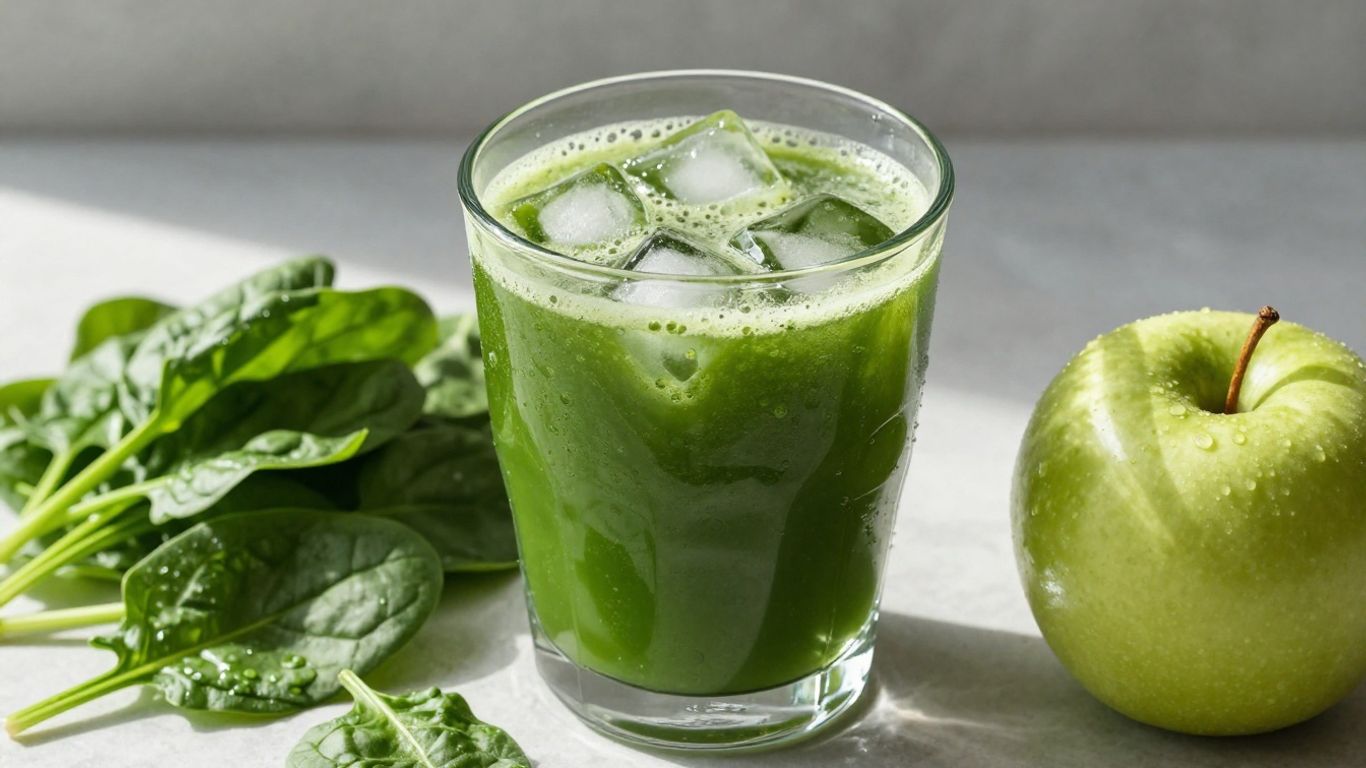
So, you’ve decided to give green juice a regular spot in your routine. That’s awesome! But how do you make sure it’s actually helping you and not just adding extra sugar or calories? It’s all about finding that sweet spot, and that means thinking about how it fits with the rest of what you eat.
Complementing Whole Foods, Not Replacing Them
First things first: green juice is a fantastic supplement to your diet, not a substitute for actual meals. Think of it like adding a powerful vitamin boost, but it doesn’t have the protein, healthy fats, or fiber you get from eating whole foods. Trying to live on juice alone? That’s a recipe for feeling tired and hungry. It’s best to see it as a way to pack in extra nutrients alongside your regular, balanced meals. This way, you get the best of both worlds – the concentrated goodness of juice and the sustained energy and satisfaction from whole foods.
Green juice is a concentrated source of vitamins and minerals, but it lacks the fiber found in whole vegetables. Fiber is important for digestion and keeping your blood sugar steady. So, while juice is great for a quick nutrient hit, don’t ditch your salads or steamed veggies.
The 80/20 Rule for Ingredient Selection
When you’re making your juice or picking one up, pay attention to what’s inside. A good rule of thumb is the 80/20 rule: aim for about 80% vegetables and 20% fruit. This helps keep the sugar content in check. Too much fruit means too much natural sugar, which can lead to energy crashes. Stick to lower-sugar fruits like berries or a small amount of apple, and load up on things like cucumber, celery, spinach, and kale. This balance makes the juice tasty without turning it into a sugar bomb.
Here’s a quick guide to help you balance your ingredients:
- Vegetable Base (80%):
- Cucumber
- Celery
- Spinach
- Kale
- Romaine Lettuce
- Parsley
- Flavor & Sweetness (20%):
- Green Apple (small amount)
- Lemon or Lime (for zing)
- Ginger (for a kick)
Role of Green Juice in Weight Management
Green juice can be a helpful ally if you’re trying to manage your weight. Because it’s packed with nutrients but generally lower in calories than many snacks or drinks, it can help you feel full and satisfied without overdoing it on calories. It’s a smart way to get a lot of vitamins and minerals when you’re trying to eat less overall. Just remember, it’s not a magic weight-loss potion. It works best when combined with a healthy diet and regular exercise. Think of it as a nutrient-dense, low-calorie option that supports your efforts.
Pairing Juice With Protein and Healthy Fats
To really make your green juice work harder for you, try pairing it with some protein or healthy fats. This is especially important if you’re drinking it on its own or as part of a lighter meal. Adding a scoop of protein powder, a handful of nuts, some avocado, or even a hard-boiled egg alongside your juice can help stabilize your blood sugar and keep you feeling full for longer. This combination prevents those quick energy spikes and crashes and makes your snack or meal more satisfying. It also helps your body absorb those fat-soluble vitamins that are present in your greens, like vitamins A, D, E, and K. So, don’t be afraid to add a little healthy fat to your routine, maybe even a drizzle of olive oil in your juice if you’re feeling adventurous.
Factors Influencing How Often Should You Drink Green Juice
So, you’re curious about how much green juice is just right for you? It’s not a one-size-fits-all situation, really. What works for your friend might not be the best for you, and that’s totally okay. Several things play a role in figuring out your personal sweet spot.
Individual Health Goals and Needs
Think about what you’re trying to achieve. Are you looking to boost your energy, support your immune system, or maybe manage your weight? Your goals will definitely shape how often you should be reaching for that juicer or store-bought bottle. Someone aiming for a significant nutritional boost might drink it daily, while another person might use it a few times a week as a supplement.
- Energy Boost: Daily or every other day.
- Nutrient Supplement: 3-5 times per week.
- Occasional Detox/Refresh: 1-2 times per week.
Considerations for Blood Sugar and Diabetes
This is a big one. Even though green juice is made from veggies, it can still contain natural sugars, especially if you add fruits. If you have diabetes or are watching your blood sugar, you need to be extra mindful. The concentrated sugars, even from healthy sources, can affect your glucose levels. It’s wise to stick to recipes that are heavy on low-sugar vegetables like cucumber, celery, and leafy greens, and go light on the apples or carrots. Always monitor your blood sugar levels when you start incorporating green juice to see how your body reacts.
Medication Interactions and Special Populations
Some greens, like kale and spinach, are packed with Vitamin K. This vitamin can interfere with blood-thinning medications, such as warfarin. If you’re on such medication, it’s really important to chat with your doctor before making green juice a regular part of your diet. They can advise you on whether you need to adjust your dosage or limit your intake. Also, if you have issues with kidney stones, be aware that some greens are high in oxalates, so moderation might be key there too.
Maximizing the Benefits of Green Juice Consumption
So, you’ve decided to incorporate green juice into your routine. That’s great! But how do you make sure you’re getting the most out of every sip? It’s not just about drinking it; it’s about drinking it smart. Let’s look at some ways to really make this nutrient-packed drink work for you.
Best Times of Day to Drink Green Juice
When you drink your green juice can actually make a difference in how your body uses it. Many people find that drinking it first thing in the morning, on an empty stomach, is the way to go. Your body can absorb all those good nutrients more easily without other foods getting in the way. It’s a fantastic way to kickstart your day with energy. Some folks also like to have it about 30 minutes before a meal, especially if they’re watching their weight, as it can help them feel a bit fuller. Just try to avoid chugging a big glass right before bed; the natural sugars, even from veggies, might keep you up.
Supporting Immunity and Energy Levels
Green juice is packed with vitamins and minerals that can give your immune system a nice boost. Think Vitamin C, antioxidants, and other plant compounds that help your body fend off everyday stresses. It’s not a magic shield, of course, but it can contribute to your overall resilience. And that feeling of energy? It often comes from the quick absorption of nutrients, giving your cells what they need to function well. It’s like giving your body a direct line to some essential fuel.
Enhancing Nutrient Absorption Post-Activity
After you’ve worked out, your body is ready to refuel and repair. Drinking green juice post-activity can be a smart move. The increased blood flow from exercise helps your body distribute the nutrients from the juice more efficiently. While pure green juice doesn’t have much protein or fat (which are also important after exercise), the vitamins, minerals, and antioxidants can help with recovery and reduce exercise-induced stress. It’s a good idea to pair it with a source of protein and healthy fats to make it a more complete recovery snack.
Remember, green juice is a concentrated source of nutrients, but it’s not a complete meal. It works best when it’s part of a balanced diet that includes protein, healthy fats, and fiber from whole foods. Think of it as a powerful supplement to your healthy eating habits, not a replacement for them.
Recognizing Potential Downsides and Precautions
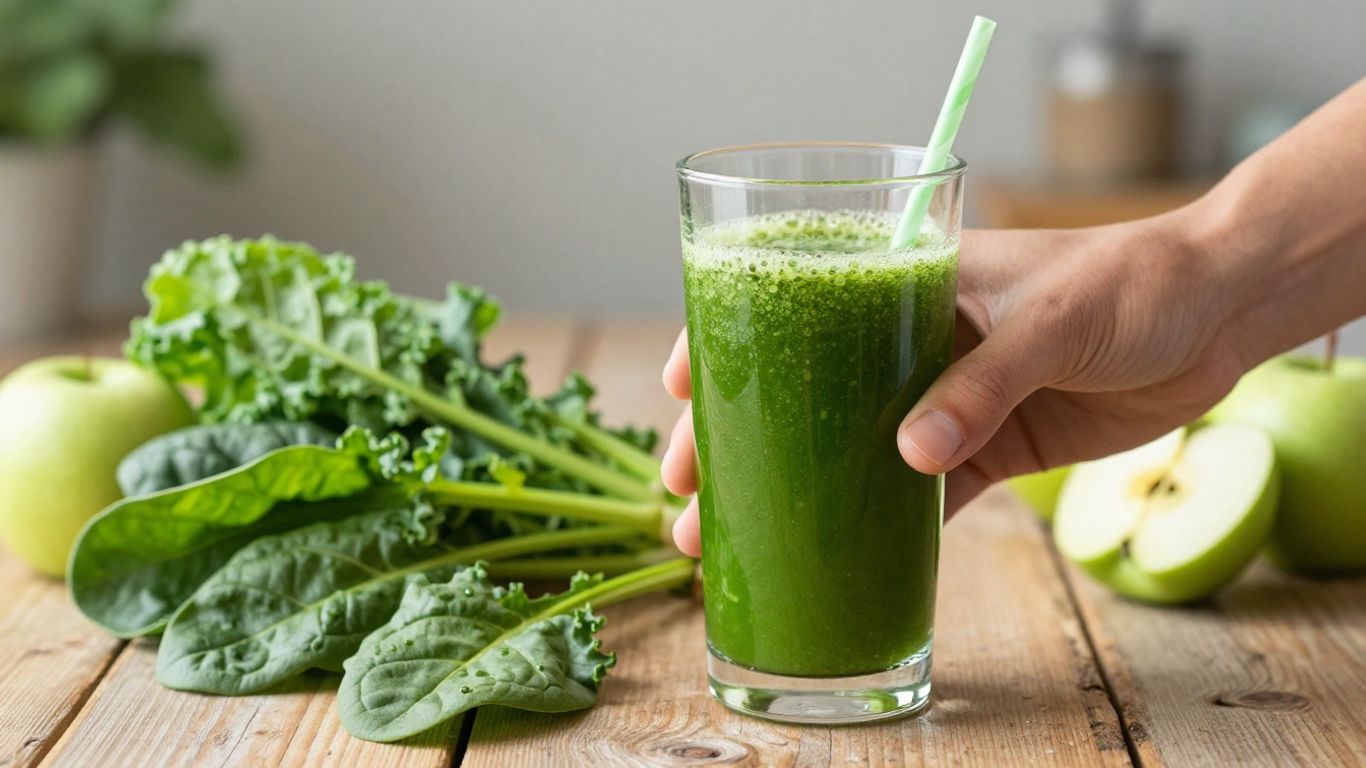
While green juice can be a fantastic way to pack in nutrients, it’s not all sunshine and rainbows. We need to talk about the flip side, too. It’s easy to get carried away with the health halo surrounding green juice, but like anything, too much or the wrong kind can cause issues.
Concerns About Sugar Content and Calories
Even though we’re talking about vegetables, it’s possible to end up with a sugary drink. This usually happens when too much fruit is added to make the juice palatable. While natural sugars are better than refined ones, they still count towards your daily intake and can impact blood sugar levels. Plus, if you’re watching your calorie intake, some juices can pack more calories than you’d expect, especially if they include higher-calorie fruits or added sweeteners.
It’s really important to keep an eye on the fruit-to-vegetable ratio. A good rule of thumb is the 80/20 rule: 80% vegetables and 20% fruit. This helps keep the sugar and calorie count in check while still making the juice taste good.
Here’s a quick look at how different fruits can affect the sugar content:
| Fruit | Approx. Sugar per 1/2 cup (chopped) |
|---|---|
| Apple | 13g |
| Orange | 11g |
| Pineapple | 10g |
| Berries | 7g |
| Lemon/Lime | 2g |
Addressing Lack of Fiber
This is a big one. When you juice vegetables and fruits, you’re essentially removing the fiber. Fiber is super important for digestion, keeping you feeling full, and helping to regulate blood sugar. Without it, you miss out on these benefits. Think of it this way: you’d have to eat a whole lot of spinach to get the same amount of nutrients as in a small glass of spinach juice, but you’d also be getting all that beneficial fiber.
- Digestive Health: Fiber feeds the good bacteria in your gut.
- Satiety: Fiber helps you feel full longer, which can prevent overeating.
- Blood Sugar Control: Fiber slows down the absorption of sugar into your bloodstream.
Because of this, green juice should really be seen as a supplement to your diet, not a replacement for whole fruits and vegetables. You still need to eat your veggies whole!
Risks for People With Specific Health Conditions
Green juice isn’t for everyone, or at least, it needs to be approached with caution by certain groups. For instance, people on blood-thinning medications like warfarin need to be mindful of the Vitamin K content in leafy greens. High levels of Vitamin K can interfere with how these medications work. It’s always best to chat with your doctor if you’re on such medications.
People with a history of kidney stones or kidney disease might also need to be careful. Certain greens, like spinach and Swiss chard, are high in oxalates, which can contribute to kidney stone formation in susceptible individuals. If this is a concern for you, stick to lower-oxalate greens like cucumber, celery, and romaine lettuce.
Also, if you have diabetes or issues with blood sugar regulation, even low-sugar green juices can have an impact. The concentrated natural sugars, while less than in fruit juice, can still cause a spike. Monitoring your blood glucose levels after drinking green juice is a smart move to see how your body reacts.
Tuning Into Your Body: Adjusting Frequency for Personal Balance
So, you’ve been drinking green juice, maybe a few times a week, maybe daily. That’s great! But how do you know if you’re hitting that sweet spot? It’s not a one-size-fits-all situation, really. What works wonders for your friend might leave you feeling a bit off. The real secret is listening to what your body is telling you. It’s like figuring out how much sleep you need – some people are fine with six hours, others need a solid eight. Green juice is similar.
Tracking Your Body’s Response Over Time
This is where you become your own health detective. Start paying attention. How do you feel after your juice? Are you more energized, or do you get a weird slump a little later? How’s your digestion? Any changes there? Jotting down a few notes can be super helpful. You don’t need a fancy app; a simple notebook works fine.
Here’s a quick way to track:
- Energy Levels: Do you feel a sustained boost, a quick spike followed by a crash, or no change at all?
- Digestion: Are things moving smoothly, or are you experiencing bloating, gas, or discomfort?
- Mood & Focus: Do you notice any improvements in your mental clarity or overall mood?
- Skin: Any subtle changes in your skin’s appearance or hydration?
Think of it like this: if you start drinking juice and suddenly feel more alert and your stomach feels settled, that’s a good sign. If you start feeling gassy or just generally ‘meh,’ it might be a signal to adjust.
Managing Digestive Sensitivity
Let’s be real, chugging a big glass of concentrated veggies can be a shock to the system if you’re not used to it. Some people might feel a bit bloated or gassy when they first start, especially if they’re not used to a lot of raw vegetables. It’s not necessarily a bad thing, but it’s definitely something to note.
- Start Small: If you’re new to green juice, begin with a smaller portion, maybe 4-6 ounces, and see how you do. You can always increase it later.
- Dilute if Needed: Mix your juice with a little water if it feels too intense.
- Introduce Greens Slowly: If you’re using a lot of strong greens like kale, maybe start with milder ones like spinach or romaine lettuce.
- Chew Your Juice (Sort Of): Swish it around in your mouth a bit before swallowing. This helps mix it with saliva, which is the first step in digestion.
If you consistently feel uncomfortable after drinking your juice, it might mean you need to cut back on the frequency or change up the ingredients. Your gut health is important, and we don’t want to upset it!
Signs You May Be Drinking Too Much
Okay, so how do you know if you’ve crossed the line from beneficial to ‘oops, maybe too much’? It’s usually pretty obvious once you start looking for the signs.
- Digestive Upset: Persistent bloating, gas, or changes in bowel movements that aren’t pleasant.
- Energy Crashes: Instead of feeling energized, you find yourself feeling tired or sluggish shortly after drinking your juice.
- Blood Sugar Swings: Even with low-sugar recipes, if you notice significant ups and downs in your energy or mood related to your juice intake, it could be a sign.
- Nutrient Imbalance Concerns: If you’re relying heavily on juice and noticing gaps in other areas of your diet (like not getting enough protein or healthy fats), that’s a red flag.
Remember, green juice is a supplement to a healthy diet, not a replacement for meals. If you’re feeling off, it’s always a good idea to scale back and reassess. Your body will thank you for paying attention to its signals.
Finding Your Green Juice Sweet Spot
So, we’ve talked a lot about green juice – what it is, why it’s good for you, and how to make it work. The main takeaway here is that there’s no single answer for everyone. Some folks might feel great drinking it daily, while others do better with a few times a week. It really comes down to listening to your body. Think of green juice as a helpful addition to your healthy habits, not a magic fix. By paying attention to how it makes you feel, what you put in it, and when you drink it, you can figure out the best way for green juice to support your wellness journey. It’s all about finding that balance that feels right for you.
Frequently Asked Questions
How often should I drink green juice to get the most benefits?
For most people, drinking green juice about 3 to 5 times a week is a good starting point. It gives you plenty of nutrients without being too much for your body. If you’re feeling good and have no health issues, drinking it every day might be okay, but it’s best to start slow and see how your body feels.
Can green juice help me lose weight?
Green juice can be a helpful part of a weight loss plan because it’s packed with nutrients but usually low in calories. It might help you feel full and control your appetite. However, to lose weight for good, you need to eat healthy foods, exercise regularly, and make other healthy lifestyle changes.
When is the best time to drink green juice?
Many people find that drinking green juice in the morning on an empty stomach is best. It can give you an energy boost to start your day and your body can absorb the nutrients easily. It’s generally not recommended to drink large amounts right before bed, as it might interfere with your sleep.
Is green juice better than green smoothies?
Both green juice and green smoothies have their own advantages. Green juice gives you a concentrated dose of vitamins and minerals that your body can absorb quickly. Green smoothies, on the other hand, keep the fiber from the vegetables and fruits, which is great for your digestion. The best choice for you depends on what your body needs and what you prefer.
What happens if I drink too much green juice?
Drinking too much green juice might cause some issues. Since it lacks fiber, it can sometimes upset your stomach if you drink a lot. Also, some green juices can be high in natural sugars or calories, which isn’t ideal if you’re watching your intake. It’s important to listen to your body and notice any changes in how you feel.
Are there any health problems that mean I shouldn’t drink green juice?
Yes, some people need to be careful. If you’re on blood-thinning medicine, talk to your doctor because green juice is high in Vitamin K. People with kidney problems should also be cautious with certain greens like spinach, which have oxalates. If you have diabetes, keep an eye on how green juice affects your blood sugar, even if it’s made with low-sugar ingredients.
You may also find this Nutrition Geeks guide helpful: Herbalife Member Pack Price Breakdown: What You Get and How Much It Costs in 2026.
You may also find this Nutrition Geeks guide helpful: Workoutpedia: Your Ultimate Guide to Over 110 Exercises for Peak Fitness.
You may also find this Nutrition Geeks guide helpful: Herbalife Weight Gain Products: Prices & Options for Your Goals.
Looking for the Best Wellness Products?
Compare our top supplement reviews, recovery products, daily wellness essentials, protein picks, vitamins, and metabolism support guides all in one place.
Explore Wellness Shop →