Disclosure: This post may contain affiliate links, meaning if you decide to make a purchase through my links I may earn a commission at no additional cost to you. See my disclosure for more info.
Are you seeking out more helpful tips on how to prepare krentenbol? Welcome to Nutrition Geeks. It is awesome you have arrived here to my website. I hope you find this post and our resources helpful to you.
Ah, the krentenbol! If you’ve ever been to the Netherlands or know someone who has, you’ve probably encountered this delightful little bun. It’s a simple, yet satisfying treat, often found in bakeries and homes alike. Think of a soft, slightly sweet bread roll packed with juicy currants. It’s the kind of thing that brings back memories for many, a taste of childhood, and a reliable snack for any time of day. Let’s talk about this classic Dutch bake.
Key Takeaways
- The krentenbol is a classic Dutch baked good, characterized by its soft, slightly sweet dough and the inclusion of currants.
- These buns have a history dating back to the 17th century, evolving into a common item in Dutch bakeries.
- Making krentenbollen at home involves preparing a yeast dough, incorporating currants, shaping the buns, and baking them until golden brown.
- Krentenbollen are versatile and can be enjoyed plain, with butter, or even with cheese, making them suitable for breakfast, snacks, or lunch.
- This traditional treat offers a comforting flavor and texture, often evoking nostalgic feelings for those who grew up with them.
Understanding The Krentenbol
A Golden-Brown Delight
Krentenbollen are a classic Dutch baked good, instantly recognizable by their lovely golden-brown crust and slightly rustic appearance. When you pull one apart, you’ll see the soft, fluffy interior dotted with plump currants. They’re often brushed with an egg wash before baking, which gives them that signature shiny finish that just makes you want to grab one. They really are a treat for the eyes as much as they are for the taste buds.
Explore more NutritionGeeks guides related to wellness, recovery, nutrition and active lifestyle support.
A Taste of Childhood Memories
For many in the Netherlands, krentenbollen bring back a flood of warm memories. They’re often associated with grandparents’ kitchens, special breakfast treats on Sundays, or packed lunches for school. The slightly sweet dough combined with the tangy burst of the currants creates a comforting flavor that feels like home. It’s a taste that stays with you, a simple pleasure that evokes a sense of nostalgia and comfort.
The Krentenbol’s Rustic Charm
What makes the krentenbol so special is its unpretentious charm. It’s not overly fancy, but it’s incredibly satisfying. The texture is soft and yielding, with the currants adding little pockets of juicy sweetness. Some people like them plain, while others enjoy them with a bit of butter or even a slice of cheese. They’re a versatile bun that fits perfectly into many parts of the day, from breakfast to a mid-afternoon snack. You can find them in almost any Dutch bakery, a testament to their enduring popularity.
More NutritionGeeks Wellness Guides
Explore more NutritionGeeks guides connected to wellness, recovery, hydration, energy, sleep and active lifestyle nutrition.
The simple combination of slightly sweet dough and tangy currants is what makes this bun a beloved classic. It’s a taste that’s both familiar and deeply satisfying. Swedish almond cake is also extremely delicious.
Here’s a quick look at what goes into making these delightful buns:
- Dough: A soft, slightly sweet yeast dough forms the base.
- Currants: These are the stars, providing bursts of tangy flavor and moisture.
- Optional Additions: Sometimes a hint of lemon zest or cinnamon is added for extra depth.
These buns are a wonderful example of how simple ingredients can create something truly delicious. They’re a staple for a reason, offering a comforting and satisfying bite every time. If you’re looking to try a traditional Dutch treat, the krentenbol is definitely the place to start. You can find out more about raisin buns and their place in Dutch baking.
The Rich History Of Krentenbollen
17th Century Origins
The story of the krentenbollen, those delightful currant buns, really kicks off around the 17th century. This was a time when the Dutch were quite the traders, sailing the seas and bringing back all sorts of goods. Among these imports were currants, small dried grapes that came all the way from the Mediterranean. It makes sense, right? Bakers, always looking for new ways to use interesting ingredients, started mixing these sweet little dried fruits into their doughs. It was a way to add a touch of sweetness and a bit of luxury to everyday bread.
A Staple In Dutch Bakeries
Fast forward a bit, and these currant-studded buns became a real fixture. You’d find them popping up in bakeries all over the Netherlands. They weren’t just for special occasions either; they became a go-to for breakfast, a snack with coffee, or something to pack for a journey. It’s easy to see why they caught on. The slightly sweet dough paired with the chewy, tangy currants made for a satisfying bite. Plus, the addition of spices like cinnamon or a hint of citrus zest, which some recipes include, just added another layer of flavor that people enjoyed.
Evolution Through Centuries
Over the years, the krentenbollen recipe has seen a few tweaks, but the core idea has stayed pretty much the same. Different regions might have their own little variations, maybe using different types of dried fruit or adjusting the sweetness. But that basic combination of a soft, slightly sweet bread dough packed with currants is what has kept it popular. It’s a recipe that’s been passed down through families, a taste of tradition that many Dutch people grew up with. It’s funny how a simple bun can hold so much history and so many memories for people.
Crafting Your Own Krentenbollen
Making krentenbollen at home is a really rewarding experience. It’s not overly complicated, and the smell that fills your kitchen as they bake is just amazing. Plus, you get to control exactly what goes into them. Let’s get started on making these Dutch treats.
Essential Ingredients
To get that classic krentenbollen flavor and texture, you’ll need a few key things. Don’t worry if you don’t have everything on hand; most of these are pretty standard baking items.
- Flour: All-purpose flour works great here.
- Yeast: Active dry yeast is what we’ll use to make the dough rise.
- Sweetener: A bit of sugar helps feed the yeast and adds a touch of sweetness.
- Liquid: Lukewarm milk is best for activating the yeast.
- Fat: Softened butter makes the dough tender and rich.
- Flavor Boosters: Salt for taste, and importantly, currants and lemon zest for that signature krentenbollen taste. You may also want to check out this post I wrote on the best tasting Herbalife flavors, if interested in that company.. Some recipes also add a pinch of cinnamon.
- For the Glaze: An egg mixed with a little milk gives them that lovely golden shine.
Preparing The Dough
This is where the magic really starts. Getting the dough right is half the battle, but it’s pretty straightforward.
- Activate the Yeast: In a small bowl, mix your lukewarm milk with the yeast and a teaspoon of the sugar. Let it sit for about 5 to 10 minutes. You’ll know it’s ready when it gets nice and frothy on top. This shows the yeast is alive and kicking.
- Mix Dry Ingredients: In a big bowl, combine the flour, the rest of the sugar, and the salt. Make a little well in the middle.
- Combine Wet and Dry: Pour the frothy yeast mixture and a beaten egg into the well you made in the dry ingredients. Start mixing it all together, maybe with a spoon or on a low speed if you’re using a stand mixer. Just mix until it starts to come together into a shaggy dough.
- Add Butter and Knead: Now, add the softened butter to the dough. If you’re using a mixer, crank it up to medium speed and let it knead for about 10 minutes. If you’re doing it by hand, get ready for a good workout! You want the dough to become smooth, elastic, and just a little bit sticky. This kneading develops the gluten, which is what gives the buns their nice texture.
Incorporating The Currants
This is the part that makes them krentenbollen!
- Prep the Currants: While the dough is kneading, or even the night before, give your currants a quick rinse. Some people like to soak them in warm water for about 30 minutes to plump them up, then drain them really well. Pat them dry with a clean kitchen towel.
- Add Zest: For an extra pop of flavor, mix about a tablespoon of fresh lemon zest into the dried currants. This really brightens things up.
- Mix Them In: Once your dough is smooth and elastic, it’s time to add the currant and lemon zest mixture. Knead for just a few more minutes, until you can see the currants are spread out pretty evenly through the dough. You don’t want them all clumped in one spot!
After the dough has been kneaded with the currants, it’s time for its first rest. Cover the bowl with a clean cloth and let it sit in a warm, draft-free spot for about an hour. It should get noticeably bigger, almost doubling in size. This rise is super important for getting that light, airy texture we all love in a good bun.
Shaping And Baking The Buns
Now for the fun part – turning that dough into beautiful buns!
- Divide and Shape: Once the dough has risen, gently punch it down and turn it out onto a lightly floured surface. Divide the dough into about 10 to 12 equal pieces. Take each piece and gently shape it into a ball. You can do this by tucking the edges underneath to create a smooth top and a slightly tighter bottom. This helps them hold their shape.
- Second Rise: Place the shaped buns on a baking sheet lined with parchment paper, leaving some space between them because they’ll puff up. Cover them loosely with plastic wrap or a clean kitchen towel and let them rise again for about 45 minutes to an hour in a warm place. They should look nice and puffy.
- Preheat and Glaze: While the buns are doing their second rise, preheat your oven to around 400°F (200°C). Whisk together one egg with a teaspoon of milk. Once the buns have finished their rise, gently brush this egg wash over the tops. This is what gives them that beautiful golden-brown color.
- Bake: Pop the tray into the preheated oven and bake for about 14 to 16 minutes. Keep an eye on them – they’re done when they’re a lovely golden brown all over and sound hollow when you tap the bottom. Let them cool on a wire rack before you dig in.
Shaping And Baking The Buns
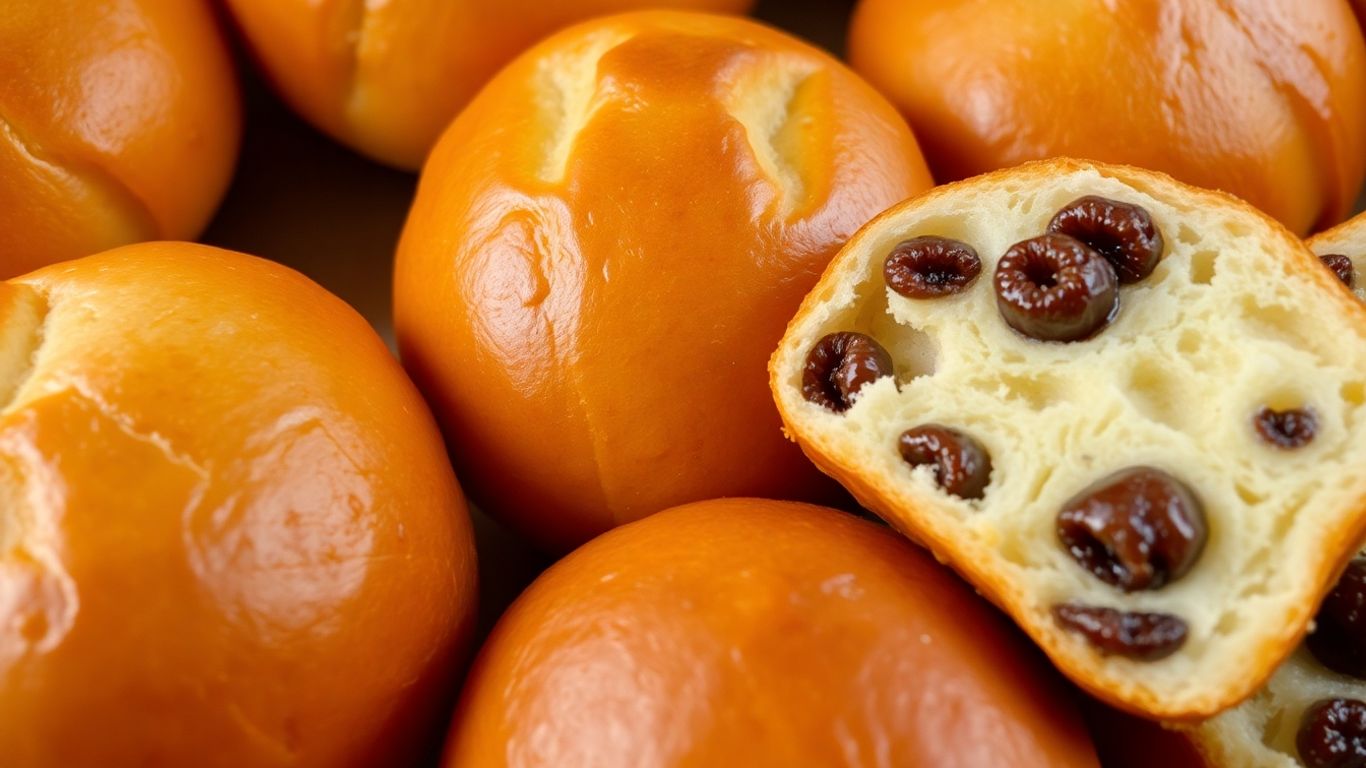
Alright, so you’ve got your dough, all lovely and studded with those sweet little currants. Now comes the part where we turn that sticky mass into something that looks like actual bread. It’s not super complicated, but a little care goes a long way.
Achieving The Perfect Shape
First things first, you want to divide your dough into equal portions. Weighing them is a good idea if you want them to bake evenly. Then, it’s time to shape them. Take a piece of dough and gently roll it under your hand on a lightly floured surface until it forms a nice, taut ball. You want to feel a bit of tension on the top surface. Some folks like to use their pinky and thumb to help create this tension, keeping them in contact with the dough as you roll. Don’t go crazy with the flour on your counter; a little bit helps the dough grip and shape properly. Place these little beauties on a baking sheet lined with parchment paper, leaving plenty of space between them because, trust me, they’re going to puff up.
The Art Of The Rise
Once all your krentenbollen are shaped and sitting pretty on the baking sheet, it’s time for their second act: the proofing. Loosely cover them with plastic wrap or a clean kitchen towel. Find a warm, draft-free spot for them to hang out for about an hour, or maybe a bit longer. The goal is for them to get nice and puffy, roughly doubling in size. How long this takes really depends on how warm your kitchen is. A good test is to gently poke one of the buns. If the little dent you make stays put, they’re ready. If it springs back, give them another 10-15 minutes and check again. Patience here really pays off for a lighter bun.
Achieving A Golden Sheen
While your buns are doing their final rise, go ahead and preheat your oven. A temperature around 200°C (400°F) usually does the trick. Just before they go in, you might want to give them a little wash. Whisk together an egg with a splash of milk or water and gently brush this mixture over the tops of the risen buns. This is what gives them that lovely, inviting golden-brown color. Now, pop them into the hot oven. They typically need about 15 to 20 minutes to bake. Keep an eye on them; ovens can be a bit unpredictable. If they start getting too dark on top before they’re fully baked, you can always lower the oven temperature slightly. Once they’re out, let them cool on a wire rack. Some people like to brush them with a little melted butter while they’re still warm for extra flavor and softness. You can find more details on preparing the dough if you need a refresher before this stage.
Enjoying Your Krentenbollen
So, you’ve gone through the effort of making these wonderful Dutch currant buns, or maybe you’ve just picked some up from your favorite bakery. Now comes the best part: eating them! Krentenbollen are pretty versatile, and there are lots of ways to enjoy them. They’re not just for breakfast, though they do make a fantastic start to the day.
Classic Pairings
When it comes to enjoying a krentenbol, simplicity is often key. Many Dutch families have their own traditions, but a few pairings are pretty standard.
- A smear of butter: This is probably the most common way to eat them. A good quality butter melts into the warm bun, adding a rich creaminess that complements the sweet currants.
- With cheese: Don’t knock it ’til you try it! A slice of mild or slightly sharp Dutch cheese, like Gouda, is a surprisingly good match. The saltiness of the cheese cuts through the sweetness of the bun.
- Plain: Honestly, a freshly baked krentenbol is delicious all on its own. The subtle sweetness of the dough, the burst of the currants, and that lovely soft texture are often enough.
A Versatile Treat
Beyond the classic pairings, krentenbollen can be enjoyed in a few other ways too. They’re great for when you need a little something to tide you over between meals.
Think of them as a slightly sweet, slightly chewy bread that works well for a quick snack or even a light lunch. They’re not overly sweet, so they don’t feel like a dessert, but they’re definitely more interesting than a plain roll.
Perfect For Any Occasion
Whether it’s a weekend brunch, an afternoon tea, or just a simple snack, krentenbollen fit right in. They’re also a nice addition to a picnic basket or a lunchbox. If you’re having guests over, serving warm krentenbollen with some butter and cheese is a lovely, welcoming gesture that feels both comforting and a little bit special. They’re a taste of Dutch tradition that’s easy for anyone to appreciate.
Nutritional Insights
Calorie Breakdown
A typical krentenbol, depending on its size and exact ingredients, usually lands around 250 to 330 calories. This isn’t a light snack, but it’s not a full meal either. Most of these calories come from carbohydrates, which is pretty standard for a yeast-leavened baked good. The fat content is generally moderate, and the protein is present but not the main player. It’s a good idea to keep this in mind if you’re tracking your intake.
Macronutrient Profile
Let’s break down what’s inside a krentenbol. You’re looking at a significant amount of carbohydrates, often around 45-60 grams per bun. This is where the energy comes from, fueling your day. Fat content is usually in the 5-7 gram range, with a portion of that being saturated fat, especially if butter is used generously in the dough. Protein typically hovers around 6-8 grams. The sugar content can vary, but it’s usually in the 15-25 gram range, coming from both the added sugar in the dough and the natural sugars in the currants and raisins.
Vitamins And Minerals
While krentenbollen aren’t exactly a superfood, they do offer some micronutrients. You’ll find small amounts of iron, calcium, and potassium. The currants themselves contribute a bit of fiber, usually around 2-4 grams per bun, which is helpful for digestion. They also contain some Vitamin C, though not a huge amount. It’s worth noting that the exact vitamin and mineral content can change based on the specific recipe and ingredients used by the baker.
Krentenbollen are a satisfying treat that provides a good source of energy due to their carbohydrate content. While they offer some beneficial nutrients like fiber and minerals, they are also a source of sugar and saturated fat. Enjoying them in moderation as part of a balanced diet is key.
Here’s a general look at what you might find in a single krentenbol:
- Calories: ~250-330 kcal
- Carbohydrates: ~45-60g
- Protein: ~6-8g
- Fat: ~5-7g
- Fiber: ~2-4g
- Sugar: ~15-25g
Wrapping Up Our Krentenbollen Adventure
So there you have it – the humble krentenbol. It’s more than just a bun; it’s a little piece of Dutch history you can hold in your hand. Whether you grew up with them or are just discovering them now, these currant-filled delights are pretty special. They’re simple, comforting, and honestly, just plain delicious. Perfect for a quick breakfast, a midday snack, or even with a cup of tea. Give them a try, and maybe you’ll find yourself making new memories with every bite, just like so many others have.
Frequently Asked Questions
What exactly is a Krentenbol?
A Krentenbol is a popular Dutch baked good. Think of it as a soft, slightly sweet bread roll that’s packed with yummy currants. They usually have a lovely golden-brown color on the outside, thanks to a special egg wash before baking, and a fluffy inside.
What do Krentenbollen taste like?
They have a delightful taste! The bread part is soft and a little sweet, and then you get these bursts of tangy, juicy currants. Sometimes, bakers add a hint of lemon zest or cinnamon, which makes them even more interesting and warm.
How are Krentenbollen traditionally eaten?
Many people enjoy Krentenbollen just as they are, plain and simple. Others like to spread a bit of butter on them. Some Dutch families also enjoy them with a slice of cheese, or even with jam for a sweeter treat.
Are Krentenbollen difficult to make at home?
Making Krentenbollen at home is quite straightforward! The process involves making a simple yeast dough, letting it rise, mixing in the currants, shaping the rolls, letting them rise again, and then baking them until they’re golden. It’s a rewarding baking project!
Can I make Krentenbollen ahead of time?
Yes, you can! Krentenbollen are known to stay fresh for a few days, making them great for packing in lunches or for snacks. They also freeze well, so you can bake a big batch and save some for later.
What’s the difference between currants and raisins?
Currants and raisins are both dried grapes, but they come from different types of grapes and are dried differently. Currants are typically smaller, darker, and have a tarter, more intense flavor compared to the larger, sweeter raisins.
You may also find this Nutrition Geeks guide helpful: Mastering Taramasalata: A Simple Guide to the Classic Greek Dip.