Disclosure: This post may contain affiliate links, meaning if you decide to make a purchase through my links I may earn a commission at no additional cost to you. See my disclosure for more info.
Lionsmane mushrooms have been getting a lot of attention lately, and not just from folks who are really into health trends. People are talking about them for their potential to help with memory, focus, and even mood. If you’re curious about what makes lionsmane special and how you might use it, you’re in the right place. Let’s break down what the science says, how it might fit into your daily routine, and what to look for if you want to give it a try.
Key Takeaways
- Lionsmane may help support memory, focus, and overall brain health, thanks to its unique compounds.
- Research suggests that taking lionsmane could help with mood and stress, making it interesting for mental well-being.
- The mushroom contains things like hericenones and erinacines, which are being studied for their role in nerve growth and brain cell repair.
- You can find lionsmane in supplements, powders, and even as a cooking ingredient—just pay attention to quality and dosage.
- Some studies show lionsmane might also support gut health, which is linked to how our brains work and feel.
How Lionsmane Promotes Brain Health
So, how exactly does this mushroom help keep our brains in good shape? It’s pretty interesting stuff, really. Lion’s Mane seems to work on a few different levels to support our grey matter, from protecting the cells we have to encouraging new growth.
Neuroprotective Effects and Longevity
Think of your brain cells like little workers. Over time, they can get stressed out and damaged by all sorts of things, like pollution or just the general wear and tear of life. Lion’s Mane has compounds that act like shields, protecting these brain cells from damage. This is super important for keeping our minds sharp as we get older and can help ward off problems down the line. It’s like giving your brain a long-term maintenance plan.
Explore more guides related to natural energy, focus, mental clarity and daily performance support.
Stimulation of Nerve Growth Factor (NGF)
This is where Lion’s Mane really shines. It contains special natural chemicals, called hericenones and erinacines, that can actually tell your body to make more of something called Nerve Growth Factor (NGF). NGF is like a personal trainer for your brain cells – it helps them grow, stay healthy, and communicate better with each other. This process is key for learning new things and remembering stuff. The more NGF you have, the better your brain can repair itself and stay flexible.
Combating Inflammation and Oxidative Stress
Inflammation and oxidative stress are basically the bad guys when it comes to brain health. They’re like tiny fires that can damage brain cells over time, leading to all sorts of issues. Lion’s Mane has strong antioxidant properties, meaning it helps put out these fires. It neutralizes harmful molecules called free radicals that cause oxidative stress. By reducing both inflammation and oxidative stress, Lion’s Mane creates a healthier environment for your brain to function optimally and stay protected.
More NutritionGeeks Wellness Guides
Explore more NutritionGeeks guides connected to wellness, recovery, hydration, energy, sleep and active lifestyle nutrition.
Lionsmane and Enhanced Cognitive Performance
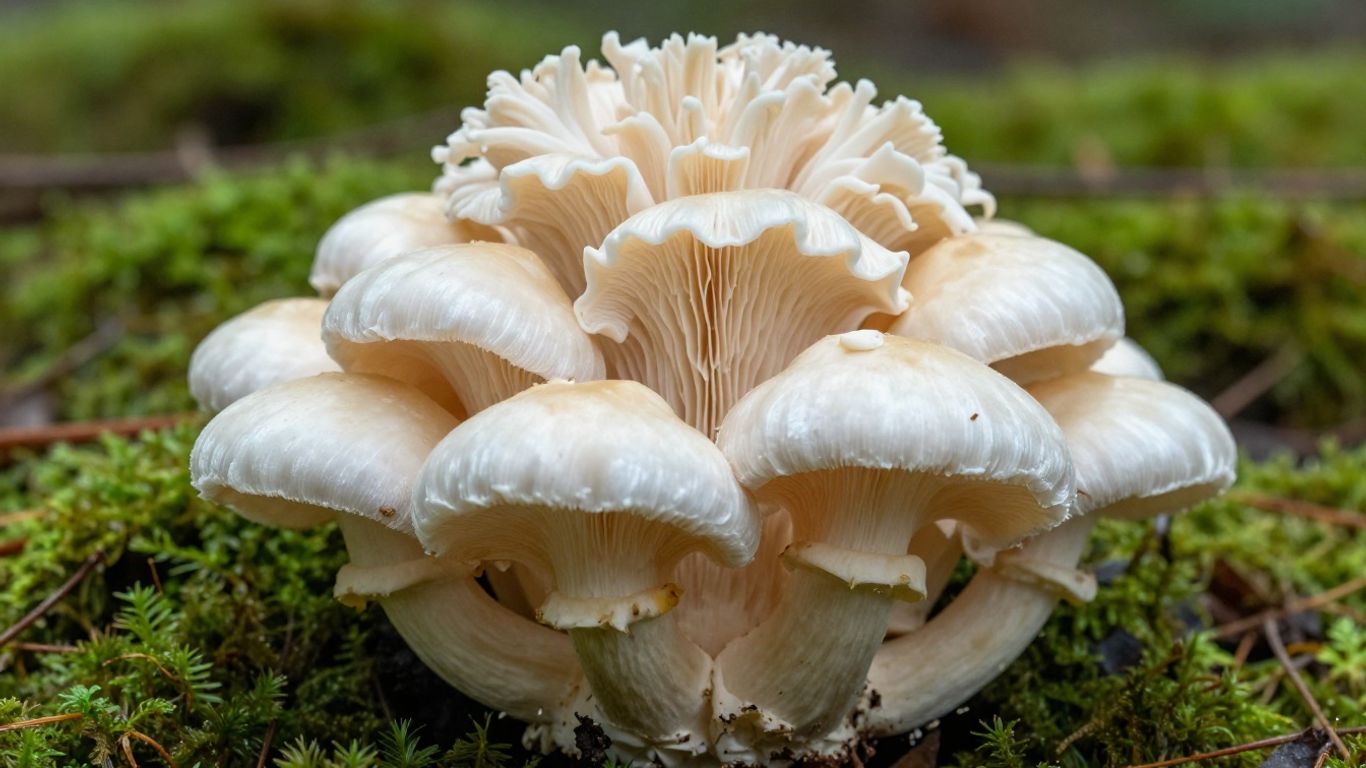
When it comes to keeping your mind sharp, Lion’s Mane is really something else. It’s not like those quick fixes that just give you a temporary jolt. Instead, this mushroom works on a deeper level, helping your brain build and maintain itself. This is thanks to special compounds called hericenones and erinacines, which are thought to encourage the production of Nerve Growth Factor (NGF). NGF is super important for keeping your nerve cells healthy and helping them grow, which is pretty much the foundation for good thinking.
Boosting Memory and Learning Capabilities
Many people who use Lion’s Mane regularly report feeling a noticeable difference in their mental clarity and their ability to remember things. It seems to help with short-term memory, which is handy when you’re trying to keep track of a lot of information. This boost in memory and learning is likely tied to how Lion’s Mane supports NGF production and also helps fight off oxidative stress in the brain. When your brain cells are better protected and communicating well, you can process information more efficiently. It’s like clearing out the cobwebs so your thoughts can flow more freely.
Supporting Mental Clarity and Focus
Beyond just memory, Lion’s Mane is also known for helping people stay focused. In our busy lives, distractions are everywhere, and being able to concentrate on a task without your mind wandering is a real skill. The way Lion’s Mane promotes the growth of new brain cells and strengthens connections between them can lead to better sustained attention. This means you might find it easier to stay on task for longer periods and filter out unnecessary noise. Some studies have looked at how Lion’s Mane affects cognitive function over time, with results showing improvements in areas like sensory-motor functions after several months of supplementation [8ae2].
Evidence from Human and Animal Studies
There’s a growing body of research backing up these claims. For instance, studies involving people with mild cognitive impairment have shown that taking Lion’s Mane for a few months led to significant improvements in cognitive scores compared to those who took a placebo. While these improvements tended to fade after stopping the supplement, it suggests that consistent use is key. Animal studies have also provided insights, showing that Lion’s Mane can help protect against memory deficits caused by certain conditions. These findings are encouraging, pointing towards Lion’s Mane as a natural way to support brain health and cognitive performance throughout life.
Lionsmane’s Role in Mental Well-being
Taking care of your mental health isn’t just about big life changes or meditation marathons. Sometimes, natural supports like Lionsmane mushroom can play a real part in how you feel from day to day. Research and anecdotal stories both keep pointing out that this mushroom isn’t just for memory – it also has unique effects on mood, stress, and general emotional balance.
Reducing Symptoms of Anxiety and Depression
If you’ve ever struggled with feeling anxious or down in the dumps, you’re definitely not alone. There are many reasons why these symptoms show up, from daily stress to body chemistry. Lionsmane appears to naturally support the easing of anxiety and low mood by influencing brain chemicals like serotonin and dopamine. It also combats chronic inflammation, which scientists believe plays a hand in mood disorders.
Here’s what makes Lionsmane stand out:
- Supports the production of mood-related neurotransmitters.
- May help quiet overactive stress pathways in the brain.
- Can improve overall sense of well-being without strong side effects.
Supporting Stress Resilience
Stress happens to everyone, whether it’s work, family, or that endless group chat. What makes a difference is how your mind and body adapt. Lionsmane may help build up your stress resilience, meaning you can handle life’s curveballs with a bit more ease.
Some possible benefits:
- Boosts nerve growth factors involved in brain adaptability.
- Supports balanced cortisol levels (your main stress hormone).
- Helps sustain energy and motivation during demanding periods.
On those rough weeks where everything feels like "too much," some folks notice that adding Lionsmane helps soften the emotional edges just enough to get through the day without feeling overwhelmed.
Impact on Overall Mood
Mood is a moving target, not set in stone. Lionsmane’s potential impact on mood comes down to a few key actions – supporting neurotransmitter activity, protecting nerve cells, and balancing inflammation in the body and brain. When these processes are lined up, it’s easier to feel grounded and positive.
A quick comparison:
| Benefit | Lionsmane’s Potential Role |
|---|---|
| Reduced Irritability | Supports calm neurotransmitter balance |
| Positive Outlook | May increase serotonin levels |
| Emotional Balance | Reduces inflammatory responses |
If you find yourself stuck in the same emotional patterns, working Lionsmane into your routine could be a gentle step toward brighter days. It’s not a miracle fix, but every bit of support counts, especially when it comes to feeling "more like yourself."
Bioactive Compounds Found in Lionsmane
So, what exactly makes Lion’s Mane so special? It all comes down to its unique chemical makeup. This mushroom is packed with some really interesting compounds that scientists are excited about, especially when it comes to brain health. The two main stars of the show are hericenones and erinacines.
Hericenones and Erinacines for NGF Stimulation
These two groups of compounds, hericenones and erinacines, are pretty unique to Lion’s Mane. They’re believed to be the primary drivers behind the mushroom’s ability to encourage the production of Nerve Growth Factor (NGF). NGF is super important for keeping our brain cells healthy and helping them grow and repair. Think of it like fertilizer for your brain cells. Studies have shown that these compounds can actually cross the blood-brain barrier, which is a big deal, and then get to work stimulating NGF synthesis. This is a pretty big deal for maintaining cognitive function as we get older.
Antioxidant Polysaccharides
Beyond the NGF boosters, Lion’s Mane also contains a good amount of polysaccharides. These are complex carbohydrates, and in Lion’s Mane, they’re known for their antioxidant and anti-inflammatory properties. Basically, they help protect your cells, including your brain cells, from damage caused by unstable molecules called free radicals. This protection is key to preventing age-related cognitive decline and keeping your brain running smoothly.
Other Beneficial Nutrients in Lionsmane
While hericenones, erinacines, and polysaccharides get a lot of the spotlight, Lion’s Mane isn’t a one-trick pony. It also contains a range of other beneficial nutrients. These can include:
- Various vitamins, like B vitamins, which are important for energy metabolism in the brain.
- Minerals such as potassium and zinc, which play roles in nerve function.
- Amino acids, the building blocks of proteins, some of which are vital for neurotransmitter production.
- A variety of terpenes, which are aromatic compounds that can also contribute antioxidant and anti-inflammatory effects, and are even used in aromatherapy for mood support.
It’s this combination of different compounds working together that likely gives Lion’s Mane its broad range of potential health benefits. It’s not just one magic bullet, but a whole team of helpful molecules.
Optimal Ways to Incorporate Lionsmane Into Your Routine
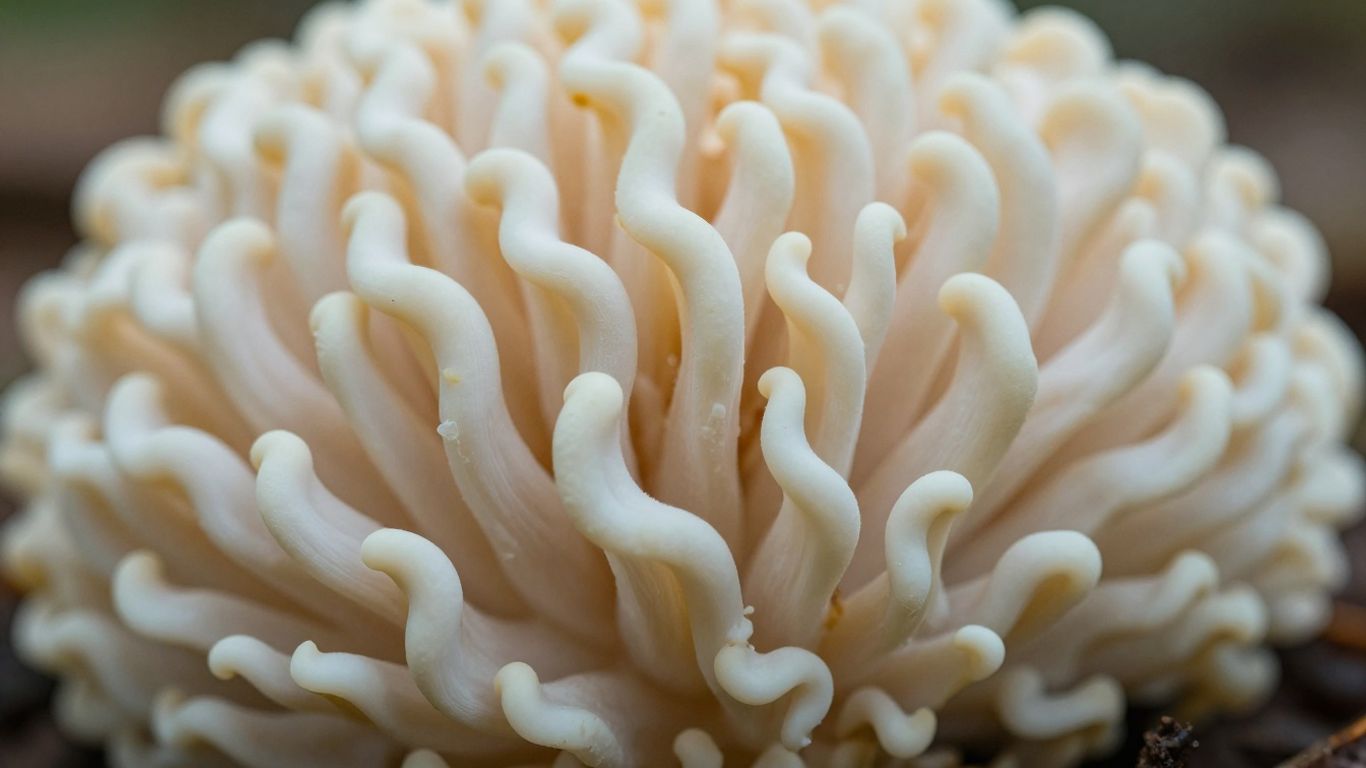
So, you’re ready to give Lion’s Mane a try, huh? That’s great! It’s not as complicated as it might seem to add this mushroom to your daily life. There are a few different ways to go about it, depending on what works best for you and your lifestyle.
Supplement Options and Dosage Recommendations
Most people start with supplements because they’re just plain easy. You can find Lion’s Mane in capsules, tablets, or even powders. Capsules and tablets are super convenient – just pop one or two with some water, and you’re done. Powders are pretty versatile; you can stir them into your morning coffee, smoothie, or even a bowl of oatmeal. It’s a good way to get it in without really noticing.
When it comes to dosage, it really varies. A common starting point is around 500 mg to 1,000 mg per day, but honestly, it’s best to follow the specific product’s instructions. Consistency is key here, so try to take it around the same time each day. Some folks like it in the morning to help with focus, while others prefer it at night if they find it helps them relax.
Always chat with your doctor before you start any new supplement, especially if you’ve got existing health issues or are on other meds. It’s just a smart move to make sure it’s a good fit for you.
Culinary Uses for Daily Wellness
If you’re more of a foodie, you can totally cook with Lion’s Mane! You can find it fresh or dried. It has a mild, slightly seafood-like flavor and a texture that can be really satisfying when cooked. Think of it like a meaty mushroom that can soak up flavors well.
Here are a few ideas:
- Sautéed: Slice it up and sauté it in a pan with some garlic, butter, and herbs. It makes a great side dish or can be added to pasta.
- Soups and Stews: Chop it and toss it into your favorite soups or stews. It adds a nice texture and earthy flavor.
- ‘Crab’ Cakes: Some people shred it and use it as a base for vegetarian ‘crab’ cakes. It’s surprisingly convincing!
- Stir-fries: It holds up well in a stir-fry, absorbing all those delicious sauces.
Cooking with it is a fun way to get the benefits, and it feels more like a meal than just taking a pill.
Choosing High-Quality Lions Mane Products
Okay, this part is pretty important. Not all Lion’s Mane products are made the same, and you want to make sure you’re getting the good stuff. Look for products that specify they use the fruiting body of the mushroom, and ideally, that it’s been dual-extracted. This process helps pull out more of the beneficial compounds.
Here’s a quick checklist:
- Source: Does it say where the mushrooms come from? Reputable brands are usually transparent about this.
- Extraction Method: Look for "dual-extracted" or "hot water and alcohol extracted" to get both the water-soluble and non-water-soluble compounds.
- Third-Party Testing: Good companies will have their products tested by independent labs to check for purity and potency. This means no weird contaminants like heavy metals or pesticides.
- Clear Labeling: The label should clearly state the amount of Lion’s Mane per serving and list the active compounds if possible.
Taking a little time to pick a good product means you’re more likely to actually experience the benefits everyone’s talking about.
The Gut-Brain Connection: Lionsmane and Digestive Health
Lion’s Mane mushroom isn’t just a brain booster—it’s getting a lot of attention for what it does in your gut too. Turns out, our brains and digestive systems are more connected than most folks guess, mainly through what’s called the gut-brain axis. This is a sort of highway for signals between your belly and your brain, and how well your gut works can actually change how you think and feel.
How Lionsmane Polysaccharides Support Gut Health
At the heart of Lion’s Mane’s influence on digestion are its polysaccharides. These natural compounds:
- Support the growth of healthy gut bacteria, which are important for keeping your digestion regular.
- Help the gut lining heal and stay strong, lowering the chance of "leaky gut" issues.
- Act as a food source (prebiotic) for good bacteria, helping them thrive.
A healthier gut often leads to better nutrient absorption and less bloating, making your whole system run smoother.
Implications for Cognitive Function
There’s a back-and-forth relationship here: When your gut is happy, your mind runs more smoothly.
Serotonin, a key brain chemical for balancing mood and focus, is mostly produced in the gut. When Lion’s Mane helps improve gut bacteria, it can have these effects:
- More steady moods thanks to balanced serotonin.
- Fewer "brain fog" days when your digestive system is working right.
- Less inflammation, which can otherwise mess with brain function.
Here’s a snap look at how gut health relates to your mind:
| Gut Health Status | Common Mental Effects |
|---|---|
| Balanced | Focused, positive mood |
| Out of balance | Anxiety, sluggish focus |
The Importance of Whole Mushroom Synergy
Don’t underestimate the power of using whole Lion’s Mane, whether you’re taking it as a supplement or cooking with it. When all the compounds—hericenones, erinacines, and polysaccharides—work together, you get better results than just using a single extract.
- Whole mushroom powders often contain a broader spectrum of fiber and nutrients.
- You get both direct gut support (from the polysaccharides) and indirect brain support (from nerve-growth compounds).
- Many find whole forms easier to digest, leading to steadier results.
Your gut isn’t just about digesting food—it’s part of the way you think, feel, and focus. Supporting it with Lion’s Mane is less about hopping on a wellness trend and more about getting your mind and body on the same page.
Scientific Research Behind Lionsmane Benefits
It’s pretty cool how much research is going into Lion’s Mane lately. For a long time, it was mostly traditional medicine, but now, science is catching up and showing us why it’s been used for so long. The studies are really starting to paint a clear picture of what this mushroom can do for our brains.
Key Studies on Cognitive Enhancement
When we talk about boosting brainpower, a lot of the excitement comes from how Lion’s Mane seems to help with memory and focus. Researchers have looked at this in a few ways. For instance, studies involving mice have shown that giving them Lion’s Mane extract can lead to better performance in maze tests, which are used to check memory. It’s not just animal studies, though. There have been human trials, too. One study gave people with mild cognitive impairment Lion’s Mane for a few months, and they saw noticeable improvements in their cognitive scores compared to those who didn’t take it. This suggests that consistent use might be key to seeing these benefits.
Research on Neuroregeneration
One of the most exciting areas of research is how Lion’s Mane might help our nerves grow and repair themselves. This is largely thanks to compounds called hericenones and erinacines, which seem to encourage the production of Nerve Growth Factor (NGF). NGF is super important for keeping our neurons healthy and helping them connect with each other. Think of it like fertilizer for your brain cells. Some lab studies have directly shown that Lion’s Mane extracts can ramp up NGF production. This is a big deal because it points to a way Lion’s Mane could help protect against age-related brain changes and maybe even support recovery after injury. The potential for neuroprotection is significant, with some research highlighting its ability to help with conditions like ischemic stroke by reducing inflammation and helping neurons survive [4140].
Ongoing Clinical Trials and Emerging Insights
The research isn’t slowing down. There are always new clinical trials popping up, looking at different aspects of Lion’s Mane. Scientists are investigating its effects on everything from mood disorders to more specific cognitive functions. They’re also trying to figure out the best ways to use it and what dosages are most effective. It’s a dynamic field, and we’re likely to see even more interesting findings emerge as these studies progress. The connection between gut health and brain function is also a hot topic, and Lion’s Mane’s polysaccharides are being studied for their role in supporting a healthy gut microbiome, which in turn could influence our mental state.
The scientific community is increasingly recognizing the potential of natural compounds like Lion’s Mane. As research continues, we gain a clearer picture of its mechanisms and applications for brain health and overall well-being.
Wrapping It Up
So, we’ve looked at Lion’s Mane and what it might do for your brain. It seems like this mushroom could really help with memory and focus, and maybe even protect your brain as you get older. It’s not magic, but the science is pretty interesting, especially how it might help your brain cells grow and stay healthy. If you’re thinking about giving it a try, remember to look for good quality stuff, maybe a dual-extracted powder from the actual mushroom. It’s a natural way to support your mind, and who wouldn’t want that?
Frequently Asked Questions
What is Lion’s Mane, and how does it help the brain?
Lion’s Mane is a mushroom known for its shaggy, white appearance. It contains natural compounds that support brain health by helping nerve cells grow and stay healthy. This can make your memory and focus better.
Can Lion’s Mane really improve memory and focus?
Yes, some studies show that taking Lion’s Mane can help people remember things more easily and stay focused. It works by supporting the growth of nerve cells in the brain, which helps your brain work better.
Is Lion’s Mane safe to take every day?
For most people, Lion’s Mane is safe when used as directed. However, it’s always a good idea to talk to your doctor before starting any new supplement, especially if you have allergies or take other medicine.
Does Lion’s Mane help with stress or feeling down?
Research suggests that Lion’s Mane can help reduce feelings of stress, anxiety, and sadness. It may help you feel calmer and improve your mood by supporting healthy brain function.
How should I take Lion’s Mane for the best results?
You can take Lion’s Mane as a capsule, powder, or even cook it in food. Most people find capsules or powders easy to use. Follow the dosage instructions on the package or ask your doctor for advice.
Are there any side effects from taking Lion’s Mane?
Most people do not have problems with Lion’s Mane. Rarely, some may have upset stomach or allergies. If you notice any problems, stop using it and talk to your doctor.
You may also find this Nutrition Geeks guide helpful: Best Gels That Don’t Cause GI Distress: 5 Gut-Friendly Picks.
You may also find this Nutrition Geeks guide helpful: Unpacking Herbalife Cell-U-Loss: What It Is and How It Works.
You may also find this Nutrition Geeks guide helpful: Revitol Rosacea Treatment: Understanding the Ingredients and Effectiveness.
You may also find this Nutrition Geeks guide helpful: Understanding Nasal Strips: How Do Nasal Strips Work to Improve Breathing?.
You may also find this Nutrition Geeks guide helpful: How Effective Are Herbalife Skin Products for Acne? A Comprehensive Review for 2026.