Disclosure: This post may contain affiliate links, meaning if you decide to make a purchase through my links I may earn a commission at no additional cost to you. See my disclosure for more info.
You push your body through long runs and intense speed workouts to shave seconds off your personal best. Fueling that effort is difficult, and finding the right supplement often feels like another race entirely. Creatine is a staple in many athlete cabinets because it boosts power and aids in recovery.
Supplement note: This guide is for educational purposes only and is not medical advice. Always speak with your doctor before using supplements, especially if you are pregnant, nursing, taking medication, or managing a medical condition.
For broader context on Micronized Creatine Vs Monohydrate and related topics, explore our supplement comparisons.
The supplement market creates unnecessary noise with various forms, particularly the debate over micronized creatine vs monohydrate. You might wonder if one version provides a performance edge for your specific training load. These two are essentially the same chemical compound, though they differ slightly in how they dissolve and sit in your stomach.
Explore more NutritionGeeks guides related to wellness, recovery, nutrition and active lifestyle support.
Understanding these small differences helps you choose the best product for your daily routine. By clearing up this confusion, you can stop worrying about labels and focus on your running performance goals.
Understanding the Foundation of Creatine Monohydrate
Creatine monohydrate is a simple compound consisting of a creatine molecule attached to a water molecule. Your body naturally produces small amounts of creatine in the liver and kidneys. You also consume it through foods like red meat and fish. As a supplement, it exists as a white, tasteless powder that you mix into water or shakes. When you take it, your muscles store it as phosphocreatine. This storage pool acts as a primary fuel source during the first few seconds of high-intensity activity. Whether you are sprinting toward the finish line or attacking a steep hill interval, your body relies on this reserve to replenish ATP, the cellular currency of energy.
More NutritionGeeks Wellness Guides
Explore more NutritionGeeks guides connected to wellness, recovery, hydration, energy, sleep and active lifestyle nutrition.
Why Athletes Choose the Gold Standard
Runners gravitate toward creatine monohydrate because it has the most robust scientific history of any performance supplement. Thousands of studies verify its safety and effectiveness for increasing power output and improving recovery. Because it remains the most researched form, manufacturers keep production costs low. This makes it an incredibly affordable option for any athlete training on a budget.
Consistent daily use keeps your muscle creatine stores saturated. You do not need to cycle it on and off. Instead, you maintain a steady baseline that supports your training demands. By helping your muscles recover faster between intense intervals, this supplement allows you to maintain higher quality workouts over time. When you train more effectively, your body adapts, and you see better gains in speed and endurance.
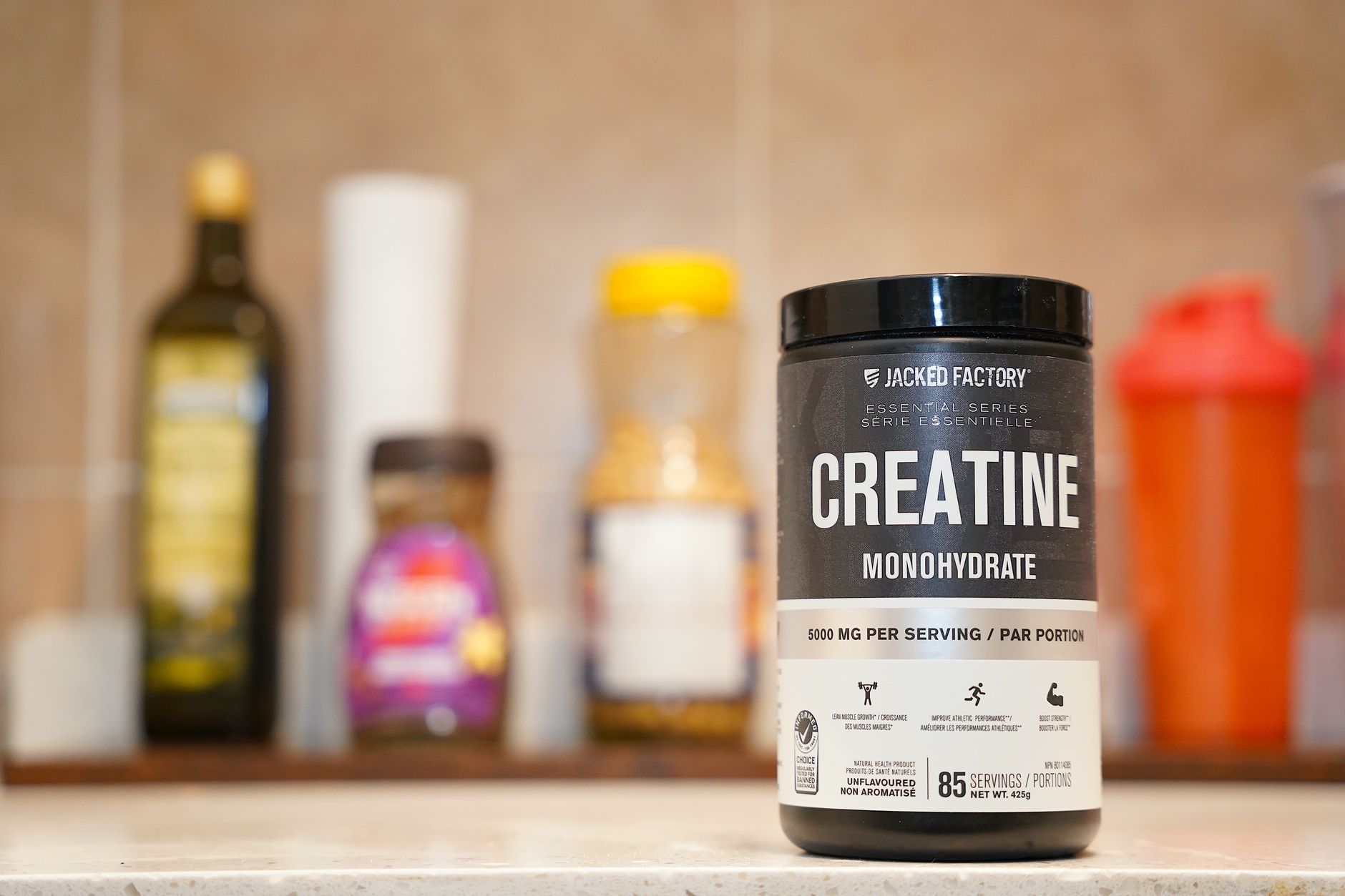
Photo by Gupta Sahil
Addressing Common Concerns About Digestion
While it is the gold standard, some runners find that standard monohydrate causes mild digestive discomfort. You might experience stomach bloating or cramping if you take large doses at once or fail to drink enough water. The powder also has a coarse texture that does not always dissolve completely in cold liquids. This leads to a gritty mouthfeel and leaves residue at the bottom of your glass.
These minor inconveniences sparked the development of different versions, including micronized creatine. Manufacturers process the powder to reduce the particle size. This makes the dust finer and much easier to stir into water. Many runners prefer this version because it dissolves without the sandy texture. Although the chemical structure remains identical to the original, the physical change often helps those with sensitive stomachs process the supplement more comfortably. Choosing between them often comes down to your personal budget and your specific sensitivity to the texture of the powder. For those wanting to refine their approach to supplementation, you can look into specific training plans to see how to integrate these habits into your weekly mileage.
What Makes Micronized Creatine Different
When you compare micronized creatine vs monohydrate, it is important to remember that they are the same base compound. Both consist of a single creatine molecule bound to water. The term micronized simply refers to a manufacturing process. During this step, producers break the standard powder down into much smaller particles. This physical change reduces the overall surface area of each granule. While the chemical makeup remains identical to standard monohydrate, the finer consistency offers some practical benefits for your daily routine.
Better Solubility for Easier Mixing
The primary advantage of choosing a micronized version is its ability to blend into liquids. Standard creatine monohydrate often struggles to dissolve in cold water or juice. You might notice the powder clump together or settle at the bottom of your shaker bottle. This creates a sandy, gritty texture that can make your post-run drink unpleasant to consume. Because the particles are significantly smaller in the micronized version, they disperse more evenly throughout the liquid. You end up with a smooth texture that stays suspended longer. This makes it much easier to drink your supplement without needing to constantly stir or shake your bottle.
Does Particle Size Change Effectiveness
Many runners worry that changing the physical structure of the supplement might affect its performance. It is natural to wonder if smaller particles bypass the digestive system too quickly or change how the body absorbs the fuel. However, once you swallow the supplement, your stomach treats both types exactly the same way. The digestive process breaks both forms down into their constituent parts before they enter the bloodstream.
Your muscle tissue does not distinguish between standard or micronized particles. Once the creatine reaches your cells, it performs its job of replenishing ATP regardless of its original state. You receive the same boost in power and recovery speed with either version.
While the micronized process improves the user experience during mixing, it does not provide an additional chemical advantage for your muscle fibers. You can maintain your running performance goals using either option depending on your preference for texture and ease of use. If you want to refine how you prepare for your next race, you may find it helpful to examine your overall weekly training load to see where supplements fit best.
Making the Right Choice for Your Training Routine
Deciding between micronized creatine and standard monohydrate often comes down to personal preference rather than a major performance gap. Both options help your muscles store the energy needed for those tough sprint repeats and hill climbs. Since you already know the chemical impact is the same, your choice should focus on how you want to handle your pre-workout or post-workout drink. The extra cost for micronized powder buys you convenience, but it does not change the physiological results you get from your hard work.
Considering Price and Availability
Standard creatine monohydrate usually carries the lowest price tag in the supplement aisle. Because it has been around for decades, companies produce it in massive quantities, which keeps costs down for you. You can find large, affordable tubs of standard powder at almost any grocery or sports shop. If you train on a strict budget, the classic version remains a smart, reliable pick that will not break the bank.
Micronized creatine typically costs a few dollars more per container. This price difference reflects the extra step in the manufacturing process. While the cost increase is usually minor, it adds up over time if you supplement daily for months on end. If your budget is tight, sticking with the standard version allows you to put your extra cash toward high-quality training plans or better nutrition.
The Real Value of Convenience
The biggest selling point for micronized creatine is how well it mixes into water. If you hate the feeling of sandy residue or if you find yourself constantly swirling your cup to keep the powder suspended, the finer grain size solves that problem. For many runners, a smoother texture makes the habit of daily supplementation much easier to keep. Consistency is the secret to success in any running performance strategy, so if a smoother drink helps you stay on track, the small extra cost is a good investment.
You might want to test both forms to see how your stomach handles them. While neither version should cause issues, some athletes find that the finer powder settles differently in the digestive tract. If you find that the standard, coarser powder bothers your stomach during your morning run, swapping to a micronized version is a simple change.
Ultimately, you do not need to spend extra money for a performance boost that does not exist. If you do not mind a bit of grit or you prefer to save money for other gear, buy the standard monohydrate. If you value a smooth, easy-to-mix drink that saves you a few seconds in the kitchen, the micronized version is worth the upgrade. Both will help you maintain the muscle fuel stores you need to stay strong throughout your training cycle.
How to Integrate Creatine Into Your Training Routine
Adding creatine to your daily habits is straightforward, but success depends on steady, intentional application. You don’t need to treat this as a complex chemistry experiment. Instead, focus on finding a consistent rhythm that matches your running performance schedule. By simplifying your approach, you turn a small habit into a reliable tool for endurance and muscle recovery.
Safe Dosing and Long-Term Use
Most runners find that a simple, maintenance-based approach works best. You do not need to perform an initial loading phase unless you have a specific, short-term competition goal. Taking three to five grams of creatine daily is sufficient to keep your muscle stores saturated. This dose is safe for long-term use and helps maintain energy levels throughout your weekly training cycles.
Hydration is the most vital factor when you begin supplementation. Creatine works by pulling water into your muscle cells, which improves cellular hydration and supports performance. You must increase your daily water intake to compensate for this shift. Aim to drink consistently throughout the day rather than chugging water only before your runs. If you notice mild bloating, it usually means you need to drink more water or spread your dose out over two smaller servings.
Consistency Is the Key to Gains
Many athletes mistakenly treat creatine as a pre-workout stimulant. They expect an immediate burst of energy similar to the effect of caffeine. However, the benefits of this supplement arise from building up your body’s total stores over several weeks. One missed dose won’t ruin your progress, but skipping days regularly prevents your muscles from reaching the saturation point needed for peak performance.
Think of your muscle creatine levels like a savings account. You make small, daily deposits, and the payoff comes when you need to draw on those reserves during a taxing interval session. Whether you choose micronized creatine or standard monohydrate, the physiological result is identical. Use a visual reminder, such as keeping your tub near your morning coffee or your post-run shaker bottle, to ensure you don’t forget your daily serving. When you stay consistent, you provide your body with the sustained support it needs to handle heavy training loads and bounce back faster after intense efforts.
Conclusion
Both micronized creatine and monohydrate provide the same performance benefits for your training. They are safe, effective, and reliable ways to saturate your muscle stores for better power and recovery. Your choice depends entirely on your budget and how much you value a smooth, easy-to-mix supplement.
If you prefer a drink that dissolves quickly without leaving grit in your glass, the micronized version is worth the small price increase. However, if you want to keep your costs low, standard monohydrate performs exactly the same job.
Ultimately, the best supplement is the one you take every single day. Consistent use is what helps you reach your running performance goals over time. Find a method that fits your routine and stick with it to see the best results during your weekly training cycles.