Disclosure: This post may contain affiliate links, meaning if you decide to make a purchase through my links I may earn a commission at no additional cost to you. See my disclosure for more info.
Keeping your mind sharp and vibrant as you get older is something many of us think about. It’s not just about being smart; it’s about maintaining that mental agility and emotional balance to really enjoy life. The good news is, a lot of this is within our control. Small, consistent choices we make every day can add up to a big difference in how our brain ages. Let’s look at some practical ways to boost your mind vitality.
Key Takeaways
- Eating a diet rich in vegetables, fruits, fish, and healthy fats, like the Mediterranean diet, supports brain function.
- Regular physical activity and engaging your mind with new challenges are vital for keeping your brain healthy.
- Getting enough quality sleep and finding ways to manage stress are important for brain repair and function.
- Staying connected with friends and family helps keep your mind active and provides support.
- Monitoring health markers like blood pressure, cholesterol, and blood sugar is important for brain health.
Nourishing Your Brain Through Diet
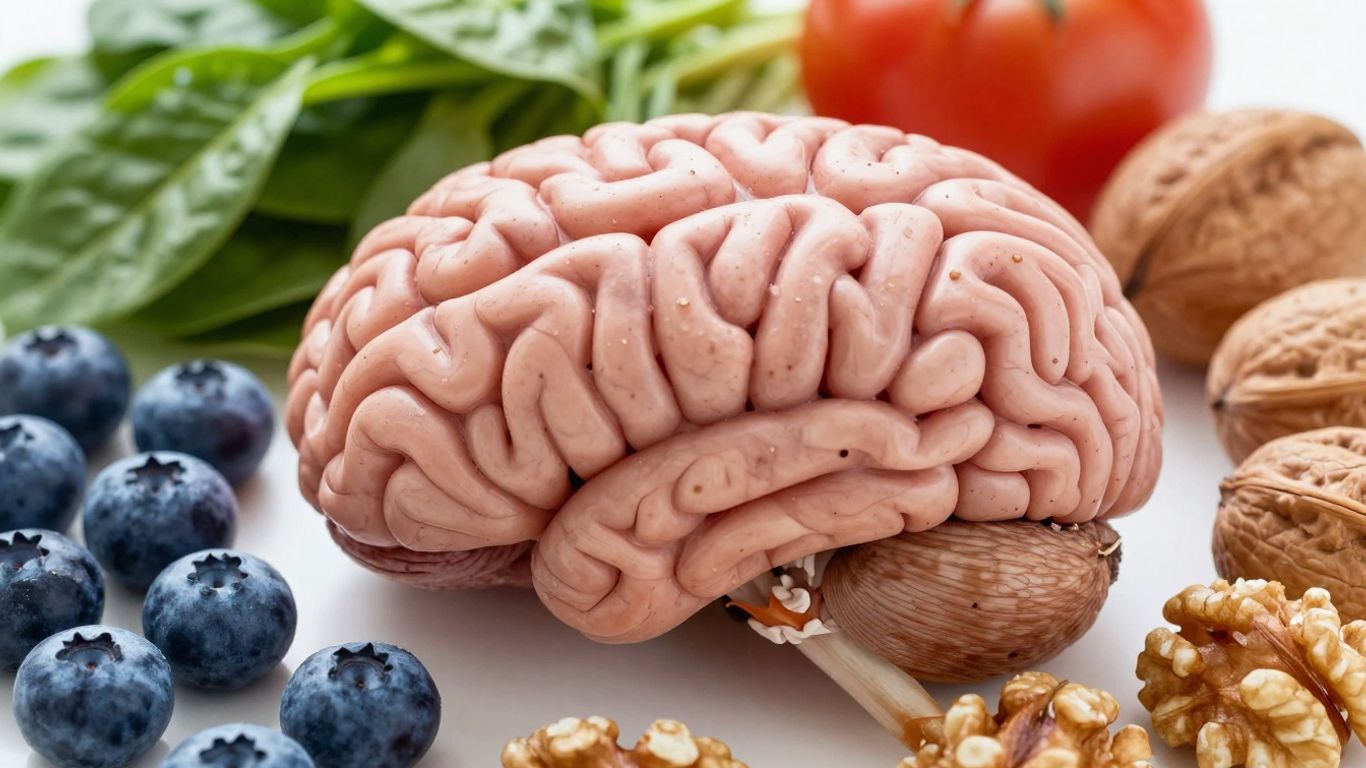
What you eat really does matter when it comes to keeping your brain sharp. Think of your brain like a high-performance engine; it needs the right fuel to run smoothly. For a long time, people have talked about how diet impacts our bodies, but the connection to our brains is just as strong, if not stronger. It’s not about drastic changes overnight, but more about making smart choices consistently.
Explore more NutritionGeeks guides related to wellness, recovery, nutrition and active lifestyle support.
Embrace the Mediterranean Way of Eating
This eating pattern is often recommended because it’s packed with good stuff for your brain. It focuses a lot on plant-based foods like colorful vegetables, fruits, nuts, seeds, and whole grains. Olive oil is a big part of it, too, providing healthy fats. Fish, especially fatty fish, is encouraged, and red meat is kept to a minimum. It’s a way of eating that’s been linked to better heart health and less inflammation, both of which are good for your brain. You can explore brain-healthy diets like the Mediterranean diet for more ideas.
Prioritize Omega-3 Rich Foods
Omega-3 fatty acids are like the building blocks for brain cells. You can’t make them yourself, so you have to get them from food. Fatty fish like salmon, mackerel, and sardines are top-notch sources. If fish isn’t your thing, don’t worry. You can also find omega-3s in flaxseeds, chia seeds, and walnuts. Making sure you get enough of these fats can help with memory and overall brain function.
More NutritionGeeks Wellness Guides
Explore more NutritionGeeks guides connected to wellness, recovery, hydration, energy, sleep and active lifestyle nutrition.
Limit Processed Foods and Added Sugars
On the flip side, there are foods that can actually work against your brain health. Highly processed foods, the kind that come in brightly colored packages with long ingredient lists, are often loaded with unhealthy fats, added sugars, and salt. These can lead to inflammation and blood sugar spikes, which aren’t good for your brain over time. Cutting back on sugary drinks and snacks is a simple step that can make a big difference. It’s about choosing whole, unprocessed foods more often than not.
Small, consistent dietary choices add up. Focusing on nutrient-dense foods provides your brain with the support it needs to function well now and as you get older.
The Power of Physical and Mental Activity
Keeping your brain active and your body moving is a big deal for staying sharp as you get older. It’s not just about feeling good today; it’s about setting yourself up for a healthier tomorrow. Think of it like maintaining a car – regular tune-ups keep everything running smoothly.
Engage in Regular Physical Exercise
Moving your body regularly does wonders for your brain. When you get your heart pumping, you’re sending more oxygen and nutrients to your brain cells. This helps them work better and can even encourage the growth of new brain cells. Activities like brisk walking, swimming, or even dancing get the blood flowing, which is great for your overall cognitive function. Plus, exercise releases chemicals in your brain that can lift your mood and help you feel less stressed. It’s a win-win situation for both your body and your mind.
Challenge Your Mind with Brain Games
Just like your muscles need a workout, your brain does too. Engaging in activities that make you think can help build new connections in your brain and keep it flexible. This is often called neuroplasticity. Think about learning a new language, playing a musical instrument, or even tackling challenging puzzles like crosswords or Sudoku. These activities push your brain to work in new ways, which can help keep your cognitive skills sharp and potentially slow down age-related mental decline. It’s about giving your brain a good workout.
Incorporate Daily Movement for Longevity
It’s easy to think that only intense workouts count, but every bit of movement adds up. Aiming for a certain number of steps each day or just making a point to get up and move around regularly can make a significant difference. This doesn’t have to be complicated; it could be a short walk after lunch, taking the stairs instead of the elevator, or doing some light stretching in the morning. These small habits, done consistently, contribute to better physical health, which in turn supports a healthier brain and can add years to your life.
The key is consistency. Small, regular bursts of activity and mental engagement are far more effective over time than occasional, intense efforts. Think of it as a steady stream rather than a sudden flood.
Prioritizing Rest and Stress Management

Feeling frazzled? It’s easy to let sleep slide and stress pile up when life gets busy. But honestly, your brain needs downtime just as much as it needs good food and exercise. Think of it like this: your brain is constantly working, processing information, and keeping everything running. Without proper rest and a way to handle stress, it can start to get a bit… glitchy.
Ensure Quality Sleep for Cognitive Repair
Sleep isn’t just about closing your eyes; it’s when your brain does some of its most important work. While you’re snoozing, your brain is busy clearing out waste products that build up during the day. It’s also busy sorting and storing memories, kind of like tidying up your mental filing cabinet. Not getting enough quality sleep can really mess with your focus, memory, and even your mood. Making sleep a priority is one of the best things you can do for your brain’s long-term health.
Here’s a quick rundown on getting better sleep:
- Stick to a schedule: Try to go to bed and wake up around the same time, even on weekends. It helps regulate your body’s internal clock.
- Create a calm space: Make your bedroom dark, quiet, and cool. Think of it as a sleep sanctuary.
- Wind down: Give yourself an hour before bed to relax. Put away the screens – that blue light can really mess with your sleep hormones. Maybe read a book or take a warm bath instead.
When you consistently skimp on sleep, you’re not just tired the next day. You’re actively hindering your brain’s ability to function optimally and repair itself. It’s a cumulative effect that can really impact your cognitive sharpness over time.
Master Stress Reduction Techniques
Life throws curveballs, and dealing with stress is a big part of staying sharp. When you’re stressed out, your body releases hormones like cortisol. A little bit of cortisol is fine, but when it’s constantly high, it can actually start to damage brain cells, especially in areas related to memory and learning. Finding ways to manage that stress is key.
Some simple techniques that can make a difference:
- Mindfulness and Meditation: Even just a few minutes a day can help calm your nervous system. Focus on your breath, notice your surroundings, or use a guided meditation app.
- Deep Breathing: This sounds basic, but it works. When you feel overwhelmed, take slow, deep breaths. Inhale through your nose, hold for a moment, and exhale slowly through your mouth. It signals to your body that it’s okay to relax.
- Physical Activity: Moving your body is a fantastic stress reliever. It doesn’t have to be an intense workout; a brisk walk can do wonders.
The Importance of Daily Breathwork
Breathwork is more than just breathing; it’s a deliberate way to influence your mental and physical state. Focusing on your breath can help you shift from a stressed, ‘fight-or-flight’ mode to a more relaxed, ‘rest-and-digest’ state. This simple practice can lower your heart rate, reduce blood pressure, and clear your head.
Try incorporating a few minutes of focused breathing into your day. You could do it first thing in the morning to set a calm tone, or during a stressful moment to recenter yourself. It’s a readily available tool that requires no special equipment, just your attention and a willingness to breathe.
Cultivating Social Connections for Vitality
It turns out that hanging out with people isn’t just for fun; it’s actually good for your brain. Think about it – when you’re chatting with friends or family, your brain is working. You’re processing information, remembering things, and even picking up on social cues. Regular interaction with others is one of the best ways to keep your mind sharp as you get older. It helps ward off feelings of loneliness and can even lower stress levels. It’s like a workout for your mind, but way more enjoyable than the gym.
The Benefits of Social Engagement
Being social does more than just make you feel good in the moment. It actually has a real impact on your cognitive health. When you engage with others, you’re stimulating different parts of your brain. This can help build new connections and keep existing ones strong. It’s also been linked to a lower risk of depression, which, as we know, isn’t great for brain function either. Plus, having people to talk to and share experiences with gives life a sense of purpose, which is super important for overall well-being.
Building a Strong Support Network
Think of your social circle as your personal brain-boosting team. This doesn’t mean you need a massive group of acquaintances. Sometimes, a few close friends or family members you can really count on are more valuable. These are the people you can call when you need to vent, celebrate a win, or just have a good laugh. Having this kind of network means you’re not facing life’s challenges alone. It provides a safety net, both emotionally and mentally.
- Quality Conversations: Aim for meaningful chats, not just small talk.
- Shared Activities: Doing things together, whether it’s a hobby or a simple walk, strengthens bonds.
- Mutual Support: Be there for others, and let them be there for you.
Maintaining Meaningful Relationships
Keeping those connections strong takes a little effort, but it’s worth it. It’s about making time for the people who matter. This could mean scheduling regular phone calls, planning get-togethers, or even just sending a quick text to say hello. Don’t let busy schedules be an excuse to drift apart. Sometimes, you might need to be the one to reach out and make plans. It’s about nurturing those relationships so they continue to be a source of joy and support throughout your life.
Staying connected doesn’t always mean big events. Sometimes, the most impactful interactions are the small, everyday moments. A friendly chat with a neighbor, a regular coffee date with a friend, or even a supportive phone call can make a significant difference in how you feel and how your brain functions.
Here’s a simple way to think about it:
| Activity Type | Cognitive Benefit |
|---|---|
| Deep Conversation | Memory recall, problem-solving, emotional processing |
| Group Activities | Social skills, attention, multitasking |
| Helping Others | Sense of purpose, empathy, planning |
| Learning Together | New information processing, memory formation |
Understanding Key Health Indicators
Staying sharp as you get older isn’t all about crosswords and memory games. Your physical health markers are actually huge when it comes to how your brain holds up. Let’s break down some of the main numbers and signals to keep tabs on if you want your mind to stay quick and clear.
The Link Between Heart Health and Brain Function
Most folks don’t connect heart and brain health, but here’s the deal: your brain needs a steady flow of oxygen-rich blood. It’s picky. If your heart or arteries are struggling—think high blood pressure, cholesterol issues, or anything that messes with blood flow—your thinking skills get dinged, too. Keeping your heart strong protects your mind.
Key things your heart does for your brain:
- Pumps blood and oxygen to fuel brain cells
- Supports memory, focus, and learning
- Protects against brain fog and cognitive decline
Here’s a simple look at why monitoring these heart-related numbers matters:
| Indicator | What’s Good? | Why Bother? |
|---|---|---|
| Blood Pressure | ~120/80 mm Hg | High BP damages vessels |
| Resting Heart Rate | 60-70 bpm (adult) | Reflects heart efficiency |
| Total Cholesterol | <200 mg/dL | Lower helps blood flow |
Managing Blood Pressure and Cholesterol
Ask nearly any doctor, and this is the first thing they’ll check. High blood pressure and cholesterol—especially if they’re left untouched for ages—are sneaky. You might feel just fine until, one day, you notice your memory trips you up.
A few easy wins for better numbers:
- Move your body (even a daily walk helps)
- Choose mostly unprocessed foods
- Keep stress in check—yell into a pillow if you have to
Taking action now helps prevent small problems from snowballing into setbacks down the line. Don’t wait for a scary diagnosis to care about these stats.
The Role of Blood Sugar in Cognitive Health
You hear about blood sugar all the time in diabetes ads, but what about your brain? When your blood sugar swings up and down (from lots of refined sugar or missed meals), your brain gets a hit of fog. Long-term, poorly controlled blood sugar increases your chances for dementia.
Watch for these blood sugar warning signs:
- You crash after lunch and can’t focus
- Hunger makes you cranky or confused
- Your yearly bloodwork shows higher glucose or A1c
Steady, slow-burning foods (think high-fiber veggies, beans, or whole grains) help keep your thinking steady, too. Sometimes, a small snack before you feel wiped out can be enough.
It doesn’t take fancy tracking gadgets to care for these health markers. A blood pressure cuff and basic bloodwork each year go a long way. Paying attention to these numbers isn’t just about living longer—it’s about feeling clear and capable as the years add up.
Conclusion
Keeping your mind sharp isn’t about doing one big thing—it’s about the small choices you make every day. Whether it’s getting enough sleep, eating more veggies, moving your body, or just calling a friend for a chat, it all adds up. The science is clear: you have more control over your brain health than you might think. Even if memory problems run in your family, your daily habits can make a real difference. So, don’t stress about being perfect. Just try to make a few better choices each week. Over time, those little steps can help you stay clear-headed, independent, and enjoying life for years to come. Your future self will thank you for it.
Frequently Asked Questions
What is cognitive vitality and why is it important?
Cognitive vitality is basically how sharp and balanced your mind stays as you get older. It’s not just about being smart, but about being able to think clearly, handle stress well, learn new things, and keep your independence. Keeping your brain healthy helps you enjoy life more, even as you age.
How does diet affect brain health?
What you eat has a big impact on your brain! Foods like fruits, veggies, fish, and healthy fats (think olive oil and nuts) are great for your brain. They help it work better and can protect it from damage. It’s also smart to cut back on sugary drinks and processed junk food, as these can be harmful.
Is exercise good for my brain?
Absolutely! Moving your body regularly, like walking or swimming, sends more blood to your brain, which helps it function better. Exercise also makes you feel happier and can improve your sleep, both of which are super important for keeping your mind sharp.
How much sleep do I really need for my brain?
Getting enough quality sleep is like a tune-up for your brain. While you sleep, your brain cleans itself out and makes sure memories are stored properly. Aim for about 7 to 9 hours of good sleep each night. This helps you think clearly and focus better the next day.
Can social connections really help my brain?
Yes, staying connected with people is fantastic for your brain! Talking with friends and family, joining groups, or volunteering gives your brain a workout. It helps you remember things, solve problems, and can even make you feel happier and less alone.
What are some simple ways to keep my mind active every day?
You can keep your brain active by doing things you enjoy! Try puzzles like Sudoku or crosswords, read a book, learn a new skill or hobby, or even play strategy games like chess. The key is to challenge your brain regularly in fun ways.
You may also find this Nutrition Geeks guide helpful: Muscle Gain Diet and Workout Plan Bundle for 4 Weeks.
You may also find this Nutrition Geeks guide helpful: Unpacking Herbalife Protein Bars: Nutritional Information You Need to Know.
You may also find this Nutrition Geeks guide helpful: Your Comprehensive Herbalife UK Price List: Discover Nutritional Value & Savings.
You may also find this Nutrition Geeks guide helpful: Herbalife: Navigating Nutrition and Wellness with the Global Leader.
You may also find this Nutrition Geeks guide helpful: Access Your Herbalife Account: myHerbalife Bolivia Login Guide.
You may also find this Nutrition Geeks guide helpful: Unlock the Power of Custard Apple: Surprising Health Benefits You Need to Know.
You may also find this Nutrition Geeks guide helpful: Understanding Normal Blood Sugar 30 Minutes After Eating: What You Need to Know.