Healthy Lunch Ideas for Kids
Back to NutritionGeeks Recipes
A chaotic school morning can feel like a tiny storm in a hallway. A kid grumbles about a boring lunch while the clock ticks louder than the microwave timer. Then the day starts with a sigh, and you’re left scrambling for ideas that actually fuel energy, focus, and growth.
This post is your quick playbook for Healthy lunch ideas for kids that work in real life. You’ll see why protein at lunch matters for steady energy, how to hit the right balance of nutrients, and easy ways to prep ahead so mornings stay calm. We’ll touch on kid friendly flavors, practical hacks, and simple swaps that make lunch time stress-free.
If your child tends to push back at lunch, you’re not alone. Picky eater tips show up early here, with ideas to hide protein in familiar foods and still keep flavor bright. You’ll also get a glimpse of 2026 trends like high protein brunch style options, fun bento boxes, and swicy flavors that even the pickiest eaters can enjoy. These ideas aren’t just tasty; they’re built to power a school day with energy and concentration.
What you’ll learn includes the benefits of balanced meals, the key nutrients kids need at lunch, and a handful of recipes you can whip up in minutes. You’ll also find prep hacks that save time, reduce waste, and keep lunches exciting from Monday to Friday.
Ready for lunch ideas kids will actually devour? Expect straightforward, kid friendly recipes that take 10 to 15 minutes to assemble, plus tips to tailor them to your child’s tastes.
How Healthy Lunches Supercharge Your Child’s School Day
Children eat with their energy and mood, and a well-balanced lunch can power a focused afternoon. When lunches combine protein, whole grains, and plenty of fruits and vegetables, kids push through math, reading, and recess with steadier energy. This section explains why these meals matter, how to picture them, and how 2026 trends can fit busy family routines.
Sustained energy and focus through balanced meals
A lunch packed with protein, fiber and healthy fats helps kids avoid the mid-day slump. When meals balance throughout the day, kids stay alert for lessons and activities after lunch. Protein supports growth and keeps hunger at bay, while greens and colorful produce supply vitamins that sustain immune function and mood. Whole grains deliver steady energy without a quick sugar spike.
The 1/4, 1/4, 1/2 plate model made simple
Think of meals as a small, easy blueprint:
- 1/4 protein gives muscles and fullness.
- 1/4 whole grains fuels long-lasting energy.
- 1/2 fruits and vegetables fill half the plate with color, fiber, and vitamins.
This simple model makes it easy to assemble lunches in minutes and adapt to your child’s tastes. A typical plate might be grilled chicken, brown rice, apple slices, and carrot sticks with a yogurt dip.
Immunity and long-term healthy weight habits
Regular meals that emphasize produce and lean proteins support immunity and healthy weight. Fiber from vegetables and fruit helps digestion and fullness, reducing the urge to snack on less nutritious options. Building these habits early creates a balanced relationship with food that lasts beyond childhood.
2026 trends that fit a picky eater
High-protein lunches remain popular because they keep kids satisfied and focused until after school. Brunch-style, portable options and build-your-own lunch kits make school meals feel fun. Even picky eaters can enjoy familiar flavors when vegetables are hidden in sauces or wraps. The key is choice, not force.
Quick parent anecdote
One parent reported a noticeable lift in mood and homework as their child started eating a balanced lunch consistently. The daily routine became calmer, and after-school energy stayed steadier, making homework time smoother and less stressful.
Nutrients That Pack the Biggest Punch in Kids’ Lunches
Healthy lunch ideas for kids rely on a few core nutrients that support energy, mood, and growth throughout the school day. This section breaks down the must-have elements and practical ways to include them without overwhelming busy mornings. Think of these nutrients as the little helpers that keep brains buzzing, bodies ready for recess, and focus steady during lessons.
Protein for growth and brain power
Protein is the anchor of a lunch that keeps kids full and ready to learn. Aim for around 20-30 grams per meal, which translates to a palm-sized portion for most children. Good options include eggs, turkey, hummus, cheese, yogurt, beans, and fish. Protein helps develop muscles, supports brain function, and stabilizes energy so afternoon activities feel manageable rather than exhausting. For nut-free classrooms, consider yogurt, cheese sticks, hard boiled eggs, or hummus served with veggie sticks.
Complex carbohydrates for steady energy
Complex carbs release fuel more slowly, preventing mid-day energy crashes. Choose whole grains and starches like whole grain pita, brown rice, oats, or whole wheat crackers. These foods provide lasting energy that supports attention in class and stamina during after-school play. Pair them with protein and produce to round out the meal.
Fiber-rich fruits and vegetables for focus and digestion
Fiber supports a healthy gut, which in turn helps mood and concentration. Include a mix of colorful vegetables and fruits: carrots, bell peppers, berries, apples, or grapes. The fiber helps with fullness, so kids don’t reach for less nutritious snacks before dismissal. Fiber-rich produce also brings important vitamins that bolster immunity.
Healthy fats for brain development (nut-free options)
Healthy fats are essential for brain growth and long-term immunity. Nut-free choices include seeds such as sunflower or pumpkin, avocado, and olive oil dressings. A small portion of cheese or yogurt also contributes fats alongside calcium and protein. Keep fats in balance with other nutrients to avoid heaviness after lunch.
Hydration to maximize learning
Water should be the baseline, with milk as a complementary option if your child tolerates it well. Hydration impacts energy and cognitive performance, so a refillable water bottle at school is a simple, effective habit. If you offer a flavored option, choose low-sugar varieties to minimize sugar crashes.
These pillars map onto 2026 trends focused on real foods, portable flavors, and flexible choices. By layering protein, complex carbs, fiber, and healthy fats with hydration, you create lunches that fuel a full school day without turning mornings into a scramble.
Fun and Fast Healthy Lunch Recipes Kids Will Beg For
Kids love meals that feel like a treat and parents love meals that fuel a busy school day. In this section, you’ll find 5 high-protein, portable lunch ideas designed for 2026 trends. Each recipe is quick to prep, easy to customize, and built to travel well in a lunchbox or thermos. The focus is on bite-sized fun, rich flavors, and practical nutrition that keeps energy steady from first bell to after-school activities. Short prep windows, simple ingredients, and kid-friendly twists mean these ideas won’t just fill bellies, they’ll become favorites.
Bite-Sized Egg Bites Loaded with Hidden Veggies
These muffin-tin eggs bake in minutes and pack a protein punch to power focus through the afternoon. To make a batch for one lunch, whisk 2 eggs plus 2 tbsp milk, fold in a handful of chopped spinach, a sprinkle of cheddar, and optional ham bits. Pour into a greased mini muffin tin and bake at 350°F for 12–15 minutes. Serve with kiwi slices, roasted sweet potato fries, and pita with hummus for dipping.
Nutrition highlights: about 15–20 grams of protein per serving, plus fiber from veggies and complex carbs from the potato. Picky eater hack: blend a half cup of spinach with a splash of water, then whisk it into the egg mixture so greens disappear into a cheesy, fluffy bite. The practical appeal lies in how easily a kid can pop these bites into their mouth, making lunch feel like a party rather than a chore.
Rainbow Turkey Roll-Ups That Feel Like a Snack
A playful, portable take on a traditional wrap. Spread a smear of hummus or cream cheese on a whole wheat tortilla, layer sliced turkey, a light cheese slice, and thin strips of shredded carrot and bell pepper. Roll tightly and cut into 1-inch pinwheels for easy gripping. Side with a handful of grapes and a few whole grain crackers. Prep tips: roll and chill the tortillas ahead, then slice right before lunch. Protein punch comes from turkey and cheese, while colorful produce boosts vitamins and appetite appeal. This is perfect for kids who like to build and snack.
Customizable DIY Lunchables for Picky Builders
A build-your-own lunchable station makes meals predictable yet exciting. Layout 1–2 slices each of cheese and turkey pepperoni, carrot chips, bell pepper strips, raspberries, and a small handful of crackers. Kids assemble their own plates in the kitchen or at the table, which boosts engagement and reduces waste. This approach is nut-free and designed for mess-minimizing packing strategies. Why kids love it: it mirrors a favorite snack tray while adding protein and veggies. The DIY format means you can swap in cucumber sticks or cherry tomatoes if a kid isn’t fond of peppers
Waffle Sticks with a Brunch Twist Kids Crave
Turn breakfast into lunch with waffle sticks that pair with a couple of savory sides. Cut whole grain waffles into sticks and serve with a maple dip, plus breakfast sausages, sliced strawberries, and snap peas with a ranch dip. This Brunch-for-lunch vibe makes lunch feel like a treat while still delivering protein and produce. Kids can dip and arrange the sticks themselves, creating a playful, interactive meal. Nutrition highlights: balanced carbs from waffles, real protein from sausage, and vitamin C from strawberries.
Swicy Chicken Bowls for Flavor Adventure
Shredded chicken in a mild sweet-spicy sauce sits atop whole grain rice with broccoli tots and peach slices for a refreshing finish. This Gen Alpha favorite leans into the swicy trend while staying kid-friendly with a mild heat level. Pack in a leakproof thermos for hot or warm options. The flavor punch comes from a contender balance of protein, fiber, and fruit. It travels well, and the bowl format makes it easy for kids to guide bites with a spoon or fork.
Hummus Pita Bento for Colorful Convenience
A compact bento idea that feels like a treasure chest for kids. Stuff a pita with hummus, top with sliced turkey, cucumber rounds, cherry tomatoes, and a handful of blueberries or raspberries. Add a few strawberry halves and a small yogurt cup to round out the meal. This option checks the boxes for protein, produce, and portability, and the pita keeps everything stable inside a leakproof container. Why kids love it: bite-sized pita triangles and fresh, bright flavors that are easy to pick up.
These five recipes fuse protein with color, texture, and hands-on appeal. They fit into a busy school routine while helping kids stay energized, focused, and willing to try new flavors. Each idea centers on portable, mess-friendly formats that parents can prep once a week and rotate through the week. If you want more inspiration, I can tailor these meals to your child’s favorites or dietary needs.
Winning Over Picky Eaters and Streamlining Prep Time
Picky eaters can turn lunch prep into a puzzle, but small tweaks make meals feel familiar and fun. The goal is to introduce variety without triggering resistance. With a few reliable tricks, you can keep flavor bright, textures engaging, and portions kid-approved while cutting meal-time stress. Below are practical approaches that work in real life, followed by quick prep strategies that fit into busy mornings.
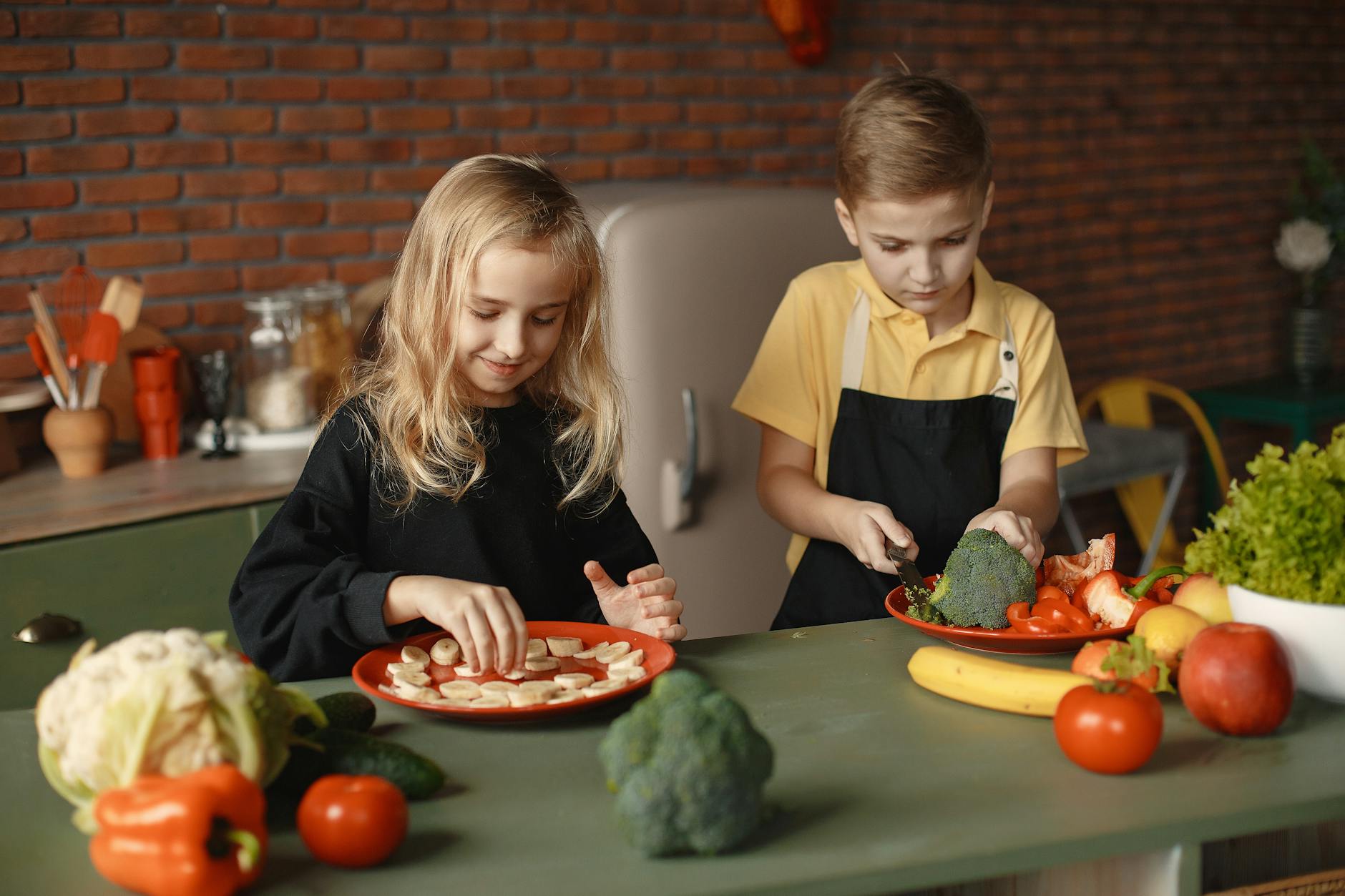 Photo by Gustavo Fring
Practical strategies that win over picky eaters
Picky eaters often gravitate toward familiar flavors. Meet them where they are and add gentle, tasty twists. Start with a base they already enjoy and layer in small, nonthreatening changes. For example, keep a familiar sandwich but hide finely grated vegetables in the spread or wrap. Offer dips your child already loves, like yogurt ranch or a mild tomato sauce, and pair them with colorful produce to invite bites without pressure.
Texture matters too. If a child dislikes mushy foods, choose crunchy or crisp elements like carrot batons, cucumber rounds, or baked veggie chips alongside softer options. Presentation helps as well. Slice foods into fun shapes, assemble mini skewers, or create color-themed bento segments. Allowing kids to help with assembly can turn food into an activity they own, increasing willingness to try new items.
Consistency builds confidence. Keep a rotating lineup of 4 to 6 reliable favorites and introduce one new item each week. Pair the new item with something they already love to create a positive first impression. When you keep expectations reasonable, progress adds up fast.
Smart prep hacks that save time
Batch cooking at the weekend pays off in chaos-free weekdays. Whip up a tray of roasted vegetables, bake a batch of protein bites, or cook a large pot of beans you can portion into lunches all week. Use that base to mix and match flavors daily.
Keep nuts out and seeds ready as a safe protein addition in nut-free environments. Hummus, cheese, yogurt, hard-boiled eggs, and edamame are versatile options that travel well. Pre-cut veggies and fruit save precious minutes in the morning and reduce the chances of forgotten produce.
Create a simple meal calendar. Map a week of lunch ideas that share ingredients to minimize waste and prep time. For example, rotate chicken, cheese, and turkey with different dips and sides. This approach keeps lunches exciting while avoiding repeat meals.
Nut-free and plant-based options that satisfy
Nut-free kitchens benefit from seeds, legumes, and plant-based proteins that still feel hearty. Build meals around beans, lentils, hummus, tofu, or cheese to ensure protein is present without nuts. Use colorful produce to create crave-worthy plates that are friendly to busy mornings.
- Protein-forward options: egg muffins, lentil salad cups, cheese and veggie pinwheels.
- Plant-forward twists: chickpea pasta salads, veggie-packed quesadillas, hummus and veggie pita pockets.
- Flavor boosters: mild chili-lime fruit, a squeeze of lemon on greens, or a touch of garlic yogurt dip to elevate familiar flavors.
Conclusion
Healthy lunch ideas for kids are a practical path to steadier energy, better mood, and steady focus through the school day. By combining protein, complex carbs, fiber rich produce, and healthy fats, you create meals that satisfy and sustain without turning mornings into a scramble.
Key takeaways to carry forward: prioritize protein at lunch, keep portions kid friendly, and use bright fruits and vegetables to drive interest. The 1/4 protein, 1/4 whole grains, and 1/2 produce model helps you assemble quick, balanced plates in minutes. Include hydration as a cornerstone, choosing water most often and offering milk if it sits well with your child. These habits support immunity, digestion, and long term healthy weight.
Standout recipes like the bite sized egg bites and rainbow turkey roll ups show how small tweaks can make lunches exciting. Simple DIY lunchables and waffle sticks bring play into nutrition, while swicy chicken bowls prove that flavor can be bold yet kid friendly. If you cook on weekends, batch meals that travel well and reheat in a thermos for hot options.
Plant based and nut free options align with sustainability goals and school policies, offering tasty, flexible choices that cut waste. Build a simple meal calendar around your child’s favorites, then rotate one new item in each week to keep interest high without pressure.
Ready to start next week with 2 or 3 solid ideas? Try one tomorrow, then rotate another two in the days that follow.
Back to Nutrition for Beginners