Low Calorie Filling Foods That Keep You Full
Back to NutritionGeeks Recipes
You’ve slashed your calories to drop a few pounds, but now you’re starving by noon. That constant hunger makes sticking to your plan tough. The fix? Low calorie filling foods that pack more volume, protein, fiber, and water into every bite, so you feel satisfied without extra calories.
These foods stretch your meals and snacks. Think big salads loaded with veggies, lean proteins like chicken or beans, and water-rich picks such as cucumbers or berries. They slow digestion and signal your brain you’re full.
This isn’t a magic zero-hunger diet. It just makes calorie cuts easier to handle. Busy folks grabbing quick lunches, chronic snackers, or anyone aiming to lose weight or stay lean will love this approach.
In 2026, trends like fibermaxxing and protein-packed options make it simpler than ever. You’ll get simple swaps and meal ideas that keep hunger at bay. Stick around to build your plate right and eat less while feeling great.
What makes a food filling when it is low in calories?
Satiety is that satisfied feeling that lasts after you eat. It stops you from raiding the fridge an hour later. Low calorie filling foods nail this through a few key traits: protein that curbs hunger, fiber that slows things down, water volume for a fuller stomach, and texture that makes you chew more. Each one matters because they trick your body into thinking you’ve eaten plenty without piling on calories. Protein quiets hunger signals fast. Fiber keeps food in your gut longer. Water lets you pile your plate high. Texture amps up brain alerts that say “enough.” Highly processed foods miss most of these perks, so you eat more calories to feel full.
Low energy density: more food on your plate for the same calories
Energy density means calories per gram of food. Low-density picks let you eat a big portion for few calories. Picture this: a small handful of chips packs 150 calories, but a huge bowl of veggie soup or salad hits the same number with way more bulk.
Water-rich foods drive this. Think cucumbers, lettuce, or tomatoes, which are mostly water. Broth-based soups or stews bulk up without calorie spikes. You stretch your stomach and feel stuffed.
Try these easy swaps to see it work:
- Swap crackers for carrot sticks or celery; same handful, half the calories.
- Pick broth over cream in soup; double the bowl size.
- Choose watermelon over grapes; more juicy bites per calorie.
You eat more food, stay full, and drop calories without trying.
Protein: the easiest way to stay satisfied between meals
Protein keeps you full longest. It digests slow and tells your brain to chill on hunger. Add a palm-sized portion to meals, and you’ll notice fewer snack attacks.
Lean options make this simple. Eggs scramble up quick and pack a punch. Fish like tuna fills without fat. Chicken or turkey breast grills lean. Tofu or edamame suits plant eaters. Low-fat Greek yogurt creams up snacks. Cottage cheese spoons easy for any time.
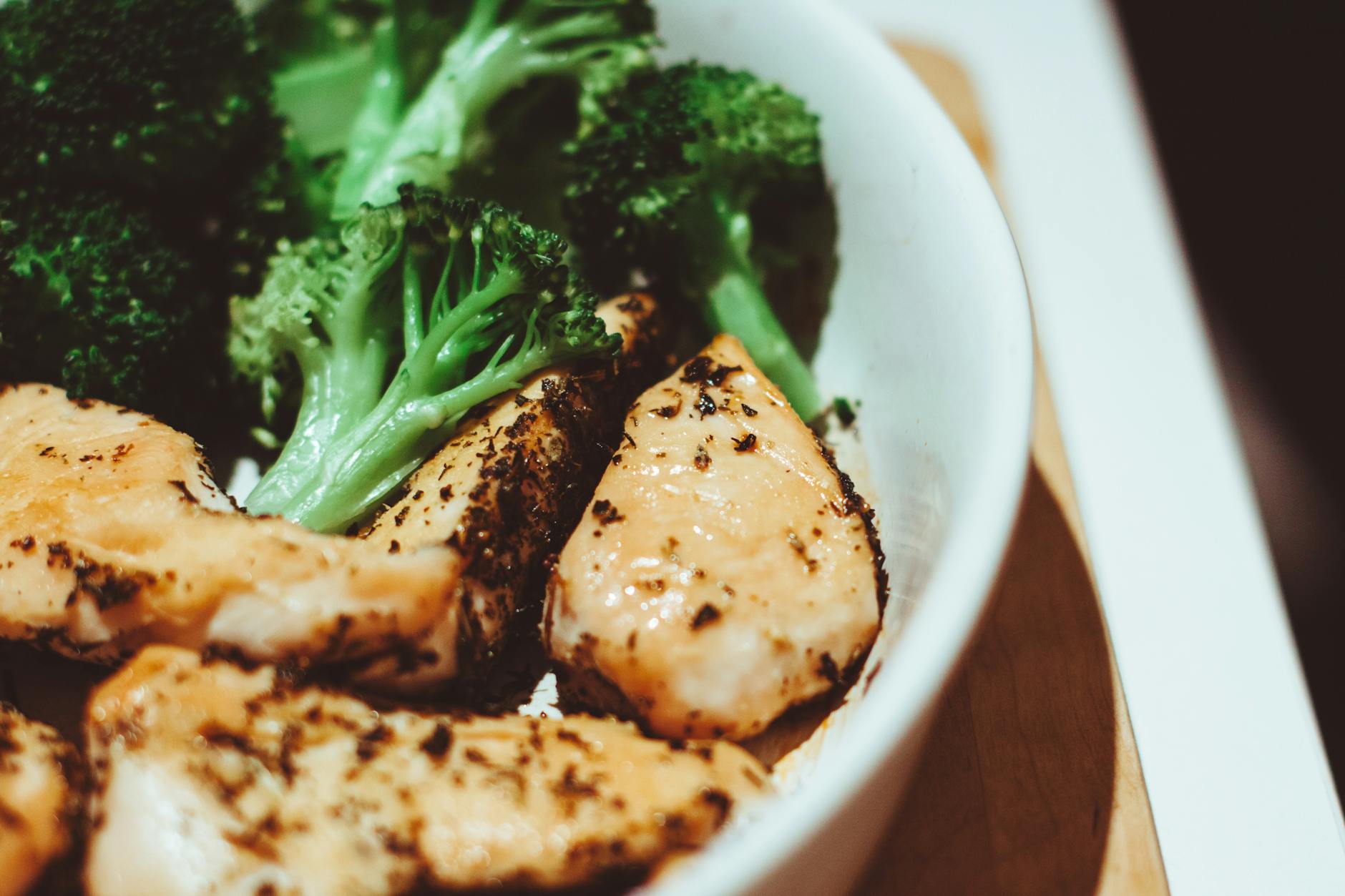
Photo by Pixabay
These choices curb mid-morning munchies. Your body thanks you with steady energy.
Fiber: the quiet hero that slows digestion
Fiber adds bulk that moves slow through your gut. It traps water, swells up, and steadies blood sugar. Beans, lentils, berries, and oats shine here; they fill you without calorie overload.
Ease into more fiber to dodge gut gripes. Bump it gradual and chase with water. Your belly adjusts quick.
Add it smart with these tweaks:
- Stir oats into yogurt for breakfast bulk.
- Toss berries on salads; sweet fiber boost.
Meals grow hearty. Fullness lingers hours.
Texture and temperature: crunchy, chewy, and warm foods feel more satisfying
Chewing works your jaw and sends strong “I’m full” signals. Crunchy or chewy bites beat soft mush. Warm foods cozy your stomach for extra comfort.
Popcorn airs up light and crunches. Crunchy veggies like peppers snap satisfying. Apples chew forever. Thick soups or oatmeal warm and coat.
Quick tip: Skip drinks when hunger hits. They slide down fast without chew cues. Opt for solids instead.
These traits turn low calorie filling foods into winners. You eat less overall but crave nothing.
The best low calorie filling foods to keep stocked
Stock your kitchen with these low calorie filling foods to beat hunger without extra calories. Recent studies back them up: they deliver protein, fiber, and volume that let you eat more by weight while cutting daily intake. Think high-satiety picks like lean proteins and veggies that align with 2026 trends toward whole foods over processed stuff. Keep them on hand for quick meals. You’ll eat big portions that satisfy.
High-protein picks that stay relatively low calorie
Protein tops the list for staying power. It slows digestion and quiets hunger hormones. Pick lower-fat versions to keep calories in check. A 2026 reanalysis confirms these choices fill you better than sugary swaps.
Low-fat Greek yogurt packs 15-20 grams of protein per cup with under 100 calories. Grab plain and stir in berries for a snack bowl; one cup curbs cravings till lunch.
Cottage cheese shines too. A half-cup of low-fat offers 14 grams of protein for 80 calories. Spoon it over tomatoes or mix into eggs for a simple breakfast bowl.
Eggs deliver easy wins. Two whole eggs or a cup of whites boil to 140 calories with 12 grams protein. Hard-boil for wraps with greens or scramble for sheet-pan dinners.
Lean fish like cod or tilapia grills light. Four ounces gives 20 grams protein at 100 calories. Bake with herbs for dinner.
Shrimp cooks fast. Three ounces nets 20 grams protein for 85 calories. Toss in salads or stir-fries.
Chicken or turkey breast stays lean. Four ounces baked hits 120 calories and 25 grams protein. Slice for wraps or sheet-pan meals with veggies.
Tofu and tempeh suit plant eaters. Half a block of tofu (four ounces) brings 10 grams protein at 80 calories. Cube for bowls. Tempeh adds a nutty bite; four ounces packs 20 grams for 200 calories but feels hearty.
These keep you full for hours. Aim for a palm-sized portion per meal.
Fiber-rich carbs that actually help with hunger
Fiber bulks up meals and steadies blood sugar. These carbs surprise with fullness, especially legumes that double as budget picks. Studies show they help drop up to 14 pounds in weeks on plant-based plans.
Oatmeal starts your day right. Half a cup cooked uses 150 calories but swells with water. Top with yogurt for a filling bowl.
Quinoa cooks fluffy. One cup prepared packs eight grams fiber and protein for 220 calories. Build bowls with veggies and shrimp.
Boiled or cooled potatoes rank high for satiety. A medium one (150 calories) fills like a steak thanks to resistant starch. Mash cold for salads.
Lentils simmer cheap. One cup cooked delivers 18 grams fiber at 230 calories. Make soup or mix into chili.
Black beans and chickpeas store easy in cans. Half a cup rinsed gives 15 grams fiber for 110 calories. Add to chili or mash for wraps.
Edamame steams quick. One cup shelled offers 17 grams fiber and eight grams protein at 190 calories. Snack straight or toss in quinoa bowls.
Legumes beat hunger best. Rinse cans and portion a half-cup cooked.

Photo by cottonbro studio
Volume veggies and soups that let you eat a lot for few calories
Veggies load your plate with water and air for tiny calories. You eat pounds for pennies. Low energy density means big bowls without guilt.
Leafy greens like spinach or kale wilt down huge. Two cups raw fill a bowl for 20 calories. Base salads here.
Cucumber and zucchini slice crisp. Two cups diced hit 40 calories. Spiralize for noodles.
Cauliflower and broccoli roast light. Two cups florets roast to 50 calories. Mash cauliflower for “rice.”
Mushrooms and cabbage bulk soups. Two cups sliced sauté for 40 calories. Shred cabbage for slaw.
Tomatoes and carrots add sweet crunch. Two tomatoes or four carrots total 100 calories. Dip or roast.
Broth-based vegetable soups stretch it all. Simmer carrots, cabbage, and greens for a four-cup pot under 200 calories total. Lentil versions with extra greens amp fiber.
Start lunch or dinner with a big salad or soup bowl. It cuts overall intake by filling space first. Pile on three cups raw.
Fruits and snack foods that feel like “more”
Fruits bring sweet volume with fiber and water. Pair them smart to extend fullness. Popcorn airs up for crunch without density.
Berries lead, especially raspberries. One cup packs eight grams fiber at 60 calories. Layer with yogurt.
Apples chew long. One medium (95 calories) satisfies like candy. Slice for snacks.
Oranges and melon hydrate. One orange or cup melon hits 60-80 calories. Chunk for bowls.
Air-popped popcorn volumes snacks. Six cups pop to 100 calories. Season light.
Combine fruit with protein: yogurt and berries stay power through afternoons. Nuts taste great but pack calories; limit to a small handful (one ounce) if you add them.
Stock a pint of berries or big melon. Grab handfuls often.
How to build meals that are filling and still low calorie
You have the low calorie filling foods now. Turn them into meals that satisfy. Use a simple plate formula: start with lean protein for staying power, add high-fiber carbs or legumes for bulk, pile on a big non-starchy veggie portion for volume, and add a measured healthy fat if you want. This combo hits 25 grams of protein and 10 grams of fiber per meal. It keeps hunger away. Skip it, and even a giant salad falls flat without protein to anchor it.
Picture a plate that looks full but stays under 500 calories. Protein quiets your stomach. Fiber slows everything down. Veggies add chew and water weight. You eat more food overall without extra calories. This method works for breakfast, lunch, dinner, or snacks. Let’s break it down.
Use the “protein plus fiber plus volume” plate formula
Build every meal the same way. First, grab a palm-sized lean protein like chicken breast, fish, tofu, eggs, or Greek yogurt. Aim for 25 grams to crush hunger.
Second, pick a high-fiber carb or legume. Go for half a cup cooked oats, quinoa, lentils, black beans, or a medium potato. These swell and steady your blood sugar.
Third, load half your plate with non-starchy veggies. Think three cups spinach, broccoli, cucumber, peppers, or cabbage. They pack volume for almost no calories.
Fourth, add a teaspoon of healthy fat if needed, like olive oil, nuts, or avocado. Measure it to avoid creep.
Flavor it up without calories. Splash salsa, mustard, vinegar, herbs, spices, hot sauce, or lemon juice. They add punch and keep things tasty.
This formula turns basics into winners. A plain salad? Add chicken and lentils. Now it sticks.
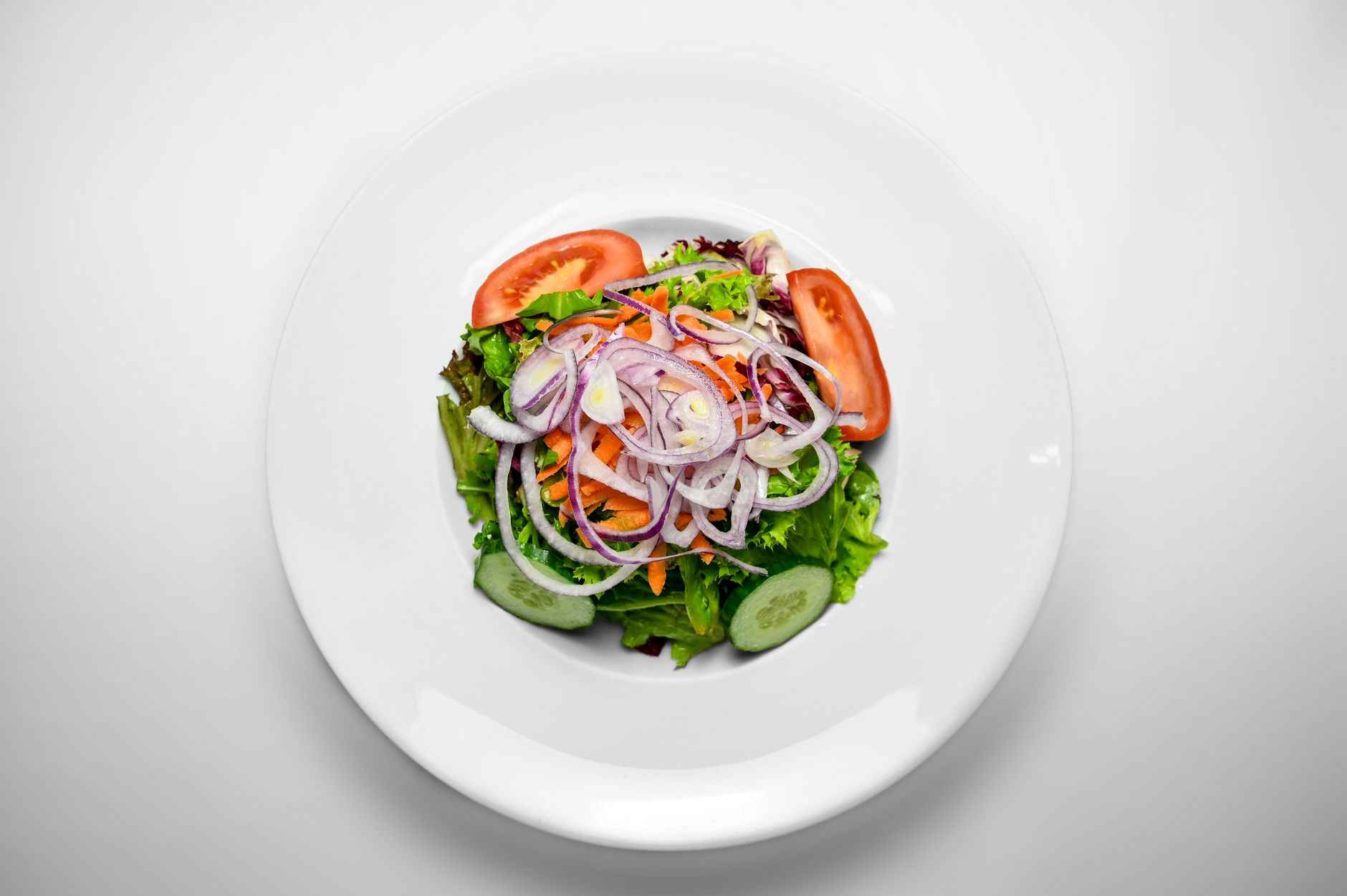
Photo by adrian vieriu
4 filling meal examples you can copy this week
Copy these this week. Each follows the formula. They stay in the 400 to 600 calorie range.
Breakfast: Oatmeal with berries and Greek yogurt. Cook half a cup oats. Stir in a cup plain Greek yogurt and a cup berries. Add cinnamon. Protein from yogurt, fiber from oats and berries, volume from fruit. Fills you till lunch.
Lunch: Lentil and veggie soup with side salad. Simmer a cup lentils, carrots, cabbage, and spinach in broth. Pair with two cups greens, cucumber, and tomatoes. Splash vinegar. Legume fiber, veggie bulk, protein from lentils. Warm and hearty.
Dinner: Quinoa and black bean bowl with lots of veggies and a lean protein. Mix half a cup quinoa, half a cup black beans, grilled chicken or shrimp, and three cups broccoli, peppers, zucchini. Drizzle lemon. Balanced hits all parts.
Another dinner: Fish or tofu with roasted veggies and a potato. Bake four ounces cod or tofu, a medium potato, and two cups cauliflower, onions. Season with herbs. Potato fiber, protein base, veggie load.
Tweak portions to fit you. Prep ahead for easy wins.
Smart snacks that stop cravings instead of starting them
Snacks need the formula too. Pair protein or fiber for control. Pre-portion them into bags or bowls. You grab and go without overdoing it.
Try these combos, each under 200 calories:
- Air-popped popcorn (three cups) plus a string cheese.
- Greek yogurt (half cup) plus berries (half cup).
- Edamame (one cup shelled), steamed.
- Cottage cheese (half cup) plus cucumber slices (one cup).
- Apple (one medium) plus a small measured nut portion (one ounce almonds).
- Hard-boiled eggs (two).
- Veggie plate (two cups carrots, celery, peppers) plus two tablespoons hummus.
These stop hunger spikes. Protein and fiber team up. Pre-portioning keeps handfuls honest.
Common mistakes that make “low calorie” meals not filling
Low calorie does not mean skimpy. Dodge these traps.
Skip protein at breakfast? You crash by 10 a.m. Fix: Add eggs, yogurt, or tofu to oats or toast.
Rely on rice cakes or sweet bars? They digest fast. Fix: Top rice cakes with cottage cheese; swap bars for apple and nuts.
Drink calories? Smoothies or lattes sneak in. Fix: Blend veggies into smoothies; switch to black coffee or water.
Go too low on calories too fast? Your body rebels. Fix: Aim 400 to 600 per meal; track a week first.
Not sleeping? Hunger hormones go wild. Fix: Wind down early; aim seven hours.
Fix these, and your meals satisfy. You stick to the plan.
Make it work in real life: planning, portions, and staying consistent
Knowing the best low calorie filling foods helps, but real life demands a plan. You need quick grocery runs, easy preps, and tweaks for tough days. This setup keeps you full and on track without stress. Shop smart, prep ahead, and listen to your body. You’ll hit your goals steady.
A simple grocery list for low calorie filling foods
Stick to this list each week. Group by aisle for fast shopping. Focus on high-volume picks like veggies and lean proteins. Buy enough for 5-7 days.
Proteins: Eggs (dozen), low-fat Greek yogurt (plain pints), cottage cheese (low-fat tubs), canned tuna or salmon (3-4 cans), chicken breast or turkey (1-2 lbs fresh or frozen), tofu (2 packs).
Legumes/grains: Dry lentils (1 lb bag), canned black beans or chickpeas (4 cans, low-sodium), oats (large canister), quinoa (1 lb bag).
Produce: Spinach or kale (2 big bags), broccoli or cauliflower (2 heads), cucumbers (4), tomatoes (6), carrots or celery (1 bunch), berries (2 pints), apples or oranges (6-8).
Freezer: Frozen shrimp or edamame (1 bag each), mixed veggies or berries (2 bags).
Pantry: Air-popped popcorn kernels (1 bag), broth (low-sodium cartons), spices, vinegar, lemon juice.
This haul costs little and builds full meals. Repeat it weekly.
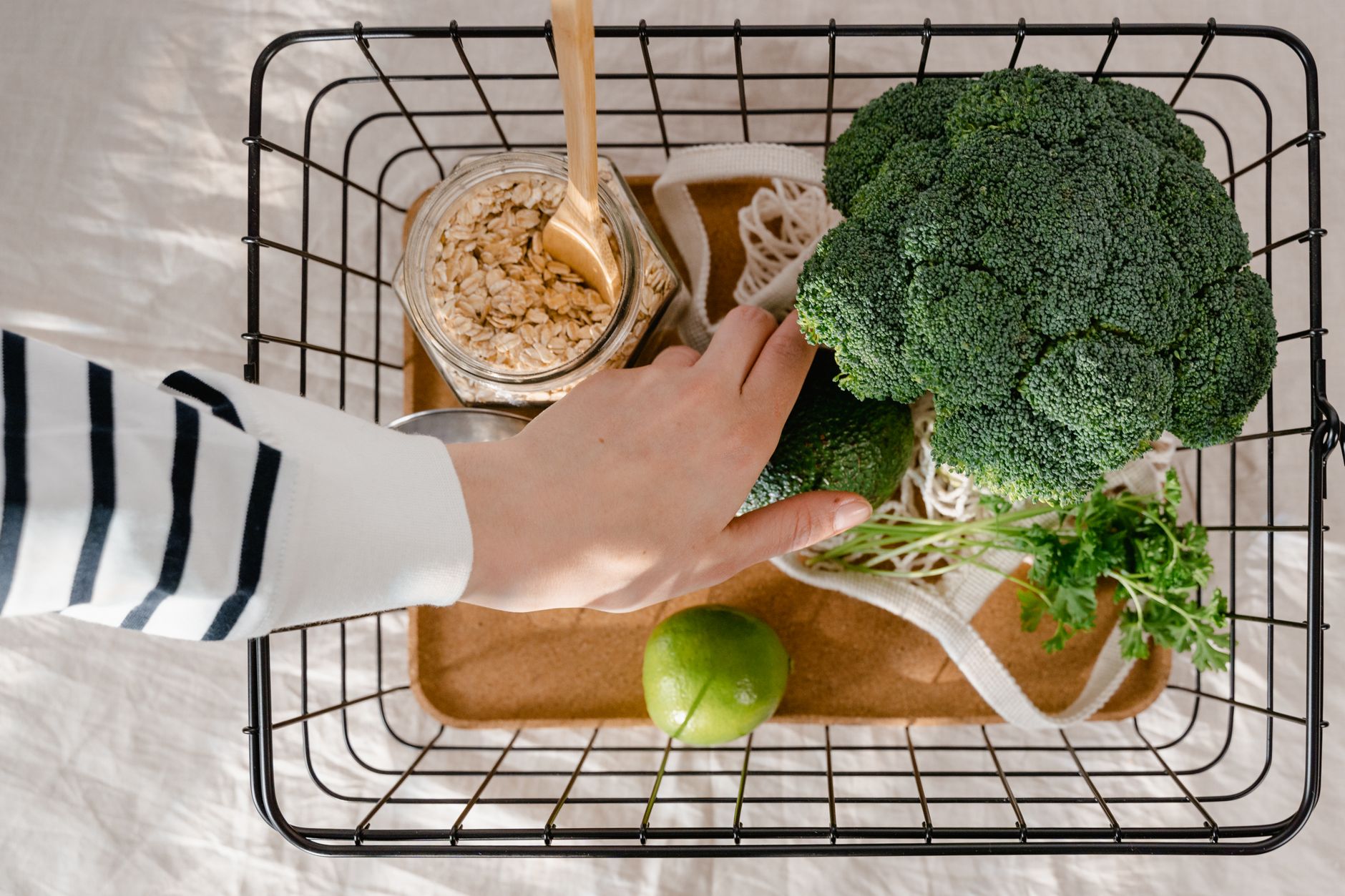
Photo by Tima Miroshnichenko
Meal prep ideas that save you when you are tired and hungry
Prep once, eat all week. Batch-cook lentils or beans in a pot; one batch lasts three days. Roast a big tray of broccoli, cauliflower, and peppers with herbs. Wash and chop greens for salads. Boil a dozen eggs. Portion popcorn into bags. Grab single-serve yogurts.
Keep 2 to 3 backup meals ready, like yogurt with berries or a lentil veggie bowl. Store in clear containers. When hunger hits late, grab one. No thinking needed. These steps take under an hour Sunday.
How to adjust when hunger is still high
Hunger lingers sometimes. Fix it step by step. First, add more volume with veggies; pile on two extra cups of spinach or cucumber. Next, boost protein to 30 grams per meal with eggs or chicken.
Ramp up fiber slow; try half a cup more lentils daily with extra water. Check sleep and stress too; poor rest amps hunger. If you stay overly hungry each day, bump calories a bit, say 100-200 more.
Track fullness on a 1-10 scale after meals for a week. Note what scores high. You’ll spot patterns fast.
Talk to a clinician first if pregnant, underweight, have an eating disorder history, or manage diabetes with meds. They guide safe changes.
Conclusion
Low calorie filling foods rely on protein, fiber, and volume to crush hunger while keeping calories low.
You’ve got the lineup: lean picks like Greek yogurt and chicken, hearty legumes such as lentils, and endless veggies for that stuffed feeling.
These traits let you eat big plates that satisfy for hours.
Pick three favorites to stock this week, say spinach, eggs, and black beans.
Build every meal with the simple formula: palm-sized protein, half-cup fiber source, and heaps of non-starchy veggies.
It turns basics into winners that stick with you.
Plan one breakfast like oats with yogurt and berries, one lunch such as lentil soup with a side salad, and two snacks: cottage cheese with cucumber or edamame.
Grab your grocery list today and make it happen.
Back to Nutrition for Beginners