Plant-Based Protein Powder Bodybuilding
Back to NutritionGeeks Recipes
For broader context on Plant Based Protein Powder Bodybuilding and related topics, explore our recovery and sleep guide.
A bodybuilder I know switched to plant based protein powder bodybuilding and saw real gains without the dairy drama. He swapped thick shakes for clean blends and noticed lean mass rise while his stomach stayed calm. If dairy used to hold him back, this path opened up new options without sacrificing strength.
In 2026 this approach is catching on for vegans, lactose intolerant lifters, and anyone chasing extra health perks like fiber and fewer calories. Plant based protein powders now rival traditional options for building and repairing muscle, with complete amino profiles and flavors that actually feel clean. They’re not just a niche choice; they’re a practical tool for serious training.
Two brands often rise to the top in conversations about real results: Transparent Labs and Orgain. Transparent Labs is praised for a clean, lean profile that supports recovery and steady gains, while Orgain offers reliable mixability and a broad protein blend that fits everyday schedules. Both demonstrate how plant based protein powder bodybuilding can be a practical staple, not a fringe experiment.
This post will break down the common myths, look at the science behind how plant proteins support muscle growth, and highlight top picks that work in the gym and in daily life. You’ll also find simple recipes to build flavor without sacrificing nutrition, plus practical tips to optimize timing, portioning, and pairing with workouts. If you’re navigating dairy issues, dietary preferences, or just curious about other routes to gains, you’re in the right place.
Plant based protein powders can fuel serious bodybuilding results when used right.
Busting Myths: Does Plant Protein Really Fall Short for Bodybuilders?
Plant based protein powder bodybuilding has moved from novelty to a practical tool for serious training. The key is understanding how plant proteins work in real life, not just in labs. Below are two common myths and what the evidence and athletes show in 2026.
Myth 1: Plant Proteins Are Incomplete and Won’t Build Muscle
Single plant proteins can miss one or two essential amino acids, but blends fix that gap. A pea and rice blend, for example, creates a complete amino profile by pairing lysine-rich pea with methionine-rich rice. Soy also stands out as a strong single source that approaches the amino balance of animal proteins. In practice, bodybuilders hit their goals by mixing different plant sources, not relying on a single bean or grain.
Real-world proof comes from athletes who train hard and vary their protein sources: muscle gains come from total daily protein and training, not from a single powder alone. Studies and practical data align on this point; when lifters consume enough protein and follow a solid resistance program, gains are similar to those seen with animal proteins. The takeaway is simple: use blends like pea + rice or include soy to ensure a complete profile, and prioritize total protein quantity alongside consistent workouts. For recovery and growth, aim for about 1.6 g per kg of bodyweight daily, distributed across meals and shakes (with leucine-rich servings to stimulate MPS).
Myth 2: You Need Animal Protein for Elite Gains and Recovery
Vegan bodybuilders have proven otherwise. Torre Washington, among others, qualified for Mr. Olympia 2026 on a fully plant-based, drug-free approach, showing that plant proteins can support elite performance. Studies comparing soy and other plant proteins to milk, beef, or chicken find similar muscle gains when overall protein intake and resistance training are maintained. Lentils, soy, and quinoa provide robust energy and repair capacity, matching animal protein in performance metrics when fed in adequate amounts. The message is clear: you don’t need animal protein to chase big goals; plants can deliver the same fueling power with careful planning and a steady training regimen.
Key Science Showing Plants Fuel Hypertrophy Like Whey
Plant-based protein powder bodybuilding has moved from curiosity to a legitimate option for lifters who want lean gains without dairy. Across 2025 and 2026 studies, the pattern is clear: when total protein intake is matched, plant blends can drive muscle growth and strength just as well as whey over 12 weeks. The practical takeaway is simple: aim for around 1.2 to 1.6 g of protein per kilogram of body weight daily, split across meals, and keep up a solid resistance training plan.
In trials with resistance-trained athletes, participants who consumed soy, pea, and rice blends alongside their regular diet gained lean mass and strength comparable to those who used whey. A common design runs both groups to reach roughly 1.6 g/kg daily, showing similar gains in whole-body lean mass, muscle size in key areas, and performance on lifts like the leg press and bench press. The message holds across different plant blends: total daily protein and consistent training matter more than the protein source on its own.
When you zoom in on the details, two points stand out for practical bodybuilding:
- Blends beat singles for amino balance. A pea + rice blend delivers a complete amino profile that a single plant source often misses. Soy remains a strong stand-alone option, approaching the amino balance of animal proteins.
- Dose matters for the leucine trigger. Plant proteins typically have slightly less leucine per gram than whey. Blends can close the gap, but you may need larger serving sizes per meal (about 30 to 40 grams of protein per shake, or 40–60 grams when chasing a higher leucine threshold) to hit the same protein synthesis spike.
Bottom line for your plan: plant-based protein powder bodybuilding works, but you need mindful sizing. Favor blends to ensure complete amino acids, target 1.2–1.6 g/kg daily, and train consistently 3–5 days a week. A quick snapshot of how these factors stack up helps keep you on track.
| Factor | Whey | Plant blends (pea + rice, or soy-inclusive) |
|---|---|---|
| Absorption speed | Fast post-workout spike | Slower, but close when protein is matched and doses are higher |
| Leucine content per serving | Higher | Close with blends, but often lower per 25 g serving; may require larger shakes |
| Digestibility | High for most people | Often gentler on the gut, especially for those lactose-sensitive |
| Calorie contribution | Variable by blend | Can offer similar protein with extra fiber and generally fewer calories per gram of protein |
If you’re dialing in your routine, a practical starter plan is simple: consume roughly 30 grams of protein per meal from a plant blend, spread 4–5 times per day, and pair with protein-rich foods to hit the 1.2–1.6 g/kg target. Pair that with a 3–5 day per week resistance program, and you’ll unlock the same hypertrophy potential many lifters chase with animal proteins.
Top Plant-Based Protein Powders Built for Bodybuilding in 2026
Plant based protein powder bodybuilding has matured into a practical tool for serious lifters. In 2026, the best options offer complete amino profiles, strong leucine content, and smooth mixability, all while keeping gut comfort and clean ingredients in focus. Below are two standout picks that consistently earn praise from athletes and coaches for real world results. They pair well with a steady training plan and thoughtful meal timing, helping you hit your daily protein targets without the dairy downsides.
Our #1 Pick: Transparent Labs Organic Vegan Protein
Transparent Labs Organic Vegan Protein delivers a clean, dependable protein source with a clear label and a performance-focused profile. Each serving packs 24g of protein sourced from a pea-rice blend, a pairing that covers all essential amino acids while balancing methionine and lysine gaps naturally. The mixability is exceptional, producing a smooth shake even at standard blender speeds, which makes it easy to include in a post-workout routine or as a mid-day refill.
The pea-rice combination is supported by studies showing that blends like this can match whey for muscle protein synthesis when total daily protein targets are met. The organic route adds an extra layer of confidence for lifters who prioritize non-GMO ingredients and clean processing. For bodybuilders, this powder offers a practical advantage: strong amino balance, reliable recovery support, and a flavor profile that won’t clump or leave a chalky aftertaste. If you train hard and want a lean, steady path to gains, this is a top pick to keep on the shelf.
Orgain Organic Protein
Orgain Organic Protein earns its spot as a budget-friendly workhorse that still checks all the important boxes for plant based protein powder bodybuilding. Each scoop provides about 21g of protein with the added benefit of prebiotics that support gut health and sustained energy through long days of training. The formula emphasizes a broad amino acid profile and includes all essential amino acids, so you’re not short on muscle-building triggers. Texture is a strong point here; many find it smooth and easy to drink, which helps with adherence during cutting phases or when meals are spread thin around workouts.
For athletes who value variety in flavor and everyday practicality, Orgain is hard to beat. It blends well with water, milk alternatives, or smoothies, and the prebiotic component can support better digestion and nutrient uptake. With a proven track record and widely available flavors, this option remains a staple for lifters who want reliable protein without breaking the bank. If you’re balancing training with a busy schedule, Orgain Organic Protein is a solid, all-around choice that keeps performance on track.
Easy Recipes to Power Your Bodybuilding Diet with Plant Protein Powder
This section is all about tasty, practical ways to fuel your workouts with plant based protein powder. You’ll find quick post-workout shakes, sturdy breakfasts to start the day right, and snack ideas you can grab between sessions. Each recipe targets roughly 20–30 grams of protein per serving, so you can hit your daily goals without fuss.
Quick Shakes for Post-Gym Recovery
- Post-Workout Banana PB Shake
- Protein per serving: ~30g
- Ingredients: 1 scoop plant-based protein powder (vanilla or chocolate, 25g), 1 frozen banana, 2 tbsp natural peanut butter, 1 cup oat milk or soy milk, 1 tbsp chia seeds
- Steps: Blend until smooth and enjoy within 30 minutes after training.
- Tropical Post-Workout Shake
- Protein per serving: ~28g
- Ingredients: 1 scoop vegan protein powder (25g), 1/2 cup pineapple chunks, 1/2 cup mango, 1 tbsp chia seeds, 1 cup coconut milk, 1 tsp spirulina
- Steps: Blend and drink for a bright recovery boost.
- High-Protein Oats Shake (or Pudding)
- Protein per serving: ~32g
- Ingredients: 1 scoop plant-based protein powder (chocolate), 1/2 cup cooked oats, 1 banana, 1 cup plant milk (soy for extra protein), 1 tbsp peanut butter, handful spinach
- Steps: Cook oats, cool, then blend with everything for a creamy shake or pudding.
Breakfast Boosts That Start Gains Early
- Protein Pancakes
- Protein per serving: ~25g
- Ingredients: 1 scoop plant-based protein powder, 1 mashed banana, 2 tbsp peanut butter, 1/2 cup oat flour, 1/2 cup plant milk, 1 tsp baking powder
- Steps: Mix into batter, cook on a non-stick pan 2 minutes per side. Top with fruit or extra peanut butter.
- Overnight Protein Oats
- Protein per serving: ~22–28g depending on powder
- Ingredients: 1/2 cup rolled oats, 1 scoop protein powder, 1 cup almond or soy milk, 1/2 cup Greek-style plant yogurt (optional for thickness), berries or sliced fruit
- Steps: Stir together in a jar, refrigerate overnight. Grab and go in the morning.
- Banana Nut Protein Smoothie Bowl
- Protein per serving: ~25–30g
- Ingredients: 1 scoop plant-based protein powder, 1 frozen banana, 1/2 cup frozen berries, 3/4 cup almond milk, toppings like sliced almonds, chia seeds
- Steps: Blend to thick consistency, top with toppings.
Snack Ideas to Stay Fueled All Day
- No-Bake Protein Bars
- Protein per serving: ~20–22g per bar
- Ingredients: 1 scoop plant-based protein powder, 1 cup rolled oats, 1/2 cup white beans (mashed), 2 tbsp peanut butter, 1 mashed banana, 2 tbsp plant milk
- Steps: Mash beans and banana, mix all, press into a pan, chill, cut into bars.
- Mug Protein Cake (Peanut Butter Banana)
- Protein per serving: ~30g
- Ingredients: 1 scoop protein powder, 1 tbsp peanut butter, 1/2 mashed banana, 2 tbsp oat flour, 1/4 cup plant milk, 1/2 tsp baking powder
- Steps: Mix in a mug, microwave 90 seconds, cool briefly. Quick post-workout treat or mid-day bite.
- Banana Peanut Butter Snack Mug
- Protein per serving: ~22–28g depending on powder
- Ingredients: 1 scoop protein powder, 1 tbsp peanut butter, 1/2 mashed banana, 2 tbsp oat flour, 1/4 cup plant milk
- Steps: Mix in a mug, microwave, eat warm for a fast protein hit.
Tips to tailor these recipes for your body
- Use 1–2 scoops daily as needed, and pair shakes or meals with tofu, tempeh, or legumes to balance amino acids.
- Flavor options are flexible. Swap vanilla for chocolate, or add cinnamon, cocoa, or berries to keep meals interesting.
- Keep calories aligned with gains goals. If you’re cutting, choose leaner mixes and adjust portions to stay in your target range.
Pro Tips to Maximize Muscle with Plant-Based Protein in Bodybuilding
Plant-based protein powders can fuel serious gains when used with a smart plan. Below are practical, no-fl fluff tips you can apply this week to stay on track, hit your daily protein targets, and push lean mass.
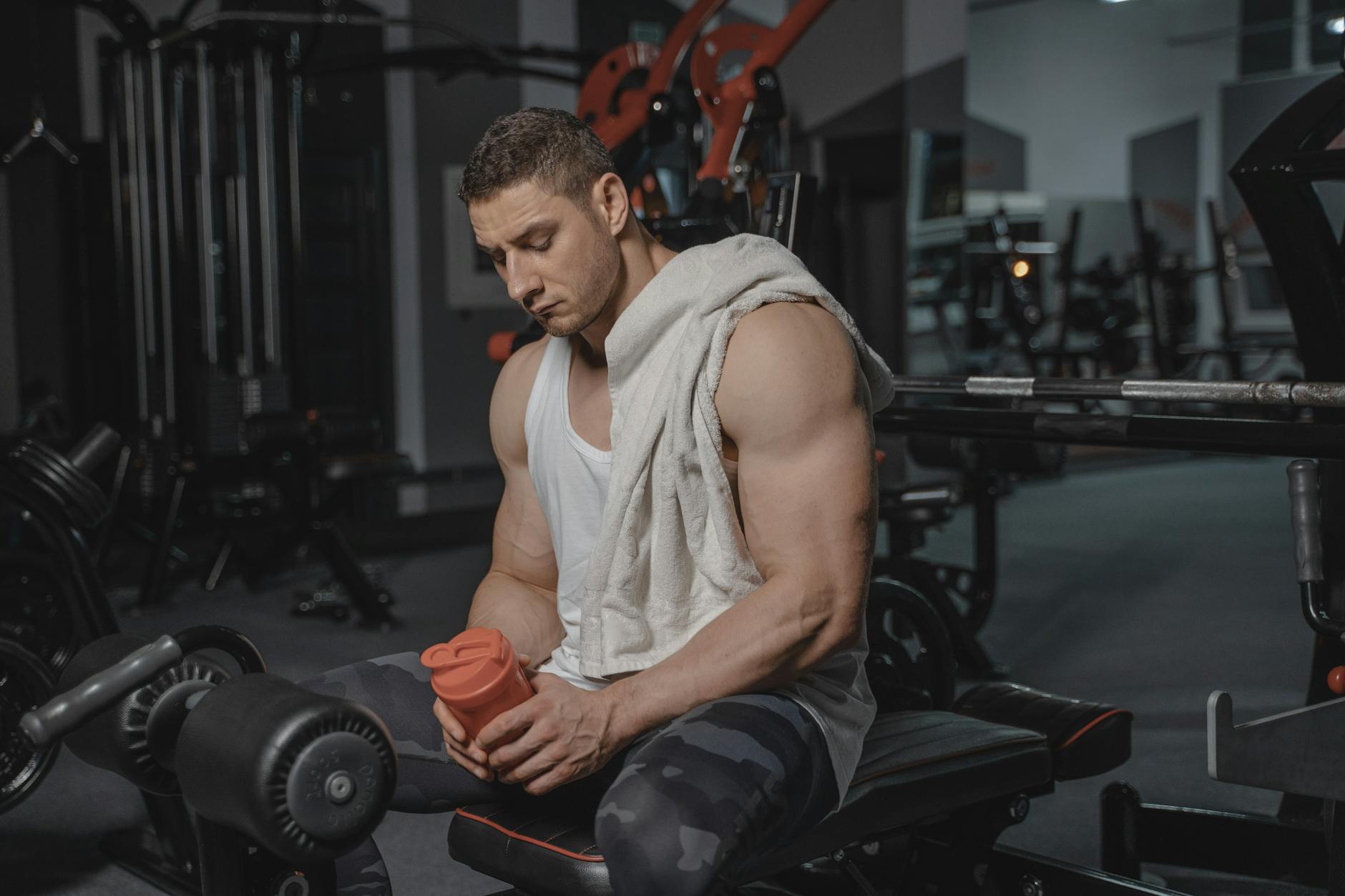
Photo by Tima Miroshnichenko
Dose Right: 20–30g per Serving and Daily Targets
To support hypertrophy, aim for about 1.6 g of protein per kilogram of body weight each day, split across meals. A typical plant-based serving of protein powder is 20–30 g, so plan 1–2 shakes daily to make up the gap from whole foods. If you’re weighing 80 kg, that’s roughly 128 g of protein per day from supplements and food. Bigger lifters or those chasing higher thresholds can adjust upward, but keep portions manageable to avoid excess calories. Leverage blends (pea + rice, or soy-inclusive) to ensure a complete amino profile and steady amino acids through the day.
Timing Around Workouts for Maximum MPS
Protein timing matters, but consistency matters more. Consume 20–40 g of protein within 1–2 hours after training to kickstart muscle protein synthesis, then sprinkle smaller doses through the day. A pre-workout shake can help sustain energy, while a post-workout shake sharpens recovery. If you train fasted, a small shake before training can blunt muscle breakdown and support gains when you break the fast after training.
Blend for Balance: Choosing the Right Plant Proteins
Single plant proteins can miss one or two essential amino acids. Blends like pea + rice cover those gaps, and soy on its own is close to animal protein in quality. Leucine is key for the muscle growth signal, so pick blends with a strong leucine profile or consider a blend with extra leucine if needed. Variety matters: mix different plant sources across meals to ensure a full amino acid slate and keep meals interesting.
Track Progress and Adjust
Keep it simple and track three metrics: total daily protein intake, training volume, and body measurements every 4–6 weeks. If gains stall, nudge total protein up by 10–20 g per day or add another plant-based scoop on training days. If digestion or fullness becomes an issue, try a different blend or split protein across more meals. Patience and consistency beat overhauls.
Conclusion
Plant based protein powder bodybuilding has proven its place for serious lifters. Myth busting shows that blends deliver complete amino profiles and solid recovery when total daily protein and training stay high. The science from recent years supports what athletes see in the gym: you can build lean mass with plant proteins as long as you plan portions, timing, and variety.
Key takeaways are simple. Use blends like pea + rice or include soy to cover essential amino acids. Aim for about 1.2 to 1.6 g of protein per kilogram of body weight daily, spread across meals and shakes. Leucine still matters, so choose blends with a strong leucine profile or adjust serving sizes to trigger muscle protein synthesis. Pair protein with a steady resistance program 3–5 days a week for best results.
If you’re choosing a powder, Transparent Labs Organic Vegan Protein stands out for clean labeling and reliable recovery support, while Orgain Organic Protein offers solid mixability and value. Both fit a practical bodybuilding routine and align with a busy schedule. Try a few recipes from this guide to keep flavor and adherence high, then track progress every 4–6 weeks.
Back to Nutrition for Beginners