Whole Food Eating for Beginners
Back to NutritionGeeks Recipes
Have you ever felt tired after lunch or bloated after a simple snack, even though you ate more than enough food? That familiar slump is often a sign the body isn’t getting fuel from real sources. Many of us reach for convenient processed options, then wonder why we don’t feel our best. A simple shift can change that.
Whole food eating for beginners means choosing foods in their natural form or with minimal processing. Think fresh veggies, fruit, whole grains, beans, eggs, fish, lean meats, nuts, seeds, and plain dairy. The 2026 guidelines call this approach real food first, focusing on nutrient dense options and cutting back on added sugars and refined carbs. It’s not about perfection, it’s about getting back to foods that keep you full and energized.
Why start here is easy to explain. Real foods provide steady energy, support a healthy weight, and protect your heart and metabolism. Recent studies show people who swap processed snacks for whole foods often feel more alert, have better blood sugar control, and experience healthier weight trends over time. You don’t need fancy meal plans to begin; simple swaps do the job.
If you’re new to this, the idea can feel overwhelming. The good news is that small changes add up fast. Swap white bread for whole grain, reach for fruit rather than fruit snacks, choose beans or fish for dinner a few times a week, and add a handful of nuts to a snack. These moves keep meals satisfying while cutting down on ultra processed items.
This post will walk you through practical swaps, quick meal ideas, and a starter grocery list. You’ll learn how to read labels without a degree in nutrition, build balanced plates with easy portions, and stay motivated with tiny wins. Ready to feel more energized and in control of what you eat? Let’s start with one simple plan you can stick with.
Unlock the Top Health Wins from Eating Whole Foods
Choosing whole foods sets up the day for energy, clarity, and long term health. In this section, you’ll learn how real, nutrient-dense options shift energy, mood, and heart health in practical ways. You’ll hear about the latest guidelines and why beginners can see quick wins with small swaps that add up fast.
How Whole Foods Boost Your Energy and Mood Daily
Whole foods deliver steady energy and a calmer mood by signaling fullness in smarter ways. High protein and fiber help hormones that cue fullness to do their job, which means you’re less prone to midafternoon crashes. The 2026 guidelines advocate a real food first approach, emphasizing protein and vegetables as the main building blocks of meals and calling for fewer refined carbs and added sugars. For beginners, think about simple swaps that feel natural rather than drastic shifts.
Imagine grabbing a handful of nuts when you crave a snack instead of reaching for chips. The protein and healthy fats in nuts slow energy release, helping you ride out restless urges and avoid sugar highs and crashes. Pairing beans or lentils with vegetables for dinner adds fiber and protein, promoting fullness that lasts through the evening. Such choices keep meals satisfying while sustaining mood and focus through the day.
In practice, aim for meals that center on a protein source plus nonstarchy vegetables, with whole grains and healthy fats as support. This structure helps your body access stable energy and resilient mood. Beginners often notice quick wins: increased daytime energy, fewer cravings after meals, and a more even temperament during busy days. Over time, these small habits compound into noticeable changes in how you feel and perform.
Real Science on Heart Health and Disease Prevention
The heart benefits of nutrient dense foods are clear. Nutrient density tracks how much good stuff you get per bite from fruits, vegetables, legumes, and other whole foods. When you fill your plate with these foods, you provide potassium, fiber, and antioxidants that support healthy blood pressure and blood vessel function. The 2026 guidelines highlight a shift toward real foods that deliver these nutrients in balanced amounts, making it easier to protect heart health without relying on processed substitutes.
Beginner friendly swaps can move your daily risk profile in a meaningful way. Swap refined grains for whole grains like oats or brown rice, and choose fresh fruits and vegetables as the default snack. Replacing processed snacks with nutrient dense options lowers the exposure to added sugars and unhealthy fats, reducing long term risks for hypertension and heart disease.
By gradually increasing portions of vegetables and beans, you improve metabolic flexibility while keeping meals enjoyable and satisfying. These changes align with guidance from the Council for Metabolic Health and the Periodic Table of Food Initiative, which emphasize real foods with strong nutrient density to support heart health and overall wellbeing.
Spot Real Whole Foods: Your Shopping Guide
As you start your journey with whole food eating for beginners, the goal is to keep meals simple, satisfying, and nourishing. Think of shopping as a practical habit rather than a complicated plan. This section breaks down easy, everyday choices you can make to stock a real food kitchen. You’ll find concrete examples by category, practical label-reading tips, and beginner-friendly shopping rituals that keep you on track without turning your routine upside down.
Proteins and Dairy That Fuel You Right
Stocking the right proteins and dairy sets a solid foundation for every plate. Everyday options include eggs, lean meats, seafood, beans and lentils, and full-fat dairy with no added sugar. Eggs are a versatile cornerstone, quick to cook and incredibly affordable. Meat and seafood give you plenty of iron and omega 3s when chosen in fresh, minimal-processed forms. Beans and lentils add plant protein and fiber that help you stay full longer. Full-fat dairy, like plain yogurt, cheese, and milk without added sugars, rounds out meals with satisfying fat and calcium.
For beginners, the idea is to swap processed snacks for simpler, real-food picks. Breakfast could be eggs with vegetables, lunch a bean salad with greens, and dinner a salmon fillet with a side of roasted veggies. These choices provide steady energy and better appetite control than ultra-processed options. When in doubt, aim for one protein source per meal and pair with vegetables and a modest portion of whole grains. This approach supports energy, mood, and long-term health without overhauling your entire routine.
Photo by Greta Hoffman
Fruits, Veggies, Fats, and Grains Done Simple
Fresh produce should anchor every plate. Store-perimeter shopping keeps things straightforward and helps you avoid overly processed items. Prioritize a rainbow of fruits and vegetables for color, texture, and a wide range of nutrients. Nuts and seeds, avocados, and olives supply healthy fats that make meals satisfying. Intact grains like oats, barley, and brown rice deliver fiber and steady energy without collapsing into a sugar crash.
Begin with easy staples: oats for breakfast, brown rice for bowls, and a mix of fresh fruit for snacks. Add a protein source to every meal and light, flavorful fats to round things out. When you read labels, look for minimal ingredients and avoid products that trumpet “whole grain” but still feel white inside. This is where the real work happens—choosing foods that stay close to their natural state. With practice, your cart becomes a map of simple, nourishing choices you can rely on every week.
Your First Steps to Whole Food Eating Success
Starting strong with whole food eating means building simple, sustainable habits that you can keep for weeks, months, and beyond. This section offers two practical, starter-friendly moves: a weekly shopping list that actually works and daily habits that help you stay consistent. You’ll find clear, actionable tips that fit real life, plus a quick nod to FDA label updates that make spotting healthy choices easier. Let’s set you up with a routine you can rely on.
Build a Weekly Shopping List That Works
Smart shopping starts at the perimeter of the store. When you focus on fresh proteins, dairy without added sugar, plenty of produce, and whole grains, you reduce the pull of ultra-processed options. Begin with a simple framework: protein at every meal, vegetables or fruit with every snack, and a modest portion of whole grains or legumes to round out the plate.
Plan a basic, repeatable rotation:
- proteins: eggs, chicken, fish, or beans
- produce: a colorful mix of greens, cruciferous veggies, berries or apples
- fats: nuts, seeds, olive oil, avocado
- carbs: oats, brown rice, quinoa, or whole grain bread
Keep emergency backups that are minimally processed, like plain yogurt or cheese, and frozen vegetables for convenience. Use the new FDA label updates as a guide when you shop: read the Nutrition Facts to spot added sugars and watch for the short, recognizable ingredients lists. The “Healthy” front-of-pack label, while voluntary, helps you quickly identify options that align with real-food goals. A practical weekly ritual is to draft meals for three dinners and two lunches, then fill in breakfasts and snacks with easy, whole-food options. This approach keeps your cart focused on real foods and cuts down on last-minute temptations.
Daily Habits That Make It Stick
Consistency wins with simple routines. Start with a protein-forward mindset at breakfast and lunch to stabilize energy and appetite. A practical approach is to include a protein source at every meal and a generous portion of vegetables daily. This not only supports fullness but also guards against sugar crashes later in the day.
Portion awareness matters too. Use a standard plate method: half the plate vegetables, a quarter lean protein, and a quarter whole grains or starchy veggies. Add a small amount of healthy fat to finish. Keep full-fat dairy while avoiding added sugars for quick, satisfying meals. Meal prep helps here: cook a batch of beans, roast a tray of veggies, and grill a few portions of protein so you always have ready options. By pairing practical habits with the new label insights, you’ll feel steadier energy, fewer cravings, and more confidence in your choices.
A Full Day of Beginner-Friendly Meals
A single well-planned day can demonstrate how easy it is to eat real foods without stressing your schedule. This sample day focuses on whole foods, ample protein, and vegetable-forward meals that keep energy steady. It’s designed for beginners, with simple ingredients and straightforward prep. You’ll notice a protein-forward breakfast, a colorful lunch, a balanced snack, and a satisfying dinner. The goal is to keep portions sensible, avoid ultra-processed items, and build confidence in choosing real foods that fuel your day.
- Breakfast: Full-fat yogurt topped with berries and a small handful of nuts provides protein, healthy fats, and fiber to start the day. Add a side of eggs scrambled with spinach for extra fullness without heaviness. This combination supports steady energy and helps you avoid morning crashes.
- Lunch: A chicken salad loaded with greens, cucumbers, tomatoes, and olives, dressed with olive oil and lemon. Add brown rice for a modest portion of complex carbohydrates. This meal offers protein, fiber, and healthy fats to sustain you during busy afternoons.
- Snack: An apple with a few cheese slices or a handful of almonds creates a balanced mini-meal that staves off cravings and keeps blood sugar stable.
- Dinner: Salmon or another fatty fish, roasted broccoli, and a baked sweet potato. The fish supplies omega-3s, the veggies give a rainbow of nutrients, and the potato gives a comforting starch to cap the day.
This approach keeps veggies as the base, centers protein around each meal, and uses moderate grains to round out the plate. It’s easy to scale up or down depending on activity level or calorie needs. If you’re pressed for time, prep components in advance: bake several portions of salmon, roast a tray of veggies, and cook a batch of quinoa or brown rice. Then you can assemble meals in minutes, no guesswork required. By sticking to real foods and simple proportions, you’ll feel clearer, more energized, and ready to keep going with your whole food eating for beginners journey.
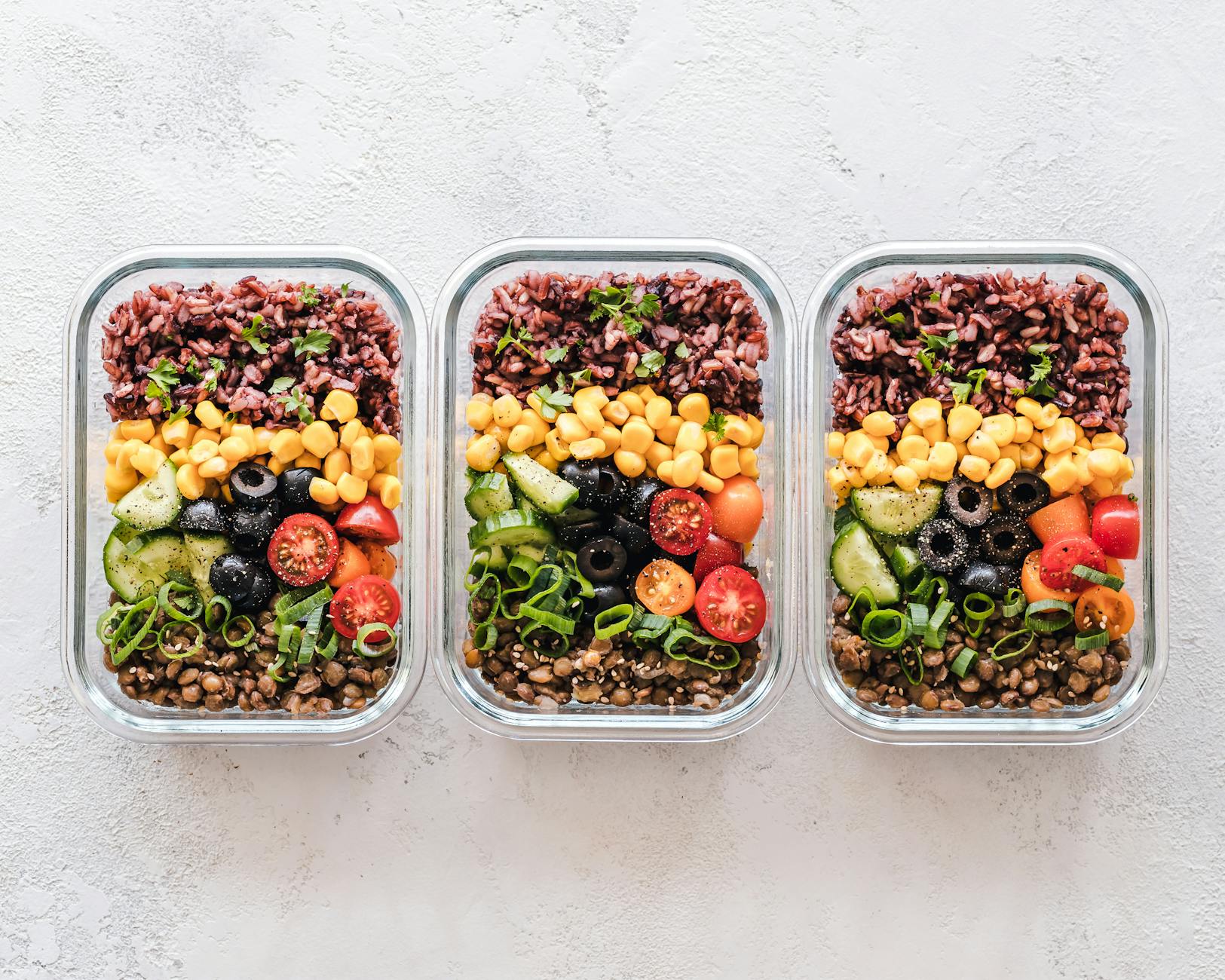 Photo by Ella Olsson
Realistic, Quick Recipes to Try Tonight
- Yogurt parfait: Mix 1 cup full-fat yogurt with 1/2 cup berries and 2 tablespoons chopped nuts.
- Simple chicken bowl: Shred cooked chicken, toss with greens, cucumber, tomato, olives, a drizzle of olive oil, and a squeeze of lemon; serve over 1/2 cup brown rice.
- Salmon and veg sheet bake: Place a salmon fillet and broccoli on a sheet, drizzle with olive oil, bake 12–15 minutes, serve with half a baked sweet potato.
This sample day demonstrates that whole food eating for beginners can be straightforward, delicious, and incredibly practical for a busy schedule.
Common Mistakes Beginners Make and How to Dodge Them
Many newcomers stumble by drifting toward refined carbs, skipping protein, or ignoring portions and activity. A few classic pitfalls can derail your progress fast, but simple fixes keep you on track. Here’s a practical guide to recognizing and correcting each misstep, with quick actions you can implement today.
- Too many refined carbs or sugars even if labeled as whole grain. Fix: choose truly whole grain options and pair them with protein and fiber to slow digestion.
- Skipping protein or loading on processed “health” foods. Fix: prioritize protein at every meal from plant or animal sources; keep ultra-processed items to a rare treat.
- Ignoring portions and daily activity. Fix: use a standard plate approach and log steps or movement to balance energy intake with expenditure.
- Overloading on saturated fats without plant or fish balance. Fix: emphasize plant fats and fatty fish, and limit red or processed meats.
Harvard guidance supports a plant-forward protein emphasis. It recommends 0.8 grams of protein per kilogram of body weight daily as a baseline, with higher targets for active individuals or those seeking muscle maintenance. Plant-based sources like beans, lentils, nuts, seeds, and whole grains should form the foundation, with fatty fish, eggs, and poultry filling in as needed. The common-sense takeaway is simple: build meals around a solid protein source, abundant vegetables, and a modest portion of whole grains.
- Fix for protein gaps: include a protein source at every meal, rotating between plants and animals to ensure all essential amino acids.
- Fix for refined carbs: swap in oats, quinoa, brown rice, or barley; pair with vegetables and a protein to prevent energy crashes.
- Fix for portion misalignment: use the plate model — half vegetables, a quarter protein, a quarter whole grains; add a small amount of healthy fat.
- Fix for fat balance: favor olive oil, avocado, nuts, and seeds; keep red meat and processed meats limited to occasional meals.
By avoiding these common missteps and sticking to real-food foundations, you’ll create a stable energy baseline that supports your daily activities and long-term goals. This practical approach aligns with the core idea of Whole food eating for beginners: simple, consistent choices that add up over time.
Conclusion
Whole food eating for beginners is a practical path to steadier energy, clearer mood, and better heart health by focusing on foods in their most natural state. By starting with simple swaps and real portions, you’ll feel the benefits quickly and build momentum toward bigger health goals. Try one small change this week, like swapping white bread for whole grain or adding a serving of vegetables to every meal, and track how your energy and focus shift over the days that follow. Stay curious about your body, lean into the guidance from 2026 trends like precision nutrition, and keep the pattern simple, consistent, and enjoyable.
Back to Nutrition for Beginners