Nutritional Supplements
Navigating the world of nutritional supplements can feel like a maze. You see them everywhere, promising everything from better sleep to stronger bones. But what’s actually backed by science, and what’s just marketing hype? We’re going to break down some common nutritional supplements, looking at what they do and whether you might actually need them. It’s not about replacing a healthy diet, but understanding if and when these additions can play a role in your well-being.
Explore our nutrition resources for evidence-based supplement comparisons, product guides, and practical wellness information.
Nutritional Supplements Post Takeaways
- Dietary supplements are not approved by the FDA for safety and effectiveness before they hit the market, so it’s important to be informed.
- Third-party testing by organizations like NSF or USP can provide assurance about a supplement’s purity and correct dosage.
- While some supplements can fill nutritional gaps, especially for specific groups, a balanced diet from whole foods should always be the primary source of nutrients.
- Supplements like Vitamin D, Vitamin B12, and Magnesium may offer benefits for certain individuals like runners and athletes especially, but often the best source is food.
- Always talk to a healthcare professional before starting any new supplement to discuss potential risks, interactions with medications, and whether it’s right for you.
Understanding Nutritional Supplements
So, you’re curious about nutritional supplements, huh? It’s a jungle out there with all the bottles and claims on the shelves. People spend billions each year on these things, hoping for a magic bullet for better health. But honestly, a lot of them don’t have much solid science behind them. Supplements can be helpful, especially if you’re not getting enough of certain nutrients from your food, but it’s not a one-size-fits-all situation.
What Are Dietary Supplements?
Basically, dietary supplements are meant to add to what you already eat. Think of them as a little extra boost, not a replacement for actual food. They come in all sorts of forms – pills, powders, gummies, you name it. This category includes things like vitamins, minerals, herbs, and even things like probiotics. The key thing to remember is that if something is marketed to treat or cure a disease, it’s actually considered a drug, not a supplement, even if it’s labeled otherwise.
The Role of the FDA in Supplement Regulation
This is a big one. Unlike medications, the U.S. Food and Drug Administration (FDA) doesn’t approve dietary supplements before they hit the market. This means the companies making them are responsible for making sure they’re safe and that the labels are truthful. The FDA steps in after a product is already being sold if they find a problem. It’s a bit of a “buyer beware” situation, which is why being informed is so important.
Third-Party Testing for Purity and Dosage
Because the FDA isn’t checking everything beforehand, looking for third-party testing seals can give you some peace of mind. Organizations like NSF International or U.S. Pharmacopeia (USP) test supplements to check if what’s on the label is actually in the bottle and if it’s free from harmful contaminants. It’s not a guarantee, but it’s a good sign that the product has been looked at by an independent group. It helps confirm that you’re getting the right amount of the ingredient and that it’s pure.
It’s easy to get caught up in the hype around supplements, but remember that a balanced diet is your first and best line of defense for good health. Focusing on whole foods should always be the priority.
Key Vitamins and Minerals
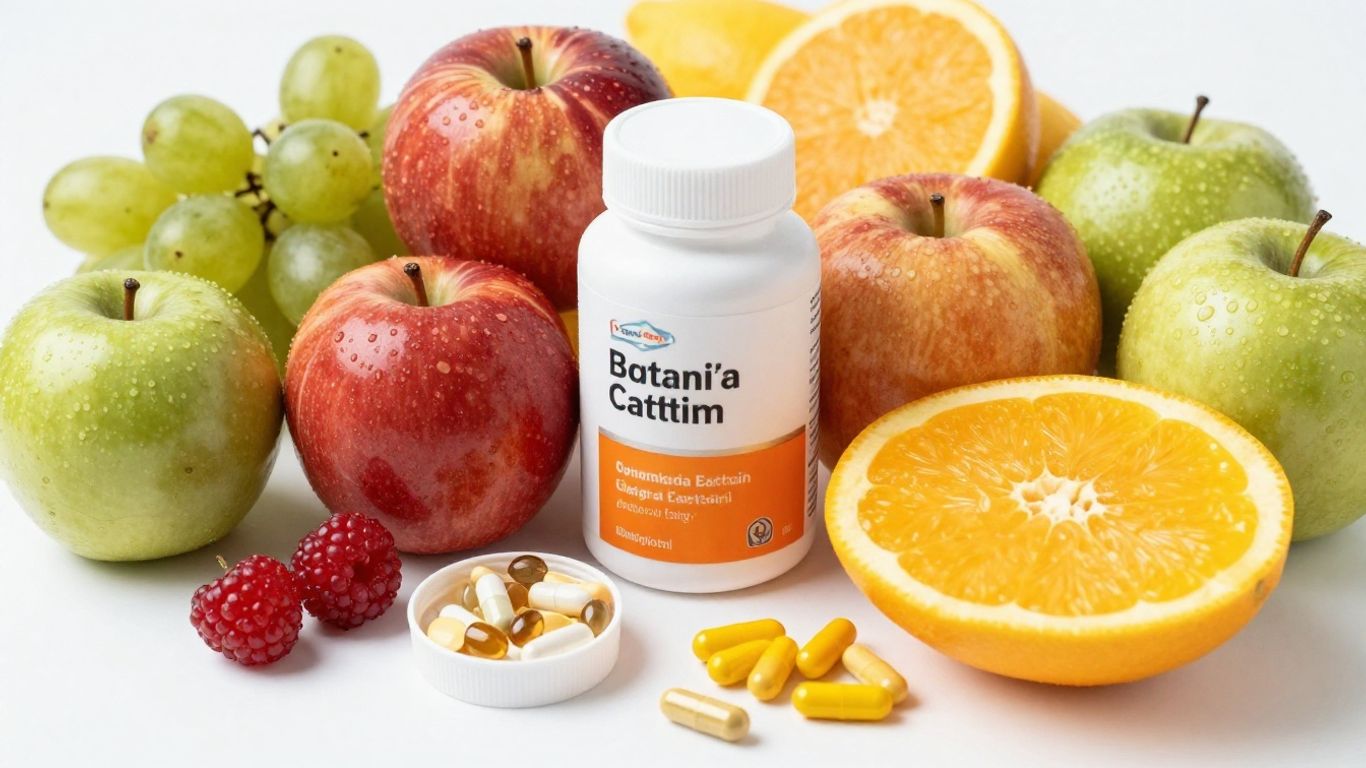
Sometimes, even with a pretty good diet, we might be missing out on certain vitamins and minerals that our bodies really need to function well. It’s not always about major deficiencies; sometimes it’s just about getting that little extra boost for specific bodily processes. Let’s look at a few that often come up.
Vitamin D for Bone Health and Beyond
You’ve probably heard about Vitamin D, especially in relation to sunshine. Our bodies make it when our skin gets sun exposure, which is pretty neat. But as we get older, this process doesn’t work as well. Vitamin D is super important because it helps our bodies soak up calcium, which is what our bones and teeth are made of. Beyond bones, though, some research hints that it might play a role in mood and how our bodies handle sugar, potentially impacting things like insulin resistance.
- Who might need more?
- Older adults (especially those over 75)
- People with certain medical conditions affecting nutrient absorption
- Individuals with limited sun exposure
- Pregnant women
Vitamin B12 for Nervous System Function
Vitamin B12 is a big deal for keeping our nervous system running smoothly and for making red blood cells. If you’re not getting enough, it can lead to a type of anemia. The main reasons people might not get enough B12 often come down to age, especially if you’re over 65.
This is because our bodies produce less of something called ‘intrinsic factor,’ which is needed to actually use B12. Certain medications, like metformin for diabetes or some antacids, can also get in the way of absorbing it. Vegans and vegetarians also need to pay attention to their B12 intake, as it’s mostly found in animal products.
Magnesium for Energy and Migraine Support
Magnesium is another mineral that gets a lot of attention. It’s involved in a ton of bodily processes, including how we make energy. While many people think they need it for things like better sleep or less fatigue, the science isn’t always clear-cut for everyone. However, there’s some evidence suggesting magnesium might help prevent migraines or even ease them when they strike.
Many foods like nuts, seeds, whole grains, and leafy greens contain magnesium, but it’s estimated that a good chunk of people, particularly older men and those with certain health issues, might not be getting enough from their diet alone. Just a heads-up: large doses of magnesium can act as a laxative, so it’s something to be mindful of, though magnesium glycinate is often better tolerated.
It’s easy to see a supplement advertised and think it’s the answer to all your problems. But remember, these are meant to supplement your diet, not replace the goodness you get from eating actual food. Always start with your plate first.
Supplements for Digestive Health
Our gut health is a pretty big deal, and sometimes, even with a good diet, we might need a little extra help. That’s where supplements for digestive health come in. They can be super useful for keeping things running smoothly.
The Benefits of Psyllium Fiber
Psyllium is a type of fiber that comes from the seeds of the Plantago ovata plant. You’ve probably seen it in products like Metamucil. It’s a fantastic way to boost your fiber intake, especially if you’re not getting enough from your daily meals. Most of us could use more fiber, which is found in things like whole grains, fruits, veggies, nuts, and beans. Psyllium supplements can give you that extra push.
- Promotes Regularity: It’s well-known for helping with bowel regularity, particularly if you tend to get constipated. It works by absorbing water in your gut, which helps to soften stool and make it easier to pass.
- Acts as a Prebiotic: Psyllium also feeds the good bacteria in your gut, which is a big win for your overall digestive system.
- Supports Gut Health: By feeding beneficial bacteria, it can contribute to a healthier gut environment.
If you’re new to fiber supplements, it’s a good idea to start slow. Your gut needs time to adjust, so maybe begin with a smaller dose or skip the powder if you’re not used to a lot of fiber. Gradually increasing your intake is key.
Understanding Probiotics and Prebiotics
These two terms often get mentioned together, but they do different things. Think of it like this: prebiotics are the food, and probiotics are the beneficial bacteria themselves.
Prebiotics are essentially types of fiber that your body can’t digest. Instead, they travel to your lower digestive tract where they become food for the good bacteria already living there. This helps those beneficial microbes multiply and thrive.
- Sources: Common prebiotics include inulin, found in foods like chicory root, onions, and garlic, as well as fructooligosaccharides (FOS) and galactooligosaccharides (GOS).
- Benefits: They can help improve digestion, reduce inflammation, and may even play a role in managing conditions like irritable bowel syndrome (IBS).
Probiotics are live microorganisms, usually bacteria, that are similar to the beneficial ones naturally found in your gut. When you take them, they can add to your existing gut population or temporarily colonize your digestive tract.
- Sources: Probiotics are found in fermented foods like yogurt, kefir, sauerkraut, and kimchi, as well as in supplement form.
- Considerations: The world of probiotics is complex. There are many different strains, and each can have different effects. What works for one person might not work for another. If you’re considering a probiotic, especially after something like a course of antibiotics, it’s often best to talk to a doctor or dietitian. They can help you figure out which specific strain might be most helpful for your needs.
While supplements can be helpful, the best way to support your digestive health is through a balanced diet rich in whole foods. Aim for plenty of fruits, vegetables, whole grains, and lean proteins. These foods naturally provide the fiber and nutrients your gut needs to function well.
Common Nutritional Supplements and Their Efficacy
It can get pretty confusing out there with all the different supplements available. You see them everywhere, from grocery store aisles to online ads, promising all sorts of health boosts. U.S. consumers spend a pretty penny on these products each year, but the big question is: do they actually work? Let’s break down some of the most common ones and see what the science says.
Multivitamins: Are They Necessary?
Multivitamins are probably the most popular supplements out there. Lots of people take them, thinking they’re covering all their nutritional bases. However, for most folks who eat a reasonably balanced diet, they might not be doing much. There’s generally no strong evidence that multivitamins significantly improve overall health or longevity in people who aren’t deficient in certain vitamins.
The U.S. Preventative Services Task Force, for example, doesn’t recommend them for preventing heart disease or cancer. It’s usually best to get your nutrients from food first. Think of it this way: your body is designed to process nutrients from whole foods, which also come with fiber and other beneficial compounds that supplements often lack. Of course, there are exceptions, like after certain surgeries or for specific medical conditions, where supplements are definitely needed.
Fish Oil for Cardiovascular Health
Fish oil supplements, rich in omega-3 fatty acids like EPA and DHA, are often talked about for heart health. The idea is that these fats can help reduce inflammation and may have a positive effect on cholesterol levels and blood pressure.
Some studies do show a benefit, particularly for people who already have heart disease or high triglycerides. However, for the general population without existing heart issues, the benefits might be less pronounced. It’s worth noting that the quality of fish oil supplements can vary, so looking for products that have been third-party tested for purity and potency is a good idea. If you don’t eat fish regularly, these supplements could be a way to get those beneficial omega-3s, but it’s always good to chat with a doctor about whether it’s right for you.
Iron Supplementation for Deficiency
Iron is a mineral that’s super important for carrying oxygen in your blood. When your body doesn’t have enough iron, you can feel really tired and weak, a condition known as iron deficiency anemia. This is especially common in women of childbearing age, pregnant women, and sometimes in vegetarians or vegans. If a blood test shows you’re low on iron, a supplement can make a big difference.
Taking iron every other day might actually help your body absorb it better than taking it daily. However, iron supplements can also cause side effects like constipation or an upset stomach. It’s really important to only take iron if you know you need it, as too much iron can be harmful. Always follow your doctor’s advice on dosage and duration.
It’s easy to get caught up in the hype around supplements, but remember that they are meant to supplement your diet, not replace it. A varied diet rich in fruits, vegetables, whole grains, and lean proteins should always be your first line of defense for good health. Supplements can fill gaps, but they aren’t magic bullets.
Specialized Nutritional Supplements
Beyond the everyday vitamins and minerals, there’s a whole category of supplements designed for more specific health goals. Think of them as targeted tools for particular needs, whether that’s building stronger bones, supporting your muscles, or just trying to feel a bit calmer.
Calcium for Bone Density
Calcium is probably the most well-known mineral when it comes to bone health. Our bones are constantly being built and broken down, and calcium is the main building block. If you’re not getting enough calcium, your body might start taking it from your bones, which can weaken them over time. This is especially a concern as we get older, and for women after menopause.
- Sources of Calcium: Dairy products like milk, cheese, and yogurt are common sources. But if you don’t do dairy, don’t worry! Leafy green vegetables (like kale and broccoli), fortified plant milks, and certain fish with edible bones (like sardines) also pack a calcium punch.
- Supplementation: If your diet falls short, a calcium supplement might be considered. However, it’s not just about taking calcium; vitamin D is also super important because it helps your body actually absorb the calcium. So, you’ll often see them paired together.
- Dosage: Too much calcium can cause issues like kidney stones or constipation, so it’s best to stick to recommended daily amounts, usually around 1,000-1,200 mg for adults, unless a doctor advises otherwise.
Protein Powders for Muscle Support
Protein is vital for building and repairing tissues, and muscles are no exception. While most people can get enough protein from their regular diet (think chicken, fish, beans, lentils, eggs), athletes or those looking to significantly increase muscle mass might find protein powders helpful. They offer a convenient way to boost protein intake, especially after a workout.
- Types: You’ll find powders made from whey (a dairy byproduct), casein (another dairy protein), soy, pea, rice, and hemp. Each has a different amino acid profile and absorption rate.
- When to Use: The idea is to provide your muscles with the building blocks they need to recover and grow. Taking it post-exercise is common, but it can also be used to supplement meals if your protein intake is low.
- Considerations: Look for powders with minimal added sugars or artificial ingredients. The amount needed varies greatly depending on your activity level and overall diet.
Ashwagandha for Stress Resilience
Ashwagandha is an herb that’s been used for centuries in Ayurvedic medicine. It’s often talked about for its potential to help the body manage stress. It’s considered an adaptogen, meaning it’s thought to help your body adapt to stress and maintain balance.
Many people turn to ashwagandha when they’re feeling overwhelmed or dealing with daily pressures. The goal isn’t to eliminate stress entirely, but to help your body cope better when it does show up, potentially leading to a calmer feeling and improved focus.
- How it Might Work: While research is ongoing, it’s believed that ashwagandha may help regulate cortisol, a stress hormone. This could lead to reduced feelings of anxiety and improved sleep quality for some.
- Forms: It typically comes in capsule or powder form. You can also find it in teas or tinctures.
- Dosage: As with many herbal supplements, there’s no one-size-fits-all dose. It’s often recommended to start with a lower dose and see how you react. Always check the product label for suggested serving sizes.
Making Informed Choices About Supplements
So, you’ve been thinking about supplements, huh? It’s easy to get lost in all the options out there, from the brightly colored bottles on the store shelves to the ads popping up online. It feels like everyone’s recommending something different. But before you grab that next bottle, let’s talk about how to make smart decisions.
Prioritizing a Balanced Diet
Honestly, the best place to start is with what you eat. A diet packed with a variety of fruits, vegetables, whole grains, lean proteins, and healthy fats is your first line of defense for good health. Think of it as building a strong foundation. Supplements are meant to supplement, not replace, the nutrients you get from food. Sometimes, just tweaking your meals can make a big difference, potentially even removing the need for certain supplements. It’s about getting the most bang for your buck, nutritionally speaking.
Consulting Healthcare Professionals
This is a big one. Your doctor, a registered dietitian, or even a pharmacist can be incredibly helpful. They can look at your specific health needs, any medications you’re taking, and your lifestyle to give you personalized advice.
They can help you figure out if a supplement is actually necessary and, if so, which one is best. Don’t just guess when it comes to your health. It’s really important to have a conversation about what you’re considering. They can also help you understand the potential risks and benefits, which is something you can’t always get from a product label or a quick online search.
Recognizing Potential Risks and Interactions
It’s not all sunshine and rainbows with supplements. Some can have strong effects on your body, and they can sometimes mess with medications you’re already taking. Imagine taking something that makes your blood pressure medication less effective, not good! It’s also possible to take too much of certain supplements, which can lead to problems. Always be aware of the dosage and what else you’re consuming. If you experience any weird side effects, stop taking the supplement right away and talk to your doctor. They can help you figure out what’s going on and report any adverse events if necessary.
Here are a few things to keep in mind:
- Check for Third-Party Testing: Look for seals from organizations like NSF International or USP. This means the product has been checked for purity and the amount of active ingredient it actually contains.
- Be Wary of Big Claims: If a supplement sounds too good to be true, it probably is. Stick to products with realistic promises.
- Know Your Body: What works for one person might not work for you. Your individual needs are unique.
Supplements aren’t regulated like drugs. The FDA doesn’t approve them for safety or effectiveness before they hit the market. That means the responsibility falls on the companies making them to ensure they’re safe and meet label claims. It’s up to us, the consumers, to be diligent and informed.
More Recommended Nutrition Supplement Reading
Probiotics & Gut Health
Bettervits Probiotic Benefits
Daily probiotic supplementation for gut flora balance and digestive wellness.
Best Probiotic for Women Over 50
Targeted probiotic formula to support digestion and immunity in older women.
Best Probiotic for Bloating
Probiotics that help reduce bloating and improve digestive comfort.
Restoring Gut Health After Antibiotics
Tips and supplements to recover a healthy gut microbiome post-antibiotics.
Vitamins & Minerals
What Vitamins Should I Take Daily For a Man
Key vitamins to support male health and daily energy needs.
Best Vitamin D3 and K2 Supplement
Top recommended D3/K2 supplements for bone, heart, and immune health.
B1 B6 B12 Benefits
Important B vitamins for energy metabolism, nerve function, and heart health.
Best Vitamin C Supplement
High-quality vitamin C formulas for immunity and antioxidant support.
Best Vitamin B Complex Vitamins
Supports energy, stress management, and metabolism.
Vitamins for Seniors Over 70
Essential vitamins and minerals for senior health and vitality.
Protein & Muscle Support
5 ISO XP Whey Protein Benefits
Whey protein supports muscle recovery, strength, and daily protein intake.
11 Benefits of Apple Protein
Plant-based protein powder benefits for muscle support and energy.
Why Use Matcha Protein Powder
Matcha protein combines antioxidants with protein for energy and recovery.
Best Whey Protein Powders for Muscle Gain Revealed
Top whey protein options for optimal muscle growth.
Best Protein Powder for Women Over 40
Protein formulas tailored to support strength and metabolism in women over 40.
Best Protein Powder for Weight Loss Women
Protein powders designed to aid fat loss while preserving lean mass.
Best Protein for Energy
High-quality protein to boost energy and recovery throughout the day.
Best Protein Drink for Weight Loss and Muscle Gain
Balanced protein drinks for fat loss and muscle support.
Is Whey Protein Isolate Lactose Free
Whey isolate offers protein without lactose for sensitive individuals.
Whey Protein Concentrate vs Isolate
Comparison of whey forms for muscle building, digestion, and nutrition.
Joint, Recovery & Performance Supplements
Joint Nutrition Tips – Proflexin Review
Key nutrients and supplements to support joint health and mobility.
Best Supplement for Joint Pain
Top supplements for joint relief, flexibility, and long-term support.
The Best Supplements For Running Recovery
Nutrition strategies and supplements to optimize post-run recovery.
Best Electrolyte Powder No Sugar for Peak Performance
Electrolytes to maintain hydration and performance without added sugars.
Jacked Factory Creatine Monohydrate Review
Creatine helps with energy, strength, and muscle recovery.
Magnesium Supplement for Muscle Relaxation
Magnesium aids recovery, muscle relaxation, and sleep.
Best Magnesium Supplement for Sleep
Magnesium formulas designed to improve sleep quality and relaxation.
Best Magnesium for Constipation and Sleep
Magnesium supports bowel regularity and relaxation.
Best Magnesium Glycinate for Anxiety
Magnesium glycinate helps reduce anxiety and promote calm.
Best Magnesium for Anxiety and Sleep
Combines relaxation and sleep support in one supplement.
Iron Infusion Benefits
Iron supplementation to address deficiency and improve energy.
Benefits of Caltrate Advance
Calcium and vitamin D combination for bone and joint support.
Top Rated Women’s Multivitamins
Essential multivitamins designed to meet women’s nutritional needs.
Best Multivitamin for Women Over 40
Comprehensive nutrient support for women in midlife.
Top Prenatal Vitamins
Recommended supplements for pregnancy to support maternal and fetal health.
Ashwagandha Gummies vs Capsules
Comparing forms of ashwagandha for stress, energy, and wellness.
Best supplement to reduce cortisol
Supplements that help manage stress hormone levels naturally.
Best Vitamin to Boost Metabolism
Vitamins that support energy metabolism and fat utilization.
Weight Gain & Meal Support Supplements
Best Peanut Butter for Weight Gain
High-calorie peanut butters to support muscle gain and healthy weight.
Best Vitamin for Weight Gain
Vitamins to support metabolism and nutrient absorption for weight gain.
Healthy Weight Gain Supplements for health
Top supplements for healthy calorie and nutrient intake to gain weight.
Best Vitamins to Boost Metabolism
Essential nutrients to optimize metabolic rate and energy.
What Are the Best Weight Gain Food Supplements?
Nutrient-dense foods and supplements to support healthy weight gain.
Best High Calorie Dietary Supplements
Supplements designed for calorie-dense nutrition and muscle gain.
Weight Gainer Banana Benefits
Using bananas in weight gainer shakes for energy and nutrients.
Best Weight Gainer Milk
Milk-based formulas for high-calorie, protein-rich weight gain.
Best Milk Thistle Supplement for Fatty Liver
Milk thistle supports liver detoxification and overall health.
Related Nutrition Guides
Closing Thoughts
Look, figuring out the whole supplement thing can feel like a maze sometimes. We’ve talked about how some folks might really benefit, especially if their diet is missing key stuff or they’ve got certain health issues. But for a lot of us, just eating a good mix of foods – you know, fruits, veggies, lean proteins, the whole deal – is probably enough.
If you are thinking about popping a pill or powder, it’s always a smart move to chat with a doctor or a dietitian first. They can help you sort out what might actually help and what’s just a waste of money, or worse, could cause problems. Remember, supplements aren’t a magic fix, and they don’t replace a healthy lifestyle. So, be smart about it, do your homework, and listen to your body.
Frequently Asked Questions
What exactly are dietary supplements?
Dietary supplements are things like vitamins, minerals, herbs, or other plant-based items that you take to add extra nutrients to your diet. They come in different forms like pills, gummies, powders, or liquids. Think of them as boosters for your regular food, not replacements.
Does the government check if supplements are safe and work?
The government, specifically the FDA, doesn’t approve supplements for safety or effectiveness before they go on sale. It’s up to the companies making them to make sure they’re safe. That’s why it’s smart to look for testing seals from groups like NSF or USP, which check for purity and correct amounts.
Are multivitamins really necessary for everyone?
For most people who eat a healthy, balanced diet with lots of fruits, veggies, and whole grains, multivitamins aren’t usually needed. You’re likely getting all the vitamins and minerals you need from your food. They might be helpful for specific groups, like older adults or those with certain health issues, but it’s best to ask a doctor.
Can supplements replace eating healthy foods?
No, supplements should never replace a healthy diet. Food provides a wide range of nutrients, fiber, and other beneficial compounds that supplements can’t fully replicate. Think of supplements as a way to fill small gaps, not as a substitute for meals.
How do I know if a supplement is good quality?
Since the FDA doesn’t test them beforehand, look for products that have been tested by independent third-party organizations like USP, NSF International, or ConsumerLab. These groups check if the supplement contains what the label says it does and if it’s free from harmful contaminants.
When should I absolutely talk to a doctor about supplements?
You should always chat with your doctor, a registered dietitian, or a pharmacist before starting any new supplement. This is especially important if you have any health conditions, are pregnant or breastfeeding, take medications, or are planning surgery. Supplements can sometimes interact with medicines or affect medical procedures.
Looking for the right supplements for your goals? Explore our Ultimate Supplements Guide to find detailed reviews and recommendations for every need.