Disclosure: This post may contain affiliate links, meaning if you decide to make a purchase through my links I may earn a commission at no additional cost to you. See my disclosure for more info.
Thinking about a paleo vegan diet? It might seem like these two eating styles are totally opposite, but they actually share a lot of common ground. Both focus on eating whole, unprocessed foods and ditching the junk. This article will help you understand how to combine the best parts of paleo and vegan eating, so you can make smart food choices and feel good. We’ll cover what to eat, what to skip, and how to get all the nutrients you need.
Welcome to Nutrition Geeks. My hope is that this post and the resources located here will be what you were looking for.
Be sure to check out our wide variety of health and fitness recommendations and shop for all your nutritional and wellness needs. Also, subscribe to the RunDreamAchieve YouTube channel. My aim there is to create new weekly content to help fitness-minded professionals like you get to the next level in your training and racing.
Explore more NutritionGeeks guides related to wellness, recovery, nutrition and active lifestyle support.
Post Takeaways
- The paleo vegan diet combines principles from both eating styles, focusing on whole, unprocessed plant foods.
- This diet emphasizes fruits, vegetables, nuts, seeds, and healthy plant-based oils.
- Protein sources include sprouted legumes, nuts, seeds, and sometimes modified tofu or tempeh.
- It means avoiding grains, dairy, animal products, and highly processed items.
- A well-planned paleo vegan diet can offer health benefits and align with natural eating principles.
Understanding the Paleo Vegan Diet
Defining the Paleo Vegan Approach
Okay, so what is this whole Paleo Vegan thing? Basically, it’s trying to mash together two seemingly opposite diets. The Paleo diet is all about eating like our ancestors from the Paleolithic era – think pre-agriculture. The vegan diet, on the other hand, is about avoiding all animal products. The Paleo Vegan diet, or “Pegan” diet, combines these by focusing on plant-based foods that would have been available to early humans. It’s a bit restrictive, sure, but the idea is to eat whole, unprocessed foods. You may also want to look into keto anti inflammatory diet benefits as well, if interested.
Historical Context of Paleo Principles
The Paleo diet isn’t some new fad; it’s rooted in the idea that our bodies are best suited for the foods our ancestors ate. The theory goes that agriculture introduced foods our bodies haven’t fully adapted to, leading to health problems. So, the Paleo diet excludes grains, legumes, and dairy, focusing instead on what hunter-gatherers would have consumed. It’s about going back to basics, even if it means ditching modern conveniences. People following the Paleo diet often look for plant-based milks.
More NutritionGeeks Wellness Guides
Explore more NutritionGeeks guides connected to wellness, recovery, hydration, energy, sleep and active lifestyle nutrition.
Bridging Paleo and Vegan Lifestyles
It might seem impossible to reconcile the Paleo and vegan diets, but there’s actually some common ground. Both emphasize whole, unprocessed foods.
The trick is to find plant-based sources of protein and nutrients that fit within Paleo guidelines. This means lots of fruits, vegetables, nuts, and seeds. It also means getting creative with meal planning and being mindful of nutrient intake. It’s not the easiest diet to follow, but it can be done with careful planning. Here are some things to keep in mind:
- Focus on non-starchy vegetables.
- Prioritize healthy fats from avocados and olive oil.
- Be mindful of protein sources like nuts and seeds.
The Paleo Vegan diet is definitely not for everyone. It requires a lot of research, planning, and commitment. But for those who are looking for a way to combine the principles of both diets, it can be a viable option. Just make sure to consult with a healthcare professional or registered dietitian to ensure you’re meeting all your nutritional needs. Remember, there are many products like Health Nutrition Naturals and diet plans out there to help support your journey.
Foods to Embrace on a Paleo Vegan Diet
This is where the fun begins! The paleo vegan diet, while restrictive, still offers a vibrant array of foods to enjoy. It’s all about focusing on whole, unprocessed plant-based options that our hunter-gatherer ancestors might have had access to, while adhering to vegan principles. It’s a bit of a balancing act, but definitely doable.
Abundant Fruits and Vegetables
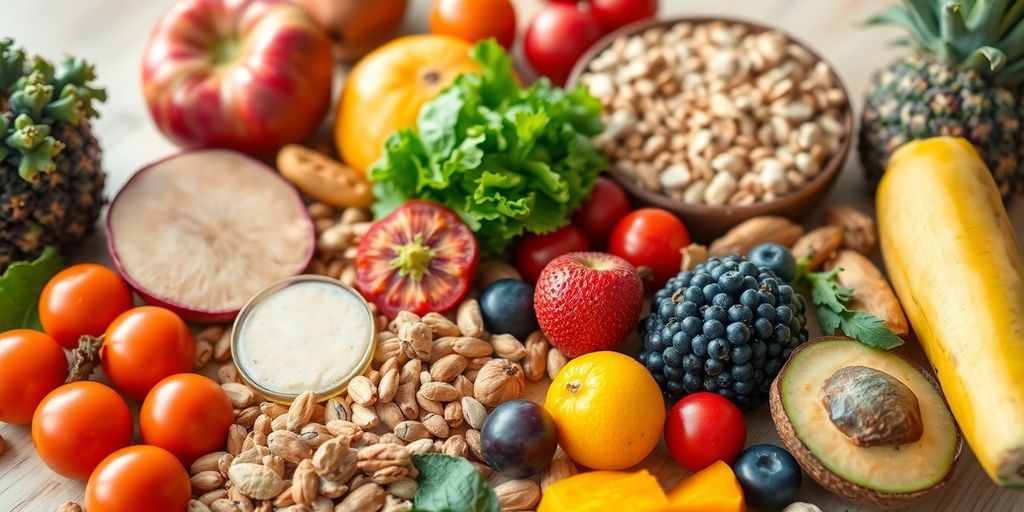
Fruits and vegetables are the cornerstone of any healthy diet, and the paleo vegan approach is no exception. Load up on a wide variety of colors and types to maximize your nutrient intake. Think leafy greens, colorful berries, cruciferous vegetables, and root vegetables. The more diverse your selection, the better your chances of getting all the vitamins and minerals you need.
- Berries (strawberries, blueberries, raspberries, etc.)
- Leafy Greens (spinach, kale, romaine lettuce, etc.)
- Cruciferous Vegetables (broccoli, cauliflower, Brussels sprouts, etc.)
- Root Vegetables (sweet potatoes, carrots, parsnips, etc.)
Remember to prioritize seasonal produce whenever possible. Not only does it taste better, but it’s also often more affordable and environmentally friendly. Plus, it connects you to the natural rhythms of the earth, which is kind of what the paleo diet is all about, right?
Nutrient-Dense Nuts and Seeds
Nuts and seeds are nutritional powerhouses, providing healthy fats, protein, fiber, and a range of vitamins and minerals. They’re perfect for snacking, adding to meals, or using in recipes. Just be mindful of portion sizes, as they can be calorie-dense. Consider vegan food shopping to find the best options.
- Almonds
- Walnuts
- Pecans
- Chia Seeds
- Flaxseeds
- Sunflower Seeds
Beneficial Plant-Based Oils
Healthy fats are essential for overall health, and plant-based oils are a great way to incorporate them into your paleo vegan diet. Opt for oils that are minimally processed and rich in monounsaturated and polyunsaturated fats. These oils can be used for cooking, salad dressings, or drizzling over meals.
- Extra Virgin Olive Oil
- Avocado Oil
- Walnut Oil
- Flaxseed Oil
It’s important to note that some oils, like soybean oil and sunflower oil, are often discouraged on a paleo diet due to their higher omega-6 content and potential for inflammation. Stick to the options listed above for the best health benefits.
Navigating Protein Sources for Paleo Vegans
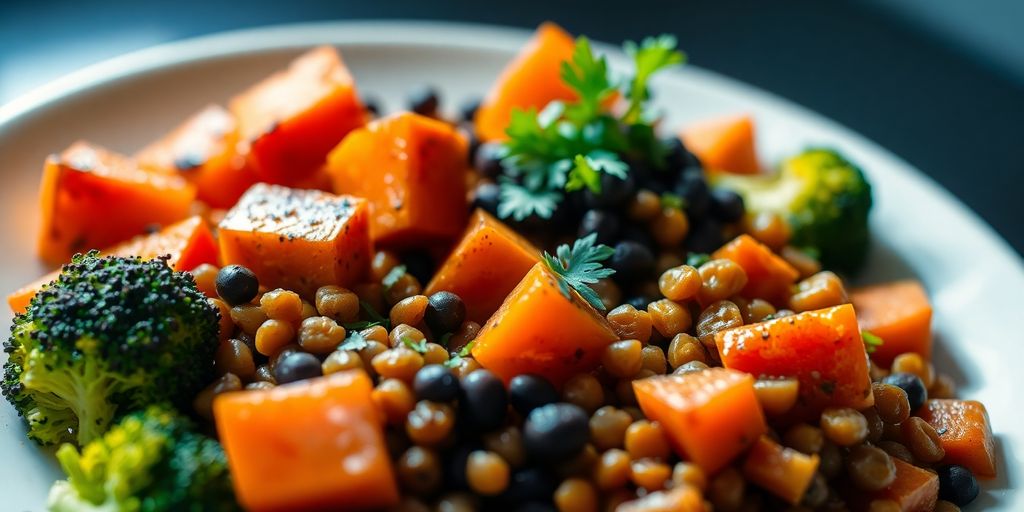
Finding enough protein on a paleo vegan diet can feel like a puzzle, but it’s totally doable with some planning. The key is to focus on plant-based sources that align with both paleo and vegan principles. It’s about being smart about food choices and preparation.
Choosing Sprouted Legumes Wisely
Legumes are generally avoided on a strict paleo diet, but sprouted legumes are often considered acceptable in a paleo vegan or “pegan” approach. Sprouting changes the composition of legumes, making them more digestible and reducing anti-nutrient content. Lentils, mung beans, and chickpeas are good options, but always choose sprouted versions when possible.
Incorporating Nuts and Seeds for Protein
Nuts and seeds are nutritional powerhouses, offering protein, healthy fats, and essential minerals. They’re a staple in both paleo and vegan diets. Some great choices include almonds, walnuts, pumpkin seeds, sunflower seeds, and chia seeds. Walnuts offer healthy fats and are a great addition to your diet. Remember to consume them in moderation due to their calorie density.
Considering Modified Tofu and Tempeh
Tofu and tempeh are soy-based products, which are sometimes debated within the paleo community. However, some paleo vegans include them in moderation, especially if they are fermented or minimally processed. If you choose to eat tofu or tempeh, opt for organic, non-GMO varieties to minimize exposure to additives and pesticides.
It’s important to listen to your body and see how it reacts to different protein sources. Some people may find that they tolerate sprouted legumes or small amounts of tofu well, while others may prefer to stick to nuts, seeds, and vegetables. The paleo vegan diet is flexible, so adjust it to fit your individual needs and preferences.
Foods to Limit or Avoid on a Paleo Vegan Diet
Minimizing Grains and Processed Carbs
When you’re trying to eat like our ancestors but also stick to a vegan lifestyle, some foods just don’t fit the bill. Grains, for example, are a no-go on the paleo side.
That means saying goodbye to bread, pasta, rice, and even things like quinoa and oats. These are relatively modern additions to our diets, and the paleo approach aims to cut them out. Also, processed carbs? Definitely off the table. Think about it: chips, pastries, and anything with refined sugars. These are far from what our ancestors would have eaten. Focusing on whole, unprocessed foods is key here.
Avoiding Dairy and Animal Products
This one’s pretty straightforward for vegans, but it’s worth mentioning. Dairy is a big no-no in the paleo world, and obviously, so are all animal products. That means no milk, cheese, yogurt, meat, fish, or eggs. The paleo diet plan is based on the idea of eating what hunter-gatherers ate, and dairy farming and animal agriculture came much later in human history. Paleo diet cake is a fan favorite in the paleo community.. So, if you’re already vegan, you’re halfway there! For those who are used to dairy, plant-based milks can be a good alternative.
Steering Clear of Highly Processed Foods
This is a big one, no matter what diet you’re following. Highly processed foods are generally bad news. They’re often full of additives, preservatives, and unhealthy fats. Think about things like ready-made meals, fast food, and sugary snacks. These foods are a far cry from what our bodies are designed to eat. Reading labels carefully is super important here.
It’s about eating real food. If you can’t recognize the ingredients, or if the list is a mile long, it’s probably best to avoid it. The goal is to nourish your body with whole, unprocessed foods that will help you feel your best.
Here’s a quick list of things to watch out for:
- Packaged snacks
- Sugary drinks
- Artificial sweeteners
- Hydrogenated oils
Crafting a Paleo Vegan Meal Plan
Planning your meals is super important on a paleo vegan diet. It helps make sure you’re getting all the nutrients you need and sticking to the guidelines. It might seem hard at first, but with a little prep, it becomes second nature.
Sample Breakfast Ideas
Breakfast is a great time to load up on nutrients and set the tone for the day. Here are a few ideas to get you started:
- Sweet Potato Breakfast Bowl: Roasted sweet potato topped with coconut yogurt, berries, and a sprinkle of nuts and seeds. It’s filling and packed with vitamins.
- Green Smoothie: Blend spinach, kale, avocado, almond milk, and a bit of fruit for sweetness. Add some chia seeds or flaxseed for extra fiber and omega-3s.
- Nut and Seed Porridge: Combine almond flour, coconut flakes, chia seeds, and almond milk. Cook it until it thickens, then top with berries and a drizzle of almond butter.
Lunch and Dinner Inspirations
Lunch and dinner can be more substantial, focusing on a good balance of veggies, healthy fats, and plant-based protein. Variety is key to staying satisfied and getting a wide range of nutrients.
- Lunch: Big salad with mixed greens, avocado, cucumber, bell peppers, sprouted lentils, and a lemon-tahini dressing.
- Dinner: Roasted cauliflower steaks with a side of sauteed spinach and a sprinkle of toasted pumpkin seeds. Drizzle with olive oil and season with herbs.
- Another Dinner Option: Zucchini noodles with a pesto made from basil, pine nuts, garlic, and olive oil. Add some chopped tomatoes and olives for extra flavor.
Planning your meals ahead of time can really help you stick to the diet. Spend some time on the weekend prepping ingredients like chopping vegetables, cooking grains, or making dressings. This way, you’ll have healthy options ready to go during the week.
Post-Workout Fueling Options
After a workout, it’s important to refuel your body with protein and carbohydrates. Here are some paleo vegan options:
- Berry and Protein Smoothie: Blend berries, spinach, almond milk, and a plant-based protein powder (if you choose to use one).
- Banana with Almond Butter: A simple and quick option that provides carbohydrates and healthy fats.
- Small serving of sprouted lentils with a side of mixed nuts and seeds. This offers a good balance of protein and healthy fats to aid recovery.
Optimizing Nutrient Intake on a Paleo Vegan Diet
Ensuring Adequate Protein Absorption
Getting enough protein on a paleo vegan diet can feel like a puzzle, but it’s totally doable. The key is to focus on combining different plant-based protein sources throughout the day. Think about including a variety of nuts, seeds, and even sprouted legumes in your meals.
Sprouting, by the way, can actually make legumes more digestible and increase the availability of their nutrients. Don’t be afraid to experiment with different combinations to find what works best for you. For example, a salad with mixed greens, sprouted lentils, pumpkin seeds, and a drizzle of olive oil can be a great protein-packed lunch. Remember, consistency is key when it comes to meeting your protein needs on this diet.
Reducing Anti-Nutrients Through Preparation
Okay, let’s talk about anti-nutrients. These are compounds found in some plant foods that can interfere with the absorption of certain minerals. Phytic acid is one of the most common ones. But don’t freak out! There are simple ways to reduce their impact.
Soaking, sprouting, and cooking are all effective methods. For example, soaking nuts and seeds overnight before eating them can significantly reduce phytic acid content. Sprouting legumes not only boosts their protein content but also reduces anti-nutrients. Cooking, in general, helps to break down these compounds, making nutrients more accessible. Here’s a quick rundown:
- Soaking nuts and seeds for several hours before consuming.
- Sprouting legumes to enhance digestibility.
- Cooking vegetables thoroughly to minimize anti-nutrient effects.
It’s important to remember that anti-nutrients aren’t necessarily “bad.” In small amounts, they can even have some health benefits. The goal is simply to minimize their potential impact on nutrient absorption, especially if you’re relying heavily on plant-based foods for your nutrient needs.
Focusing on Whole, Unprocessed Foods
This one’s pretty straightforward: stick to whole, unprocessed foods as much as possible. This means loading up on fruits, vegetables, nuts, and seeds in their natural state. Avoid processed vegan foods, even if they technically fit within the paleo guidelines.
These often contain added sugars, unhealthy fats, and artificial ingredients that can detract from the overall health benefits of the diet. Think of it this way: a handful of raw almonds is always a better choice than a processed protein powder bar, even if both are technically “paleo vegan.” By prioritizing whole foods, you’re not only maximizing your nutrient intake but also minimizing your exposure to potentially harmful additives. This approach aligns with natural eating principles and supports long-term health and well-being.
Benefits of a Paleo Vegan Diet
Emphasis on Whole Plant-Based Foods
One of the biggest advantages of a paleo vegan diet is its focus on whole, unprocessed foods. This means you’re primarily eating fruits, vegetables, nuts, and seeds. It’s a far cry from processed snacks and fast food. This emphasis naturally leads to a diet rich in vitamins, minerals, and fiber, all essential for good health.
Potential for Reduced Chronic Disease Risk
A diet centered around whole plant-based foods can significantly lower the risk of chronic diseases. By cutting out processed foods, refined sugars, and unhealthy fats, you’re reducing inflammation and improving your overall metabolic health. This approach may help in preventing conditions like heart disease, type 2 diabetes, and certain types of cancer. It’s not a guarantee, but it’s a step in the right direction. Consider weight loss as a potential benefit.
Aligning with Natural Eating Principles
This diet attempts to align with what our bodies are supposedly designed to eat, based on the diets of our ancestors. While the science is still debated, the idea is that by eating foods that are more natural and less processed, we can improve our health and well-being. It encourages a mindful approach to eating, where you’re more aware of what you’re putting into your body.
It’s important to remember that any dietary change should be approached with caution and ideally under the guidance of a healthcare professional or registered dietitian. They can help you ensure you’re meeting all your nutritional needs and avoiding any potential deficiencies.
Wrapping Up
So, we’ve talked a lot about the paleo vegan diet, or “Pegan” as some call it. It might seem a bit out there at first, mixing two pretty different eating styles. But really, it’s all about getting back to basics: whole, unprocessed foods.
You’re cutting out a lot of the stuff that can cause issues for people, and focusing on what makes you feel good. It’s not for everyone, for sure, but plenty of folks find it works wonders for them. If you’re curious, why not give it a shot? See how your body feels. You might just find your new favorite way to eat.
Frequently Asked Questions
What exactly is a Paleo Vegan diet?
A Paleo Vegan diet mixes ideas from both the Paleo diet and the Vegan diet. It means eating like our early ancestors did, but only with plant-based foods. So, you focus on fresh fruits, vegetables, nuts, and seeds, while avoiding processed foods, grains, dairy, and meat.
Is a Paleo Vegan diet good for your health?
Yes, it can be healthy if you plan it out well. This diet pushes you to eat lots of whole, natural plant foods, which is good for your body. But since you’re cutting out many food groups, it’s smart to talk to a doctor or a food expert to make sure you’re getting all the nutrients you need.
How do I get enough protein on this diet?
It can be tricky to get enough protein because you’re not eating meat, dairy, or most beans. But you can still get protein from sprouted lentils, certain nuts and seeds, and sometimes even specially prepared tofu or tempeh. The key is to choose these foods carefully.
What foods should I avoid on a Paleo Vegan diet?
You should try to avoid grains like rice, bread, and pasta. Also, stay away from dairy products and all animal foods. Highly processed items like sugary snacks, fast food, and artificial sweeteners are also a no-go.
What kinds of foods can I eat on a Paleo Vegan diet?
You can enjoy a wide variety of foods! Think fresh fruits like apples and berries, all kinds of vegetables like broccoli and spinach, nuts such as almonds and walnuts, and seeds like chia and flax. Healthy plant oils like olive oil and avocado oil are also allowed.
What does a typical meal look like on this diet?
A typical meal might include a big serving of vegetables, like kale or spinach, mixed with sprouted lentils, nuts, and seeds, all dressed with a healthy oil. For breakfast, you could have a mix of nuts, seeds, and berries with coconut cream.
You may also find this Nutrition Geeks guide helpful: Order Herbalife Online in South Africa: Your Guide to Nutrition and Wellness.
You may also find this Nutrition Geeks guide helpful: Understanding the Herbalife Philippines Membership Fee: What’s Included?.
You may also find this Nutrition Geeks guide helpful: Mastering the Art: Your Guide to Selling Herbalife Products Online.
You may also find this Nutrition Geeks guide helpful: Discover the Unique Appeal of the Wooden Treadmill: A Sustainable Fitness Choice.