Drożdżówki Recipe: Polish Yeast Buns
Imagine the warm, fluffy scent of drożdżówki fresh from the oven. It fills your kitchen with notes of sweet yeast, butter, and fruit. This aroma pulls you right back to cozy mornings in Poland.
Drożdżówki are sweet yeast buns from Poland. Bakers make them with a rich dough of flour, yeast, eggs, butter, sugar, and milk. They’re perfect everyday treats alongside coffee or tea.
These buns stand out as cozy comfort food. You can fill them with endless options like sweet cheese (twaróg), blueberries, jam, poppy seeds, or crumble topping. Each bite brings nostalgia and joy.
In this post, you’ll discover their history rooted in Polish baking traditions. You’ll get a classic drożdżówki recipe that’s simple to follow at home. Explore fun variations, their role in Polish culture, and pro tips for perfect results.
Home bakers love drożdżówki for their soft texture and versatility. They cost little to make but taste like bakery-fresh every time. Grab your apron and yeast; you’ll nail these buns on the first try.
Ready to bake your first batch?
The Rich History and Origins of Drożdżówki
Drożdżówki hold a special place in Polish homes and bakeries. These yeast buns started as simple everyday treats, passed down through generations. Unlike holiday favorites like pączki, they fit right into daily life.
The Name and Its Meaning
The word drożdżówka comes from “drożdże,” Polish for yeast. Bakers use this term for any sweet bun or cake made with yeast dough. It covers small rolls or large flat cakes called placek. This broad name shows their flexibility in Polish baking.
You see this in family recipes, like one from Białystok in northeast Poland. A blog post shares a similar yeast cake version, mixed by spoon without kneading for a soft texture.
Roots in Polish Baking Traditions
Polish bakers trace drożdżówki back to the Middle Ages. Yeast techniques spread from ancient Egypt and China to Europe, reaching Poland through neighbors like Germany and Czechia. Families and local piekarnie (bakeries) made them with basic ingredients: flour, milk, eggs, and butter.
Home cooks baked them weekly for breakfast or snacks. They became hearty desserts that matched Poland’s love for simple, filling sweets. No fancy events needed; just warm ovens and fresh yeast.
Regional Favorites Across Poland
Poland’s regions add their own twists to drożdżówki. Plum-filled versions shine in many areas, often topped with crumble for extra crunch. One recipe highlights Polish sweet buns with plums, a staple in every bakery.
Local names vary too. Check these examples:
- Wielkopolska: Szneką, from a German influence.
- Podlasie: Bułka słodka, or sweet roll.
- Śląsk: Kołoczyki, meaning little circles.
These differences reflect Poland’s diverse baking heritage.
Evolution and Cultural Role
Drożdżówki grew from plain dough to filled delights with cheese, poppy seeds, or fruit. Butter and sugar made them richer over time. Today, they evoke childhood smells in piekarnie, community spots for buns and bread.
Polish immigrants keep the tradition alive abroad. In the US or UK, they bake drożdżówki to share nostalgia. Fun fact: these buns pop up at Polish festivals overseas, drawing crowds with their fluffy bite. This everyday treat proves timeless across borders.
Easy Traditional Drożdżówki Recipe for Home Bakers
You can bake soft, golden drożdżówki right in your kitchen. This recipe makes 12 buns with a simple dough that rises tall and tastes just like Polish bakery favorites. Grab these pantry staples and basic tools: a large mixing bowl, wooden spoon or stand mixer, clean kitchen towel, parchment-lined baking sheet, and pastry brush. Fresh yeast works best for that reliable lift, but instant yeast does the job too. Beginners, take heart; clear steps lead to success every time.
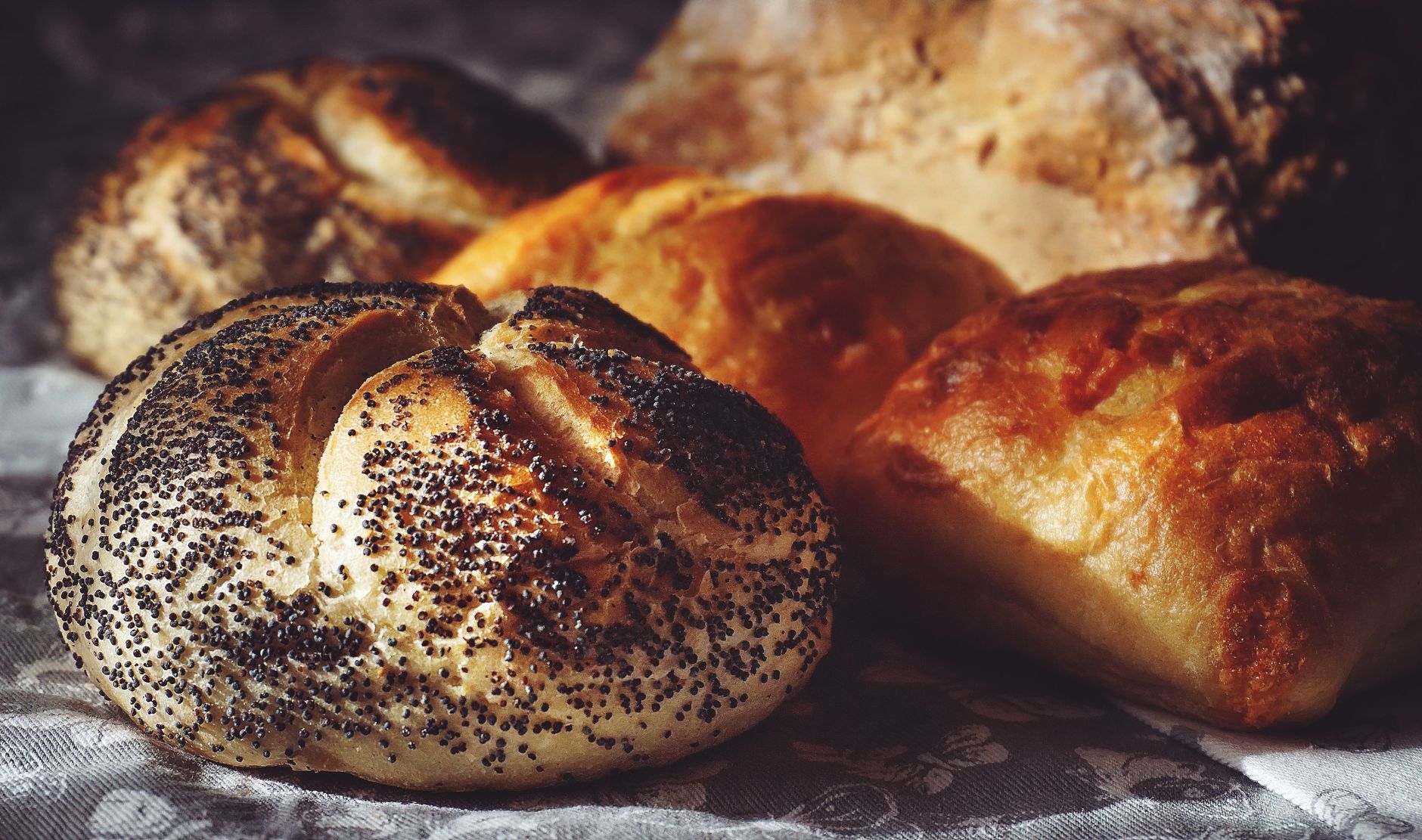
Photo by Suzy Hazelwood
Key Ingredients and Simple Substitutions
Every ingredient plays a key role in fluffy drożdżówki. Start with 500 g all-purpose flour; it builds structure as gluten forms during kneading. 250 ml warm milk (around 110°F or 43°C) wakes the yeast gently; too hot kills it, too cold slows the rise. 25 g fresh yeast (or 7 g instant) traps air bubbles for height and lightness. 100 g softened butter brings tenderness and rich flavor that melts in your mouth. 100 g sugar feeds the yeast and adds sweetness. 2 large eggs bind everything and boost fluffiness. A pinch of salt (1 tsp) balances flavors, and 1 tsp vanilla extract gives a warm aroma.
For swaps, use oat or almond milk instead of dairy to match vegan trends. Replace butter with coconut oil or vegan margarine, and swap eggs for 2 flax eggs (2 tbsp ground flax plus 6 tbsp water). Check out this vegan Polish sweet cheese rolls recipe for inspiration. These changes keep the buns soft without losing authenticity. Stick close to measures for best results.
Step-by-Step Instructions for Perfect Buns
Warm your milk to 110°F and crumble in the fresh yeast with 1 tablespoon sugar. Stir until it dissolves and foams after 5-10 minutes; this proves the yeast lives and starts fermentation for airy texture. In a large bowl, whisk flour, remaining sugar, and salt. Add softened butter, eggs, vanilla, and the yeast mixture. Stir with a wooden spoon until a shaggy dough forms.
Turn it onto a lightly floured surface and knead for 10 minutes. Press and fold the dough; it builds gluten strands that hold gas from the yeast, creating those signature fluffy layers. The dough turns smooth and elastic, slightly tacky. If it sticks too much, sprinkle in flour one tablespoon at a time. Don’t overdo it, or buns get tough.
Shape into a ball, place in a greased bowl, and cover with a damp towel. Let it rise in a warm spot (like near a turned-off oven with light on) for 1 hour, until doubled. Punch down gently to release air, then divide into 12 equal pieces (about 80 g each). Roll each into a tight ball, flatten to 3-inch rounds, and place on parchment-lined sheets, 2 inches apart.
Cover loosely and rise again for 30-40 minutes until puffy. Preheat oven to 375°F (190°C). Brush tops with beaten egg for shine and golden color; it seals moisture inside. Bake 15-20 minutes, rotating sheets halfway, until deep gold and hollow-sounding when tapped. Cool on racks.
Whisk 100 g powdered sugar with 2-3 tsp milk for a simple glaze. Drizzle over warm buns. Watch dough double like a balloon; that’s your fluff guarantee. If they brown fast, tent with foil. These steps forgive rookie slips and deliver bakery results.
Baking Tips for Fluffy, Golden Drożdżówki
Knead thoroughly to develop gluten; weak kneading leads to flat buns. Pick a draft-free spot around 75-80°F for rises; cold rooms double times. Store leftovers airtight up to 2 days, or freeze unbaked shaped buns for later.
Brush with glaze right after baking for stick-to-your-fingers sweetness. Skip overproofing; poke dough gently, it springs back slowly when ready. Measure flour by spooning into cup and leveling, not scooping, to avoid dense dough. Fresh ingredients shine here.
Best Fillings and Variations for Drożdżówki
You have the base dough down from the recipe above. Now fill your drożdżówki with flavors that shine in Polish baking. Fruits bring juicy bursts, while cheese and chocolate add richness. These options stay true to tradition yet invite your tweaks. Add fillings after the first rise for even distribution. Experiment to match your taste; pair warm buns with hot tea or cold milk for the full effect.
Classic Fruit-Filled Drożdżówki Recipes
Fruits love yeast dough. Their natural sugars caramelize during baking, and juices soak in for moist bites that balance the buttery crumb.
Start with dried apricots or prunes. Chop 200 g finely after the dough doubles. Mix in 2 tablespoons sugar and a pinch of cinnamon. Flatten each dough ball, add 1 tablespoon filling to the center, pinch shut, and reshape. These dried fruits plump up, giving chewy sweetness without sogginess.
Fresh berries work too. Fold 150 g blueberries or raspberries gently into the dough post-rise. They burst in the oven, staining the crumb purple. Avoid overmixing to keep berries whole.
Plums rule in regions like Wielkopolska. Halve 12 small fresh plums, remove pits, and nestle one into each bun before the second rise. Top with streusel (50 g flour, 50 g butter, 50 g sugar, crumbled) for crunch, as in this plum drożdżówki recipe. Bake as directed. Fruits cut richness and add tang; they’re foolproof for beginners.
Creative Twists with Cheese, Chocolate, and More
Go bold with sernik-style cheese. Blend 300 g twaróg (farmer’s cheese) with 1 egg, 100 g sugar, and vanilla. Spoon into buns or split a large sheet-pan drożdżówka (double the dough recipe, bake flat) and layer inside before a final rise. It bakes creamy, like mini cheesecakes. See this sweet cheese rolls version for exact ratios.
Scatter chocolate chunks (100 g dark, chopped) or poppy seeds (mixed with 100 g sugar and lemon zest) for contrast. Press into dough tops pre-bake.
For cake-style, roll dough thin into a rectangle, spread jam or cheese filling edge-to-edge, roll up, slice, and bake swirl-side up. Streusel crowns it all.
Modern tweaks? Cut sugar by half and use vegan cheese or fruit purees. These keep buns light. Try poppy seeds with milk for breakfast or chocolate with coffee. Pick two fillings per batch to start; your kitchen scents will draw everyone in.
Drożdżówki in Polish Culture and Modern Trends
Drożdżówki capture the heart of Polish comfort. These soft yeast buns serve as a cozy afternoon snack or quick break treat. You grab one warm from the bakery, pair it with strong coffee or herbal tea, and feel that instant calm. Less famous worldwide than pączki, they thrive in Polish homes and among the diaspora. Families cherish them for their simple joy, a taste of grandma’s kitchen that pulls at heartstrings.
Everyday Comfort in Polish Homes and Beyond
In Poland, drożdżówki fit daily rhythms. Moms pack them in kids’ lunchboxes. Workers snag them mid-shift for a sweet pause. Bakeries display them fresh daily, often with cheese or fruit peeking out. Polish expats in Chicago or London bake batches to share at gatherings. They spark stories of childhood Sundays, warm ovens, and family chats.
This tradition runs deep. A Culture.pl article on Poland’s favorite yeast cakes notes how these buns blend bread and cake, always ready for any moment. Serve plain, glazed, or filled; they pair best with tea’s steam rising alongside.
Rising Home Baking and Healthier Twists in 2026
Post-pandemic, home baking surged. People turned to drożdżówki for fresh, cheap comfort under a dollar per bun. You control flavors, skip preservatives, and customize sizes. Social media fuels it: Instagram reels and TikTok videos show #Drozdzowki bakes racking up shares.
By 2026, healthier versions lead trends. Swap white flour for wholegrain to add fiber. Cut sugar, use honey or fruit purees. Opt for low-fat twaróg, plant milks, or vegan fillings. Light crumble tops keep crunch without excess butter. These tweaks preserve fluff while fitting busy, wellness-focused lives. Bake a batch; share your glow-up online. Tradition meets today, one warm bite at a time.
Conclusion
Drożdżówki blend rich history from Polish baking traditions with simple home recipes and endless fillings like fruit, cheese, or poppy seeds. These yeast buns root deep in daily culture, from regional twists to modern health upgrades that keep them fresh and relevant.
You now hold the steps for fluffy, golden results. Grab your ingredients and bake a batch this weekend. Warm your kitchen with that classic scent and taste bakery perfection at home.
Back to Polish Foods