Disclosure: This post may contain affiliate links, meaning if you decide to make a purchase through my links I may earn a commission at no additional cost to you. See my disclosure for more info.
When I’m cutting, I feel every missed meal and every weak workout. Hunger climbs, strength dips, and that daily choice between staying full and staying lean gets old fast.
Supplement note: This guide is for educational purposes only and is not medical advice. Always speak with your doctor before using supplements, especially if you are pregnant, nursing, taking medication, or managing a medical condition.
Explore our compare supplements for evidence-based supplement comparisons, product guides, and practical wellness information.
That’s why the protein isolate vs concentrate for cutting debate matters so much. A cut means I’m eating in a calorie deficit so I can lose fat while keeping as much muscle as possible, and the protein I choose affects my macros, my satiety, and how well I recover after training. I’ve tried both, and I know the difference can show up in the mirror, in the gym, and even in how easy it feels to stick to the plan.
Explore more NutritionGeeks guides related to wellness, recovery, nutrition and active lifestyle support.
If you’re trying to stay in shape without feeling run down, the details matter more than the label on the tub. I’m going to compare both options head-to-head, weigh the pros and cons, and share the pick I’d use for a cut, along with why it works best for me.
What Cutting Demands from Your Diet and Why Protein is Key
Cutting changes the rules. I’m trying to lose fat, hold onto muscle, and keep enough energy to train well, so every calorie has a job. That means I care less about eating more and more about eating with purpose.
More NutritionGeeks Wellness Guides
Explore more NutritionGeeks guides connected to wellness, recovery, hydration, energy, sleep and active lifestyle nutrition.
Protein is the anchor here. It helps me stay fuller, supports recovery, and gives my body the raw material it needs to keep muscle while calories drop. If you want a deeper look at the basics, I keep coming back to the simple protein powder guide and the practical breakdown of choosing powders for cutting.
Building a Smart Calorie Deficit
A good cut starts with a deficit that I can actually stick to. For most people, that means about 500 to 1,000 calories per day below maintenance, which is enough to drive fat loss without turning every workout into a grind. I’ve found that aggressive cuts backfire fast, because hunger gets louder and training gets weaker.
Protein comes first when I set macros. A solid target is 1.6 to 2.2 grams per kilogram of bodyweight, and I treat carbs and fats as support players after that. For a 180-pound person, that works out to about 130 to 180 grams of protein per day. If I aim near the middle, that’s roughly 155 grams, which gives me room to keep meals filling and recovery steady.
A simple example makes it clear. If I drink a 100-calorie shake with 25 grams of protein, that fits a cut cleanly. If the same shake turns into 200 calories because of extra sugar, creamers, or added fats, I’ve just spent twice the budget for the same muscle support. That small difference adds up fast across a week.
| Bodyweight | Protein Target Range |
|---|---|
| 150 lb | 109 to 150 g |
| 180 lb | 130 to 180 g |
| 200 lb | 145 to 205 g |
I also like keeping a close eye on labels, because cheap protein powders for weight loss can work well when the macros stay tight. The goal is simple, I want the most protein for the fewest extra calories.
How Protein Protects Your Gains During Fat Loss
When I cut, protein helps me keep muscle protein synthesis moving. That matters because a calorie deficit can push the body toward breakdown if I don’t give it enough amino acids. Leucine is the key trigger, and whey is strong here, which is one reason whey isolate benefits show up so often in cutting plans.
I do best when I spread protein across the day instead of cramming it into one meal. 20 to 40 grams per meal usually works well for me, because it gives my body enough to hit that leucine threshold without overcomplicating my food plan. That also helps with fullness, since protein slows digestion and keeps me satisfied longer.
On my harder cuts, a protein-rich breakfast changed everything. I stopped chasing snacks by midmorning, and my training felt steadier.
Protein also has a higher thermic effect than carbs or fats, so my body burns more energy digesting it. That won’t replace a deficit, but it does help. When I was in a harder cut, this is exactly where protein saved me, it kept my meals useful, my hunger quieter, and my strength from slipping too fast.
For a closer comparison of how different whey types fit this setup, the isolate vs concentrate digestion angle matters more than most people think.
Whey Concentrate Unpacked: The Budget-Friendly All-Rounder
Whey concentrate is the middle ground I keep coming back to when I want solid protein without paying for extra purity I may not need. It’s less stripped down than isolate, but that also keeps the price lower and the texture richer. For a cut, that trade-off can work well if I watch the label and my total calories stay on target.
How Concentrate is Made and What Stays In
Whey concentrate starts with milk, which gets turned into cheese. After the curds are removed, the leftover liquid whey goes through ultrafiltration, where water, minerals, lactose, and some fat are separated out while most of the protein stays behind. That protein blend usually lands around 70% to 80% protein by weight.
What stays in matters. I still get whey proteins like beta-lactoglobulin and beta-lactoalbumin, plus smaller amounts of fat, lactose, and bioactive compounds. Those extras are part of why concentrate tastes a little creamier and feels more like a real food product than a stripped-down formula. For a simple overview of whey types, I like checking a guide to whey protein types including concentrate.
Whey concentrate gives me more of the original food matrix, but that also means a few more calories per scoop.
Its Real-World Nutrition Profile
The label tells the real story. A typical scoop of whey concentrate gives me about 25 grams of protein, 2 to 3 grams of carbs, 1 to 2 grams of fat, and around 120 calories. That’s lean enough for many cuts, but the exact numbers change by brand, flavor, and whether the powder includes thickeners or sweeteners.
Here’s the kind of label range I usually expect:
| Per scoop | Typical amount |
|---|---|
| Protein | 24 to 25g |
| Carbs | 2 to 4g |
| Fat | 1 to 2g |
| Calories | 110 to 130 |
That small spread matters when I’m tracking every macro. Some brands use more flavoring or slightly more lactose, so one tub can fit a cut better than another. I like comparing options in protein powders in weight gain supplements and keeping an eye on budget-friendly whey for bulking when I want value.
For me, whey concentrate makes the most sense when I’m moving from a bulk into a cut and still want a shake that feels satisfying. It’s cheaper, usually around $1 per serving, and it can bring natural compounds like immunoglobulins along with the protein. The downside is simple, too much lactose or fat can add up, and some people feel bloated on it. Compared with food, I’d still take chicken or Greek yogurt for fullness, but whey concentrate is faster, easier, and often cheaper than forcing another full meal.
Whey Isolate Demystified: Pure Protein Power
Whey isolate is the version I reach for when I want protein with very little extra baggage. It goes through more filtration than concentrate, so the final powder is stripped down and leaner. That matters when I am cutting, because every gram of carbs, fat, and lactose starts to count.

What I like most is how predictable it is. I know what I am getting, I know how it fits my macros, and I know it will not crowd my calorie budget the way some richer powders can. For a strict cut, that kind of control makes a big difference.
The Filtration Process That Makes It Pure
Whey isolate starts the same way as concentrate, as a milk byproduct after cheese making. The difference comes later, when it goes through extra processing like cross-flow microfiltration or ion exchange. Those steps remove more of the leftover lactose, fat, and non-protein solids, which is why isolate usually lands above 90% protein by weight.
That extra filtering changes the macro profile in a useful way. A good isolate serving often gives me 25 grams of protein, 0 to 1 gram of carbs, less than 1 gram of fat, and about 100 to 110 calories. In practice, that means I get a clean protein hit without much else attached.
I treat isolate as my go-to when digestion and calorie control matter more than taste or cost.
If I want a gentler option for my stomach, isolate usually fits better too. It is often lactose-free or nearly lactose-free, so it tends to sit easier than concentrate. That is one reason I pair it with gut-friendly whey isolate options when I need a shake that works on repeat.
Macros That Fit a Tight Cut
On a cut, I care about protein density. Whey isolate gives me more protein per calorie than concentrate, so I can keep my intake high without eating into my daily deficit. That makes it easy to stay consistent when hunger is already pushing back.
Here is the simple trade-off I notice most:
| Powder type | Protein | Carbs | Fat | Calories |
|---|---|---|---|---|
| Whey isolate | 25g | 0 to 1g | Less than 1g | 100 to 110 |
| Whey concentrate | 24 to 25g | 2 to 4g | 1 to 2g | 110 to 130 |
That gap may look small, but it adds up fast across multiple shakes. If I use isolate once a day instead of concentrate, I might save 20 to 30 calories. Over a week, that can mean a few hundred calories I do not have to fight off with extra cardio.
I also like how quickly it absorbs. After training, that fast delivery helps me recover without feeling heavy. When I am running a harder cut, I want protein that works like a clean tool, not a full meal in powder form, and isolate does exactly that.
Head-to-Head: Isolate vs Concentrate for Cutting Success
When I’m cutting, I care about two things more than anything else, staying in a deficit and holding onto muscle. That’s why the protein isolate vs concentrate for cutting debate matters in real life, not just on a label. The gap between them may look small, but small gaps matter when I’m counting every calorie.
In most cuts, isolate gives me tighter macro control, less lactose, and fewer calories per shake. Concentrate still has a place, especially when the deficit is mild and budget matters. The real choice comes down to how strict I need to be, how well I digest dairy, and how much room I have left in my day.
Purity, Calories, and Macro Precision
This is where isolate pulls ahead for me. It’s usually around 90% protein, while concentrate often lands closer to 75% protein, so isolate gives me a cleaner hit with less filler. That difference can show up as about 110 calories for isolate versus 130 for concentrate per serving, plus isolate usually has 0g lactose versus around 2g in concentrate.
That may not sound huge, but it adds up fast. Over 20 shakes, isolate can save me about 400 calories compared with concentrate if the gap is 20 calories per serving. In some brands, the savings can land closer to 1,000 calories if the spread is 50 calories per shake. On a tight cut, that’s real breathing room.
Here’s the simple side-by-side:
| Factor | Whey Isolate | Whey Concentrate |
|---|---|---|
| Protein purity | About 90% | About 75% |
| Calories per serving | About 110 | About 130 |
| Lactose | 0g or trace | About 2g |
| Digestion speed | Faster | Slightly slower |
| Cost | Higher | Lower |
I’ve seen body-composition research suggest both whey types can support fat loss and muscle retention when total protein is matched. A review in Nutrients on whey forms found no magic advantage from one type alone for body composition, which lines up with how I use them in practice. The powder matters, but my daily protein total matters more.
If I’m deep in a cut, isolate gives me more precision with less guesswork.
Digestion, Bloat, and Absorption Speed
I notice this difference within a day. Isolate usually sits lighter, and that matters when I’m training hard, eating less, and already feeling a little flat. Because it has less lactose and less fat, it tends to cause fewer GI issues for me and for many people who are sensitive to dairy.
Studies on whey proteins also show that isolate gets into the blood fast, which is one reason it’s popular around workouts. In one study on whey fractions, amino acid levels rose quickly after intake, and that faster absorption is useful when I want recovery without stomach heaviness. In other words, isolate often behaves like a clean, quick tool, while concentrate feels a little more like a full snack.
I choose isolate when I want:
- Less bloating after shakes
- A faster post-workout option
- Better comfort during aggressive deficits
Concentrate can still work if my stomach tolerates it well. However, when calories are tight and digestion feels fragile, isolate usually gives me fewer problems and a smoother day.
Cost, Taste, and Everyday Practicality
Concentrate wins on price, and that matters if I’m using protein powder every day. When I compare value per gram of protein, concentrate often costs less, even if isolate gives me a better macro fit. If my cut is mild, my digestion is fine, and I want a richer taste, concentrate can be the more practical pick.
Taste is part of the equation too. Concentrate usually mixes thicker and creamier, so it feels more like a milkshake. Isolate is leaner and sometimes a little thinner, which is great for macros but not always as pleasant.
A few mixing tips help either one:
- Use cold water for a smoother shake.
- Shake hard, then let it sit for 30 seconds.
- Add a few ice cubes if the texture feels thin.
- Blend with cinnamon or cocoa if you want more flavor without many calories.
For me, the choice comes down to the cut itself. If I’m chasing every calorie, I pick isolate. If I’ve got more room and want to save money, concentrate still does the job.
My Recommendation: Which Wins for Most Cutters
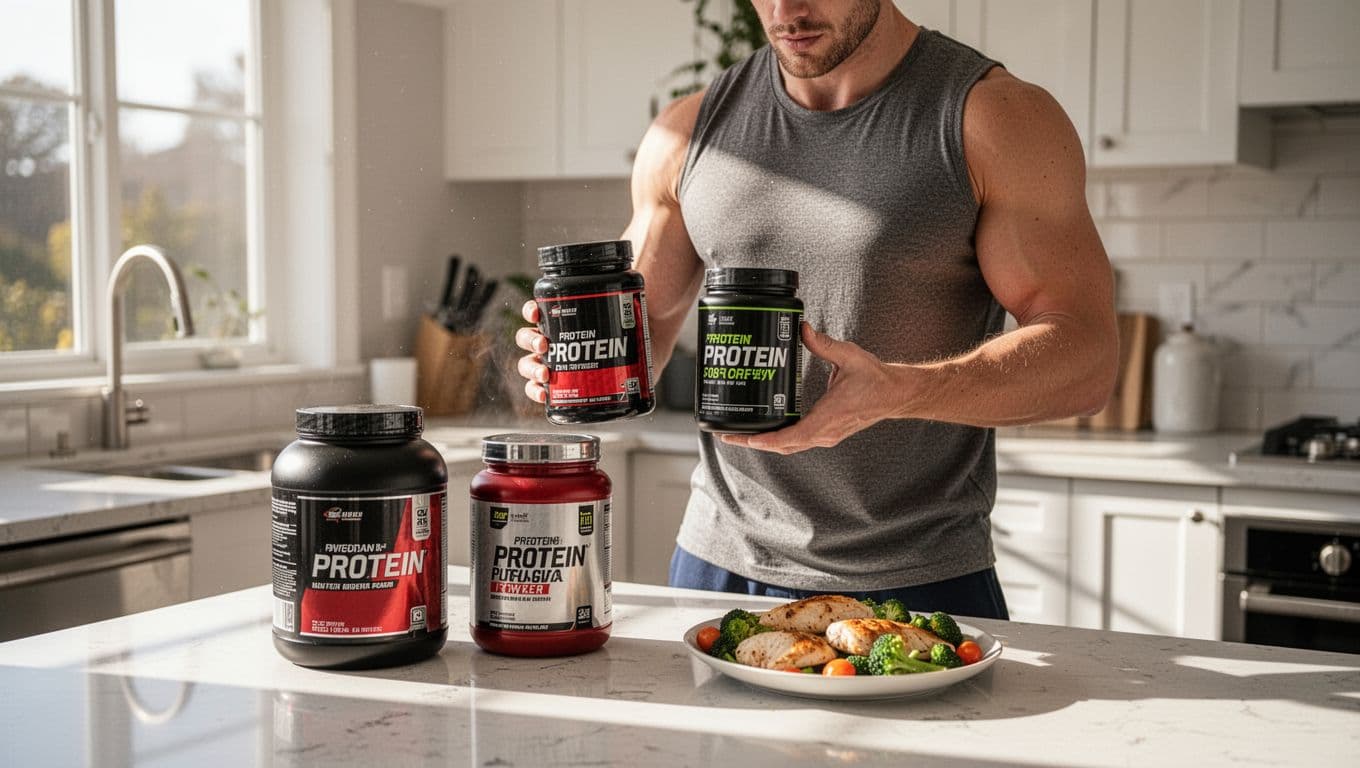
When I’m cutting, I want the simplest path that keeps my calories tight and my protein high. For most people, whey isolate wins because it gives me cleaner macros, less lactose, and less room for mistakes. That matters most when the deficit gets aggressive and every shake has to pull its weight.
Still, whey concentrate has a real place. If my cut is moderate, my budget is tighter, or I just want a better-tasting shake, concentrate does the job well. I’ve also seen it work fine for beginners who are still learning how their body responds to a deficit. If you want a broader look at shake choices, I’d also compare your options with protein shakes ideal for calorie deficits.
Scenarios Where Concentrate Shines
I reach for concentrate when I’m not fighting for every last calorie. It works well if I’m on a budget, if I care more about taste than ultra-lean macros, or if I know dairy doesn’t bother me. In a moderate cut, those small extra carbs and fats usually stay easy to manage.
Concentrate also fits people who want a shake that feels richer and more filling. That creamier texture can make daily use easier, which matters more than perfection. If I can stay consistent, I can still lose fat and keep muscle.
Times to Go All-In on Isolate
I choose isolate when I need the cleanest setup possible. That includes contest prep, a max deficit, or any phase where bloating and digestion issues could mess with training. If lactose hits me hard, isolate is the safer move every time.
I also prefer isolate when I’m already very lean and I want the most protein for the fewest calories. That small edge can help me stay on track without feeling like I’m spending half my day budget on one shake. For deeper detail on the trade-off, I’d point myself toward whey isolate vs concentrate options for lean gains.
In practice, my stack looks like this: isolate for hard cuts, concentrate for easier phases, and a hybrid approach when I want both value and control. I’ve lost about 10 pounds on a cut while using that setup, and it made the whole process easier to stick with.
Tips to Supercharge Your Protein Choice on a Cut
When I’m cutting, I want my protein to do more than fill a macro slot. I want it to protect muscle, keep hunger in check, and fit my day without making meals feel heavy.
The basics are simple. I keep protein high, I spread it out, and I choose options that fit my stomach and calorie budget. That’s why I pay attention to timing, texture, and what I mix with each shake.
Best Timing and Daily Amounts
I aim for at least 1.6 grams of protein per kilogram of bodyweight, and I often go higher when the cut gets tougher. I get the best results when I split that across the day instead of saving it all for one meal.
I usually place protein around these windows:
- Breakfast, so I start full and avoid snacking.
- Post-workout, when recovery matters most.
- Between meals, if hunger starts creeping up.
That pattern helps me stay steady and supports muscle repair. It also matches what I want on a cut, which is less chaos and more control. For a deeper look at post-training nutrition, I like the advice in post-workout protein timing for cutting.
I do better when every protein serving has a job. If it is just there to “hit a number,” I usually end up unsatisfied.
Blending into Meals and Workouts
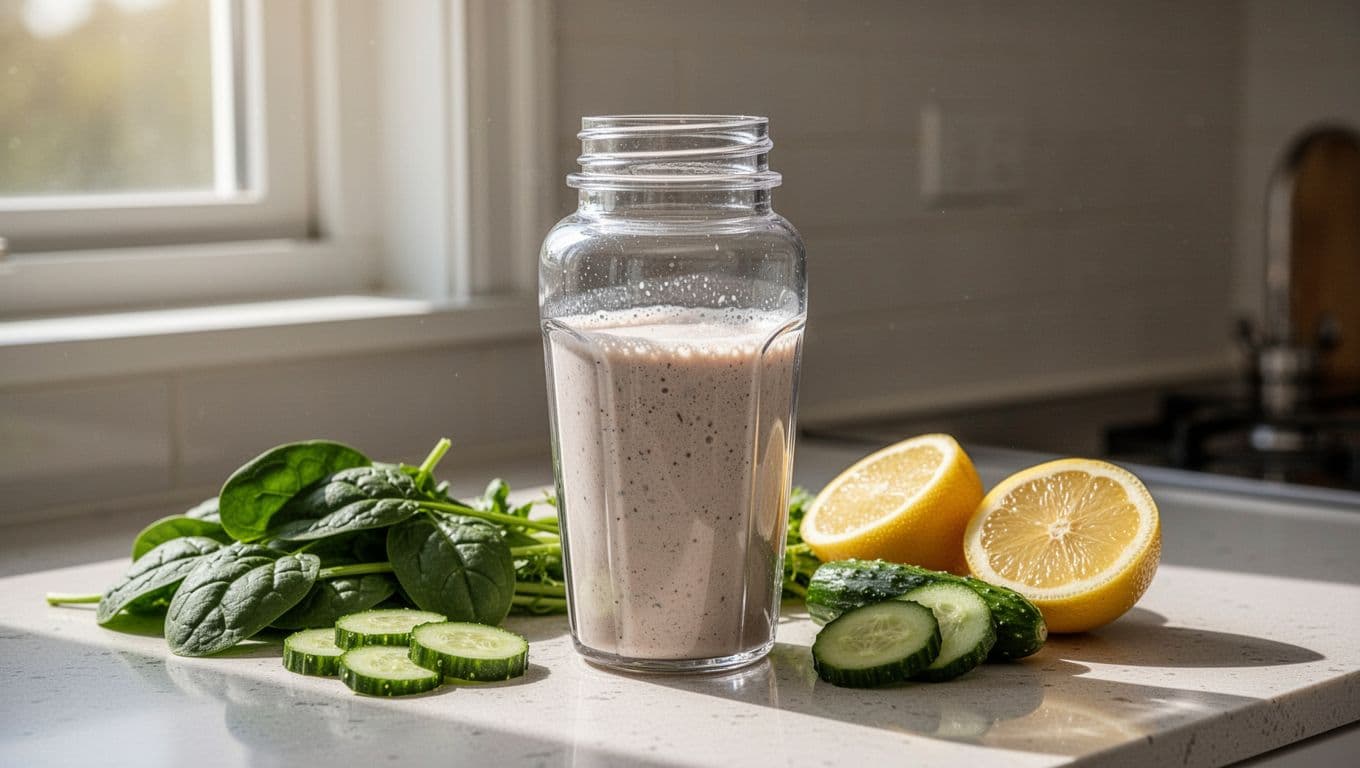
I keep my shakes boring in the best way. No sugar, no calorie creep, just protein and simple add-ins that help me stay full. My easiest shake is one scoop of whey isolate, water, ice, and a handful of spinach. If I want more bulk, I add cucumber or a little cinnamon.
For a thicker option, I blend protein with unsweetened almond milk and ice. If I need a meal-like shake, I pair it with fiber from chia seeds or eat it beside vegetables. That combo helps a lot more than protein alone, especially during a long cut. I also keep a few protein bars ideal for cutting phases on hand for backup.
A few choices make the biggest difference for me:
- Use water or unsweetened milk to keep calories tight.
- Add fiber-rich foods like spinach, cucumber, or berries.
- Track weekly progress, not just daily scale swings.
- Avoid sugary powders, since they waste calories fast.
When I keep it simple, my protein works harder for the cut.
Conclusion
For me, the protein isolate vs concentrate for cutting choice comes down to control. Isolate gives me tighter macros, fewer calories, and easier digestion, so it fits most cuts best. Concentrate still works well when I want better taste, lower cost, and a little more flexibility.
When I am leaning out hard, I want every shake to support the plan without pushing my calories up. That is why I usually pick isolate, especially when I want the cleanest option and the least guesswork. If I want a deeper look at why I keep coming back to isolate, I also revisit whey protein isolate in Atkins shakes.
The best next step is simple, try both, track how you feel, and watch how your body responds over a week or two. If you’ve used either one on a cut, I want to hear what worked for you, because the right pick should make the process feel sharper, steadier, and easier to keep going. Protein isolate vs concentrate for cutting empowers my cut.
You may also find this Nutrition Geeks guide helpful: L Glutamine for Gut Lining Support.
You may also find this Nutrition Geeks guide helpful: Unpacking the Calories: How Many Calories in a Herbalife Shake?.
You may also find this Nutrition Geeks guide helpful: Discover Top Herbalife Products Online for Your Wellness Goals.
You may also find this Nutrition Geeks guide helpful: Understanding Your Herbalife Price Per Month: A Comprehensive Breakdown.
You may also find this Nutrition Geeks guide helpful: Unlock Your Wellness: Exploring the Key Herbalife Formula 1 Benefits.