Disclosure: This post may contain affiliate links, meaning if you decide to make a purchase through my links I may earn a commission at no additional cost to you. See my disclosure for more info.
Back to NutritionGeeks Recipes
In search of raspberry nutrition facts? So, you’re curious about raspberries and what makes them so good for you? It’s not just their bright color and tart-sweet taste. These little berries pack a serious nutritional punch. We’re going to break down the raspberry nutrition facts, looking at what’s inside and how it can help your body. Think of this as your guide to understanding why adding more raspberries to your meals is a smart move.
Raspberry Nutrition Facts Post Key Takeaways
- Raspberries offer a good mix of carbs, protein, and healthy fats, but they really shine with their fiber content.
- These berries are a source of important vitamins like Vitamin C and minerals such as potassium.
- The antioxidants found in raspberries, like anthocyanins, are thought to help protect your cells and may have anti-aging effects.
- Raspberry nutrition facts suggest they could play a role in managing blood sugar and improving how your body uses insulin.
- You can enjoy raspberries fresh, frozen, or dried, and they’re pretty versatile in recipes, but watch your serving sizes.
Understanding Raspberry Nutrition Facts
Raspberries are more than just a sweet treat; they’re packed with good stuff that your body will thank you for. Let’s break down what makes these berries so special.
Explore more NutritionGeeks guides related to wellness, recovery, nutrition and active lifestyle support.
Key Macronutrient Breakdown
When you look at the basic building blocks of food, raspberries are pretty lean. They’re low in calories, which is always a plus. A typical serving, about 80 grams or roughly 20 berries, won’t add much to your calorie count. They contain a small amount of protein and very little fat. The majority of their weight comes from carbohydrates, but don’t let that scare you. A good chunk of those carbs is actually fiber, which we’ll get to.
Essential Vitamins and Minerals
These little red gems are a good source of Vitamin C, which is important for your immune system and skin. They also provide folate, a B vitamin that’s key for cell growth. You’ll find minerals like potassium in them too, which helps with fluid balance and blood pressure.
More NutritionGeeks Wellness Guides
Explore more NutritionGeeks guides connected to wellness, recovery, hydration, energy, sleep and active lifestyle nutrition.
Fiber Content and Its Importance
This is where raspberries really shine. They are loaded with dietary fiber, often more than other fruits. This fiber isn’t just good for keeping things regular; it plays a big role in how your body handles sugar. It helps slow down how quickly sugar gets into your bloodstream, which is great for keeping energy levels steady.
Plus, the fiber in raspberries can help you feel full longer, which might be helpful if you’re watching your weight. It’s a mix of soluble and insoluble fiber, both doing their part to keep your digestive system happy and healthy.
Health Benefits Derived from Raspberry Nutrition
Raspberries are more than just a tasty treat; they pack a serious nutritional punch that can do wonders for your well-being. It’s pretty neat how something so small can have such a big impact.
Blood Sugar Management Support
If you’re keeping an eye on your blood sugar, raspberries are a good friend to have. They have a low glycemic index, meaning they don’t cause sharp spikes in blood sugar. Plus, their high fiber content helps slow down sugar absorption. Some studies even suggest that eating raspberries with fatty foods might help your body respond better to insulin. This is partly thanks to compounds called tannins, which can slow down how your body breaks down starches.
Antioxidant Properties for Cellular Health
These little red berries are loaded with antioxidants. Think of antioxidants as tiny bodyguards for your cells, protecting them from damage caused by unstable molecules called free radicals. This protection is really important for keeping your cells healthy and can play a role in preventing certain diseases. The vibrant color of raspberries often points to the presence of these powerful protective compounds.
Anti-inflammatory Effects for Joint Health
Raspberries contain plant compounds, like anthocyanins, that have anti-inflammatory properties. Inflammation can be a real pain, especially for your joints. Research, mostly from animal studies, suggests that these compounds might help reduce inflammation and could even lessen the symptoms of conditions like arthritis. While more human studies are needed, it’s promising to think that a simple fruit could offer some relief.
Raspberry’s Role in Anti-Aging and Skin Health
It’s pretty cool how something as simple as a raspberry can actually help you look and feel younger. These little berries are packed with compounds that do wonders for your skin, fighting off the stuff that makes us age.
Polyphenols and Their Protective Actions
Raspberries are loaded with these plant compounds called polyphenols. Think of them as tiny bodyguards for your cells. They help shield your skin from damage, which is a big part of why we show signs of aging. These compounds are really good at fighting off free radicals, those unstable molecules that can mess with your cells and speed up the aging process. It’s like giving your skin an extra layer of defense.
Vitamin C for Collagen Production
We all know Vitamin C is good for us, but did you know it’s a key player in keeping your skin firm and elastic? Vitamin C is super important for making collagen, the protein that gives your skin its structure. As we get older, our bodies make less collagen, leading to wrinkles and sagging. Eating raspberries regularly can help support your body’s collagen production, contributing to a more youthful appearance. You can find out more about how fruits like raspberries support your skin by checking out information on vitamin C.
Combating UV Damage and Aging Signs
Those polyphenols we talked about? They’re also great at helping your skin deal with damage from the sun’s UV rays. While they aren’t a replacement for sunscreen, they can help reduce some of the negative effects that sun exposure can have over time. This means fewer wrinkles and a more even skin tone. Basically, raspberries help your skin stay resilient against everyday environmental stressors that contribute to aging.
Here’s a quick look at what makes raspberries so good for your skin:
- Antioxidant Power: Fights off damaging free radicals.
- Collagen Support: Vitamin C aids in producing this vital skin protein.
- UV Protection: Helps mitigate some sun-induced damage.
The combination of antioxidants and vitamins in raspberries works on multiple levels to keep your skin looking its best, helping to maintain its youthful glow and resilience against the elements.
Metabolic Health and Raspberry Consumption
Raspberries are more than just a tasty treat; they play a significant role in supporting metabolic health. Their unique nutritional profile can help your body function more efficiently, especially when it comes to processing energy and maintaining stable blood sugar levels. Incorporating these berries into your diet could be a simple yet effective strategy for better metabolic well-being.
Impact on Insulin Sensitivity
Insulin sensitivity refers to how well your cells respond to insulin, a hormone that helps regulate blood sugar. When your cells are more sensitive to insulin, your body can manage blood glucose levels more effectively. Raspberries, with their high fiber content and lower sugar profile compared to many other fruits, contribute positively to this.
The fiber helps slow down sugar absorption into the bloodstream, preventing sharp spikes and crashes. Studies suggest that compounds found in raspberries may also directly influence pathways that improve insulin response, making your body’s use of glucose more efficient.
This is particularly good news for those looking to maintain healthy blood sugar levels or manage conditions where insulin resistance is a concern. For individuals looking to improve their metabolic markers, red raspberry consumption shows promise.
Weight Management Considerations
When you’re trying to manage your weight, every food choice counts. Raspberries are a fantastic option because they are relatively low in calories but high in volume and fiber. This means you can eat a satisfying portion without consuming a lot of energy.
The fiber content also helps you feel fuller for longer, which can reduce overall calorie intake throughout the day. Furthermore, their natural sweetness can satisfy cravings for something sweet, potentially curbing the desire for less healthy, high-sugar snacks. Think of them as a guilt-free way to add volume and nutrients to your meals and snacks.
Synergy with High-Fat Diet Mitigation
It might seem counterintuitive, but raspberries can actually help mitigate some of the negative effects associated with high-fat diets. Research, particularly in animal models, has shown that raspberries can help balance out some of the metabolic disruptions that occur when consuming a lot of fat.
This doesn’t mean you can eat unhealthy fats freely, but it suggests that the bioactive compounds in raspberries, like polyphenols, might offer a protective effect. They appear to help improve how the body handles fats and sugars, potentially reducing the risk of metabolic issues that can arise from less-than-ideal dietary patterns. This interaction highlights the complex ways food components can influence our health, showing that even small additions like raspberries can make a difference.
The combination of fiber, antioxidants, and other phytonutrients in raspberries works together to support your body’s natural processes for managing energy and maintaining balance. It’s a reminder that whole foods offer a complex package of benefits that go beyond single nutrients.
Bioactive Compounds in Raspberries
Raspberries aren’t just tasty; they’re packed with special compounds that do good things for your body. These aren’t your everyday nutrients like vitamins and minerals, though raspberries have those too. We’re talking about the more complex stuff, the bioactive compounds that give raspberries their extra health punch.
Anthocyanins and Their Potency
You know those vibrant red and purple colors in raspberries? A lot of that comes from anthocyanins. These are a type of flavonoid, and they’re really potent antioxidants. Think of them as tiny protectors for your cells, fighting off damage from free radicals.
This cellular protection is super important for keeping your body running smoothly and can play a role in preventing certain chronic diseases. The concentration of anthocyanins can vary between different raspberry types, but they’re generally a significant component.
Flavonoids and Polyphenolic Richness
Beyond anthocyanins, raspberries boast a wide array of other flavonoids and polyphenols. These plant compounds are known for their antioxidant and anti-inflammatory properties. They work together to combat oxidative stress, which is linked to aging and many health issues.
The sheer variety of these compounds means raspberries offer a broad spectrum of benefits. They’re a great addition if you’re looking to increase your intake of these beneficial plant chemicals, and they contribute to the fruit’s overall health-promoting profile. You can find more information on how these compounds work in various studies.
Essential Fatty Acids Present
It might surprise you, but raspberries also contain essential fatty acids. These are fats your body needs but can’t make on its own. Specifically, raspberries often contain linoleic acid (an omega-6 fatty acid) and alpha-linolenic acid (an omega-3 fatty acid). While the amounts aren’t as high as in, say, fish oil, they contribute to the overall nutritional picture. These fatty acids are important for brain health and can help manage inflammation. It’s just another reason why these little berries are so good for you.
The complex mix of bioactive compounds in raspberries, from colorful anthocyanins to beneficial fatty acids, makes them a nutritional powerhouse. These components work synergistically to support cellular health and offer a range of protective effects.
Incorporating Raspberries into Your Diet
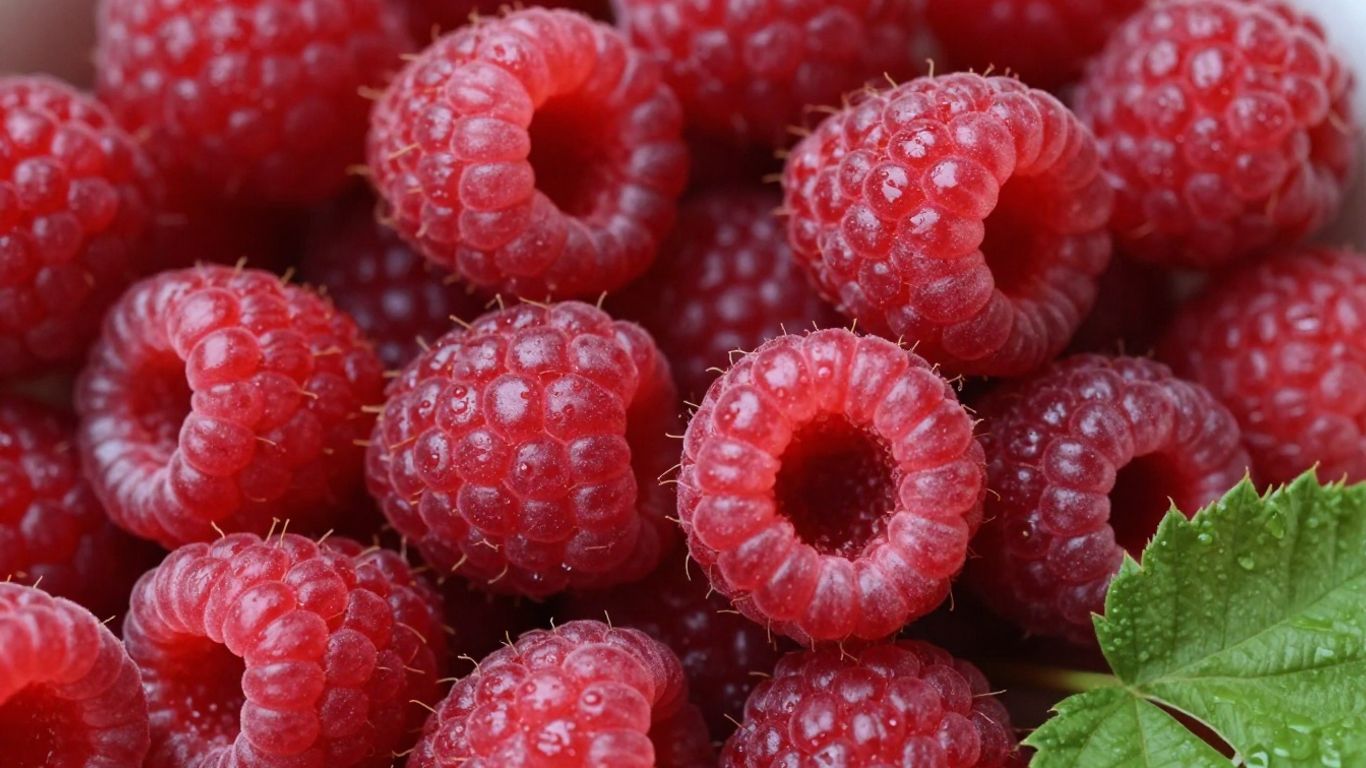
So, you’re convinced raspberries are a nutritional powerhouse and want to start eating more of them? That’s great! The good news is, they’re super versatile and easy to add to just about anything. You don’t need to be a gourmet chef to enjoy their benefits.
Fresh, Frozen, and Dried Options
When it comes to getting your raspberry fix, you’ve got choices. Fresh raspberries are fantastic when they’re in season. They’re delicate, so handle them with care. Just give them a gentle rinse before eating.
But what about when they’re not in season? Don’t worry, frozen raspberries are just as good, nutritionally speaking. They’re picked at their peak and then frozen, locking in all those good nutrients. They’re perfect for smoothies, baking, or even just tossing into yogurt. Sometimes, I just eat them straight from the freezer when I need a quick, cool snack.
Dried raspberries are another option, though they do tend to be a bit sweeter and more concentrated in flavor. Keep an eye on the sugar content if you’re buying them pre-packaged, as some brands add extra sweeteners. They’re great for trail mix or as a crunchy topping.
Culinary Uses and Recipe Ideas
Honestly, the possibilities are almost endless. Here are a few ideas to get you started:
- Breakfast Boost: Sprinkle fresh or frozen raspberries over your morning oatmeal, cereal, or yogurt. Blend them into smoothies for a vibrant color and fruity kick.
- Baking Buddy: Add raspberries to muffins, scones, pancakes, or even cakes. They add a lovely tartness that balances out sweetness.
- Salad Sensation: Toss a handful into green salads for a burst of freshness and color. They pair surprisingly well with nuts and a light vinaigrette.
- Dessert Delight: Top ice cream or cheesecake with a raspberry coulis (just simmer them with a little water and sweetener, then blend). Or, simply enjoy them with a dollop of whipped cream.
Understanding Serving Sizes for Benefits
Getting the most out of raspberries means knowing roughly how much to eat. A standard serving size is often considered about 1 cup, which is roughly 80-100 grams. This amount typically gives you a good dose of fiber, vitamins, and those beneficial antioxidants without adding a lot of calories. Remember, about 20 fresh berries can count as one of your five-a-day. It’s not about eating massive quantities, but rather making them a regular part of your balanced diet. Consistency is key when you’re aiming for those health perks.
Raspberries are a simple way to add a lot of good stuff to your meals. Whether you’re having them in a smoothie, on your toast, or just by the handful, they pack a punch. Don’t overthink it; just enjoy them!
Potential Sensitivities and Considerations
While raspberries are generally a healthy addition to most diets, it’s good to be aware of a few things. Not everyone reacts the same way to foods, and sometimes, even healthy options can cause issues for certain individuals. It’s always wise to listen to your body and consult with a healthcare professional if you have concerns.
Salicylate Content Awareness
Raspberries, like many fruits and vegetables, contain natural compounds called salicylates. For most people, these are perfectly fine and even beneficial. However, a small percentage of the population is sensitive to salicylates. If you experience symptoms like hives, stomach upset, or breathing difficulties after eating salicylate-rich foods, you might be sensitive. It’s not about avoiding them entirely, but perhaps moderating your intake or being mindful of how much you consume at one time. Understanding your personal tolerance is key.
Allergic Reactions and Symptoms
True allergic reactions to raspberries are uncommon, but they can happen. Symptoms can range from mild to severe and might include itching or swelling in the mouth, hives, digestive issues, or even anaphylaxis in rare cases. A related condition, Oral Allergy Syndrome (OAS), can occur where people allergic to certain pollens experience a reaction in their mouth after eating raw fruits like raspberries.
This is often due to cross-reactivity between the pollen and proteins in the fruit. If you suspect an allergy, it’s important to seek medical advice promptly. You can find more information about oral allergy syndrome and its management.
Consulting Healthcare Professionals
Before making significant changes to your diet, especially if you have existing health conditions or are taking medications, it’s a good idea to chat with your doctor or a registered dietitian.
They can help you understand how raspberries fit into your personal nutritional needs and advise on appropriate serving sizes. This is particularly important if you’re managing conditions like diabetes, have a history of food sensitivities, or are pregnant or breastfeeding. They can provide personalized guidance to ensure you’re getting the most benefit without any unwanted side effects.
Conclusion
Raspberries are pretty great, aren’t they? They’re not just a tasty treat, but they pack a good punch when it comes to vitamins and other good stuff for your body. From helping with blood sugar to maybe even fighting off some aging signs, these little berries do a lot.
They’re low in calories and high in fiber, making them a smart choice for most people. Just remember, if you’ve got any weird reactions to fruits, it’s always best to chat with your doctor. But for most of us, adding more raspberries to our diet is a simple and delicious way to boost our health.
Ready to level up and improve your fitness? Check out these super food guides.
Frequently Asked Questions
What nutrients are found in raspberries?
Raspberries have lots of important nutrients. They are low in calories and provide vitamin C, fiber, potassium, and small amounts of protein and healthy fats. They are also full of antioxidants like anthocyanins and polyphenols, which help protect your body.
How can raspberries help with blood sugar control?
Raspberries have a low glycemic index, which means they don’t cause big spikes in blood sugar. Their high fiber content also helps slow down how fast sugar enters your blood. This makes them a good snack for people who need to watch their blood sugar.
Are raspberries good for your skin and aging?
Yes, raspberries can help keep your skin healthy. They have vitamin C, which helps your body make collagen, a protein that keeps your skin firm. Raspberries also have antioxidants that protect your skin from damage caused by the sun and pollution, which can help reduce signs of aging.
Can eating raspberries help with weight management?
Raspberries are low in calories and high in fiber, which helps you feel full longer. This can make it easier to manage your weight because you might eat less at meals and snacks.
Are there any risks or allergies linked to raspberries?
Some people are sensitive to a natural chemical in raspberries called salicylates. This can cause allergic reactions like a rash or swelling. If you notice any strange symptoms after eating raspberries, talk to your doctor.
What are some easy ways to add raspberries to my diet?
You can eat raspberries fresh, frozen, or dried. Add them to yogurt, cereal, salads, or smoothies. You can also bake them into muffins or mix them into oatmeal. About 20 raspberries count as one serving of fruit.
Back to Fuel Energy for Nutrition
You may also find this Nutrition Geeks guide helpful: Best Protein Bars for Runners: Top 6 Tested in 2026.
You may also find this Nutrition Geeks guide helpful: Unlock Radiant Skin: The Science Behind Phytoceramides Cream for Ultimate Hydration.
You may also find this Nutrition Geeks guide helpful: Understanding Gum Recession: How to Get Gums to Grow Back Effectively.
You may also find this Nutrition Geeks guide helpful: Discover the Delicious Benefits of Herbalife Protein Drink Mix.
You may also find this Nutrition Geeks guide helpful: Unlock Your Wellness Journey: Expert Tips & Benefits of Herbalife Products Online.
You may also find this Nutrition Geeks guide helpful: Avocado Seed Benefit Tips.