Disclosure: This post may contain affiliate links, meaning if you decide to make a purchase through my links I may earn a commission at no additional cost to you. See my disclosure for more info.
Thinking about the price of fresh tuna in 2026? It’s a bit of a puzzle, with different things pushing prices up and down. We’ve seen some big swings lately, especially with how much is coming into places like Japan. Plus, there’s always the talk about how we’re fishing and if it’s sustainable. Let’s break down what might be happening with the tuna price.
Key Takeaways
- Global tuna market growth is expected, with fresh and frozen segments showing promise, but challenges like overfishing and changing diets need attention.
- Import volumes, particularly from countries like Mexico into Japan, are significantly impacting the tuna price, showing a recent rebound after a longer decline.
- Consumer interest in healthy eating is boosting demand for fresh tuna, even though it costs more than canned options.
- Sustainability issues and concerns about overfishing could affect the long-term availability and price of tuna.
- While Japan saw a big jump in fresh tuna imports recently, driven by Mexico, the overall trend for Japan’s imports has been downward, with average prices also decreasing.
Global Tuna Market Dynamics in 2026
Projected Market Growth and Value
The global tuna market is looking pretty solid for 2026. We’re seeing steady growth, with projections suggesting the market could reach around $67.5 billion by the end of 2025, and it’s expected to keep climbing. This isn’t just about more fish being caught; it’s about the overall value of the trade increasing. A big part of this is the shift towards higher-value products, like fresh and frozen tuna, which are becoming more popular.
Key Segments Driving Expansion
Several parts of the tuna market are really pushing this growth. The fresh and frozen tuna segments are definitely leading the charge. People are more aware of what they’re eating, and that means more interest in less processed options. Canned tuna is still a big player, especially for convenience, but the demand for higher quality, fresh options is on the rise. We’re also seeing innovation in how tuna is prepared and sold, which helps keep things interesting for consumers.
Explore more NutritionGeeks guides related to wellness, recovery, nutrition and active lifestyle support.
Regional Consumption Trends
When we look at where tuna is being eaten, Europe has historically been a major consumer, particularly of canned varieties. However, consumption is growing across the board. Asia Pacific, North America, and even parts of the Middle East are showing increased demand. This global appetite means that supply chains are getting more complex, and different regions have different preferences, whether it’s for sushi-grade tuna or ready-to-eat meals.
The increasing global demand for tuna, driven by health-conscious consumers and evolving culinary trends, is reshaping the market landscape. While convenience foods like canned tuna remain popular, there’s a noticeable uptick in the preference for fresh and frozen options, indicating a consumer willingness to invest in perceived higher quality and nutritional value.
Helpful Related GuidesMore NutritionGeeks Wellness Guides
Explore more NutritionGeeks guides connected to wellness, recovery, hydration, energy, sleep and active lifestyle nutrition.
L Citrulline vs L Arginine Quercetin and Resveratrol Benefits Together | Which is Better Magnesium Glycinate vs Citrate for Recovery: Which Is Better? Beta Alanine vs Creatine for Runners: Endurance or Power? Hydration Supplements for Endurance Cycling vs Running Electrolyte Powder vs Sports Drink Comparison Electrolyte Tablets vs Powder: Which Is Better? LMNT vs Liquid IV vs Nuun Comparison
Fresh Tuna Price Influences
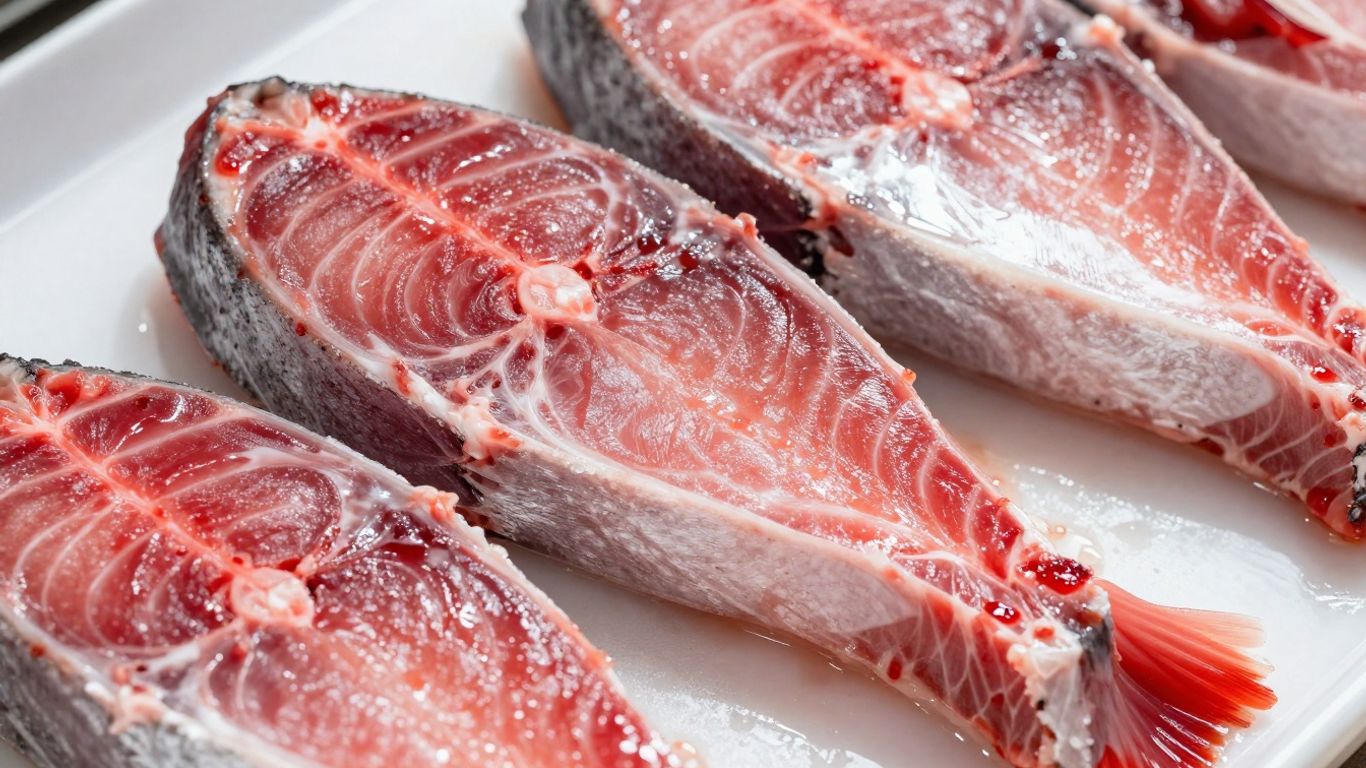
So, what actually makes the price of fresh tuna go up or down? It’s not just one thing, but a mix of different factors that all play a part. Think of it like a balancing act, where shifts in one area can really shake things up elsewhere.
Impact of Import Volumes
The sheer amount of tuna coming into a country has a big effect. If there’s a flood of tuna arriving, especially from major suppliers, prices can drop because there’s just so much available. On the flip side, if import volumes suddenly shrink, maybe due to fishing quotas or issues in exporting countries, that scarcity can drive prices higher. It’s basic supply and demand, really. We saw a pretty wild swing recently where imports to Japan, particularly from Mexico, shot up significantly. This kind of surge can temporarily lower prices, even if the overall trend might be different.
Supply Chain Competition
When multiple companies are all trying to get their hands on the same tuna, whether it’s for processing or selling directly to consumers, competition heats up. This can mean businesses are willing to pay more to secure their supply, pushing prices up. It also means that if one part of the supply chain, like transportation or processing plants, gets bottlenecked, it can create delays and increase costs, which eventually trickle down to the consumer’s wallet. The tuna market isn’t always super diverse in terms of who’s selling what, so a few big players can really influence the game.
Consumer Demand Shifts
What people want to eat matters a lot. Lately, there’s been a noticeable move towards healthier eating, and fresh tuna fits right into that. People are realizing tuna is packed with good stuff like omega-3s and protein, and they’re willing to pay a bit more for it, especially compared to, say, canned tuna. This growing interest in premium, healthy seafood means demand for fresh tuna is generally on the rise. However, there’s also a growing trend towards plant-based diets, which could eventually put a damper on demand for animal protein like tuna. It’s a bit of a tug-of-war between these different consumer preferences.
Japan’s Tuna Market Outlook
Recent Import Rebound Analysis
So, Japan’s fresh tuna imports have been a bit of a rollercoaster lately. After a pretty rough patch over the last five years, where volumes were steadily dropping, we’ve seen a surprising comeback in the last year or so. It’s like the market decided to hit the refresh button. This recent surge is mostly thanks to a big jump in shipments from Mexico. It’s a pretty significant shift, especially when you look at the numbers from late 2024 into late 2025. We’re talking about a solid increase in both the amount of tuna coming in and the money spent on it. This short-term boost is definitely a bright spot, even though the longer-term picture still shows a downward trend.
Mexico’s Dominant Role
When it comes to supplying Japan with fresh tuna, Mexico has really stepped up. They’ve become the main player, accounting for a huge chunk of the imports. Their shipments to Japan have nearly doubled recently, which is pretty wild. This makes Mexico an even more critical partner for Japan’s tuna needs. It’s interesting because, even with this massive increase in volume, the average price Mexico is getting per ton has actually dipped a little. This suggests they’re really focused on volume right now, maybe trying to lock in their market share.
Long-Term Import Trends
Looking beyond the recent excitement, the overall trend for fresh tuna imports into Japan has been a bit gloomy. For years, the volume has been shrinking, and the value has followed suit. This means that while the recent rebound is great news for now, it’s happening against a backdrop of a generally declining market. We’re seeing lower average prices too, which could be a sign of changing consumer preferences or increased competition. It’s a complex situation where a short-term surge is happening within a longer-term downward trajectory. It makes you wonder how sustainable this recent growth really is. For anyone involved in the fresh tuna trade, keeping an eye on these contrasting trends is key.
Here’s a quick look at the recent import figures:
| Period | Value (US$) | Volume (Tons) | YoY Value Growth (%) | YoY Volume Growth (%) |
|---|---|---|---|---|
| LTM (Dec 24 – Nov 25) | $31.95M | 2,126.5 | +33.72 | +47.63 |
| Jan-Nov 2025 | $27.78M | 1,820 | +34.4 | +43.07 |
| 2024 | $24.84M | 1,580 | -45.22 | -28.85 |
And Mexico’s share has been growing:
- LTM (Dec 24 – Nov 25): 74.75% of Japan’s Fresh Tuna imports by value.
- Jan-Nov 2024: 55.9% of Japan’s Fresh Tuna imports by value.
The Japanese market for fresh tuna presents a fascinating dichotomy. While recent import data shows a strong, volume-driven rebound, this is occurring within a broader context of a long-term decline in both import value and volume over the past five years. Mexico’s increasing dominance as a supplier is a key factor in this recent surge, though falling average prices suggest a complex pricing environment.
Factors Affecting Tuna Price
So, what actually makes the price of fresh tuna go up or down? It’s not just one thing, you know. A bunch of different elements are always playing tug-of-war.
Health Consciousness and Premiumization
People are definitely paying more attention to what they eat these days. Tuna, especially fresh tuna, is seen as a healthy choice. It’s packed with good stuff like omega-3s, which are great for your heart. Because of this, folks are willing to spend a bit more for what they consider a premium, good-for-you meal. This trend means that even though canned tuna is cheaper, fresh and frozen varieties are gaining ground, pushing up the overall value of the tuna trade. It’s like, we want the good stuff, and we’re willing to pay for it.
Sustainability Challenges
This is a big one. The oceans aren’t exactly overflowing with tuna like they used to be. Overfishing is a serious problem, and some types of tuna, like yellowfin and bigeye, are really feeling the pressure. When fish stocks get low, it naturally makes them more expensive. Plus, there’s a lot of talk about sustainable fishing practices. Companies that can prove they’re fishing responsibly might charge a bit more, and consumers are starting to look for that. It’s a tricky balance between getting enough fish and making sure there are plenty left for the future. We’ve seen reports about the global skipjack tuna market facing price hikes because of fewer catches and higher fuel costs [96eb].
Overfishing and Management Issues
Building on the sustainability point, how tuna is managed really matters. When fishing isn’t managed well, or when illegal fishing happens, it messes with the supply. This can cause prices to jump around unpredictably. Think about it: if a big fishing area suddenly has restrictions, or if a fleet gets shut down, the amount of tuna available drops, and prices follow suit. It’s a complex web of regulations, international agreements, and on-the-water enforcement that all impacts what we end up paying at the market. The effectiveness of these management systems directly influences the stability and cost of tuna.
The push for healthier eating habits and the desire for higher-quality seafood are definitely boosting the appeal of fresh tuna. However, the industry is wrestling with serious sustainability issues. Overfishing and less-than-ideal management practices are putting a strain on tuna populations, which in turn affects prices and availability. It’s a constant push and pull between consumer demand and the health of our oceans.
Forecasting the Tuna Price Landscape
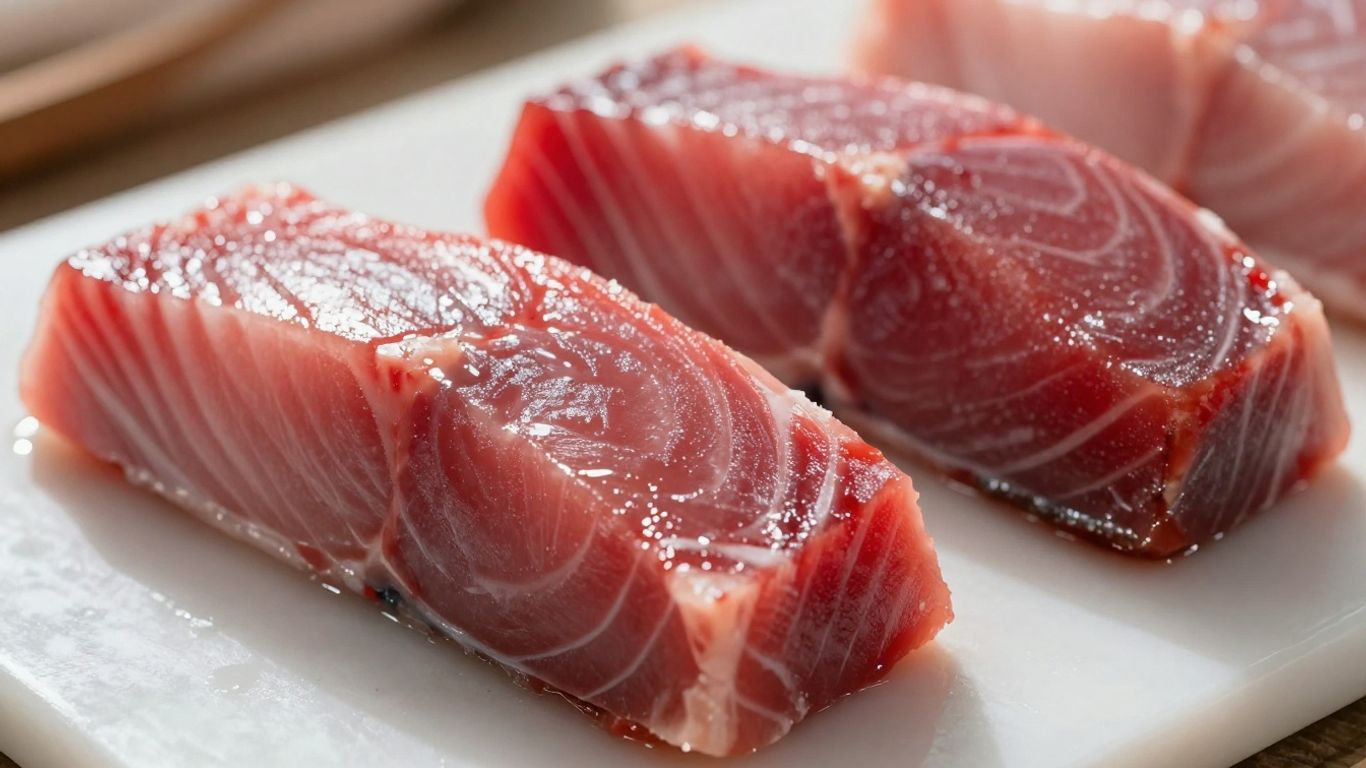
So, what’s the deal with tuna prices heading into 2026? It’s not exactly a crystal ball situation, but we can look at some trends to get a general idea. Things are always shifting, you know? One minute prices are up, the next they’re down. It’s a bit like trying to predict the weather, but with more fish involved.
Short-Term Price Fluctuations
Expect some bumps in the road. We’ve seen some pretty wild swings lately, especially with how much tuna is being imported. For instance, Japan’s fresh tuna imports saw a big jump recently, mostly thanks to Mexico sending a lot more fish their way. This kind of surge can definitely shake things up price-wise in the short term. It’s all about supply and demand, right? When more of something suddenly becomes available, prices can get a little unpredictable.
Average Import Price Trends
Looking at the bigger picture, the average price for imported tuna has actually been on a downward trend over the last few years. Even with that recent import rebound in places like Japan, the average price per ton has dipped a bit. This is a tricky balance. While it might be good for buyers in the short run, it can put pressure on the people actually catching and selling the fish. It makes you wonder how sustainable those lower prices are in the long run.
Future Market Projections
When we look ahead, the global tuna market is expected to keep growing, but probably at a moderate pace. Think steady, not explosive. The overall value of the market is projected to increase, which is good news. However, this growth is happening alongside some serious challenges, like making sure we’re not overfishing and keeping up with sustainability efforts. These factors will definitely play a role in how prices shape up. It’s a complex mix of increasing demand, especially for fresh and frozen options as people get more health-conscious, and the need to manage fish stocks responsibly. Ultimately, while the market is growing, the actual price you pay might not see huge jumps, but it will be influenced by these ongoing sustainability and supply chain dynamics.
Here’s a quick look at how things have been shaping up:
- Recent Import Surge: A notable increase in fresh tuna imports into certain markets, driven by specific exporting countries.
- Price Pressure: Despite increased volumes, the average import price has seen some decline.
- Market Growth: The overall global tuna market value is expected to continue its upward trajectory.
- Sustainability Focus: Environmental concerns and fishing regulations will increasingly impact supply and, consequently, prices.
The interplay between increased global demand for tuna, particularly fresh and frozen varieties, and the ongoing efforts to manage fish populations sustainably creates a complex pricing environment. While market value is projected to rise, short-term price volatility due to import volumes and long-term pressures from conservation efforts will likely keep consumers on their toes.
Key Exporters and Their Impact
When we talk about where fresh tuna comes from, a few countries really stand out. Their ability to supply the market, the prices they offer, and how they adapt to changes all play a big role in what we see on our plates and in our wallets.
Mexico’s Growing Influence
Mexico has been making some serious waves in the fresh tuna market. They’ve shown a really strong increase in their exports, especially to places like Japan. In the last year, their exports saw a significant jump, showing they’re becoming a major player. This growth isn’t just a small bump; it’s a consistent trend that suggests they’re investing in their fishing and export capabilities.
Other Major Supplying Nations
While Mexico is a big name, other countries are also important. Canada, for instance, is a steady supplier, though their export volumes have seen some ups and downs. The USA also contributes, but their export numbers have been declining recently. We also see countries like Norway and Australia making contributions, with Norway, in particular, showing some growth in its export value.
Here’s a look at how some key exporters have performed recently:
| Country | Recent Export Value Change (%) |
|---|---|
| Mexico | +91.2% |
| Norway | +16.5% |
| Australia | +8.7% |
| Canada | -4.6% |
| USA | -31.8% |
It’s interesting to see how these numbers shift. Some countries are really pushing their tuna onto the market, while others are seeing their share shrink.
Competitive Pricing Strategies
Price is always a big factor, right? Different countries approach the market with different pricing. For example, when looking at imports into Japan, the Republic of Korea has often offered some of the lowest average prices. On the other end, the USA has typically commanded the highest prices, suggesting a focus on premium markets or specific types of tuna. These price differences can really influence where buyers decide to source their fish from.
The global tuna trade is a complex web of supply and demand, influenced by everything from fishing quotas to consumer tastes. Exporters who can consistently deliver quality product at a competitive price, while also adapting to sustainability demands, are the ones likely to succeed in the long run. It’s not just about catching fish; it’s about smart business and understanding the market.
These export dynamics are constantly changing. Factors like weather, fishing seasons, and even international trade agreements can impact how much tuna is available and at what cost. Keeping an eye on these major exporters gives us a good idea of what to expect for fresh tuna prices down the line.
Wrapping Up the Tuna Talk
So, what does all this mean for fresh tuna prices in 2026? It’s a bit of a mixed bag, honestly. We’ve seen some surprising ups and downs lately, especially with imports bouncing back in certain areas, largely thanks to Mexico. This could mean more options and maybe even some competitive pricing, particularly if you’re looking for good value or something a bit special. But, it’s not all smooth sailing. The overall trend for tuna imports has been heading down for a while, and prices have been dropping too. This means businesses need to be smart about how they operate and what they offer to stay profitable. It’s a market that’s always changing, so keeping an eye on these trends will be key for anyone involved.
Frequently Asked Questions
Will the price of fresh tuna go up or down in 2026?
It’s a bit complicated! While the overall trend for fresh tuna imports into Japan has been going down over the last few years, there was a big jump in imports recently. This recent increase was mostly because Mexico sent a lot more tuna. Because of this, predicting the exact price is tricky. Sometimes prices go up when there’s a lot of demand or less supply, and sometimes they go down if there’s a lot of fish available or less demand. We’ll have to watch how these different factors play out in 2026.
What is making the price of tuna change?
Several things can affect tuna prices. How much tuna is being imported into a country plays a big role. If lots of companies are trying to sell tuna, they might lower their prices to compete. Also, what people want to buy matters a lot. If more people want to eat fresh tuna because they think it’s healthy, the price might go up. On the other hand, if people are worried about too much fishing, that could also change things.
Why is Mexico sending so much tuna to Japan?
Mexico has become a really important supplier of fresh tuna to Japan lately. In the last year or so, Mexico sent almost double the amount of tuna it used to. This means Mexico is now the main country sending fresh tuna to Japan. This big increase from Mexico is a major reason why Japan’s total tuna imports have gone up recently, even though the overall trend has been downwards.
Are there concerns about catching too much tuna?
Yes, definitely. Some types of tuna are being caught so much that there aren’t enough left in the ocean. This is called overfishing, and it’s a big problem because it can harm the ocean’s health. Scientists and governments are trying to manage fishing better to make sure there are enough tuna for the future.
Is fresh tuna good for you?
Tuna is considered very healthy! It’s packed with good stuff like protein, which helps build your body, and omega-3 fatty acids. These fats are good for your heart and brain. Many doctors suggest eating tuna because it can help with heart health and even help you manage your weight.
What kind of tuna is most popular?
Globally, skipjack tuna is the most caught and used type of tuna. It’s often used for canned tuna. However, when people talk about fresh tuna for sushi or high-end meals, tuna like bluefin, yellowfin, and bigeye are very popular, even though they are caught less often and can be more expensive.
You may also find this Nutrition Geeks guide helpful: Herbalife Products Price Guide: What to Expect in 2026.
You may also find this Nutrition Geeks guide helpful: Mastering Your Workouts: A Deep Dive into the Concept2 RowErg.
You may also find this Nutrition Geeks guide helpful: Understanding the Herbalife Membership Package: What’s Inside and How to Get Yours.