Disclosure: This post may contain affiliate links, meaning if you decide to make a purchase through my links I may earn a commission at no additional cost to you. See my disclosure for more info.
Making a vegan brisket that actually tastes good, even to people who love meat, might sound tricky. But honestly, it’s totally doable. This recipe breaks down how to get that hearty, savory flavor and satisfying texture without any animal products. We’re talking about a plant-based version of a classic that can seriously impress at any gathering, from a casual BBQ to a holiday dinner. Get ready to discover how to create a showstopper vegan brisket that everyone will be asking for seconds of.
Key Takeaways
- The foundation of a great vegan brisket relies on vital wheat gluten, mixed with other dry ingredients to form a dough.
- Achieving the right texture involves careful kneading and allowing the dough to rest before shaping.
- A flavorful braise is key, using liquids and aromatics to infuse the vegan brisket with deep savory notes.
- Basting and slow cooking help develop a tender interior and a delicious crust on the outside.
- Resting the vegan brisket before slicing is important for a firmer texture, making it easier to cut and serve.
Crafting The Perfect Vegan Brisket Base
Alright, let’s get down to business. Making a killer vegan brisket starts with the foundation – the base. This isn’t just about throwing some stuff in a bowl; it’s about understanding what makes seitan, the star of our show, tick.
Understanding Vital Wheat Gluten
Vital wheat gluten is the magic ingredient here. It’s basically the protein from wheat flour, and when you mix it with liquid, it gets all stretchy and doughy. This is what gives our vegan brisket that satisfying, chewy texture that mimics traditional brisket. If you’re new to this, think of it as the building block for all things seitan. There really isn’t a good substitute if you want that classic ‘meaty’ feel, so make sure you grab some.
Explore more NutritionGeeks guides related to wellness, recovery, nutrition and active lifestyle support.
Achieving The Right Dough Consistency
Getting the dough right is super important. You want it to be firm but pliable, not too sticky and not too dry. It should feel strong and a bit stringy when you’re done mixing. Too wet, and it’ll be mushy; too dry, and it’ll be tough and crumbly. You’re aiming for a dough that holds its shape well.
Here’s a general idea of what you’re working with:
More NutritionGeeks Wellness Guides
Explore more NutritionGeeks guides connected to wellness, recovery, hydration, energy, sleep and active lifestyle nutrition.
| Ingredient Type | Purpose |
|---|---|
| Vital Wheat Gluten | Provides the chewy, meaty texture |
| Nutritional Yeast | Adds a savory, cheesy depth |
| Chickpea Flour | Helps bind and adds a bit of tenderness |
| Flavor Powders | For the savory base notes (see below) |
| Liquid Binder | Hydrates the gluten and brings it together |
Incorporating Flavorful Powders
This is where we start building that deep, savory flavor right into the base. Don’t just rely on the braise or sauce later; get some good stuff in the dough itself. Think garlic powder, onion powder, smoked paprika, and maybe a touch of cumin. You want these to be actual powders, not granules, so they mix in smoothly and don’t create little hard bits in your dough. This initial flavor infusion makes a huge difference down the line.
The goal is to create a base that’s already packed with flavor before it even hits the braising liquid. This layered approach is key to making a vegan brisket that stands up to its meaty counterpart.
Mastering The Vegan Brisket Braise
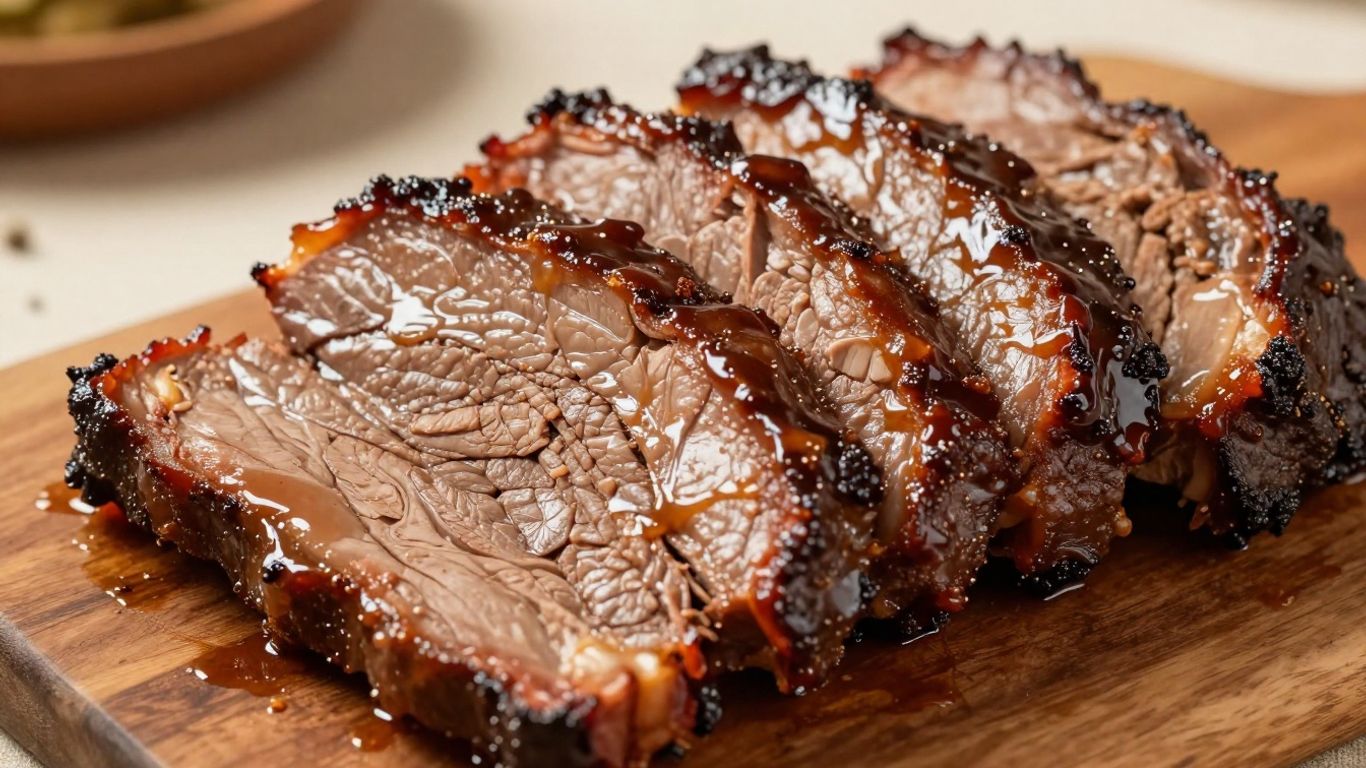
Alright, so you’ve got your seitan base all prepped and ready to go. Now comes the part that really makes it taste like, well, brisket: the braise. This isn’t just about cooking it; it’s about infusing it with deep, savory flavors and getting that perfect tender texture. Think of it as giving your vegan brisket a spa treatment, but with way more delicious liquids.
Selecting The Ideal Braising Liquid
The braising liquid is where the magic happens. It’s your chance to build layers of flavor that soak right into the seitan. You want something rich and complex. A good starting point is a mix of vegetable broth, soy sauce or tamari for that umami punch, a splash of vegan Worcestershire sauce, some tomato paste for depth, and maybe a bit of red wine or dark beer if you’re feeling fancy. Don’t forget aromatics like garlic, onion, bay leaves, and some herbs like thyme or rosemary. The goal is a liquid that’s flavorful enough to stand up to the seitan but not so overpowering that it masks everything else.
The Art Of Slow Cooking
Slow cooking is key here. You’re not trying to rush this process. The seitan needs time to absorb all those wonderful flavors from the braising liquid and to become wonderfully tender. A low and slow approach in the oven, typically around 300-325°F (150-160°C), for a good couple of hours is usually the sweet spot. You want the liquid to be gently bubbling, not boiling furiously. This gentle cooking prevents the seitan from drying out and helps it achieve that melt-in-your-mouth quality.
Achieving A Flavorful Crust
While the inside gets tender, we also want a nice crust on the outside. This often happens naturally during the braising process, especially if you uncover the brisket for the last 30 minutes or so. Some people like to finish their braised brisket under the broiler for a few minutes, watching it very carefully, to get an even deeper char. Another trick is to baste the brisket frequently with the braising liquid during the last hour of cooking. This builds up layers of flavor and helps create a slightly caramelized exterior.
The braising liquid should come about halfway up the side of your seitan. You don’t want to completely submerge it, as this can make it harder to develop that desirable crust. Check the liquid level periodically and add more broth or water if it gets too low.
Elevating Your Vegan Brisket With Sauces And Rubs
Everyone talks about the base of the brisket, but if you want yours to stand out, the secret is in how you finish it. Building the right layers of sauce and spice makes the difference between just a block of seitan and a show-stopping main dish that even die-hard meat lovers will return for. Let’s break down how to nail these final steps.
Creating A Savory Brisket Sauce
A good brisket sauce shouldn’t just be sweet or smoky—you want complexity. For vegan brisket, I like blending ketchup, soy sauce, molasses, Dijon mustard, liquid smoke, and a little garlic together. Add brown sugar or coconut sugar for a touch of sweetness and simmer it all for a few minutes to bring the flavors together.
Quick Savory Vegan Brisket Sauce Recipe
| Ingredient | Amount |
|---|---|
| Ketchup | 1 cup |
| Soy Sauce | 2 tbsp |
| Coconut Sugar | 1/2 cup |
| Liquid Smoke | 1 tsp |
| Dijon Mustard | 1 tbsp |
| Red Wine Vinegar | 1 tbsp |
| Garlic Powder | 1 tsp |
Just blend, taste, and adjust. You want it punchy and just tangy enough that it wakes up the palate, a bit like the bright citrus notes found in some easy Asian-inspired smoked brisket recipes.
Developing A Punchy BBQ Rub
After baking and maybe even before grilling your seitan brisket, you’ll want a dry rub. This isn’t just for flavor—it helps create a crust and boosts the texture.
- 2 tbsp smoked paprika
- 1 tbsp brown sugar
- 1 tbsp garlic powder
- 1 tbsp onion powder
- 1 tsp ground cumin
- 1 tsp black pepper
- 1 tsp kosher salt
Mix everything in a jar and shake it up. Pat the brisket dry, then use your hands to massage this mix all over. Sometimes, I sprinkle on a bit of cayenne when making it for myself, because I like an extra kick.
The Role Of Sweeteners In The Sauce
Sweeteners are more important than people realize. They pull the sauce together, balance salty and tangy notes, and help with caramelization when you baste.
• Coconut sugar gives a deeper flavor, but brown sugar is classic.
• Don’t use too much; the sauce should be thick, not syrupy.
• A little goes a long way, especially when basting during baking or grilling.
When in doubt, start with less sweetener, then taste and add more if you need it. Brisket sauce should always complement—it shouldn’t drown out the main flavors.
So, don’t skip the sauce and rub steps, even if you’re in a rush. They’re fast to whip up but totally transform how people remember your vegan brisket.
Baking And Finishing Your Vegan Brisket
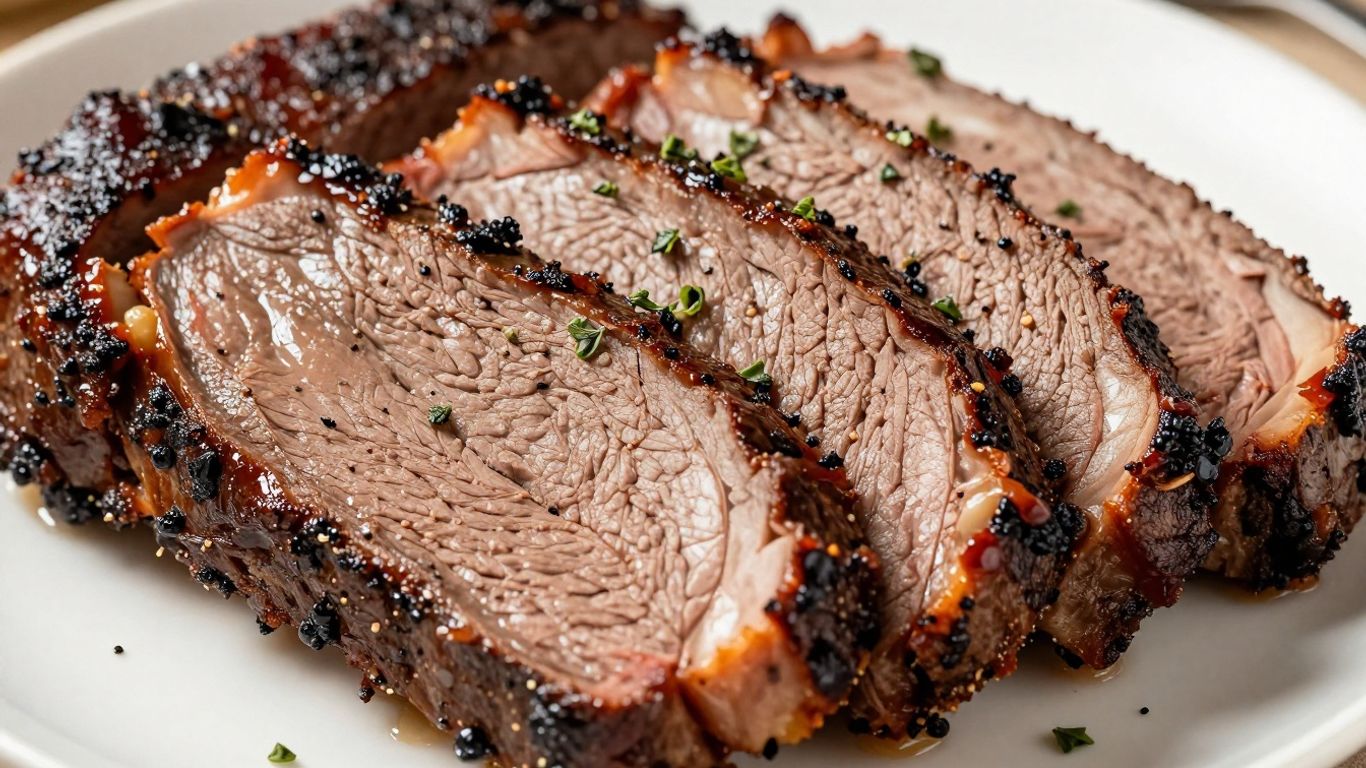
Alright, so you’ve got your seitan shaped and it’s ready for its close-up in the oven. This is where the magic really happens, turning that doughy base into something that looks and feels like the real deal. It’s not just about cooking it through; it’s about building those layers of flavor and getting that perfect texture.
Preparing The Baking Dish
Before your brisket even sees the oven, get your baking dish ready. A little something on the bottom can make a big difference. Some folks like to put a bit of the braising liquid or even a touch of olive oil down there. This helps keep things from sticking, sure, but it also adds another layer of flavor as the brisket cooks. If you’re using a casserole dish, make sure it’s big enough so the brisket isn’t all crammed in. Sometimes, using two smaller oval dishes works great, especially if you want to freeze one for later.
The Flipping Technique For Even Cooking
This is probably the most important part of the baking process. You’re going to want to flip that brisket. Why? To make sure it cooks evenly on all sides and gets that nice crust developing. Most recipes suggest flipping it about halfway through the cooking time. When you flip it, it’s a good time to give it another brush or pour of that delicious braising liquid. This keeps it moist and adds more flavor.
Here’s a general idea of the timing:
- Initial Bake: Cook for about 20-30 minutes.
- First Flip & Baste: Carefully flip the brisket, spoon over more braising liquid, and continue baking.
- Subsequent Flips: Depending on your recipe, you might flip and baste every 15-20 minutes for the next hour or so.
Keep an eye on it. You’re looking for a firm texture and a nice browning on the outside.
Achieving The Perfect Texture Through Basting
Basting is your best friend here. It’s what keeps the vegan brisket from drying out and helps build up that savory, slightly caramelized exterior. Every time you flip it, take advantage of that moment to spoon some of the braising liquid back over the top. Don’t be shy with it! This liquid is packed with all the good stuff you added earlier – the soy sauce, the spices, maybe some molasses or liquid smoke. It’s like giving your brisket a flavor bath.
The goal is a brisket that’s tender on the inside but has a satisfyingly chewy, slightly crisp exterior. The repeated basting and flipping are key to getting this balance just right. It takes a little patience, but the payoff is huge.
Think of it as a continuous process of flavor infusion. The longer it bakes and the more you baste, the deeper those flavors will penetrate, and the better that crust will become. You’ll know it’s getting close when the liquid in the pan starts to thicken and reduce, coating the brisket beautifully.
Serving And Slicing Your Vegan Brisket
Alright, you’ve put in the work, and now it’s time for the grand finale: serving and slicing your amazing vegan brisket. This is where all those hours of simmering and basting really pay off. Don’t rush this part; a little patience now makes a huge difference in the final presentation and taste.
Seriously, don’t skip this. After it comes out of the oven, you need to let your vegan brisket rest for at least 20 to 30 minutes. I know, I know, it smells incredible, and you want to dive right in. But trust me, this resting period is key. It allows the juices to redistribute throughout the loaf, making it more tender and easier to slice. If you cut into it too soon, it can be crumbly and fall apart, which is just sad.
Once your brisket has had a good rest, it’s time to slice. The goal here is to get nice, even slices that show off all that hard work. For the best results, you want to slice against the grain. This is a technique usually used for meat, but it works wonders for seitan too, helping to break down those gluten strands for a more tender bite. Aim for slices about a quarter-inch thick, or even thinner if you’re feeling fancy. If you want super-thin, deli-style slices, you can even pop the brisket in the freezer for about 30 minutes before slicing. This firms it up just enough to make it manageable for a sharp knife, a mandoline, or even a meat slicer if you’re lucky enough to have one.
Here’s a quick rundown for slicing:
- Let it rest: Minimum 20-30 minutes.
- Find the grain: Look for the direction the gluten strands are running.
- Slice against the grain: Use a sharp knife or slicer.
- Aim for thin: About 1/4 inch or less for best texture.
If you’re making sandwiches, thinner is definitely better. Think almost see-through! It makes them so much easier to eat and lets the flavors really shine.
Now for the fun part – eating! Your vegan brisket is incredibly versatile. It’s fantastic on its own, especially with a drizzle of your favorite BBQ sauce or a side of that savory sauce you made earlier. It also pairs wonderfully with classic BBQ sides like creamy coleslaw, baked beans, or potato salad. For a heartier meal, serve it alongside some roasted vegetables or vegan mashed potatoes. And of course, don’t forget the sandwiches! Pile those thin slices high on some good bread with some pickles and onions for a truly satisfying meal. You can even serve it with classic vegan sides for a complete feast.
Here are a few ideas to get you started:
- Sandwiches: Load up on toasted buns with your favorite toppings.
- Platter Style: Serve with a trio of sides like mac and cheese, cornbread, and a green salad.
- Hearty Meal: Pair with roasted root vegetables and a rich gravy.
So, There You Have It!
Making this vegan brisket might seem like a lot at first, but honestly, it’s pretty straightforward once you get going. You’ve got this amazing, flavorful centerpiece that’s going to impress everyone, whether they’re vegan or not. It’s proof that you don’t need meat to have a seriously satisfying meal. So go ahead, give it a try for your next get-together. I bet you’ll be surprised at how well it turns out, and how many people ask for the recipe. Happy cooking!
Frequently Asked Questions
What is vegan brisket made of?
Vegan brisket is usually made from vital wheat gluten, which is like the protein part of wheat. It’s mixed with other ingredients to create a dough that can be shaped and cooked to have a texture similar to meat. Think of it as a plant-based version of a hearty roast.
Can I make this without vital wheat gluten?
Vital wheat gluten is what gives vegan brisket its chewy, meat-like texture. Unfortunately, there isn’t a great substitute if you want that specific feel. If you can’t have gluten, you might need to look for a different type of vegan roast recipe.
How do I get the brisket to be tender and not tough?
The key to a tender vegan brisket is in the cooking process. Slow cooking or braising it in flavorful liquids helps a lot. Also, letting it rest after baking is super important, just like with real meat, so it doesn’t fall apart when you slice it.
What’s the best way to get a good crust on the brisket?
You can get a nice crust by baking it uncovered towards the end of the cooking time. Brushing it with sauce or oil and letting it get a little caramelized in the oven or even on a grill can give it that delicious, slightly crispy exterior.
Can I make vegan brisket ahead of time?
Yes, you absolutely can! Many people find that vegan brisket tastes even better the next day after the flavors have had more time to meld together. Just store it in an airtight container in the fridge and reheat it gently.
What are good side dishes for vegan brisket?
It goes great with classic comfort foods! Think creamy mashed potatoes, roasted vegetables, a fresh salad, or even some vegan mac and cheese. If you’re going for a BBQ vibe, coleslaw and baked beans are fantastic choices.
You may also find this Nutrition Geeks guide helpful: Understanding the Herbalife Shake Price in India: A Comprehensive Guide.
You may also find this Nutrition Geeks guide helpful: Discover the Full Range of Herbalife Products for Your Wellness Journey.
You may also find this Nutrition Geeks guide helpful: Quick & Zesty Garlic and Lemon Shrimp Pasta Recipe.
You may also find this Nutrition Geeks guide helpful: Unlock Your Vitality: The Power of Herbal Life Energy Tea.
You may also find this Nutrition Geeks guide helpful: Unveiling the Powerful Bitter Leaf Benefits for Your Health.
You may also find this Nutrition Geeks guide helpful: Unlock Your Fertility: Effective Natural Ways to Boost Ovulation.