Disclosure: This post may contain affiliate links, meaning if you decide to make a purchase through my links I may earn a commission at no additional cost to you. See my disclosure for more info.
Lately, I’ve been trying to make more meals that are good for everyone, and this vegetarian udon recipe has been a big hit. It’s light but has so much flavor, and it’s something we can all agree on. The best part is how easy it is to change things up with whatever you have. I’ll show you how I put this noodle soup together.
Key Takeaways
- This vegetarian udon recipe is quick and easy, perfect for a weeknight meal.
- The base of the dish is a flavorful vegan dashi broth, bringing authentic Japanese taste.
- Mushrooms are key for adding a savory, umami depth to the dish.
- Udon noodles offer a satisfyingly chewy texture that holds up well in soup.
- The recipe is highly customizable with various vegetables and protein options.
Why You’ll Love This Vegetarian Udon
This vegetarian udon recipe is a real winner for so many reasons. It’s the kind of meal that feels both comforting and light, and it’s packed with flavor without being heavy. Honestly, it’s become a go-to in my kitchen, and I think you’ll see why.
A Flavorful Vegan Dashi Broth
The secret to truly delicious udon, even without meat or fish, is a good broth. We’re using a vegan dashi here, made from kombu (kelp) and dried shiitake mushrooms. This combination creates a deep, savory umami flavor that’s surprisingly rich. It’s a simple step that makes a huge difference, giving the soup a complex taste that you just can’t get from a basic vegetable broth. It’s a game-changer for anyone exploring plant-based diets Explore global plant-based diets.
Explore more NutritionGeeks guides related to wellness, recovery, nutrition and active lifestyle support.
Light Yet Incredibly Flavorful
Don’t let the simplicity fool you; this dish is bursting with taste. The combination of the savory broth, the chewy udon noodles, and the fresh toppings creates a really satisfying experience. It’s the kind of meal that warms you up from the inside out, perfect for a chilly evening or a quick lunch. You get all the satisfaction of a hearty meal without feeling weighed down afterwards.
Simple Steps for a Quick Meal
One of the best things about this recipe is how fast it comes together. You can have a delicious bowl of udon on the table in under an hour, often much less. The process is broken down into easy steps: prepare the broth, quickly cook your chosen vegetables, and then assemble everything with the noodles. It’s straightforward enough for even beginner cooks.
More NutritionGeeks Wellness Guides
Explore more NutritionGeeks guides connected to wellness, recovery, hydration, energy, sleep and active lifestyle nutrition.
Versatile Topping Options
This recipe is wonderfully flexible. You can swap out vegetables based on what you have in your fridge or what’s in season. Some popular choices include:
- Mushrooms (shiitake, cremini)
- Leafy greens (bok choy, spinach)
- Tofu (fried or baked)
- Carrots
- Broccoli
This adaptability means you can make this dish again and again without it ever getting boring. It’s a great way to use up leftover veggies too!
The beauty of this udon is its ability to be customized. Whether you’re adding extra greens or a different protein, it always turns out delicious. It’s a forgiving recipe that encourages creativity in the kitchen.
Key Ingredients for Delicious Vegetarian Udon
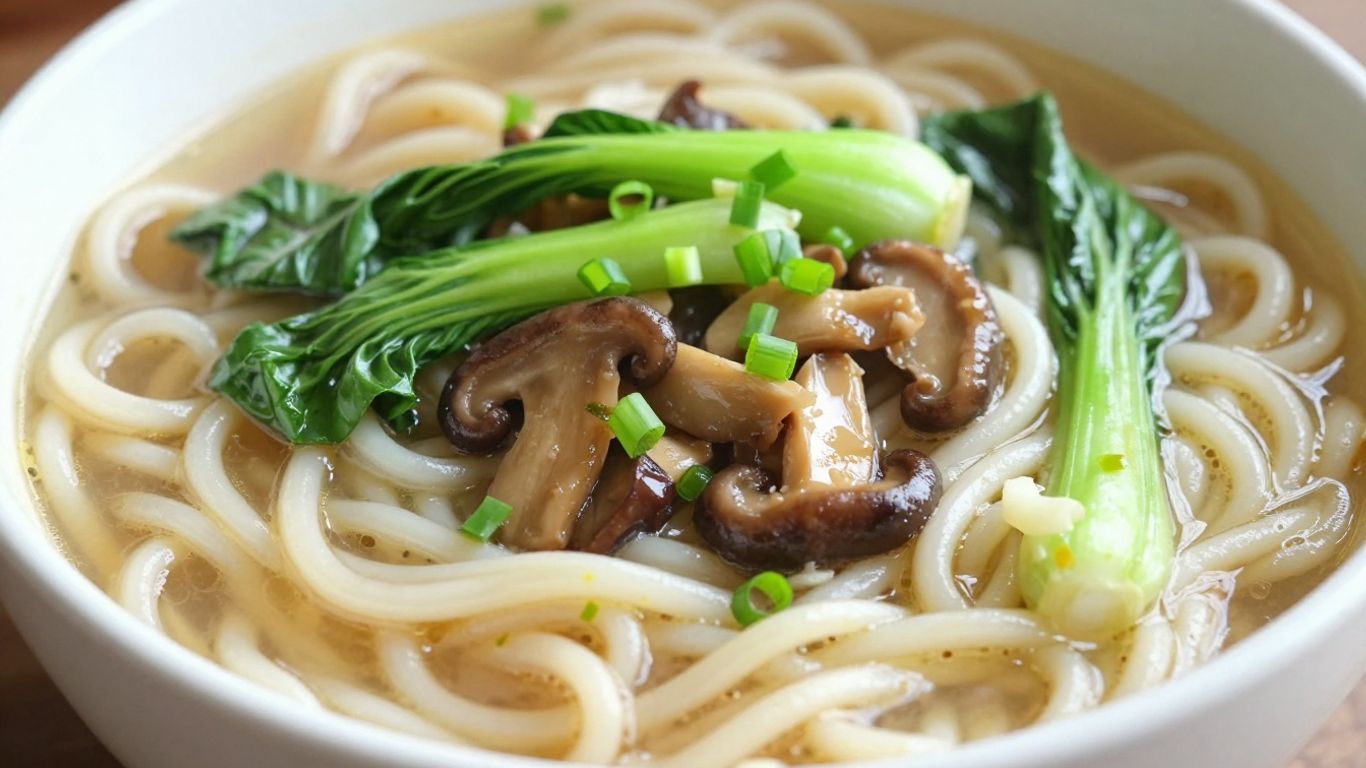
Alright, let’s talk about what makes this vegetarian udon recipe really sing. It’s not just about throwing noodles in a bowl; it’s about building layers of flavor with the right components. Getting these key ingredients right is half the battle, and honestly, it makes the whole process so much easier and the end result way more satisfying.
The Importance of Vegan Dashi
Forget your standard vegetable broth for a moment. We’re aiming for something with a bit more depth, and that’s where dashi comes in. Traditionally, dashi uses fish flakes (katsuobushi) and kombu (kelp), but we’re making a vegan version. This means relying on kombu and dried shiitake mushrooms. These two powerhouses create a subtle, savory base that’s packed with umami. It’s the foundation of authentic Japanese flavor, and it makes a world of difference. You can make a batch ahead of time, too, which is always a win in my book. It’s pretty simple to whip up a batch of vegan dashi using just these two ingredients.
Sweet and Savory Minced Mushrooms
Mushrooms are little flavor sponges, aren’t they? For this recipe, we’re mincing dried shiitake mushrooms (after rehydrating them for the broth, of course!) and then simmering them with seasonings. This creates a wonderfully savory topping that adds texture and a concentrated mushroom flavor. It’s a great way to use the mushrooms fully and avoid waste. You can also add fresh mushrooms, like cremini or king oyster, to bulk it up even more. The goal is to get them nice and tender with a rich, savory taste.
Choosing the Right Udon Noodles
Not all udon noodles are created equal, and I learned this the hard way. For this recipe, I really like using pre-cooked, shelf-stable udon noodles. They’re super convenient – just a quick dip in hot water and they’re ready to go. This means you can have a delicious meal on the table in no time. Look for brands that are organic and have a good texture. If you can find frozen Sanuki udon, those are fantastic too, known for their chewy texture. The key is finding noodles that are thick, chewy, and hold up well in the broth without getting mushy.
Crafting Your Vegetarian Udon
Putting together this udon noodle bowl is simpler than you might think. It’s all about building layers of flavor and texture. We’ll start with the base, then move on to the fresh components, and finally, bring it all together.
Preparing the Savory Broth
The heart of any good udon soup is its broth. For our vegetarian version, we’re leaning on a deeply flavorful vegan dashi. This isn’t just plain water; it’s a carefully simmered blend that brings out the best in Japanese cooking.
Here’s a quick rundown on getting that dashi just right:
- Start with quality ingredients: Use dried kombu (kelp) and dried shiitake mushrooms. These are the powerhouses of umami.
- Soaking is key: Give them time to soak in cold water. An hour is good, but overnight in the fridge is even better for a richer flavor.
- Gentle simmering: Heat the soaking liquid gently. Just before it boils, remove the kombu to avoid any bitterness. Let the shiitakes simmer for a bit longer.
- Strain and season: Once simmered, strain the broth. You can add a splash of soy sauce or tamari for extra depth, but taste it first – the mushrooms and kombu already provide a lot of savory goodness.
Stir-Frying Vegetables to Perfection
While the broth simmers, let’s get our vegetables ready. The goal here is to cook them until they’re tender-crisp, retaining their color and a bit of bite. This adds a lovely contrast to the soft noodles and broth.
- Mushrooms: We’re mincing mushrooms finely to give them a meaty texture. Sauté these with a bit of soy sauce and perhaps a touch of sesame oil until they’re nicely browned and their liquid has reduced. This concentrates their flavor.
- Greens: Quick-cooking greens like bok choy or spinach can be added right at the end, or even blanched separately. They just need a minute or two to wilt.
- Other Veggies: If you’re adding heartier vegetables like carrots or broccoli, cut them small and give them a head start in the pan before adding quicker-cooking items.
Assembling Your Noodle Bowl
This is the fun part – bringing all the elements together. It’s like painting a delicious picture!
- Warm the noodles: Cook your udon noodles according to package directions. If you want to keep your broth super clear, cook them in a separate pot of water and then drain them well.
- Build the base: Place a generous portion of the cooked udon noodles into your serving bowls.
- Ladle the broth: Pour the hot, savory dashi broth over the noodles. Make sure there’s enough to generously cover them.
- Add the toppings: Artfully arrange your stir-fried vegetables, minced mushrooms, and any other desired toppings (like fried tofu or a sprinkle of green onions) on top of the noodles and broth.
The final presentation makes the meal feel extra special. Serve immediately and enjoy the comforting warmth and complex flavors.
Customizing Your Vegetarian Udon

Vegetable Substitutions
This recipe is super flexible, which is one of the best parts about it. Don’t have bok choy? No problem. You can swap out the vegetables for whatever you have in your fridge. Think about what you like and what cooks relatively quickly. Some good options include:
- Zucchini or Yellow Squash: Slice them up and they’ll cook down nicely.
- Broccoli Florets: These add a nice crunch and color.
- Carrots: Slice them thinly so they soften up.
- Spinach or Kale: These leafy greens wilt down quickly right at the end.
- Bell Peppers: Any color will do, just slice them into strips.
Remember that some vegetables, like potatoes or sweet potatoes, will take longer to cook. If you use those, you might want to add them to the broth earlier to make sure they’re tender.
Protein Boosts
While the mushrooms add a nice texture, sometimes you want a bit more protein in your bowl. Here are a few ideas:
- Crispy Tofu: Cube some firm or extra-firm tofu, toss it with a little cornstarch, and pan-fry or bake until golden and crispy. It adds a great texture contrast.
- Edamame: Shelled edamame can be tossed in at the last minute for a pop of green and protein.
- Tempeh: Crumble or cube tempeh and pan-fry it until browned. It has a firmer texture than tofu.
- Hard-Boiled Eggs: While not strictly vegan, if you’re making this vegetarian and not vegan, a sliced hard-boiled egg is a simple addition.
Flavor Enhancements
Want to take your udon to the next level? A few simple additions can make a big difference.
- A Splash of Chili Oil: For a bit of heat, drizzle some chili oil over the top just before serving.
- Toasted Sesame Seeds: Sprinkle these on for a nutty flavor and a bit of crunch.
- Fresh Herbs: Chopped scallions (green onions) or cilantro add a burst of freshness.
- A Squeeze of Lime or Lemon: A little citrus can brighten up all the flavors.
- Miso Paste: Stirring a tablespoon or two of miso paste into the broth at the end (don’t boil it!) adds another layer of savory depth.
Don’t be afraid to experiment! The beauty of this udon dish is its adaptability. Taste as you go and adjust seasonings to your liking. What works for one person might be slightly different for another, and that’s perfectly okay.
Tips for the Best Vegetarian Udon
Achieving the Perfect Sauce Consistency
Hitting just the right balance in your udon broth or sauce means everything for taste. Here are a few tricks that make all the difference:
- Let kombu and dried shiitake steep in water for at least 30 minutes. Overnight in the fridge is even better for maximum umami.
- Always remove kombu right before things boil—if you leave it, the broth gets thick and almost slimy.
- If your soup tastes too strong or salty, add a little water and taste as you go. Broths can sneak up on you!
I spent ages playing with kombu soaking times—leaving it in too long once made my whole pot taste muddy. A little experimenting goes a long way with broth.
Storage and Reheating Instructions
Sometimes you just want to make things ahead. Udon soups are great for that, but keeping the noodles and broth separate saves a lot of trouble later. Here’s a quick rundown:
| Part | Fridge Life | Reheating Tip |
|---|---|---|
| Broth | 3-4 days | Simmer on the stove, stir |
| Veggies | 2-3 days | Warm briefly in broth |
| Noodles | 2 days | Brief dip in hot water |
- Store each component separately – noodles get mushy if they sit in broth.
- If you’re reheating, warm broth first and add noodles last so they don’t overcook.
- Freeze leftover broth, but skip freezing the noodles since they get weird in texture after thawing.
Gluten-Free Considerations
Not every udon noodle is safe for gluten-free diets, but there are options if you look. Here’s what you can do:
- Pick rice-based udon noodles or look for gluten-free alternatives at Asian markets.
- Make your own gluten-free noodles if you’re feeling ambitious – buckwheat or rice flours are both possible.
- Double-check soy sauce labels; many contain wheat. Try tamari or coconut aminos instead.
If you’re cooking for someone sensitive to gluten, clean your pots and use new water for boiling to avoid any sneaky gluten contamination.
Following these tips really lets the simple flavors of vegetarian udon shine, keeping each bowl fresh and balanced every time.
Enjoy Your Delicious Udon!
So there you have it, a super simple way to get a really tasty vegetarian udon meal on the table without a lot of fuss. It’s the kind of dish that feels good to eat, packed with flavor and good stuff. Whether you’re a seasoned cook or just starting out, this recipe is a winner. Give it a try and see how easy and satisfying a meatless meal can be!
Frequently Asked Questions
Can I make this vegetarian udon recipe gluten-free?
Yes, you can! Most udon noodles are made with wheat, so they’re not gluten-free. But you can find gluten-free udon noodles at some stores or online. Also, use tamari or coconut aminos instead of regular soy sauce to keep the whole dish gluten-free.
What vegetables work best in vegetarian udon?
You can use almost any vegetables you like! Popular choices are mushrooms, bok choy, carrots, zucchini, broccoli, and bell peppers. Feel free to swap in whatever you have in your fridge, like spinach or snap peas.
How do I add more protein to this udon recipe?
Adding tofu is a great way to boost protein. You can use crispy baked tofu, pan-fried tofu, or even edamame. If you eat eggs, a soft-boiled or poached egg is also a tasty topping.
Can I make the broth ahead of time?
Yes! You can make the vegan dashi broth up to 3 or 4 days ahead. Just store it in the fridge in a sealed container, then heat it up when you’re ready to put your noodle bowl together.
How do I store and reheat leftover udon noodles?
Keep leftovers in an airtight container in the fridge for up to 4 days. When reheating, add a splash of vegetable broth or water to keep the noodles from drying out. You can warm them in the microwave or on the stove.
Do I have to use mushrooms in this recipe?
No, you don’t! Mushrooms add a nice flavor, but if you don’t like them or don’t have any, just leave them out or use another veggie you enjoy. The soup will still taste great.
You may also find this Nutrition Geeks guide helpful: Easy & Delicious Morning Rolls Recipe for a Perfect Start.
You may also find this Nutrition Geeks guide helpful: Effortless Dairy Free Victoria Sponge: A Classic Dessert Remade.
You may also find this Nutrition Geeks guide helpful: Mastering the Art of Authentic Bitterballen: A Delicious Dutch Snack Revealed.