Disclosure: This post may contain affiliate links, meaning if you decide to make a purchase through my links I may earn a commission at no additional cost to you. See my disclosure for more info.
Feeling wiped out all the time? It’s a drag, right? You try to power through, but some days it feels impossible. While a lot of things can zap your energy, sometimes your body is just signaling that it needs a little help from certain nutrients. We’re talking about vitamins for fatigue and tiredness here. Think of them as tiny helpers that keep your energy engines running smoothly. Let’s look at some of the key players that might be missing from your diet, making you feel like you’re running on empty.
Supplement note: This guide is for educational purposes only and is not medical advice. Always speak with your doctor before using supplements, especially if you are pregnant, nursing, taking medication, or managing a medical condition.
Explore our energy and focus guide for evidence-based supplement comparisons, product guides, and practical wellness information.
Key Takeaways
- Low levels of certain vitamins and minerals, like B12, iron, and vitamin D, are common causes of feeling tired.
- These nutrients play a role in how your body makes energy and carries oxygen.
- While supplements can help, they work best when addressing a real deficiency, not just as a general energy boost.
- A balanced diet with whole foods is the best way to get these nutrients, but sometimes supplements are needed.
- If you’re always tired, it’s a good idea to talk to a doctor to figure out the cause and get tested, as fatigue can sometimes signal other health issues.
1. Vitamin B12
Feeling wiped out more often than not? You might want to look into Vitamin B12. This nutrient is a big deal when it comes to keeping your energy levels up and your brain sharp. It plays a key role in making red blood cells, which carry oxygen all over your body. Without enough oxygen, you’re going to feel tired, plain and simple.
Explore more NutritionGeeks guides related to wellness, recovery, nutrition and active lifestyle support.
Vitamin B12 is absolutely vital for energy metabolism and nerve function. It helps your body turn the food you eat into usable energy. When your B12 levels dip, you can start experiencing some pretty unpleasant symptoms, like extreme fatigue, that feeling of being mentally foggy, and even numbness or tingling in your hands and feet. It can also make your skin look a bit pale and leave you feeling short of breath.
Who’s most at risk for not getting enough B12? Well, if you’re over 50, your body might have a harder time absorbing it from food. Vegetarians and especially vegans are also in a higher risk group because B12 is mostly found in animal products like meat, fish, eggs, and dairy. Even if you eat these foods, certain health issues, like inflammatory bowel disease, or even some medications, like metformin for type 2 diabetes, can mess with how well your body absorbs B12.
More NutritionGeeks Wellness Guides
Explore more NutritionGeeks guides connected to wellness, recovery, hydration, energy, sleep and active lifestyle nutrition.
Here’s a quick rundown of why B12 matters:
- Red Blood Cell Production: Helps make sure you have enough healthy red blood cells to carry oxygen.
- Energy Production: Aids in converting food into energy your body can use.
- Nerve Health: Keeps your nervous system running smoothly.
- DNA Synthesis: Important for creating your genetic material.
If you’re constantly feeling drained and suspect a B12 issue, it’s really best to talk to your doctor. They can order a blood test to check your levels. Taking B12 supplements probably won’t give you an energy boost unless you’re actually deficient, so getting a proper diagnosis is the first step.
2. Iron
Iron is a mineral that your body really needs to function properly, and a lack of it is a super common reason people feel wiped out. Think of it like this: iron is a key ingredient for making hemoglobin, which is the part of your red blood cells that carries oxygen all over your body. When you don’t have enough iron, your body can’t get enough oxygen to your tissues, and that makes it hard for your cells to produce energy. So, if you’re feeling sluggish, low iron might be the culprit.
Low iron levels can lead to fatigue because your body isn’t getting enough oxygen.
Signs you might be low on iron include feeling weak, dizzy, getting headaches, having cold hands and feet, or noticing your nails are brittle. It’s particularly common in women, especially if you have heavy periods, because you lose iron with blood loss.
Where can you find iron? It’s in foods like lean meats, poultry, fish, beans, lentils, spinach, and even some fortified cereals. If you suspect you’re low, it’s best to talk to a doctor. They can do a simple blood test to check your levels. Taking iron supplements without knowing you need them isn’t a good idea, as too much iron can actually be harmful and cause other problems, sometimes even fatigue itself.
It’s important to remember that while iron is vital for energy, only supplement if a deficiency is confirmed. Overdoing it can lead to health issues.
3. Vitamin D

You know, that sunshine vitamin? Vitamin D is pretty important for a lot of things, not just keeping your bones strong. It also plays a role in how well your immune system works, how you feel mood-wise, and even how your muscles function. When your vitamin D levels dip too low, you might start feeling more tired than usual, and maybe even a bit achy. It’s a common issue, especially if you don’t get a lot of sun exposure, which is how our bodies naturally make a good chunk of it.
So, what’s the deal with getting enough? Well, besides soaking up some rays (safely, of course!), you can find vitamin D in fatty fish like salmon and mackerel, and in foods that have it added, like milk or some cereals. If you’re worried about your levels, a simple blood test can tell you for sure. It’s not always about popping pills; sometimes, it’s just about getting a bit more of what your body needs from food or sensible sun time. If you’re curious about how fatigue and vitamin D connect, there’s a lot of information out there exploring this link.
Here’s a quick look at what vitamin D helps with:
- Boosting your immune system
- Keeping your bones healthy
- Regulating your mood
- Supporting muscle strength
It’s easy to think that more vitamin D is always better, but it’s really about getting to the right level for you. Too much can be just as problematic as too little, so talking to a doctor is always the best first step if you’re feeling run down.
4. Magnesium
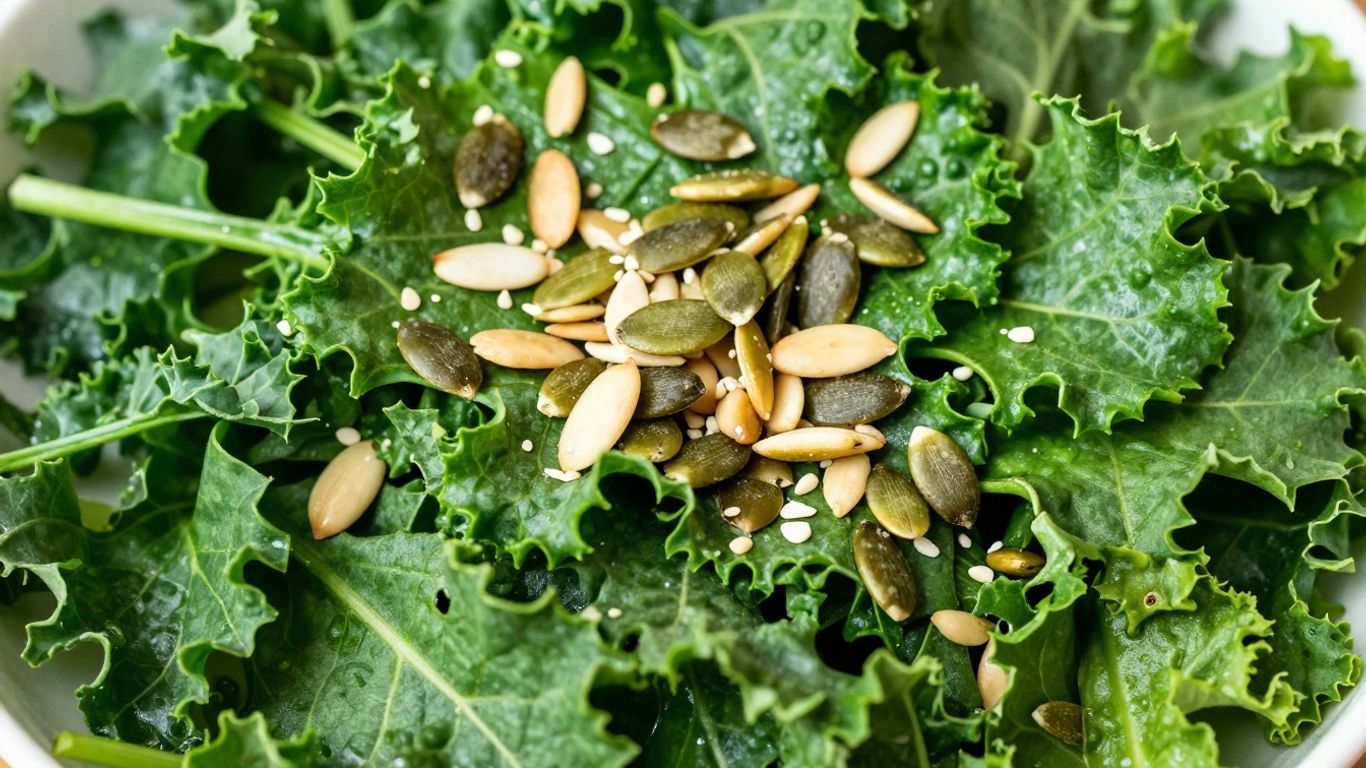
Magnesium is another mineral that plays a pretty big role in how our bodies make energy. Think of it like a tiny helper that gets glucose, which is basically sugar from food, turned into usable energy for your cells. If you’re not getting enough magnesium, your body might struggle to keep up, and that can leave you feeling wiped out.
It’s not just about energy, though. Magnesium is involved in a bunch of other things too, like keeping your muscles relaxed and your nerves working right. It can even help with sleep quality and managing stress. So, when magnesium levels are low, you might notice things like muscle cramps, trouble sleeping, feeling more anxious, or just that general, ongoing tiredness.
Sources of Magnesium
- Leafy green vegetables: Spinach and kale are good examples.
- Nuts and seeds: Almonds, pumpkin seeds, and sunflower seeds.
- Whole grains: Brown rice and oats.
- Legumes: Beans and lentils.
- Dairy products: Milk and yogurt.
It turns out that a lot of people, especially women, don’t get the recommended daily amount of magnesium just from their diet. It’s estimated that nearly half of the U.S. population falls short. If you’re concerned about your magnesium intake, it’s a good idea to chat with your doctor. They can order a simple blood test to check your levels.
Sometimes, even with a good diet, certain health conditions or medications can mess with how well your body absorbs magnesium. It’s always best to get a professional opinion if you’re feeling persistently tired.
5. Folate
Folate, also known as Vitamin B9, is a real team player when it comes to keeping your energy levels up. It works hand-in-hand with other B vitamins, like B12, and iron to make sure your body is producing healthy red blood cells. These little guys are super important because they’re in charge of carrying oxygen all around your body. If you don’t have enough folate, your body might struggle to make enough of these cells, which can lead to a type of anemia and, you guessed it, feeling really tired.
This nutrient is particularly important for women of childbearing age and during pregnancy.
Here’s why folate is a big deal for energy:
- Red Blood Cell Production: Folate is a key ingredient in making sure your body has enough healthy red blood cells to transport oxygen efficiently.
- Energy Metabolism: It plays a role in how your body converts food into usable energy.
- Cell Growth and Repair: Folate is involved in cell division and growth, which is happening all the time in your body.
If you’re feeling constantly drained, it might be worth chatting with your doctor about your folate levels. They can check if you’re getting enough through your diet or if a supplement might be helpful. Foods like leafy green vegetables, beans, and fortified cereals are good sources, but sometimes it’s hard to get enough from food alone.
6. Vitamin B9
Vitamin B9, also known as folate, is a real team player when it comes to keeping your energy levels up. It works hand-in-hand with vitamin B12 and iron to help your body create healthy red blood cells. Think of these cells as tiny delivery trucks, carrying oxygen all around your body. Without enough of them, you’re going to feel sluggish.
This nutrient is particularly important for women who are thinking about getting pregnant or are already pregnant, as it plays a big role in preventing certain birth defects. But even if that’s not on your radar, low folate can lead to a type of anemia that makes you feel wiped out.
Getting enough folate is key for energy production and overall well-being. It’s not just about avoiding problems; it’s about helping your body function at its best.
While many processed foods like bread and cereals are fortified with folic acid (the synthetic form of folate), relying solely on these might not be enough for everyone. Leafy green vegetables, legumes, and some fruits are natural sources. If you’re struggling with persistent tiredness, it’s worth chatting with your doctor to see if a folate deficiency might be part of the puzzle.
7. Folic Acid
Folic acid, also known as Vitamin B9, is a real team player when it comes to keeping your energy levels up. It works hand-in-hand with vitamin B12 and iron to help your body create healthy red blood cells. These little guys are super important because they’re in charge of carrying oxygen all around your body. When you don’t have enough folic acid, your body might not make enough red blood cells, which can lead to a type of anemia that makes you feel really tired.
It’s particularly important for women who are pregnant or planning to become pregnant, as it plays a role in preventing certain birth defects. Many common foods, like bread and cereals, are fortified with folic acid, so most people get a decent amount from their diet. However, if you’re feeling constantly drained, it’s worth checking if your folic acid levels are where they should be.
Why Folic Acid Matters for Energy
- Red Blood Cell Production: It’s a building block for healthy red blood cells.
- Oxygen Transport: Supports the efficient delivery of oxygen to your tissues.
- DNA Synthesis: Plays a role in cell growth and repair.
While many foods are fortified, individual needs can vary. If you suspect a deficiency, it’s best to talk to a doctor rather than just popping supplements.
Low levels can contribute to fatigue, and getting enough is key for overall vitality. If you’re struggling with persistent tiredness, it’s a good idea to discuss your folic acid intake with a healthcare provider.
8. Iodine
You might not think about iodine much, but it’s pretty important for keeping your energy levels up. It’s a mineral that your thyroid gland really needs to make hormones. These hormones, like thyroxine, control how your body uses energy. If you don’t have enough iodine, your thyroid can’t make enough of these hormones, and that can slow down your metabolism. This slowdown is a common reason for feeling tired and sluggish.
Getting enough iodine is key for a healthy metabolism and sustained energy.
Sources of iodine include seafood, dairy products, and iodized salt. Many processed foods use non-iodized salt, so checking labels can be helpful. If you’re not eating much seafood or dairy, you might be at risk for not getting enough.
Here are some common sources:
- Seaweed (like kelp and nori)
- Fish (cod, tuna)
- Dairy products (milk, yogurt)
- Eggs
- Iodized salt
It’s not super common to be severely deficient in iodine in places where salt is iodized, but it can happen. If you’re feeling constantly drained and suspect it might be related to your thyroid, it’s worth chatting with your doctor. They can check your levels and see if iodine is something you need to focus on more.
9. Calcium
Calcium is often talked about for bone health, but did you know it plays a role in how your body uses energy too? It’s involved in muscle function and nerve signaling, both of which are pretty important for feeling alert and not sluggish. When calcium levels dip too low, it can mess with how your muscles work and how your nerves send signals, potentially leaving you feeling drained.
While dairy products like milk, cheese, and yogurt are well-known sources, you can also find calcium in leafy greens such as kale and broccoli, as well as fortified foods like some cereals and orange juices. Getting enough calcium is key, but it’s also about balance. Your body needs vitamin D to absorb calcium effectively, so it’s a bit of a team effort.
If you’re constantly feeling tired, it’s worth considering if your calcium intake is adequate.
Here are some common sources:
- Dairy products (milk, yogurt, cheese)
- Leafy green vegetables (kale, broccoli, spinach)
- Fortified foods (cereals, orange juice, plant-based milks)
- Fish with edible bones (sardines, canned salmon)
It’s not just about quantity, though. The absorption of calcium is just as important. If you’re not getting enough vitamin D, your body won’t be able to use the calcium you consume as well as it should. This can lead to a double whammy of issues, impacting both bone strength and your overall energy levels.
Sometimes, fatigue isn’t just about feeling sleepy; it’s about your body not functioning at its best. Calcium, along with other minerals and vitamins, contributes to the complex systems that keep us moving and feeling awake. Paying attention to these building blocks can make a difference in how energetic you feel day-to-day.
10. Omega-3 Fatty Acids
Even though they aren’t technically vitamins, omega-3 fatty acids often pop up when we talk about nutrients that can help with feeling tired. These healthy fats are super important for a bunch of things in your body, like keeping your brain working well, supporting your heart, and helping to balance your mood. They also play a role in managing inflammation.
If you’re not getting enough omega-3s in your diet, it might actually make that tired feeling worse, especially if the fatigue is linked to inflammation or mood issues. Think of them as helpers for keeping your body’s systems running smoothly.
Here’s a quick look at what omega-3s do:
- Brain Health: They are building blocks for brain cells and help with communication between them.
- Heart Health: They can help keep your heart rhythm steady and may lower blood pressure.
- Mood Regulation: Some studies suggest they can help lift your mood and reduce feelings of sadness.
- Inflammation Control: They have properties that can help calm down inflammation throughout the body.
Getting enough omega-3s is key for overall well-being and can contribute to feeling more energetic. You can find them in fatty fish like salmon, mackerel, and sardines, as well as in plant sources like flaxseeds, chia seeds, and walnuts. If your diet is lacking, supplements are an option, but it’s always a good idea to chat with a doctor first.
Sometimes, feeling tired isn’t just about needing a nap. It can be your body signaling that it’s missing certain key nutrients. Omega-3s are one of those important players that help keep everything functioning right, from your brain to your mood.
Wrapping Up: What to Do About That Tired Feeling
So, we’ve talked about a bunch of vitamins that might be playing a role in why you’re feeling so wiped out. Things like B12, iron, and vitamin D are pretty important for keeping your energy up. But here’s the thing: just popping pills isn’t always the answer. Sometimes, that constant tiredness is your body trying to tell you something else is going on, like maybe you’re not sleeping enough, or you’re dealing with a lot of stress. It’s really best to chat with a doctor if this has been going on for a while. They can run some tests to see if you’re actually low on anything and figure out the best plan. Remember, healthy eating and good sleep habits are super important too. Don’t just guess what you need; get it checked out so you can start feeling more like yourself again.
Frequently Asked Questions
Can I just take vitamins to feel less tired?
While vitamins can help if you’re lacking certain nutrients, they aren’t a magic fix for all tiredness. Sometimes, feeling exhausted means something else is going on, like not getting enough sleep, stress, or a health issue. It’s best to talk to a doctor to find out the real reason you’re tired.
How do I know if I need these vitamins?
The best way to know for sure is to see a doctor. They can do blood tests to check your levels of vitamins like B12 and D, and minerals like iron. This helps figure out if a deficiency is making you feel tired.
Can I get too much of these vitamins?
Yes, you can. Taking too much of certain vitamins or minerals, especially iron, can be harmful. That’s why it’s important to only take supplements if a doctor recommends them after checking your levels.
What if I eat healthy? Do I still need vitamins?
Eating a balanced diet is super important! But even with healthy eating, some people might not absorb enough of certain nutrients, or their needs might be higher at different times in life. For example, pregnant women need more folate. So, while a good diet is key, sometimes supplements are still needed.
Are there other things besides vitamins that help with tiredness?
Absolutely! Getting enough sleep (7-9 hours), eating regular, balanced meals, staying hydrated, and moving your body with exercise are all huge for energy. Managing stress too! These healthy habits work hand-in-hand with good nutrition.
When should I see a doctor about being tired?
If you’re tired all the time, and it’s been going on for more than a few weeks or it’s really getting in the way of your daily life, it’s a good idea to see a doctor. Also, seek immediate help if you have symptoms like chest pain, trouble breathing, or confusion, as these could be serious.
You may also find this Nutrition Geeks guide helpful: Best Protein Powder for Endurance Athletes.
You may also find this Nutrition Geeks guide helpful: Explore the Benefits of Herbalife Nutrition Products for Your Wellness Journey.
You may also find this Nutrition Geeks guide helpful: Understanding Your Herbalife Price Per Month: A Comprehensive Breakdown.
You may also find this Nutrition Geeks guide helpful: Unpacking the Costs: How Much Does It Cost to Start Selling Herbalife?.
You may also find this Nutrition Geeks guide helpful: Discover the Delicious World of Herbalife Shake Mix: Your Guide to Healthy Nutrition.
You may also find this Nutrition Geeks guide helpful: Unlock Your Potential: Top Foods That Naturally Elevate Testosterone Levels.