Disclosure: This post may contain affiliate links, meaning if you decide to make a purchase through my links I may earn a commission at no additional cost to you. See my disclosure for more info.
I lost 20 pounds the slow, steady way, and I got there by dropping fad diets that left me hungry, tired, and frustrated. This weight loss program with meal plan and workouts is the kind of plan I wish I had sooner, because it keeps things simple with whole foods, balanced macros, and workouts that fit a busy week. It pairs calorie-smart meals with progressive exercise so you can aim for about 1 to 2 pounds of fat loss per week without living on bland food or endless cardio.
Supplement note: This guide is for educational purposes only and is not medical advice. Always speak with your doctor before using supplements, especially if you are pregnant, nursing, taking medication, or managing a medical condition.
If you love nutrition, you can make this plan your own with meals you enjoy and workouts that feel doable. I’ll walk through how I assess needs, set up the nutrition basics, build the meal plan, shape the workout routine, organize the weekly schedule, and track real results.
I’ll also show how small changes can boost energy, support better health, and build habits that last, especially if you want a plan that feels flexible and practical, like this fitness meal plan for optimal health and strength training for weight loss. If you’re ready to commit, keep reading and start strong.
Explore more guides on metabolism, appetite support, healthy routines and daily wellness nutrition.
Figure Out Your Starting Point for Smarter Weight Loss
Before I change my meals or workouts, I always start with a clear snapshot of where I am now. That keeps my weight loss program with meal plan and workouts grounded in real numbers, not guesses.
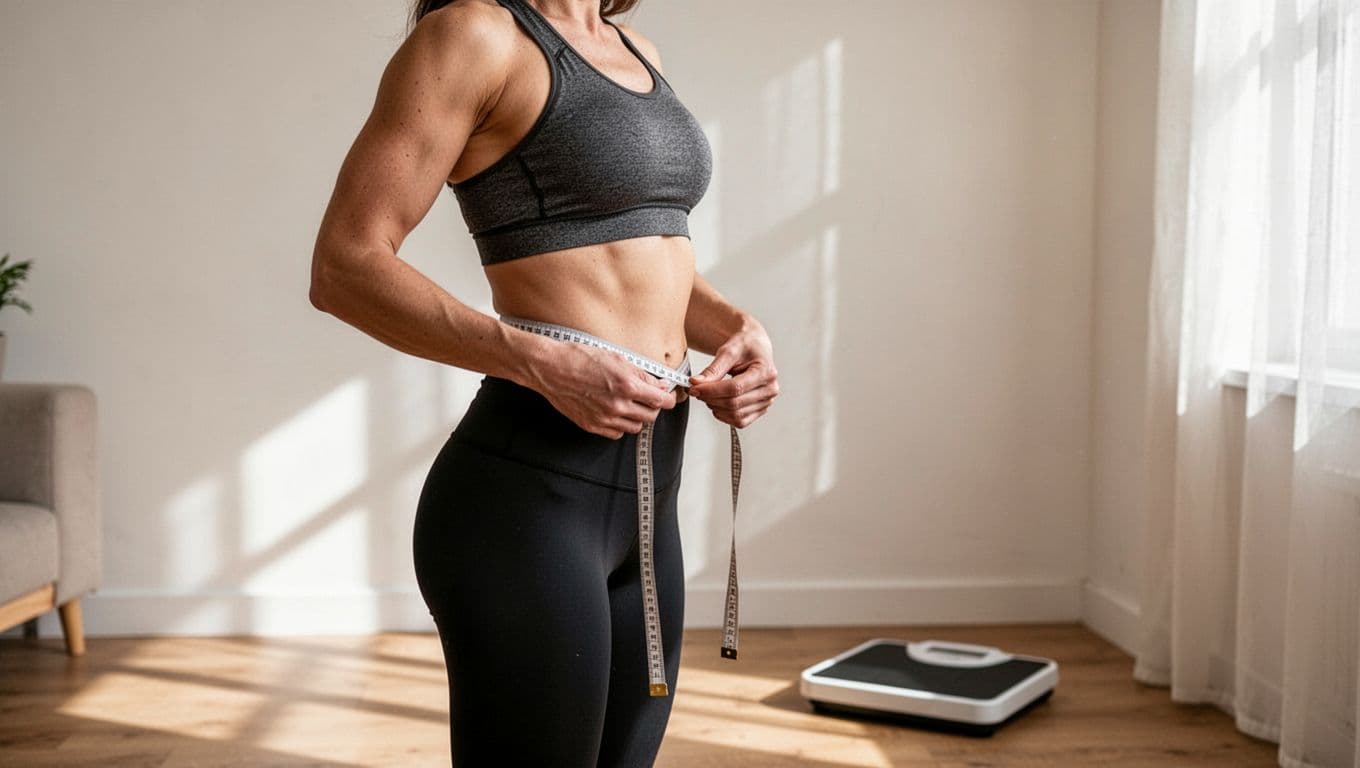
I check the numbers that matter first
I begin with my current weight, waist measurement, and a few photos in similar lighting. Then I look at my activity level honestly, not aspirationally. If I sit most of the day and only work out four times a week, I count myself as lightly active, not very active.
More NutritionGeeks Wellness Guides
Explore more NutritionGeeks guides connected to wellness, recovery, hydration, energy, sleep and active lifestyle nutrition.
For calories, I estimate my BMR with the Harris-Benedict formula, then multiply it by my activity level to get TDEE. A simple Harris-Benedict calculator can do the math for me, and it gives me a solid starting point. From there, I set a daily intake about 500 calories below maintenance so I can lose fat without crashing my energy.
A 500-calorie deficit is a starting point, not a life sentence. I adjust based on hunger, workouts, and progress.
I use a quick checklist to see my real starting level
A short self-check helps me pick the right pace. I usually sort myself into one of two buckets:
- Beginner: I’m new to structured workouts, I don’t track food well, or I’ve fallen off plans before.
- Intermediate: I already train regularly, I know my usual portions, and I can follow a plan with fewer reminders.
If I’m a beginner, I keep the plan simple and focus on consistency. If I’m intermediate, I can handle tighter calorie control and more precise workout targets. I also use sustainable fat loss strategies when I want a broader framework that fits real life.
I journal the first week, then adjust
My best tip is to journal the first week instead of trying to perfect everything on day one. I write down meals, hunger, energy, workout performance, sleep, and cravings. That makes patterns obvious fast.
This step matters because personalization prevents plateaus. If I’m too aggressive, I’ll feel drained. If I’m too loose, I won’t create enough of a deficit. A realistic target of 8 to 12 pounds in 4 weeks keeps me focused without pushing harder than my body can handle.
Build a Nutrition Base That Supports Fat Burning
I keep my fat-loss plan simple when I build around the right macros, real food, and steady hydration. That mix helps me stay full, protect muscle, and keep my energy from crashing halfway through the day.
Key Macros and Why They Matter for Your Results
I use a simple 40/30/30 split as my base, with 40% carbs, 30% protein, and 30% healthy fats. For me, that means carbs come mostly from vegetables, fruit, and a few smart starches, protein stays high enough to support muscle repair, and fats keep hormones steady.
If I eat around 1,500 calories, my daily target looks like this:
| Calories | Carbs | Protein | Fat |
|---|---|---|---|
| 1,500 | 150 g | 113 g | 50 g |
| 1,750 | 175 g | 131 g | 58 g |
| 2,000 | 200 g | 150 g | 67 g |
That ratio works because protein helps me recover after workouts, while fats help me feel stable and satisfied. Carbs still matter, but I keep them clean and pair them with fiber so my energy stays even. On lower-activity days, I trim carbs a little and keep protein steady, which is a light form of carb cycling that fits my schedule without making the plan hard to follow.
Fiber is one of my favorite nutrition tools because it slows digestion and helps me stay full longer.
I also notice that higher-protein meals keep me fuller for hours. That makes it much easier to stick with a 1500-calorie meal plan without constant snacking.
Power Foods to Stock Up On Right Now
I keep my kitchen stocked with foods that do most of the work for me. These are the staples I reach for first:
- Quinoa: A complete protein that fits bowls and side dishes.
- Berries: High in antioxidants and easy to add to yogurt or oats.
- Salmon: Rich in protein and healthy fats that support satiety.
- Avocados: Creamy, filling, and full of monounsaturated fats.
- Spinach: Low in calories, high in volume, and easy to mix into meals.
- Rolled oats: A solid carb source with fiber that helps with fullness.
- Eggs: Great for breakfast and quick protein.
- Chicken breast: Lean protein that works in nearly any meal.
- Broccoli: A filling veggie that adds crunch and fiber.
- Almonds: Easy to portion and useful when I need a quick snack.
I prep most of these in simple ways, like roasting broccoli, grilling chicken in batches, and washing berries ahead of time. I also keep water close by and aim for 3 liters a day, because hydration helps me manage hunger better. For portion control, I use my hand as a guide, one palm of protein, one fist of carbs, and one thumb of fats. That keeps my weight loss low-carb food plans practical, even on busy days.
Your 7-Day Meal Plan: Easy Recipes for Every Day
I keep this week simple, high in protein, and heavy on vegetables, because that makes the whole weight loss program with meal plan and workouts easier to stick with. I also repeat a few ingredients on purpose, so shopping stays easy and prep time stays short.
Before I get into the daily menus, I stock the same core foods each week. That keeps me from wandering the store and grabbing random extras.
I build my list around these staples:
- Proteins: Greek yogurt, eggs, chicken breast, turkey slices, salmon, tofu, cottage cheese
- Vegetables: spinach, broccoli, mixed greens, peppers, cucumber, zucchini, tomatoes
- Fruit and snacks: berries, apples, almonds
- Smart carbs: oats, whole-grain wraps, brown rice
- Flavor helpers: salsa, lemon, olive oil, garlic, pepper
I also keep meals flexible. If I want vegetarian days, I swap chicken for tofu, eggs, or cottage cheese. If I need more calories after a hard workout, I add a little extra rice, oats, or fruit. For a simple planning base, I like this weekly meal planning framework and the broader meal prep ideas for weight loss guide.
Days 1-3: High-Energy Kickoff Meals
I start the week with meals that feel clean, filling, and easy to prep. These first three days are built to land near 1,600 calories with strong protein at every meal, so I stay full without feeling weighed down.
On Day 1, I eat a Greek yogurt parfait for breakfast, a grilled chicken salad for lunch, and baked salmon with broccoli stir-fry for dinner. I keep snacks simple, usually an apple with almonds. A sample day looks like this:
- Breakfast, 380 calories, 30g protein: Greek yogurt, berries, oats, and chia
- Lunch, 450 calories, 40g protein: Grilled chicken, mixed greens, cucumber, tomatoes, olive oil
- Dinner, 520 calories, 38g protein: Baked salmon, broccoli, peppers, cauliflower rice
- Snack, 220 calories, 6g protein: Apple and almonds
The recipes stay short. I bake salmon at 400 degrees for about 15 minutes, toss chicken on a hot pan for 10 to 12 minutes, and assemble the parfait in two minutes. If I want more flavor, I use lemon, garlic, salsa, or a light vinaigrette. That keeps me inside my calorie target without getting bored.
Days 2 and 3 follow the same rhythm, but I change the flavor profile. One day I use Italian seasoning on the chicken, then I switch to paprika and lime the next. Variety matters because plain food gets old fast, even when it works.
For a quick nutrition check, I like using a balanced plate meal guide so I can keep protein, produce, and carbs in the right mix. If I want a bigger breakfast, I shift some calories from dinner and keep the day balanced.
Days 4-7: Recovery and Variety Boost
By midweek, I want meals that feel lighter but still keep protein high. This is where I rotate in eggs, turkey, tofu, and cottage cheese. It gives my body a break, and it keeps the plan from feeling repetitive.
On Day 4, I make a veggie omelet for breakfast, turkey wraps for lunch, and a tofu stir-fry for dinner. For snacks, I reach for cottage cheese with cinnamon or sliced berries. A sample day looks like this:
- Breakfast, 360 calories, 28g protein: 3 eggs, spinach, peppers, salsa
- Lunch, 430 calories, 34g protein: Turkey wrap with greens, tomato, mustard, whole-grain tortilla
- Dinner, 540 calories, 32g protein: Tofu, broccoli, zucchini, soy sauce, brown rice
- Snack, 240 calories, 20g protein: Cottage cheese with berries
Days 5 through 7 repeat that same structure with small swaps. I might use mushrooms in the omelet, swap turkey for chicken in the wrap, or season tofu with ginger and garlic. If I want a vegetarian version, I double up on eggs, tofu, Greek yogurt, and cottage cheese. That keeps protein high without making the menu feel flat.
Prep ahead keeps this whole week easy. I chop vegetables, cook one grain, and portion protein on Sunday night.
For the final two days, I also use leftovers on purpose. That cuts waste and saves time. If I have extra salmon or chicken left, I fold it into a wrap or salad instead of cooking a brand-new meal. I also keep the cooking method simple, since every recipe here can stay under 20 minutes and use five ingredients or fewer. If you want more ideas in that same lane, I’d use this healthy meal cooking guide as a backup for easy swaps.
A full week like this keeps me near 1,600 calories a day without forcing me into bland food or complicated prep. I get enough protein to support workouts, enough vegetables to stay full, and enough variety to avoid burnout.
Workouts That Torch Calories and Build Strength
I keep this part of my weight loss program with meal plan and workouts simple, because simple plans get done. My goal is to mix heart-pumping cardio with strength work that keeps muscle on the menu, even while calories stay low.
I train 4 days a week for 30 to 45 minutes per session. Each workout starts with a short warm-up and ends with a cool-down, so my body stays ready and recovery stays smoother. I also use progressive overload, which just means I make the work a little harder each week by adding reps, cutting rest, or slowing the tempo. If I want a deeper breakdown of that idea, I like progressive overload for stamina gains because it fits fat-loss training well.

Cardio and HIIT Sessions to Spike Your Heart Rate
I use cardio and HIIT on two days each week to raise my calorie burn and keep my conditioning sharp. A workout like this can be done at home, and it does not need fancy gear. For extra ideas, I sometimes pull from bodyweight HIIT workouts for weight loss.
My favorites are fast, direct, and easy to time:
- Walking intervals: 5 minutes easy, then 1 minute brisk pace, repeated for 20 minutes. I finish with 5 minutes easy walking.
- Tabata jumps: 20 seconds of jumping jacks, 10 seconds rest, for 8 rounds. Then I rest 1 minute and repeat with squat jumps.
- Mixed HIIT circuit: 30 seconds each of high knees, mountain climbers, skater hops, and burpees, then 30 seconds rest. I do 3 to 4 rounds.
These workouts help with the afterburn effect, so I keep burning energy after the session ends. That makes them a smart fit for fat loss, especially when I stay consistent.
Strength Moves for a Toned Body
On the other two days, I focus on strength work that shapes my body while I lose fat. I use bodyweight moves, a resistance band, or a pair of dumbbells if I have them. If you want more bodyweight ideas, home bodyweight exercises for muscle gain also offers useful movement patterns.
I rotate through three circuits across the month:
- Circuit 1: 12 squats, 10 push-ups, 30-second plank
- Circuit 2: 15 squats, 8 incline push-ups, 20-second side plank per side
- Circuit 3: 15 tempo squats, 12 push-ups, 40-second plank
My form stays clean when I sit back in the squat, keep my core tight on push-ups, and avoid sagging in planks. During week one, I use easier versions. By week four, I add reps, slow the lowering phase, and shorten my rest. That shift is where the real change shows up.
I noticed it in my own progress. My squats felt steadier, my push-ups went from shaky knee reps to full sets, and my planks nearly doubled. That kind of gain matters because stronger muscles make the whole plan work better.
Put It All Together: Sample Weekly Schedule
I like a weekly schedule because it turns a good plan into a real one. Meals, workouts, steps, and sleep all work together, so I’m not guessing each morning. That consistency matters more than perfection, especially in a weight loss program with meal plan and workouts.
I also keep my days flexible. If work runs late, I move the workout earlier or shorten it. If I miss a session, I don’t panic, I just keep the next block on track.
My Mon-Sun plan at a glance
This is the version I can print, pin to the fridge, or keep on my phone. It balances training, recovery, and simple daily habits.
| Day | Meals | Workout | Rest / Daily Habit |
|---|---|---|---|
| Monday | High-protein breakfast, chicken salad lunch, salmon dinner | HIIT, 30 to 40 min | 10k steps, 7 to 9 hrs sleep |
| Tuesday | Omelet breakfast, turkey wrap lunch, tofu dinner | Strength circuit, 30 to 45 min | Light walk after dinner |
| Wednesday | Greek yogurt, grain bowl, lean protein dinner | Rest or mobility | 10k steps, early bedtime |
| Thursday | Repeat easy meal prep day | HIIT, 30 to 40 min | Stretch 10 min, 7 to 9 hrs sleep |
| Friday | Protein breakfast, leftovers lunch, balanced dinner | Strength circuit, 30 to 45 min | Walk breaks during the day |
| Saturday | Flexible meals with controlled portions | Long walk or low-intensity cardio | Family time, stay active |
| Sunday | Prep-friendly meals, lighter dinner | Rest | Meal prep, weigh-in, weekly check-in |
How I fit it into a busy day
I keep mornings simple, so I don’t burn decision energy. I eat breakfast, get moving, and aim for my steps across the day instead of chasing them at night. That makes the plan feel lighter, even when my schedule is packed.
For workouts, I block time like an appointment. A 30-minute session works better than waiting for a perfect hour that never comes. On busy days, I use a shorter version and keep the habit alive. A practical weekly structure like this lines up well with weight loss workout scheduling advice and helps me stay steady.
My weekly check-in ritual
Sunday is my reset day. I weigh in, check my waist, look at my energy, and review what worked. Then I adjust the next week by changing one thing at a time, usually portion size, step count, or workout pace.
That small review keeps me honest. It also shows me whether I need more sleep, a little more food, or a better prep plan for the week ahead.
Stick With It: My Top Tips to Avoid Pitfalls
I know the hard part of any weight loss program with meal plan and workouts is not starting. It’s staying steady when real life gets noisy. Cravings hit, the scale pauses, and motivation dips, so I keep a few simple guardrails in place.
I plan for cravings before they hit
When I want to snack out of habit, I slow things down first. A hot mug of herbal tea helps me break the loop, especially at night when I just want something warm and calming. That tiny ritual gives me a pause, and most cravings fade before I need extra calories.
I also keep protein front and center. Skipping it is one of the fastest ways to get hungry again, and then I start grazing. A meal with enough protein and fiber keeps me much steadier, which is why I rely on the same appetite control habits I use in my curb your appetite plan.
I use zigzag calories when progress slows
Plateaus happen, even when I’m doing a lot right. When that happens, I don’t slash food harder. Instead, I use zigzag calories, so I eat a little more on training days and a little less on rest days.
That small shift can help me stay sane and keep my energy up. The scale often responds after a week or two, especially when I combine it with better sleep and consistent steps. If progress stalls for too long, I review my routine with strategies to overcome a weight loss plateau and adjust one thing at a time.
A plateau is feedback, not failure. I treat it like data and make a small change.
I stay motivated with accountability
Motivation comes and goes, so I don’t wait for it. I check in with an accountability buddy once a week, even if it’s just a text about meals, workouts, or steps. That simple touchpoint keeps me honest.
I’ve seen this work for other people too. One reader told me she stopped quitting on Thursdays once she started sending her friend a photo of her lunch. Another said her weekend walks finally stuck after she made them part of a regular plan with a friend. That kind of outside support matters, and it pairs well with building better training consistency.
I celebrate non-scale wins
The scale doesn’t tell the full story. I also watch for better sleep, fewer cravings, steadier energy, and clothes fitting better. Those wins tell me the plan is working, even before the number moves.
I keep my focus on what I can repeat. That mindset makes the whole process feel less fragile, and it helps me stick with the plan long enough to see real change.
Conclusion
I built this weight loss program with meal plan and workouts around one clear idea, consistency beats extremes. When I kept my meals simple, my protein high, and my workouts steady, I lost fat and gained real energy I could feel all day.
That mattered even more over four weeks, because the plan never asked me to be perfect. It gave me structure, room to adjust, and enough variety to stay on track without burning out. If I wanted a stricter shortcut style plan, I would look at a 21-day Herbalife shake diet for weight loss, but this approach fit my life better and held up longer.
Start with week one, follow the meals, do the workouts, and pay attention to how your body responds. If you try it, comment with your results and share it with a friend who wants a smarter way to lose weight. I’m already putting together an advanced version for people who want to push a little further, and that next step builds on the same simple habits that made this one work.
You may also find this Nutrition Geeks guide helpful: Best Menopause Diet Plan for Weight Loss: 7-Day Meal Guide.
You may also find this Nutrition Geeks guide helpful: Unlock the Amazing Munakka Benefits: A Guide to This Powerful Dried Grape.
You may also find this Nutrition Geeks guide helpful: Unpacking the Earnings: How Do Herbalife Distributors Make Money?.
You may also find this Nutrition Geeks guide helpful: Find Herbalife Shops Near Me: Your Guide to Local Nutrition Clubs.
You may also find this Nutrition Geeks guide helpful: Discovering the Cost: How Much is a Herbalife Shake?.