Disclosure: This post may contain affiliate links, meaning if you decide to make a purchase through my links I may earn a commission at no additional cost to you. See my disclosure for more info.
You can finish a workout or survive a hot day and still feel wiped out, even after drinking water. That happens when sweat leaves you low on electrolytes, not just fluids.
Supplement note: This guide is for educational purposes only and is not medical advice. Always speak with your doctor before using supplements, especially if you are pregnant, nursing, taking medication, or managing a medical condition.
For more practical information related to Best Electrolyte Drink For Beginners, visit our electrolyte and hydration resources.
For beginners, the best electrolyte drink for beginners is one that replaces sodium and other key minerals without making hydration feel complicated. The right choice can help you feel steadier, recover better, and avoid that drained, heavy feeling that often shows up when your body is out of balance.
Explore more hydration, electrolyte and endurance-focused guides for active adults and performance-minded routines.
The goal is simple, better hydration that actually works for your routine.
This guide breaks down the signs of low electrolytes, how to choose a drink that fits your needs, the top beginner-friendly picks, a few easy DIY options, and daily habits that keep your energy more even.
More NutritionGeeks Wellness Guides
Explore more NutritionGeeks guides connected to wellness, recovery, hydration, energy, sleep and active lifestyle nutrition.
What Electrolytes Do for Your Body and Why Beginners Need Them
Electrolytes do a lot more than “help with hydration.” These charged minerals help your nerves send signals, your muscles contract, and your fluid levels stay steady. When you start paying attention to nutrition, they matter fast, because low electrolytes can show up as fatigue, cramps, headaches, or that heavy post-gym slump.
For beginners, this is where water alone can fall short. If you sweat more, cut carbs, or change your eating habits, your body can lose minerals faster than you replace them. That leaves you feeling drained even when your nutrition plan looks solid on paper.
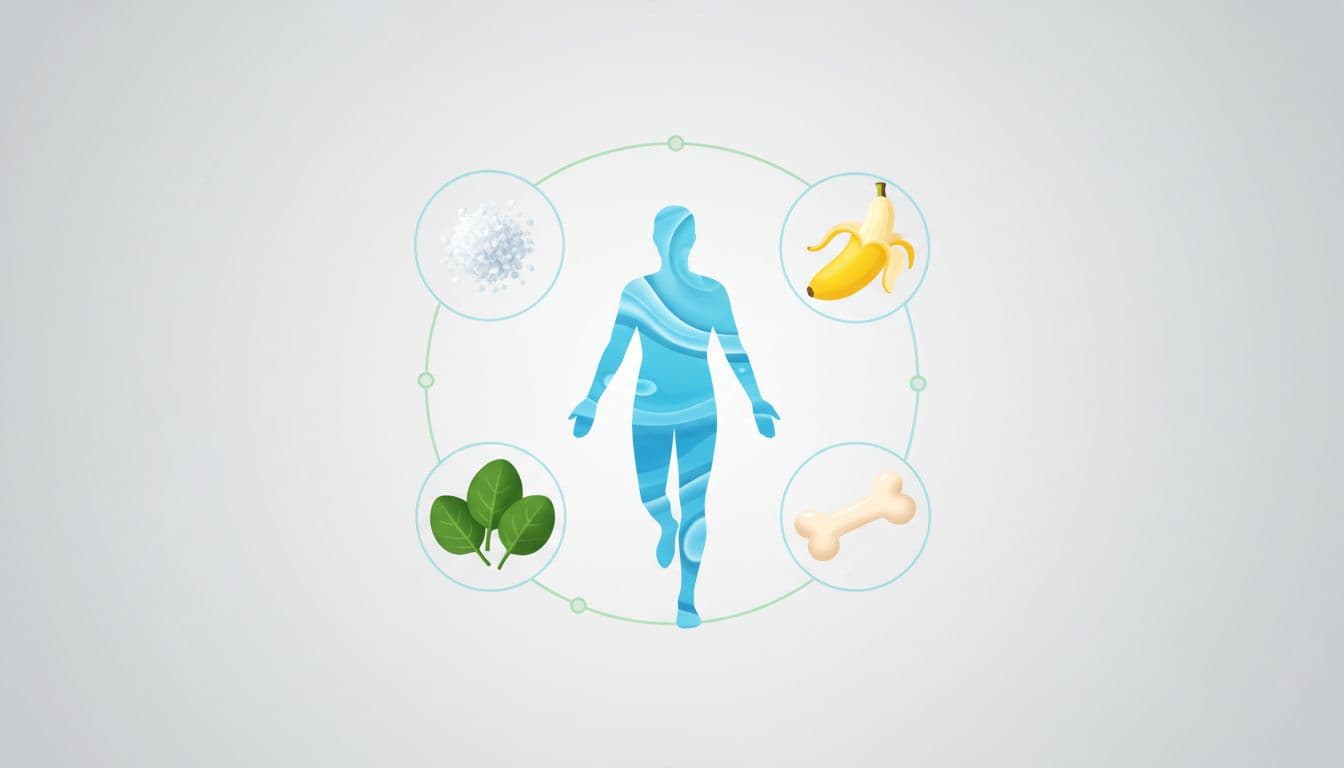
The Main Electrolytes Keeping You Balanced
Each main electrolyte has a clear job. When one drops too low, the others can’t fully cover for it. That is why a simple electrolyte drink can feel like a reset after a hard workout or a hot day.
| Electrolyte | Main job | Why beginners notice it |
|---|---|---|
| Sodium | Keeps fluid balance and helps you hold onto water | Drops fast through sweat, especially during exercise |
| Potassium | Supports muscle movement and heart rhythm | Low intake can leave you feeling weak or crampy |
| Magnesium | Helps energy use and supports calm nerve function | Low levels can feel like fatigue or muscle tightness |
| Calcium | Supports bones, muscle action, and nerve signals | Needed daily, especially when diet gets inconsistent |
Sodium is the sweat-loss king. It helps your body keep water where it belongs, so you don’t feel flat and washed out after training.
Potassium works closely with sodium. It helps muscles fire properly, which matters when your legs feel shaky after a tough session.
Magnesium helps your body use energy and keeps nerves from getting too twitchy. If your routine is new, this mineral often gets overlooked.
Calcium does more than support bones. It also helps muscles contract and nerves send signals at the right time.
If your hydration habit starts with water only, you’re missing part of the picture. Minerals matter when sweat goes up.
For a broader food-first approach, natural electrolyte-rich foods can help you cover the basics between workouts.
Why New to Nutrition Folks Lose Them Fast
Beginners often lose electrolytes for simple reasons. New workouts can be harder than expected, and sweat loss rises fast when you push pace, duration, or heat. A first-time gym routine can drain sodium and fluid before you realize it.
Low-carb and keto starts can also speed things up. When you cut carbs, your body sheds more water early on, and that can pull sodium with it. If you also eat fewer processed foods, your sodium intake may drop even more.
A few common beginner triggers stand out:
- Intense workouts: More sweat means more sodium and other minerals lost.
- Hot weather: Heat pushes sweat loss higher, even on short sessions.
- Keto or low-carb starts: Early water loss can leave you feeling tired and lightheaded.
- Too much caffeine: Coffee and energy drinks can leave you under-fueled if they replace real meals and fluids.
That is why someone excited about nutrition can suddenly feel off track. The plan looks clean, but energy drops, workouts feel harder, and recovery slows down. A well-chosen electrolyte drink helps bridge that gap, especially when your routine is still new.
Telltale Signs Your Electrolytes Are Running Low
Low electrolytes usually show up in small ways first. You might blame a bad night of sleep, a hard workout, or just a busy week, but the body often gives clearer clues than people realize. When sodium, potassium, or magnesium dip, your energy, muscles, and focus can all start to feel off at the same time.
The good news is that early signs are easy to spot once you know what to watch for. If a few of these sound familiar, an electrolyte drink may help more than another glass of plain water.
Constant Fatigue No Matter How Much You Sleep
If you wake up tired and stay tired, low magnesium or potassium could be part of the problem. These minerals help your cells make and use energy, so when they run low, everything feels slower. You may feel like your battery never reaches full charge, even after a full night in bed.
That kind of fatigue often feels heavy rather than sleepy. You drag through your morning, then hit a wall again by midafternoon. If that sounds familiar, try a simple test: drink an electrolyte mix for a few days, keep meals steady, and notice whether your energy feels more even.
A few signs point in the same direction:
- You feel flat during easy tasks.
- Your legs feel weak during routine walks.
- Coffee helps for an hour, then you crash.
If the pattern improves after hydration plus minerals, that is a useful clue. For more on magnesium and food sources, see magnesium-rich foods.
Muscle Cramps That Hit During or After Exercise
Cramps during or after training often point to a sodium and potassium imbalance. Sweat pulls both minerals out of your body, and beginners notice it fast because their workouts already feel new and demanding. One minute your movement feels smooth, then your calf locks up like a rope.
Short, simple workouts can still trigger it if you sweat a lot. A brisk walk, a beginner spin class, or a 20-minute strength session in a warm room can be enough. If cramps show up often, try adding electrolytes before and after exercise instead of waiting until you feel tight.
Start small and observe the change:
- Drink an electrolyte beverage before your workout.
- Sip water during exercise if you sweat heavily.
- Refill with food or a drink after training.
If that helps, your body was likely asking for mineral support, not just fluid. For runners, electrolyte drinks for runners can be a useful comparison point.
Headaches, Dizziness, or Brain Fog Creeping In
Headaches and foggy thinking often show up when dehydration and electrolyte loss happen together. Water alone can help a little, but your body also needs minerals to hold onto that fluid and keep signals moving. When that balance slips, your head can feel cloudy, your eyes can feel heavy, and standing up may make you dizzy.
This is common after sweating, skipping meals, or drinking lots of plain water without replacing sodium. A beginner might call it a “weird off day,” when it really is a hydration issue. If you feel this way, slow down, sip an electrolyte drink, and eat something with salt and potassium.
Dizziness after sweating is a signal to pause, hydrate, and replace minerals before you push harder.
A quick reset often helps:
- Sit down and cool off.
- Drink an electrolyte mix slowly.
- Eat a light snack with sodium or potassium.
If mental fog is part of the picture, vitamins that combat brain fog can help you think about the full nutrition side too.
When these symptoms repeat, don’t ignore them. Your body is telling you the balance is off, and the fix may be simpler than you think.
How to Pick the Perfect Electrolyte Drink for Your Beginner Routine
The best electrolyte drink for beginners is simple, low in sugar, and easy to keep using. You want a mix that replaces what sweat removes without turning hydration into a dessert. That means checking the label, the flavor, and how well it fits your routine.
A good beginner pick should feel more like a clean refill than a sugar hit. Sports drinks can be fine in some situations, but many are loaded with sugar and light on minerals. If you want steadier energy and less crash, start with a drink built around sodium, potassium, and a short ingredient list.
Must-Have Mineral Mix Without the Sugar Crash
The first thing to check is the mineral profile. For most beginners, a solid label includes sodium, potassium, and sometimes magnesium, with sodium leading the way because sweat loss is highest there. A practical starting point is around 500 to 1,000 mg sodium and 100 to 200 mg potassium per serving, especially if you sweat a lot or train in heat.
Sugar matters too. Many sports drinks lean on added sugar for taste and quick carbs, but that can leave you feeling flat later. Choose low-sugar or no-sugar options instead, and look for natural sweeteners like stevia or monk fruit if you want a little sweetness without the spike.
A quick label check makes this easier:
- Sodium first: The drink should give you enough sodium to matter.
- Balanced potassium: Helpful, but it should not overpower sodium.
- Low sugar: Keep it light unless you need carbs for longer exercise.
- Simple ingredients: Fewer fillers usually means a cleaner drink.
If the label looks more like candy than hydration, keep walking.
For a sugar-free option that fits this style, the best electrolyte powder no sugar guide is a useful place to compare formulas.
Flavors and Mixability That Make You Want to Drink More
Taste is not a small detail. If the flavor feels harsh or fake, you will stop using it, even if the formula looks great on paper. For beginners, citrus and berry are usually the easiest wins because they taste clean, familiar, and less medicinal.
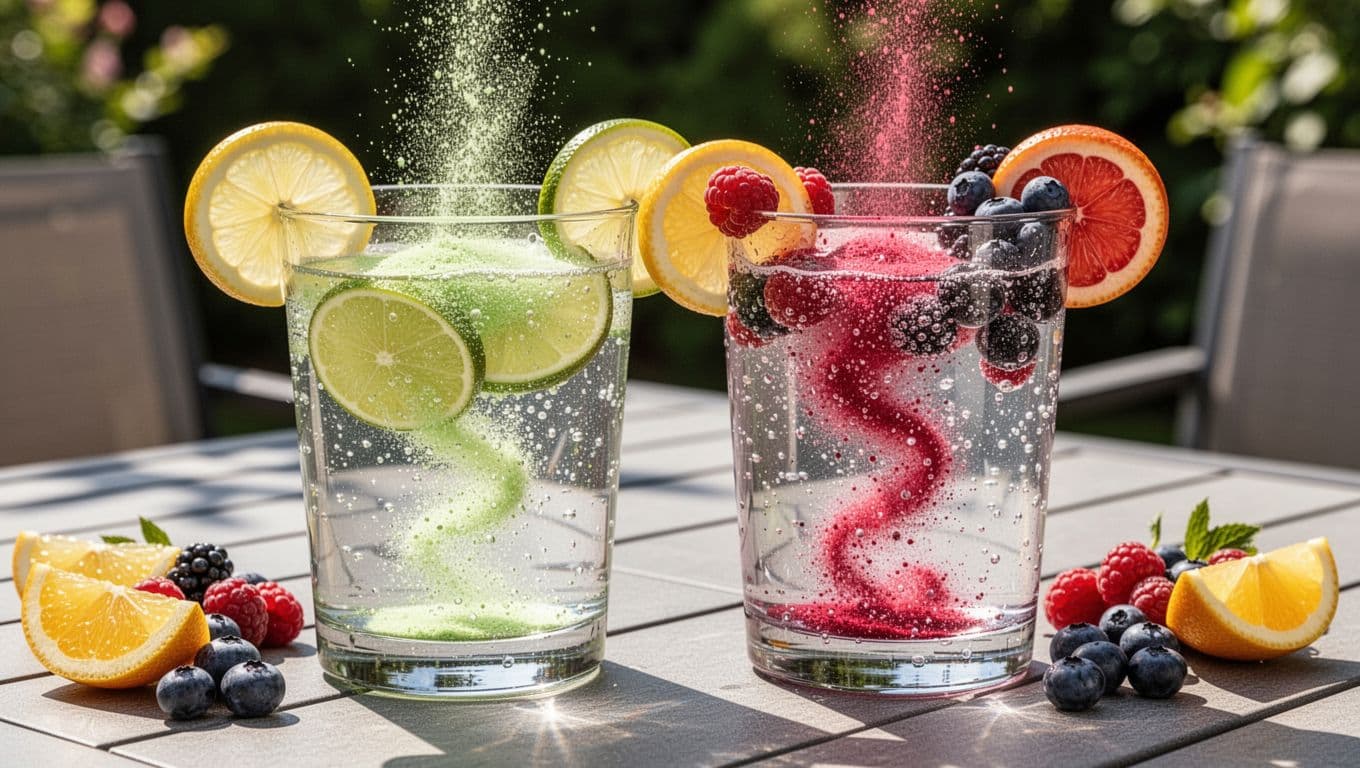
Mixability matters just as much. A powder that dissolves fast is easier to stick with, especially at work, the gym, or on the go. Ready-to-drink bottles are more convenient, while powders are usually cheaper and easier to keep in your bag.
If you want the simplest beginner setup, start with:
- A mild citrus or berry flavor.
- A powder that mixes clear and fast.
- A backup ready-to-drink bottle for busy days.
That combination keeps hydration easy, affordable, and repeatable, which is exactly what a beginner routine needs.
Top Electrolyte Drinks We Recommend for Beginners in 2026
If you want the best electrolyte drink for beginners, start with the one that matches your sweat level and taste. Some drinks are built for heavy training. Others are better for light daily use, budget buying, or easy travel.
The right pick depends on how you drink it. A salty formula can feel perfect after a hard workout, while a softer, sweeter mix may fit better for casual sipping. Below are four beginner-friendly options that cover the most common needs without making hydration feel complicated.
LMNT: The Best Electrolyte Drink for Beginners Who Sweat a Lot
LMNT is the clearest choice if you sweat hard, train often, or feel flat after workouts. It has a high sodium profile, zero sugar, and flavors like citrus salt that taste clean instead of sugary.
That salt-forward setup is exactly why beginners often like it once they try it. It replaces what sweat removes, so it feels direct and effective, especially after lifting, running, or hot-weather sessions. If you want a no-nonsense formula and you don’t mind a salty taste, this is the one to try first. You can also pair it with electrolyte powder for runners if you want more endurance-focused options later.
Best for:
- Heavy sweaters
- Low-carb or keto beginners
- People who want zero sugar
Watch for:
- The salty taste can feel strong at first
- It may be more than you need for light daily sipping
For buyers, LMNT is easy to find on the brand site, Amazon, and health-focused retailers. Real users often call out the taste as bold but effective, which fits the product well.
If you want one beginner pick that feels made for workouts, LMNT is the safest bet.
Ultima Replenisher: Sweet and Gentle for Everyday Sips
Ultima Replenisher is a better fit if you want something lighter and more casual. It is zero calorie, sweetened with stevia, and offers a broad mineral blend that works well for everyday hydration.
This is the kind of drink you can keep at your desk or sip after a walk without feeling overloaded. The flavor is softer than LMNT, which helps beginners ease into electrolyte drinks without a big salt hit. It also fits nutrition goals well if you’re watching sugar, calories, or your total daily intake.
Best for:
- Daily hydration
- People who dislike salty drinks
- Beginners who want a gentle entry point
Watch for:
- Lower sodium than workout-first formulas
- Stevia taste may not suit everyone
Ultima is usually sold on Amazon, the brand website, and major supplement shops. People tend to like it for its smooth taste and low-calorie profile, especially when they want hydration without a strong sports-drink vibe.
Nuun Sport: Cheap Tablets That Fizz Up Fun
Nuun Sport is a smart pick if you want low-cost convenience. The tablets fizz in water, which makes the routine feel easy and a little more fun. It’s low calorie, simple to carry, and the variety packs help beginners figure out what flavors they actually like.
That tablet format is useful if you travel, keep a bottle at work, or forget to pre-mix drinks. It also lets you test electrolyte habits without buying a large tub right away. For people just starting out, that lower commitment matters.
Best for:
- Budget-minded shoppers
- People who like tablets over powders
- Travel and office hydration
Watch for:
- Lower sodium than stronger workout formulas
- Flavor can feel lighter than expected
Nuun is easy to buy on Amazon, at Target, and through the brand store. User feedback often centers on the fizz and convenience, which makes it feel less like a supplement and more like a drink you want to finish.
Liquid I.V.: Hydration Multiplier for On-the-Go Newbies
Liquid I.V. is the grab-and-go option for busy beginners. It comes in lots of flavors, mixes fast, and is designed around a cellular transport formula that helps water absorption. That makes it a familiar pick for people who want an electrolyte drink they can toss in a bag and use anywhere.
It does include more sugar than the zero-sugar options above, so it fits better when you need a bit of quick fuel along with hydration. That can work after long walks, busy travel days, or workouts where you want a faster-tasting recharge. If your nutrition plan includes post-workout carbs, Liquid I.V. can fit neatly into that routine.
Best for:
- Travel days
- Busy beginners who want easy mixing
- People who prefer sweeter flavors
Watch for:
- Higher sugar than LMNT, Ultima, or Nuun
- Less ideal if you want a very light daily drink
Liquid I.V. is widely available at Costco, Target, Amazon, and the brand site. Many first-time users like the flavor variety, although some prefer it more as a recovery drink than an everyday sip.
A simple way to choose is this: pick LMNT for hard sweating, Ultima for gentle daily use, Nuun for budget and convenience, and Liquid I.V. for portable sweetness. That gives you a clear starting point without overthinking every label.
DIY Electrolyte Drinks: Cheap Recipes Beginners Love
Homemade electrolyte drinks are one of the easiest ways to keep hydration affordable. You control the salt, the sweetness, and the flavor, so the drink fits your body instead of forcing you into a bottled formula.
They also work well for beginners because the ingredients are simple. If you already keep lemons, salt, or coconut water in the kitchen, you can make a solid recovery drink in minutes.
Basic Lemon Salt Refresher Under 5 Minutes
This is the easiest place to start if you want the best electrolyte drink for beginners without extra cost or fuss. It tastes clean, uses pantry staples, and gives you a quick sodium boost after sweat loss.
Ingredients
- 1 cup cold water
- 1 to 2 tablespoons fresh lemon juice
- 1/8 teaspoon sea salt
- 1 teaspoon honey or maple syrup, optional
- Ice, optional
Steps
- Pour the water into a glass or bottle.
- Add lemon juice and salt.
- Stir or shake until the salt dissolves.
- Taste and add a little honey if you want a softer flavor.
- Chill or serve over ice.
Nutrition per serving
- Calories: about 0 to 20
- Sodium: about 290 mg
- Potassium: small amount from lemon
- Sugar: 0 to 5 g, depending on sweetener
This version is useful after a short workout, a hot walk, or a salty meal. It also costs far less than most store-bought drinks, and you can adjust the salt up or down based on taste and sweat level. For more simple hydration ideas, see healthy food swaps with natural electrolytes.
Start light with salt. You can always add more, but too much makes the drink hard to finish.
Berry Coconut Water Boost for Variety
If you want a sweeter, fruitier option, this recipe gives you a potassium-rich twist. Coconut water brings potassium, while berries add flavor and a little vitamin C without much effort.
Ingredients
- 1 cup coconut water
- 1/2 cup mixed berries, fresh or thawed
- 1/8 teaspoon sea salt
- 1/2 cup cold water, if you want it lighter
- Ice, optional
Steps
- Mash the berries in a glass or small bowl.
- Add coconut water, salt, and cold water.
- Stir well, then strain if you want a smoother drink.
- Add ice and taste before serving.
Nutrition per serving
- Calories: about 45 to 70
- Potassium: about 400 to 600 mg
- Sodium: about 250 mg
- Sugar: varies with berries and coconut water
This one works well when plain salt water feels too harsh. It also pairs nicely with hydration tips with electrolyte-rich picks.
How to Customize for Your Needs
Small changes make these drinks fit different routines. Use more salt if you sweat heavily, or keep it mild for casual sipping. Choose coconut water when you want more potassium, and skip the sweetener when you want the cleanest option.
A simple rule helps:
- More sodium for sweaty workouts
- More coconut water for potassium
- Less sweetener for daily use
- More water for a lighter taste
If you have kidney issues, blood pressure concerns, or a sodium-restricted diet, get medical advice before using salty drinks often.
Daily Habits to Make Electrolytes Work Harder for You
Electrolytes work best when you treat them like part of your routine, not a rescue fix. A smart timing habit, a steady serving size, and a few food pairings can make a simple drink feel much more effective.
The goal is easy hydration that fits your day. That means drinking when your body actually needs minerals, eating foods that support the mix, and avoiding the common mistake of overdoing salt when one glass would do.
Best Times to Sip for Maximum Impact
Timing matters most after you lose fluid through sweat. Post-workout is the obvious one, especially after lifting, cardio, or a long walk in the heat. A serving after exercise helps replace sodium and other minerals before you feel sluggish or headachy.
Morning is another useful window, especially if you wake up dry, train early, or follow an overnight fast. A small electrolyte drink can make the start of the day feel smoother, particularly if coffee usually comes before breakfast. On hot days, sip earlier instead of waiting until you feel drained, because once thirst hits hard, you are already behind.
A simple rhythm works well for most beginners:
- After workouts to replace sweat loss.
- At the end of a fast to rehydrate gently.
- During hot weather to stay ahead of fluid loss.
One to two servings per day is enough for most people. You usually do not need more unless you sweat heavily, train hard, or spend hours in heat. More is not always better, and too much can leave you with a salty stomach or an off taste that makes you stop using the drink.
If your drink feels like a chore, the timing is probably off.
Pairing Drinks with Foods for Full Nutrition Wins
Electrolyte drinks work even better beside foods that already bring minerals to the table. Bananas add potassium, avocados bring potassium plus healthy fat, and salty foods can help the sodium in your drink do its job. That kind of pairing is simple, filling, and easy to keep repeating.
A post-workout snack can be as basic as an electrolyte drink with a banana, or a meal with eggs, avocado toast, and water. For a lighter option, try coconut water with a handful of nuts or a yogurt bowl topped with fruit. If you want to learn more about one of the strongest food pairings, avocado nutrition facts make a good place to start.
A few easy combos work well:
- Electrolyte drink + banana after training
- Electrolyte drink + avocado toast at breakfast
- Electrolyte drink + soup or broth after a hot day
The main mistake to dodge is over-salting. If your meal already has plenty of sodium, keep your drink lighter. You want support, not a taste that shuts the whole thing down. Over time, this habit helps hydration feel steadier, recovery feel easier, and low-energy days show up less often.
Conclusion
For beginners, the best electrolyte drink is the one you’ll actually use, and that usually means simple, low in sugar, and balanced enough to replace what sweat takes out. If you sweat a lot or train hard, LMNT is the strongest pick because it keeps sodium front and center without adding a sugar crash.
If you want something gentler, a lighter powder or a quick homemade mix can still support your routine. The main point is to match the drink to your day, then pay attention to how you feel after workouts, hot weather, or long stretches without food.
Pick one option this week, try it after a workout or on a warm day, and track your energy, cramps, and recovery. That small step can make hydration feel clearer, and it can help build a nutrition habit that lasts.
You may also find this Nutrition Geeks guide helpful: Mastering Circulation: Effective Strategies for How to Improve Blood Circulation in Feet.
You may also find this Nutrition Geeks guide helpful: Discover Top-Rated Affordable Essential Oils for Every Need.
You may also find this Nutrition Geeks guide helpful: Delicious PCOS Breakfast Recipes to Kickstart Your Day.
You may also find this Nutrition Geeks guide helpful: Unlock Your Sub-5 Minute Mile: Proven 5 Minute Mile Tips for a 4:59 Finish.
You may also find this Nutrition Geeks guide helpful: Your Free 16 Week Half Marathon Training Plan PDF for a Strong Finish.