Disclosure: This post may contain affiliate links, meaning if you decide to make a purchase through my links I may earn a commission at no additional cost to you. See my disclosure for more info.
Easter in Malta wouldn’t be complete without the delightful figolla! These traditional treats are a beautiful blend of sweet almond filling sandwiched between two delicious, citrus-scented biscuits. Often shaped like animals or Easter symbols, figolli are then covered in vibrant icing or rich chocolate, making them a feast for the eyes as well as the taste buds. It’s a tradition that brings families together, creating sweet memories year after year.
Key Takeaways
- Figolli are a beloved Maltese Easter tradition, featuring a sweet almond filling between two biscuits, often shaped and decorated festively.
- The creation of figolli involves a specific process, from preparing the shortcrust pastry and almond filling to cutting out distinctive shapes.
- Decoration is a key part of the figolla experience, with both royal icing and chocolate being popular choices to adorn these Easter cookies.
- While traditional figolli can be quite rich, healthier and vegan alternatives are also being explored, showing the adaptability of this classic treat.
- Baking and sharing figolli is a cherished family activity, symbolizing joy, renewal, and the spirit of Easter in Malta.
What Are Figolli?
A Traditional Maltese Easter Treat
Figolli are a really special part of Easter in Malta. Think of them as big, festive cookies, but with a twist. They’re made from a sweet, lemony, and orangey biscuit dough that’s baked until it’s just right. These aren’t your everyday cookies; they’re a symbol of the holiday. They’re usually quite large, often measuring 20 to 30 centimeters, which means one figolla is definitely meant for sharing, or for enjoying over a few sittings.
The Sweet Almond Filling
The heart of every figolla is its filling. It’s a rich, marzipan-like paste made primarily from ground almonds and icing sugar. This sweet filling is generously spread between two layers of the biscuit dough. It’s this combination of the slightly zesty biscuit and the dense, sweet almond paste that makes figolli so unique and delicious. Some recipes even add a hint of almond essence or citrus zest to the filling for an extra layer of flavor.
Explore more NutritionGeeks guides related to wellness, recovery, nutrition and active lifestyle support.
Distinctive Shapes and Decorations
What really makes figolli stand out are their shapes and how they’re decorated. Traditionally, they’re cut into shapes that represent Easter symbols, like lambs, rabbits, or eggs. You can also find them in other fun shapes like hearts, baskets, or even cars and butterflies. After baking and cooling, they’re covered in a smooth layer of royal icing, often in bright colors with intricate designs, or sometimes a thick coating of chocolate. Often, a foil-wrapped chocolate egg is placed right in the center, adding to the festive look and the Easter theme.
The Rich History of Figolli
Generational Baking Traditions
Figolli aren’t just a treat; they’re a piece of Maltese heritage passed down through families. Many households have their own cherished recipes, tweaked over the years, but always centered around that sweet almond filling sandwiched between two delicious biscuits. It’s a baking project that often brings multiple generations together in the kitchen. Think grandmothers showing grandkids how to properly roll the dough or parents teaching kids the art of decorating. It’s more than just making cookies; it’s about sharing stories and keeping traditions alive.
More NutritionGeeks Wellness Guides
Explore more NutritionGeeks guides connected to wellness, recovery, hydration, energy, sleep and active lifestyle nutrition.
Figolli in Maltese Culture
These festive biscuits hold a special place in Maltese culture, especially around Easter. For many, the arrival of figolli signals the end of Lent and the start of Easter celebrations. They’re a symbol of joy and togetherness. You’ll often see them given as gifts or shared at family gatherings. The shapes themselves, like lambs and rabbits, are deeply tied to the Easter theme, making them a visual representation of the holiday.
The act of making and sharing figolli is a communal experience, reinforcing family bonds and cultural identity during a significant religious period.
Sweet Childhood Memories
Ask anyone in Malta about figolli, and you’re bound to hear a flood of nostalgic stories. I remember getting a figolla as a kid and feeling so excited, trying to make it last as long as possible. Sometimes, we’d even take them to be blessed at the local chapel after Easter Sunday Mass, though my clumsy hands often resulted in a broken biscuit by the time I got there! Baking them now, especially when I’m away from the island, brings back all those warm feelings and makes me feel connected to home. It’s funny how a simple sweet treat can hold so many memories.
Crafting Your Own Figolli
Making figolli at home is a really rewarding experience, and it’s a fantastic way to get the whole family involved in some Easter fun. While they might seem a bit involved at first glance, breaking it down into steps makes it totally manageable. Plus, the smell of lemon and almond filling baking is just heavenly.
The Essential Figolli Cutters
To get those classic shapes, you’ll want some special cutters. These aren’t your everyday cookie cutters; they have high rims to give the figolli their signature thickness. You can find them in all sorts of Easter-themed shapes like lambs, bunnies, and eggs, but also other fun designs. If you can’t get your hands on any, don’t sweat it! You can easily make your own templates out of sturdy cardboard or thick paper. Just trace your desired shape onto the dough. It’s a bit more hands-on, but it works just fine.
Preparing the Sweet Shortcrust Pastry
The dough for figolli is a simple shortcrust, usually flavored with lemon and orange zest. It’s important not to roll it out too thin, as it needs to be sturdy enough to hold the filling and survive the transfer to the baking sheet. A thickness of about 3/4 cm (around 1/3 inch) is usually about right. You’ll want to chill the dough for at least an hour before rolling it out; this makes it much easier to handle and prevents it from becoming sticky.
Creating the Marzipan-Like Almond Filling
This is where the magic happens. The filling is a rich, sweet paste made from ground almonds, sugar, and usually a touch of almond essence and lemon zest. Some recipes even add a bit of orange juice or orange flower water for extra fragrance. It’s quite similar to marzipan but often a bit softer. You’ll want to be generous with the filling – it’s the heart of the figolla, after all!
Here’s a basic idea of the filling ingredients:
- Ground almonds
- Icing sugar
- Egg whites
- Almond essence
- Lemon zest
Remember to seal the edges of your figolli really well. This stops the filling from oozing out during baking and keeps everything nicely contained. A little bit of water can help seal the edges if the dough feels dry.
Once assembled, these sweet treats are ready for their turn in the oven. Baking them until they’re golden brown is key to that perfect texture. After they’ve cooled completely, the real fun of decorating begins!
Decorating Your Figolli Masterpieces
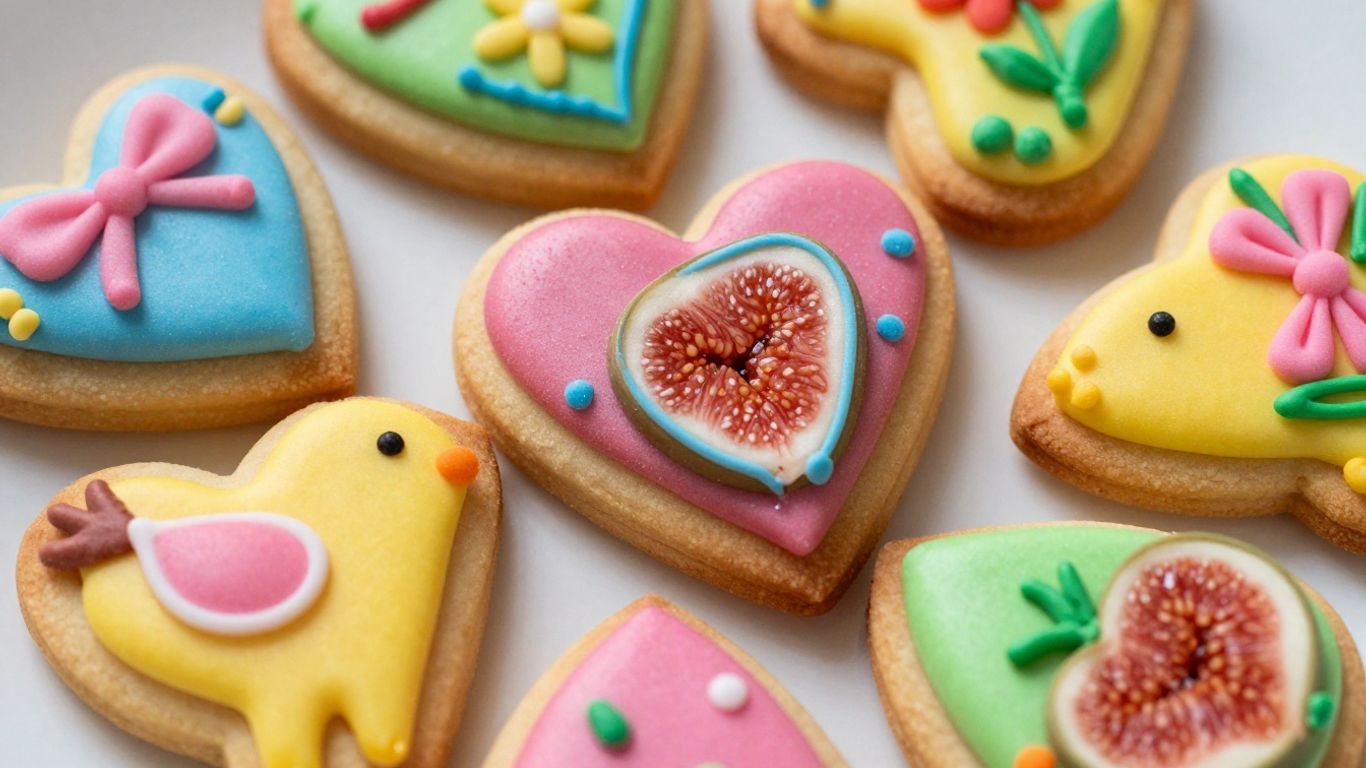
Once your figolli have cooled completely, it’s time for the fun part: making them look as good as they taste! This is where you can really let your creativity shine. Traditionally, figolli are quite elaborate, but there are a couple of popular ways to go about decorating them.
The Art of Royal Icing
Royal icing is the classic choice for a reason. It dries hard and smooth, making it perfect for detailed designs. You’ll want to get the consistency just right – thick enough to hold its shape but thin enough to pipe easily. A good starting point is a mix of sifted icing sugar, egg whites, and a touch of lemon juice or vinegar for stability. You can divide the icing and tint it with food coloring to create a vibrant palette.
- Prepare your icing: Beat egg whites until frothy, then gradually add sifted icing sugar. Stir in lemon juice or vinegar until you have stiff, glossy peaks.
- Outline and fill: Use a piping bag with a fine tip to outline your figolla. Then, fill in the larger areas with a slightly thinner icing.
- Add details: Once the base layer is dry, pipe on finer details like patterns, eyes, or text.
Decadent Chocolate Coatings
If you’re more of a chocolate person, or just want a quicker decorating method, a chocolate coating is fantastic. You can use milk, dark, or white chocolate. Melt it gently, either in a microwave or using a double boiler. Then, you can either spread it all over the figolla or use it for drizzling.
- Melt your chocolate: Be careful not to overheat it, or it can seize up.
- Coat the figolla: Spread a smooth, even layer over the cooled biscuit.
- Add toppings: While the chocolate is still wet, sprinkle on chopped nuts, colorful sprinkles, or even edible glitter.
Adding Festive Easter Touches
No matter which decorating method you choose, the final flourish often involves a chocolate Easter egg. Traditionally, a foil-wrapped chocolate egg is nestled right in the center of the figolla, often secured with a bit of extra icing. This is a sweet reminder of the Easter season.
The beauty of decorating figolli is that there are no strict rules. It’s a chance to have fun, get messy, and make each cookie uniquely yours. Whether you’re aiming for intricate artistry or a simple, cheerful design, the process is as enjoyable as the final product.
Understanding Figolli Ingredients
Figolli are a delightful Maltese Easter tradition, and their unique taste comes from a few key components. Let’s break down what goes into these sweet treats.
The Core Components of Figolli
The dough for figolli is pretty standard for a sweet shortcrust pastry. You’ll typically find flour, butter, and sugar forming the base. Often, citrus zest, like lemon or orange, is added to give the pastry a bright, fresh flavor. Some recipes also include eggs and a bit of liquid, like orange juice, to bring it all together. The quality of your butter and the freshness of your citrus zest really make a difference here.
Flavorful Additions to the Dough
While the basic dough is delicious on its own, some bakers like to add a little something extra. Vanilla extract is a common addition for warmth. You might also see recipes calling for orange flower water, which gives a distinct floral note that’s very traditional in Maltese baking. It’s all about building layers of flavor even before you get to the filling.
Variations in Almond Paste
The heart of any figolla is its filling, which is usually a marzipan-like paste. Ground almonds are the star, mixed with sugar and often a binder like egg whites. To give it that characteristic flavor, you’ll find ingredients like almond essence, lemon zest, or even a touch of cinnamon. Some recipes get creative and add ground hazelnuts or other nuts for a different texture and taste. The goal is a sweet, slightly chewy paste that complements the crisp pastry.
Here’s a general idea of what goes into the filling:
- Ground almonds
- Sugar (granulated or icing)
- Egg whites (to bind)
- Flavorings (almond essence, citrus zest, cinnamon)
The ratio of almonds to sugar can vary quite a bit, affecting the final sweetness and texture of the filling. Some prefer a more intensely almond-forward paste, while others like it sweeter.
For those looking for alternatives, you can find recipes that use different nuts or even seeds. The key is to achieve a paste that holds its shape and tastes wonderful when baked. You can explore different Maltese figolla recipes to see the variety available.
Figolli: A Celebration of Easter
Symbolism of the Chocolate Egg
That little chocolate egg nestled in the center of a figolla isn’t just for show; it’s packed with meaning. In many cultures, especially those with Christian traditions, eggs are a symbol of new life and rebirth. For Easter, this ties directly into the celebration of Jesus’ resurrection. So, when you bite into a figolla, you’re not just enjoying a sweet treat, you’re also tasting a bit of that Easter symbolism. It’s a reminder of renewal and new beginnings, all wrapped up in a delicious almond cookie.
Family Gatherings and Figolli
Easter in Malta is a big deal, and figolli are right at the heart of it. It’s common for families to get together, and baking these treats can be a whole-family affair. Imagine the kitchen filled with the scent of almonds and citrus, with everyone pitching in – maybe the older generation is rolling out the dough, the kids are busy cutting out shapes, and someone else is carefully piping icing. It’s more than just baking; it’s about creating memories and passing down traditions. These cookies become a centerpiece for family meals and a way to connect with loved ones, both near and far.
Sharing the Joy of Figolli
Figolli are meant to be shared. Whether you’re gifting a beautifully decorated figolla to a friend, bringing a batch to a family gathering, or simply enjoying one with your own household, the act of sharing these special Easter cookies amplifies the joy. They’re a tangible representation of goodwill and festive spirit. It’s a sweet way to say "Happy Easter" and to spread a little happiness during this important time of year. Plus, who wouldn’t be happy to receive one of these delightful creations?
Exploring Figolli Variations
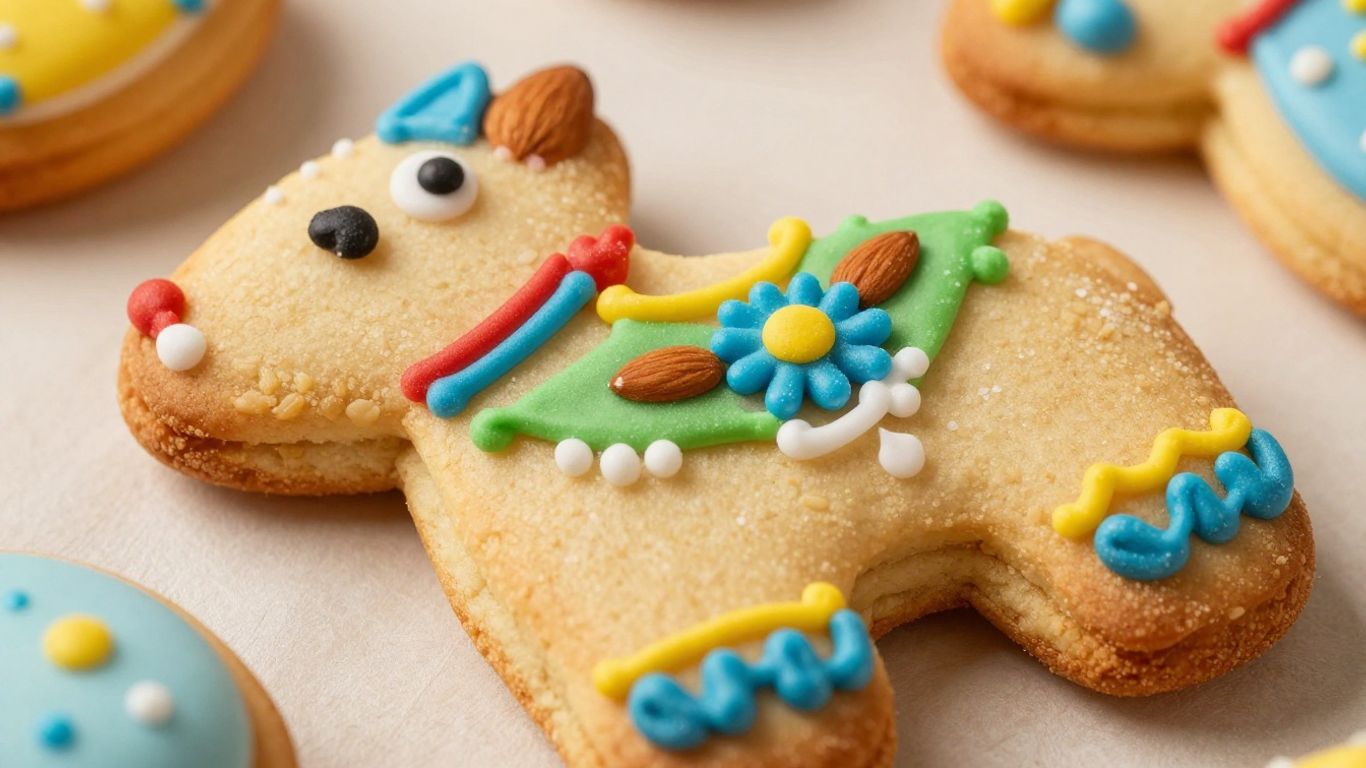
While the classic figolla is a beloved Easter tradition, that doesn’t mean there isn’t room for a little creativity and adaptation. Many families have their own twists on the recipe, and modern bakers are finding new ways to enjoy this sweet treat.
Healthier Figolli Alternatives
Looking for a lighter option? You can make some adjustments to the traditional recipe. Swapping some of the butter for a neutral oil or using a whole wheat flour blend can make a difference. Some people even experiment with reducing the sugar in both the dough and the filling, relying more on the natural sweetness of the almonds and citrus zest. It’s all about finding a balance that still tastes delicious.
Vegan and Plant-Based Figolli
Going vegan doesn’t mean you have to miss out on figolli! The main changes involve substituting the eggs and butter. For the dough, you can use plant-based butter or coconut oil, and replace egg yolks with a flax egg or a bit of plant-based milk. The filling can be made without egg whites by simply mixing the ground almonds, sugar, and flavorings until it forms a paste. Sometimes, a touch more liquid, like orange blossom water or a bit of plant-based milk, helps achieve the right consistency. These plant-based versions are surprisingly close to the original, offering a wonderful alternative for those with dietary restrictions.
The Calorie Content of Figolli
Let’s be honest, figolli are a rich treat, and they pack a caloric punch. A traditional, large figolla can easily reach over 2000 calories, largely due to the generous amounts of butter, sugar, and almond filling. This isn’t a daily snack, but rather a special occasion indulgence. If you’re keeping an eye on your intake, consider making smaller figolli or sharing a larger one. It’s a celebratory food, meant to be enjoyed in moderation as part of the Easter festivities.
A Sweet Taste of Tradition
So there you have it, figolli are more than just a cookie. They’re a symbol of Easter, family, and Maltese heritage all rolled into one delicious package. Whether you’re making them from scratch or lucky enough to be gifted one, taking a bite of a figolla is like taking a little trip back home. It’s a sweet reminder of Easters past and a tradition that’s definitely worth keeping alive. Happy Easter, everyone!
Frequently Asked Questions
What exactly are Figolli?
Figolli are special Maltese cookies made for Easter. Imagine two big, yummy cookies with a sweet almond filling in the middle. They’re often shaped like bunnies, fish, or other fun figures and decorated with colorful icing or chocolate.
Why are Figolli made for Easter?
Figolli are a beloved tradition in Malta for Easter. They’re a way to celebrate the end of Lent and enjoy a sweet treat. Many families bake them together, passing down recipes from generation to generation.
What’s inside a Figolla?
The heart of a Figolla is a tasty filling made from ground almonds, mixed with sugar and often flavored with lemon zest. It’s similar to marzipan and creates a delightful contrast with the soft cookie dough.
How are Figolli decorated?
Figolli are usually decorated with bright royal icing, piped into pretty patterns. Sometimes, they’re also covered in a smooth layer of chocolate. A small chocolate Easter egg is often placed on top as a final festive touch.
Are there different kinds of Figolli?
Yes, while the traditional Figolli are rich and sweet, some people make healthier versions. These might use whole wheat flour, less sugar, or plant-based ingredients, but they still aim to keep that delicious almond flavor.
Can I make Figolli at home?
Absolutely! Making Figolli can be a fun family activity. You’ll need special large cookie cutters for the shapes, and then you can prepare the dough and almond filling. Decorating them is where you can really get creative!
You may also find this Nutrition Geeks guide helpful: Discover Authentic Uruguayan Recipes: From Asado to Chivito.
You may also find this Nutrition Geeks guide helpful: Mastering Authentic Pork and Chive Dumplings: A Step-by-Step Guide.