Disclosure: This post may contain affiliate links, meaning if you decide to make a purchase through my links I may earn a commission at no additional cost to you. See my disclosure for more info.
You’ve probably seen Herbalife products around, maybe even tried some yourself. They’re often promoted for weight loss or a general wellness boost. But like anything you consume, it’s smart to know what’s in them and what potential herbalife tea side effects you might encounter. This article takes a look at some of the concerns people have raised, especially regarding liver health and the ingredients in these popular supplements.
Key Takeaways
- Herbalife products contain various herbal ingredients, and their stimulant content, including caffeine and guarana, can affect individuals differently.
- There have been reported cases linking Herbalife products to liver damage, with specific herbal ingredients like green tea and aloe vera noted as potential contributors.
- The lack of strict standardization and transparency in herbal supplement ingredients makes it challenging to pinpoint exact causes of adverse reactions.
- The regulatory oversight for herbal supplements is less stringent than for pharmaceuticals, meaning quality control and proof of safety aren’t always guaranteed.
- Individual sensitivity, potential interactions with medications, and a person’s overall health status play a significant role in how they react to Herbalife products.
Understanding Potential Herbalife Tea Side Effects
When you start looking into Herbalife products, especially their teas, it’s natural to wonder about what might happen when you consume them. While many people use these products without any issues, it’s wise to be aware of potential concerns. It’s not just about the main ingredients; sometimes, the little things can add up.
Concerns Regarding Herbal Ingredients
Herbalife products often feature a blend of various herbs. The idea behind using herbs is often rooted in traditional practices, and many believe that ‘natural’ automatically means ‘safe.’ However, the reality can be more complex. The specific herbs used, their quality, and how they’re processed can all play a role in how your body reacts. Some herbal ingredients, while beneficial in certain contexts, can cause problems for some individuals, especially with prolonged or high-dose use.
Explore more NutritionGeeks guides related to wellness, recovery, nutrition and active lifestyle support.
Stimulant Content in Herbalife Products
Many Herbalife teas, like their Herbal Tea Concentrate, contain stimulants. These often come from sources like tea extracts and caffeine powder. For instance, one serving can pack a significant caffeine punch, sometimes comparable to a couple of cups of coffee. While caffeine can boost energy, too much can lead to jitters, anxiety, or sleep disturbances. It’s also worth noting that other ingredients, like guarana and ginseng, can add to the stimulant load, and their effects can vary from person to person. It’s easy to underestimate the total stimulant intake when combining multiple products or add-ins.
Potential for Contamination in Supplements
Supplements, including those from Herbalife, aren’t always as pure as they seem. The manufacturing process for herbal products can be tricky, and there’s a lack of strict oversight compared to pharmaceuticals. This means there’s a possibility of contamination. Things like pesticides, heavy metals, or even other unintended chemicals can sometimes find their way into the final product. This is particularly concerning because it can be difficult to pinpoint exactly what caused a reaction if something goes wrong, especially when multiple ingredients are involved.
More NutritionGeeks Wellness Guides
Explore more NutritionGeeks guides connected to wellness, recovery, hydration, energy, sleep and active lifestyle nutrition.
Liver Health and Herbalife Products
It’s a common belief that ‘natural’ means ‘safe,’ and that’s often why people turn to herbal products for health and weight management. Herbalife products, which often feature herbal ingredients, are part of this trend. However, the reality is a bit more complicated, especially when it comes to your liver.
Reported Cases of Hepatotoxicity
There have been reports linking the use of Herbalife products to liver issues, a condition known as hepatotoxicity. These aren’t just minor complaints; some cases have been quite serious, even leading to liver failure that required a transplant. It’s a concerning pattern that suggests these products might not be as benign as some believe.
Specific Herbal Ingredients Linked to Liver Damage
While it’s tough to pinpoint one single cause due to the complex nature of these supplements, certain herbs commonly found in these types of products have been flagged. For instance, green tea and aloe vera, both ingredients in some Herbalife items, have been mentioned in case studies related to liver problems. The exact way these ingredients might affect the liver isn’t always clear, but research points to potential immune system reactions or other mechanisms.
Variability in Liver Damage Mechanisms
What’s interesting, and also a bit worrying, is that the way liver damage occurs can differ. Studies from different regions have shown varying patterns of liver injury associated with Herbalife products. This variability might be due to differences in the product formulations themselves, which can change based on where they are made or sourced. It makes it harder to identify a single culprit substance.
The complexity of herbal blends means that even if a product is generally considered safe, specific combinations or concentrations could pose a risk to certain individuals. It’s not always about one bad ingredient, but how everything interacts within the body.
Here’s a look at some factors that make understanding these risks challenging:
- Ingredient Opacity: The exact amounts and types of herbal extracts used aren’t always clearly listed. This lack of detail makes it difficult to know precisely what you’re consuming.
- Contamination Concerns: Beyond the intended ingredients, there’s a possibility of contamination with other substances, like heavy metals or chemicals, which could also impact liver health.
- Individual Differences: People react differently to supplements. What might be fine for one person could cause issues for another, depending on their unique health status and genetics.
It really highlights the need to be informed and cautious when choosing any supplement, especially those with a long list of ingredients you might not be familiar with.
Navigating Herbalife Product Information
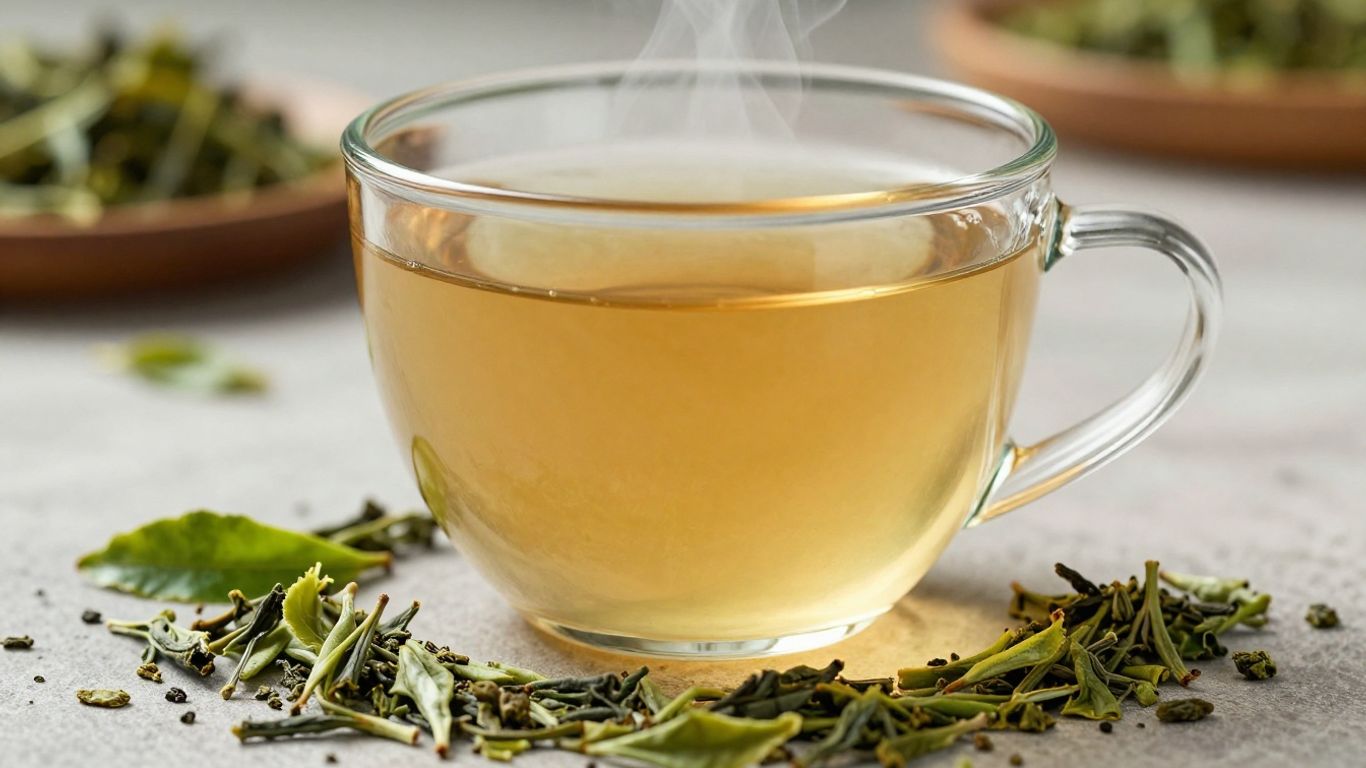
It can be tricky figuring out exactly what’s in Herbalife products, and that’s a big part of why side effects can be so unpredictable. Think about it: these aren’t like your typical over-the-counter medicines with a clear ingredient list and dosage. Herbal supplements, in general, have a bit of a wild west feel when it comes to standardization.
Lack of Standardization in Herbal Extracts
Herbal extracts are where things get really murky. The same plant can have different levels of active compounds depending on where it was grown, when it was harvested, and how it was processed. This means that even if two products are supposed to contain, say, rosemary extract, the actual amount and type of compounds in each could be quite different. This variability makes it hard to pinpoint exactly what’s causing a reaction. It’s not like a precise chemical formula; it’s more like a natural cocktail that can change.
Challenges in Identifying Culprit Substances
Because of this lack of standardization, if someone experiences a side effect, figuring out which specific ingredient is to blame can be a real headache. Herbalife products often contain blends of many different herbs, vitamins, and minerals. Sometimes, contamination from other substances, like pesticides or even heavy metals, can also creep in during manufacturing. So, you might be reacting to one of the herbs, a combination of them, or something entirely unexpected that got into the mix. It’s like trying to find a single bad apple in a huge barrel of mixed fruit.
Importance of Ingredient Transparency
This is why ingredient transparency is so important. When companies are upfront about exactly what’s in their products, and in what amounts, it helps consumers and healthcare providers make more informed decisions. It allows people to check for known allergens or ingredients they might be sensitive to. Without clear, reliable information, it’s tough to know what you’re actually putting into your body. A list of ingredients is a start, but knowing the quality and quantity of those ingredients is even better. It’s about having the full picture, not just a partial one.
Regulatory Landscape for Herbal Supplements
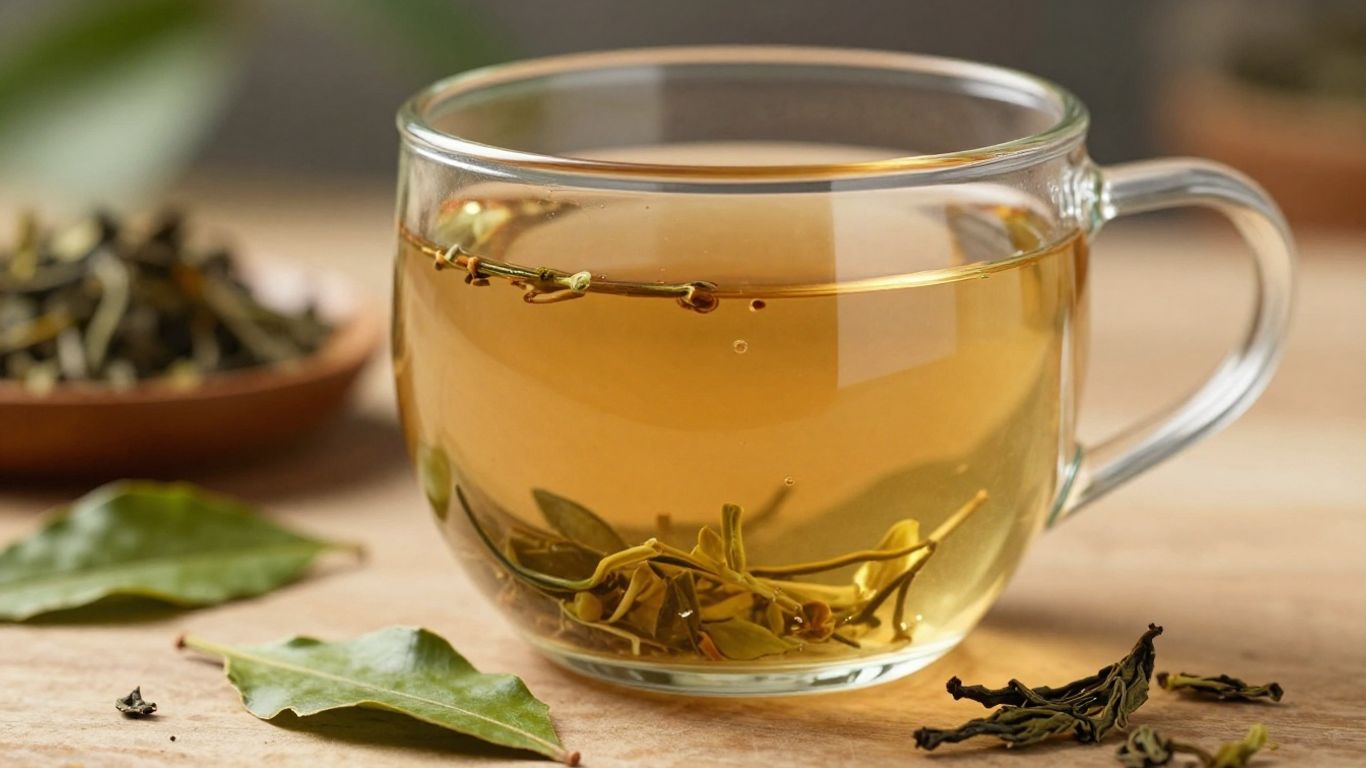
When you pick up a bottle of herbal supplements, it’s easy to assume it’s been thoroughly checked out, right? Well, the reality is a bit more complicated, especially with products like those from Herbalife. Unlike prescription drugs, dietary supplements, including herbal ones, don’t go through a rigorous pre-market approval process by the FDA. This means manufacturers are largely responsible for making sure their products are safe and labeled correctly. The FDA steps in after a product is already on the market if issues arise.
Pre-Marketing Testing and Regulations
This lack of strict pre-market testing is a big deal. Because these products aren’t held to the same standards as pharmaceuticals, there can be a lot of variation. Think about it:
- Ingredient Purity: The exact ingredients and their concentrations can be hard to pin down. Herbal extracts can vary wildly depending on where the plant was grown, when it was harvested, and how it was processed.
- Quality Control: There’s no guarantee of consistent quality from batch to batch. This means what’s in one bottle might not be exactly the same as what’s in another.
- Safety Proof: Manufacturers aren’t required to provide proof of safety or effectiveness before selling their products.
This situation leaves consumers in a bit of a gray area. The belief that ‘natural’ automatically means ‘safe’ can be misleading, as many potent and even harmful substances come from plants. The responsibility falls on the consumer to be informed, and on the companies to be transparent.
Quality Control and Effectiveness Proof
It’s tough to know for sure what you’re getting with some herbal supplements. The production processes can differ significantly between countries and even between different manufacturers. This lack of standardization means the exact composition of herbal extracts can be unknown. On top of that, supplements can sometimes be contaminated with other chemicals, like pesticides or heavy metals, either from the raw materials or during the manufacturing process. This makes it really difficult to pinpoint exactly what might be causing a problem if one arises.
The complexity and variability of herbal extracts, combined with a lack of standardized production, create challenges in identifying the precise ingredients and their potential effects. This uncertainty is a key concern for consumers and healthcare providers alike.
Need for Stricter Oversight
Given these challenges, there’s a growing call for more stringent regulations in the herbal supplement industry. This includes:
- Requiring clearer identification of active substances.
- Mandating comprehensive toxicological testing.
- Establishing an obligatory system for reporting side effects.
Until such measures are widely implemented, it’s up to all of us – consumers, doctors, and pharmacists – to stay aware of the potential risks associated with herbal products and to discuss any concerns openly. You can find more information about how supplements are regulated on the FDA’s website.
Individual Sensitivity and Herbalife Tea
Exploring how Herbalife tea affects people differently is important. Everyone’s body reacts in its own way, so side effects can vary quite a bit. Some people can drink these teas regularly without a problem, while others might notice issues even after just one glass.
Distinguishing Side Effects from Sensitivities
It can be tough to tell if you’re experiencing a real side effect or if your body is just sensitive to something in Herbalife tea. Here’s how you might be able to separate the two:
- Side effects are common responses that happen to many users (like headache or upset stomach).
- Sensitivity reactions are more personal—one person’s harmless ingredient is another’s troublemaker.
- Side effects often come from ingredients found in the label, but sensitivities may show up even with tiny amounts.
If you notice unusual symptoms after drinking Herbalife tea, it could be specific to how your body reacts, and not everyone will have the same experience.
Interactions with Medications
Herbalife teas often contain herbs and stimulants that might react with prescription medications. Some issues to keep in mind:
| Medication Type | Potential Interaction |
|---|---|
| Blood thinners (e.g. warfarin) | Increased bleeding risk |
| Blood pressure meds | Can raise blood pressure |
| Antidepressants | Possible nervousness, jittery |
- Talk to your doctor before mixing supplements with prescribed drugs.
- Watch out for caffeine and herbal ingredients clashing with your meds.
- Side effects might get worse or change when different substances are combined.
Consulting Healthcare Providers
When adding something new like Herbalife tea to your routine, it’s a smart move to ask your healthcare provider. Here’s why:
- They can help identify ingredients you should avoid based on your health or meds.
- They might suggest ways to spot and track possible reactions.
- Providers keep records of your sensitivities, which helps if a pattern pops up later.
Don’t assume that ‘natural’ equals harmless—your personal risks can depend on genetics, medication, or underlying conditions. Even if you’ve never had a problem with supplements before, this time could be different, so checking in with a pro is always wise.
Wrapping Things Up
So, we’ve looked at what’s in Herbalife teas and some of the things people have experienced. While some folks feel great using these products, others have run into issues, especially with their liver. It’s a bit of a mixed bag out there. Remember, these aren’t strictly regulated like medicines, so what’s exactly in them can be a bit of a mystery sometimes. If you’re thinking about trying them, or if you’re already using them and feel off, it’s always a good idea to chat with your doctor. They can help you figure out what’s best for your body and if these teas are a good fit for you or not.
Frequently Asked Questions
Can Herbalife teas cause side effects?
While many people use Herbalife products without any issues, some individuals might experience unwanted effects. These can happen because of how a person’s body reacts to certain ingredients, or if the products interact with medications they are taking. It’s always a good idea to talk to your doctor if you’re concerned about how a product might affect you.
What are the main concerns about the ingredients in Herbalife teas?
Some Herbalife products contain herbal ingredients like green tea and aloe vera, which have been linked to liver problems in rare cases. Also, these teas can have a lot of stimulants, such as caffeine, ginseng, and guarana, which can affect people differently and might cause issues if consumed in large amounts.
Are Herbalife products tested for safety and quality?
Herbal supplements, including those from Herbalife, don’t go through the same strict testing as medicines before they are sold. This means the exact amounts of ingredients might not always be clear, and there isn’t always proof of how safe or effective they are. Sometimes, products can even be contaminated with other unwanted substances.
What is hepatotoxicity and how might it relate to Herbalife products?
Hepatotoxicity means liver damage. There have been reports linking the use of Herbalife products to liver issues, ranging from minor changes to severe liver problems that might need a transplant. The exact reason isn’t always clear, but it’s thought that certain herbal ingredients or contaminants could play a role.
How can I know if I’m sensitive to Herbalife tea ingredients?
If you experience unusual symptoms after drinking Herbalife tea, it might be a sign of sensitivity. This is different from a true side effect caused by the product itself. Factors like your personal health, any medications you’re on, and how your body processes certain ingredients can all influence your reaction.
Should I talk to a doctor before trying Herbalife tea?
Yes, it’s a smart move to consult with a healthcare provider before you start using any new supplement, including Herbalife teas. They can help you understand if the ingredients might interact with your health conditions or any medications you’re currently taking, and advise you on whether it’s a good choice for you.
You may also find this Nutrition Geeks guide helpful: Para Que Sirve Herbalifeline: Un Análisis Profundo de sus Beneficios Omega 3.
You may also find this Nutrition Geeks guide helpful: Your Ultimate 100 Mile Run Training Plan: Conquer the Distance.
You may also find this Nutrition Geeks guide helpful: Your Guide: How to Become a Herbalife Distributor and Start Your Own Business.
You may also find this Nutrition Geeks guide helpful: Unlocking Radiant Skin: Exploring the Surprising Carrot Benefits for Your Complexion.
You may also find this Nutrition Geeks guide helpful: Unlock Your Wellness Goals with the Herbalife Nutrition Shake.