Disclosure: This post may contain affiliate links, meaning if you decide to make a purchase through my links I may earn a commission at no additional cost to you. See my disclosure for more info.
Malta’s food scene is a fascinating blend of history and flavor, with influences from all over the Mediterranean and beyond. Among its many delicious offerings, timpana stands out as a true icon. This hearty baked pasta pie is more than just a meal; it’s a taste of Maltese tradition, a comforting dish that brings people together.
Key Takeaways
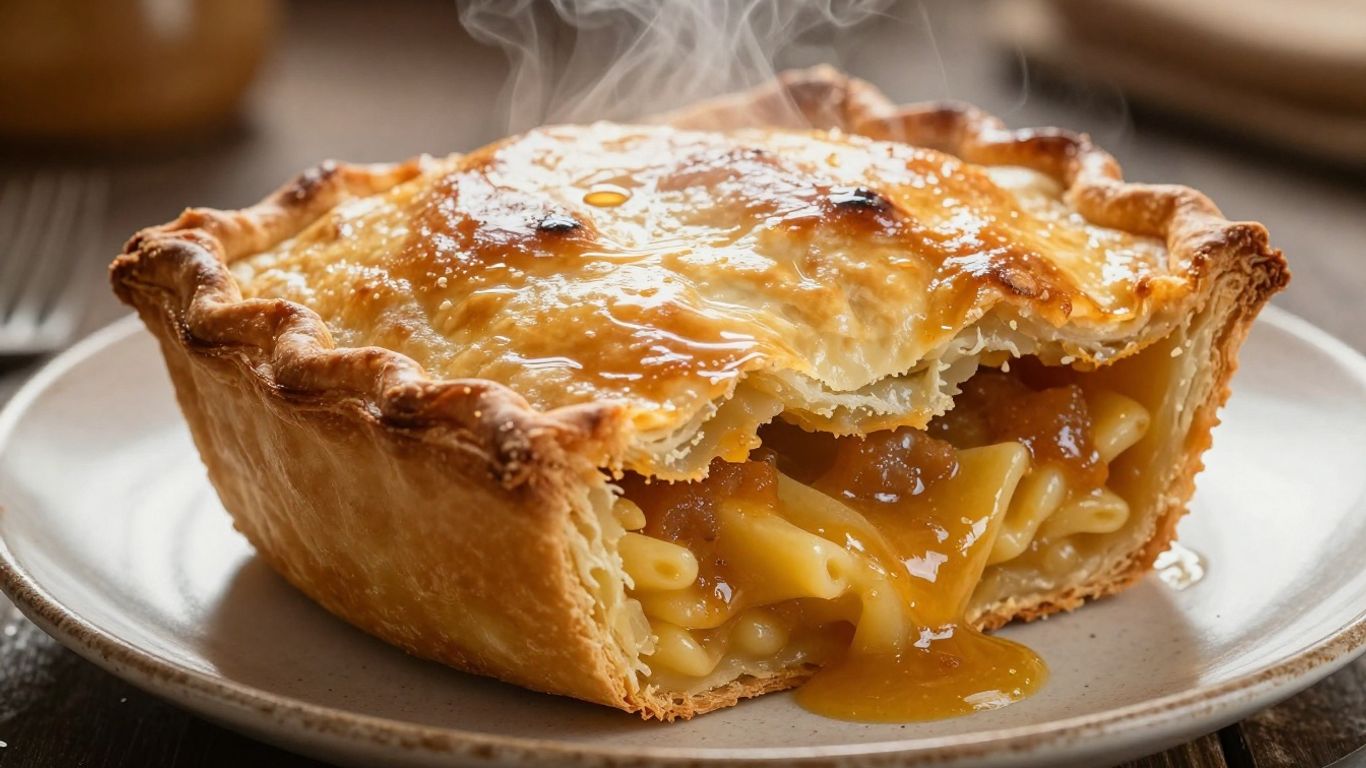
- Timpana is a beloved Maltese baked pasta pie, featuring macaroni or penne mixed with a rich meat sauce, cheese, and eggs, all encased in a golden pastry crust.
- Its history is a reflection of Malta’s cultural influences, with Italian pasta traditions and British pie-making techniques evident in its creation.
- Originally a dish for special occasions, timpana has evolved into a popular street food and a staple comfort food for Maltese families.
- The dish’s flavor profile is a delicious combination of savory meat sauce, creamy cheese and egg filling, and the buttery crispness of its pastry shell.
- While timpana is a star, Malta offers other notable pies like pastizzi (ricotta or pea-filled pastries) and qassatat (savory hand pies).
The Rich History of Timpana
Knights of St. John’s Culinary Legacy
Timpana, that glorious baked pasta pie, has roots stretching back to the time of the Knights of St. John. These fellas, who were big players in Malta from the 16th century onwards, brought a lot of Italian cooking ideas with them. The name itself, ‘timpana,’ comes from the Italian word for a drum, which makes sense when you see the shape of this pie. It’s basically a drum of deliciousness, filled with pasta and sauce, all wrapped up. The Knights were all about good food and fortifications, and it seems they managed to bring both to the island. They introduced pasta, which was a pretty big deal, and over time, the Maltese took that idea and ran with it, making it their own.
British Colonial Influences on Maltese Pies
Later on, when Malta became a British colony, another layer was added to the culinary story. The British brought their love for savory pies, and this influence really shaped Timpana into the dish we know today. Think about it: pasta from Italy, encased in a flaky pastry crust, a nod to British baking traditions. It’s this mix of cultures that makes Timpana so special. It wasn’t just a dish that appeared overnight; it evolved over centuries, picking up bits and pieces from whoever was in charge. This fusion is what gives Maltese food its unique character, and Timpana is a prime example of that.
Explore more NutritionGeeks guides related to wellness, recovery, nutrition and active lifestyle support.
From Special Occasions to Street Food Staple
Originally, Timpana wasn’t something you’d just whip up every day. It was more of a special occasion dish, something made for holidays or big family gatherings. Making a pie like this takes time and effort, so it was reserved for when you really wanted to impress or celebrate. But like many traditional foods, Timpana has made its way into everyday life. You can now find it everywhere, from home kitchens to bakeries and street food stalls. It’s become a beloved comfort food, a taste of home for many Maltese people, and a must-try for visitors looking for authentic local flavors. It’s amazing how a dish can go from a rare treat to a go-to snack, showing just how much it’s loved.
Understanding Timpana’s Core Components
More NutritionGeeks Wellness Guides
Explore more NutritionGeeks guides connected to wellness, recovery, hydration, energy, sleep and active lifestyle nutrition.
Timpana is a pretty special dish, and it’s all about how the different parts come together. It’s not just pasta, and it’s not just pie; it’s the combination that makes it so good.
The Pasta Foundation
At its heart, timpana is built on pasta. Usually, you’ll find macaroni or penne in there, cooked just right – al dente, so it still has a bit of a bite. This pasta is the base, the stuff that holds everything else together. It’s not meant to be mushy; it needs to stand up to the sauce and the baking.
Hearty Meat Sauce and Binding Elements
Then comes the sauce. It’s typically a rich, savory meat sauce, often made with ground beef or a mix of beef and pork. This gets simmered with onions, garlic, and tomatoes, seasoned with herbs like oregano and basil. But the sauce isn’t just about flavor; it’s also about binding. Beaten eggs are mixed into the pasta and sauce, and this is key. When it all bakes, the eggs help create a cohesive filling, stopping it from falling apart. Cheese, like Parmesan or even ricotta, is often thrown in too, adding creaminess and another layer of flavor.
The Golden Pastry Embrace
Finally, all that delicious pasta and sauce gets wrapped up. This is where the pastry comes in. It’s usually a buttery puff pastry, which bakes up to a beautiful golden brown. This crust isn’t just for show; it adds a flaky texture and a rich flavor that complements the hearty filling perfectly. It’s like the perfect hug for the pasta inside.
The magic of timpana really lies in this layered construction. It’s a dish that takes simple ingredients and transforms them through careful preparation and baking into something truly comforting and satisfying. It’s a testament to how different culinary traditions can blend to create something uniquely delicious.
Here’s a quick rundown of what you’re usually getting:
- Pasta: Macaroni or penne, cooked al dente.
- Sauce: Rich meat sauce with tomatoes, onions, garlic, and herbs.
- Binder: Eggs and cheese (like Parmesan or ricotta) to hold it all together.
- Crust: Buttery puff pastry for that golden, flaky finish.
Timpana’s Place in Maltese Cuisine
A Beloved Comfort Food
Timpana isn’t just food; it’s practically a national hug in pie form. It’s the kind of dish that instantly makes you feel at home, no matter where you are. Think of those Sunday lunches at grandma’s, where the whole family gathered around a table laden with deliciousness. Timpana often played the starring role. It’s a hearty, filling meal that’s perfect for sharing, and honestly, who doesn’t love a good pasta bake wrapped in a golden pastry crust? It’s pure comfort, a taste of tradition that’s deeply ingrained in the Maltese way of life.
Street Food and Festive Delights
While it’s a staple for family meals, timpana has also found its niche as a popular street food. You’ll often find it at local markets, village feasts, and other celebrations. It’s convenient, satisfying, and a fantastic way to get a taste of authentic Maltese cooking on the go. Imagine wandering through a bustling festival, the air filled with music and delicious aromas, and then spotting a vendor selling freshly baked timpana. It’s a must-try experience for anyone visiting the island.
Comparison to Other Maltese Pies
Maltese cuisine is full of amazing pies, and timpana holds its own special spot. While pastizzi are the quick, flaky snacks you grab on the run, and qassatat offer a more hand-held, versatile savory pie experience, timpana is the grand dame. It’s more substantial, a proper meal that often takes center stage. Then there’s the seasonal lampuki pie, a delightful fish-filled pastry that celebrates the autumn catch. Each pie has its own character and occasion, but timpana remains a universally loved classic, a true symbol of Maltese culinary heritage.
Timpana represents a beautiful culinary fusion, blending Italian pasta traditions with British pie-making techniques. This unique combination reflects Malta’s rich history of cultural exchange and adaptation, resulting in a dish that is both familiar and distinctively Maltese.
Exploring the Flavors of Timpana
Savory Meat and Tomato Infusion
The heart of any good timpana starts with its filling, and that’s where the savory meat and tomato sauce really shines. We’re talking about a slow-cooked ragu, usually made with ground beef or a mix of beef and pork. It’s simmered with onions, garlic, and a good amount of tomatoes, often seasoned with herbs like oregano and basil. This isn’t just a quick sauce; it’s developed over time, letting all those flavors meld together into something rich and deeply satisfying. It’s the kind of sauce that makes you want to grab a spoon and just eat it straight from the pot, but of course, it’s destined for something even better.
The Creaminess of Cheese and Egg
What takes timpana from a tasty pasta bake to something truly special is the addition of eggs and cheese. The beaten eggs act like a binder, holding all those macaroni strands and the rich meat sauce together when it bakes. Then there’s the cheese – often a good grating of Parmesan or a dollop of ricotta, sometimes even slices of hard-boiled egg mixed in. This combination adds a wonderful creaminess and a salty, savory depth that complements the tomato and meat perfectly. It’s this layer that makes the filling so luscious and comforting.
Buttery Pastry Perfection
And then, the grand finale: the pastry. Timpana is traditionally encased in a buttery, flaky puff pastry. This isn’t just a container; it’s an integral part of the experience. As it bakes, the pastry turns a beautiful golden brown, crisping up on the outside while staying tender enough to yield to your fork. The richness of the butter in the pastry cuts through the hearty filling, creating a delightful contrast in textures and flavors. It’s this marriage of tender pasta, rich sauce, creamy binders, and crisp pastry that makes timpana such a beloved dish.
The whole thing comes together in the oven, where the magic happens. The heat works its way through the layers, melding the pasta, sauce, and cheese, while the pastry puffs up and turns that irresistible golden hue. It’s a dish that smells as good as it tastes, filling the kitchen with a warm, inviting aroma.
Beyond Timpana: Other Maltese Pies
While Timpana might be the star of the show, Malta’s culinary landscape is dotted with other delightful pies and pastries that deserve a mention. These dishes offer a glimpse into the island’s diverse history and local ingredients, each with its own unique charm.
Pastizzi: The Ubiquitous Snack
If there’s one pastry you’ll see everywhere in Malta, it’s the pastizzi. These small, flaky parcels are a true street food staple. They’re made with a dough that’s folded many times, creating layers that puff up beautifully when baked. You’ll usually find them filled with either creamy ricotta cheese or a savory mushy pea mixture. Honestly, they’re best eaten piping hot, straight from the oven, often with a cup of tea or coffee. You can find them at dedicated ‘pastizzerias’ all over the islands, and they’re a must-try for any visitor.
Qassatat: Versatile Savory Hand Pies
Similar to pastizzi in their handheld nature, qassatat are a bit more substantial. They’re made with a shortcrust pastry, which is then filled and twisted at the top, giving them a distinctive look. The fillings can vary quite a bit, but popular choices include spinach and tuna, ricotta, or mashed peas. Qassatat are especially popular during Lent and other times when meat is avoided, showcasing their versatility as a satisfying meatless option. They work well as a snack or as part of a larger meal.
Lampuki Pie: A Taste of the Sea
Come autumn, Malta celebrates the lampuki (dolphinfish) season with a special pie. This seasonal delicacy features the fresh catch of the day, combined with ingredients like spinach, olives, capers, and mint, all wrapped in a flaky pastry. It’s a wonderful way to experience the island’s connection to the sea and the fresh flavors of the Mediterranean. The lampuki season typically runs from late August through November, making this pie a true taste of the season.
The variety of pies in Malta reflects a rich tapestry of influences, from Italian pasta traditions to British baking styles and the island’s own agricultural and fishing heritage. Each pie tells a story of local ingredients and culinary evolution.
Here’s a quick look at some other notable Maltese pies:
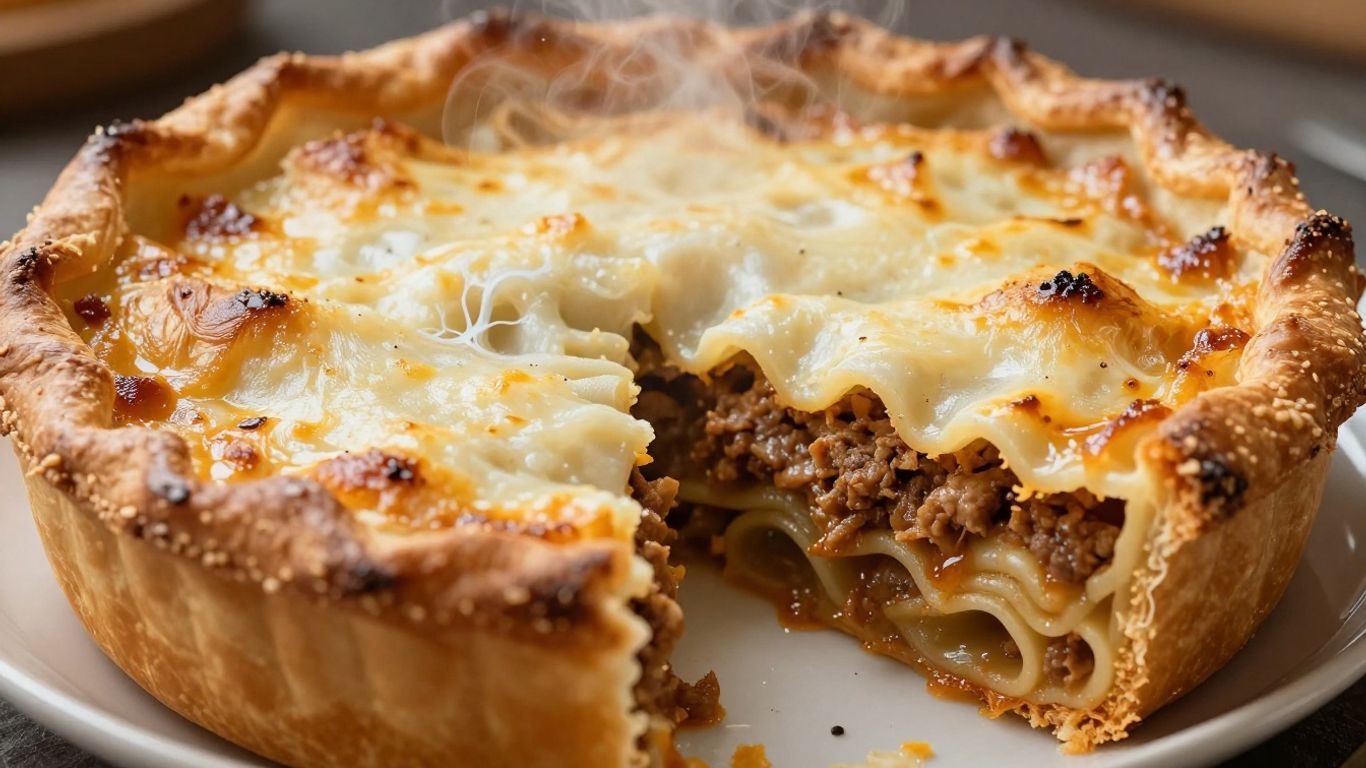
- Imqarrun il-Forn: A baked pasta dish, similar to Timpana but without the pastry casing. It’s often made with penne, a rich meat sauce, and baked until a golden crust forms on top.
- Bragioli: While not strictly a pie, these are thinly sliced beef rolls stuffed with bacon, egg, and breadcrumbs, then braised in wine. They’re a hearty dish often served with mashed potatoes.
- Soppa tal-Armla (Widow’s Soup): A hearty vegetable soup, often featuring local vegetables and small sheep’s milk cheeses, offering a comforting and nutritious meal.
The Art of Making Timpana
Making timpana at home is a rewarding experience, turning simple ingredients into a showstopper. It’s a bit of a process, but totally worth it for that golden, flaky crust and hearty filling.
Preparing the Pasta and Sauce
First things first, you need to get your pasta and sauce ready. Most recipes call for macaroni or penne, cooked just until it’s al dente. You don’t want mushy pasta here; it needs to hold its shape. While the pasta is cooking, you’ll be working on the sauce. This is usually a rich meat sauce, often made with ground beef, pork, or a mix of both. It gets simmered with onions, garlic, tomatoes, and a good blend of herbs like basil and oregano. Some folks add a splash of red wine for extra depth. The goal is a thick, flavourful sauce that coats the pasta nicely. A good sauce is key to a great timpana, so don’t rush this part. You can even make the sauce a day ahead, which really helps the flavours meld together.
Assembling the Pie
Once your pasta and sauce are ready, it’s time to bring it all together. You’ll typically mix the cooked pasta with the meat sauce, along with beaten eggs and cheese. The eggs act as a binder, holding everything in place once it bakes. Some recipes also include hard-boiled eggs, sliced and layered in, which adds another nice texture. Then comes the pastry. You’ll line a deep baking dish with puff pastry, fill it with the pasta mixture, and then cover it with another layer of pastry. Sealing the edges properly is super important to keep all that delicious filling inside during baking. It’s a bit like building a delicious edible package.
Baking to Golden Perfection
Now for the best part: baking! The timpana goes into a preheated oven until the pastry is puffed up and a beautiful golden brown. The smell that fills your kitchen during this time is just incredible. It usually takes about 30-45 minutes, depending on your oven. You want that pastry to be crisp and flaky, and the filling inside to be hot and bubbly. Letting it rest for a bit after it comes out of the oven is a good idea, as it helps everything set. This allows the layers to settle, making it easier to slice and serve. It’s a dish that truly celebrates the Maltese culinary tradition of combining simple ingredients into something spectacular.
A Taste of History and Home
So, that’s Timpana for you. It’s more than just a baked pasta dish; it’s a real taste of Malta’s history, showing how different cultures came together to create something truly special. From its drum-like shape, inspired by Italian traditions, to the flaky pastry crust that hints at British influence, Timpana tells a story. It’s the kind of food that feels like a hug in a pie, perfect for family dinners or just a comforting bite. Whether you’re trying it for the first time or making it at home, Timpana is a delicious reminder of Malta’s rich culinary heritage and the simple joy of good food.
Frequently Asked Questions
What exactly is Timpana?
Timpana is a popular Maltese dish that’s basically a baked pasta pie. It’s made with macaroni or penne pasta mixed with a tasty meat sauce, cheese, and eggs, all wrapped up in a golden, buttery pastry crust. Think of it as a delicious hug in pie form!
Where does Timpana come from?
Timpana has a cool history! It started way back when the Knights of St. John ruled Malta, bringing Italian pasta ideas. Later, when the British were in charge, they added the idea of savory pies. So, Timpana is a yummy mix of Italian and British food traditions that became a Maltese favorite.
Is Timpana a fancy dish or everyday food?
Originally, Timpana was made for special parties and holidays. But now, it’s so loved that you can find it everywhere! It’s a super comforting meal for lunch or dinner, and you can also grab a slice as a quick and tasty street food snack.
What are the main ingredients in Timpana?
The heart of Timpana is usually macaroni or penne pasta, cooked just right. This is mixed with a rich meat sauce made from tomatoes, onions, garlic, and spices. Then, cheese and eggs are added to bind it all together before it’s baked in a flaky pastry crust.
How does Timpana taste?
Imagine a warm, savory pie! The inside is full of tender pasta coated in a flavorful meat sauce, with a creamy richness from the cheese and eggs. The outside is a perfectly baked, slightly crispy, buttery pastry that makes every bite a delight.
Are there other interesting pies in Malta?
Yes, Malta has other amazing pies! You should try Pastizzi, which are small, flaky pastries usually filled with ricotta cheese or mushy peas. Qassatat are also popular hand pies with various fillings like spinach or tuna. And in the fall, there’s Lampuki Pie, a delicious fish pie.